
Politics
“No Man Can Reject Governor Nwifuru’s One Million Naira Empowerment” – Ebonyi Govt Brags, APGA reacts

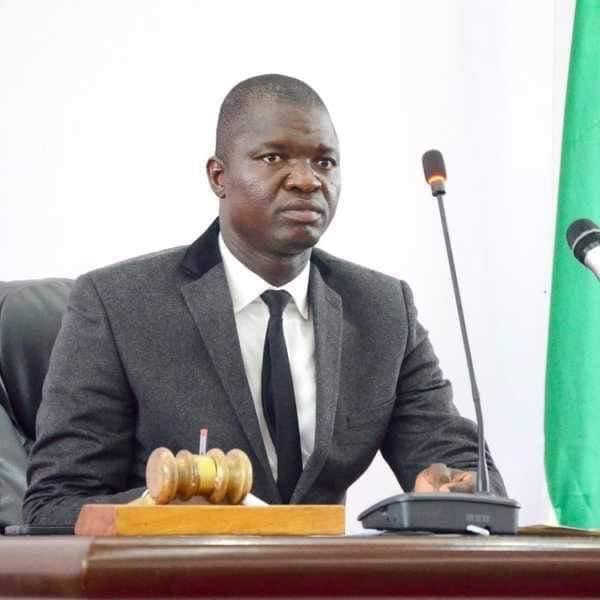
By Wisdom Nwedene
Ebonyi State government has bragged that no man can reject the ongoing one million naira empowerment programme being done by Governor Francis Ogbonnaya Nwifuru if selected after being criticised over the rationale behind the selection of youth to be empowered.
Recall that last week, Mr Nwifuru during an event at Ngbo, in Abakaliki said he will empower 1,300 youth because they didn’t join the nationwide protest.
Shortly after the announcement, the government constituted a committee to supervise the empowerment programme which generated mixed reactions.
The committee has the Deputy Governor, APC Chairman, others in list.
Many Ebonyians questioned whether the empowerment will really get to the poor masses or will be shared by the Political elites in the State.
Reacting, the Special Assistant on Media to the Governor, Mr Leo Ekene Oketa said no Ebonyi man can reject the one million naira.
According to him, “The reason His Excellency, Rt. Hon. Francis Ogbonna Nwifuru and EXCO constituted a committee for the selection of youths to benefit from the N1m empowerment, is to ensure it is not left in the hands of one particular state ministry.”
“It is rather better that you reach out to any of the committee members and suggest to them, best ways to select the beneficiaries and not frowning online at the list.”
“Truth is, no one, even you condemning the list on arrival, will reject the empowerment funds if you are selected. Like the Governor will always say, ‘the job is too easy when you are not the one doing it’.”
“The committee will definitely work sincerely to justify their inclusion in this delicate assignment. But more important than any comment online about them, will be an insightful suggestion on how they can get it right.”
“That is why they are a committee – to deliberate and make the best decision in this matter,” he said.
Meanwhile, the National Youth Leader of the All Progressives Grand Alliance, APGA Hon. Eze Onyebuchi Chukwu, Delaw has described the Ebonyi State government’s statement as an insult to Ebonyians.
He said Ebonyians voted the governor and not the committee members.
According to him, “you just goofed. This is unlike your response. Directing us to those we didn’t send any message is demeaning. Ebonyians voted the governor and not the committee members.”
” Also Saying that no one can reject the 1m if given is an insult to many Ebonyians. That one is asking for things to be done right doesn’t mean he or she is interested in it. Some Ebonyians do more than that everyday. This response goes along way to show how miserable APC see Ebonyians to be.”
“Also calling the genuine concern of Ebonyi people whose money is about to be shared a ‘FROWN’ is another insensitive statement.”
“Brother, Nothing concerns a sitting party chairman whose duty is to oversee party affairs in the distribution of Ebonyi people’s money. We are not his party EXCOs.”

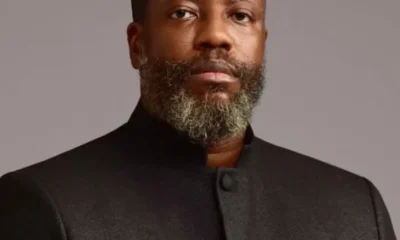


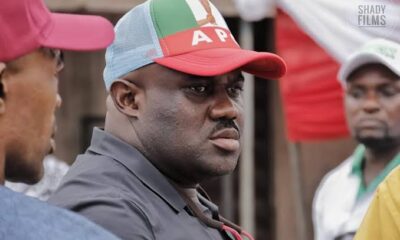


A Rivers State politician, Blessing Fubara, has declared his intention to contest the 2027 governorship election in Rivers State under the platform of the Nigeria Democratic Congress.
The politician has already obtained both the nomination and expression of interest forms needed to participate in the governorship race ahead of the 2027 election.
Blessing Fubara shares the same surname and local government area with the current Rivers State Governor, Siminalayi Fubara.
Both men are from Opobo/Nkoro Local Government Area. However, there has been no confirmation that they are family members.
The Chairman of the NDC in Rivers State, Success Jack, confirmed that Blessing Fubara is among those seeking the party’s governorship ticket.
He also stated that he could not confirm whether the governorship aspirant is related to Governor Siminalayi Fubara.
According to him, the party is preparing seriously for the 2027 general elections and hopes to win not only the governorship seat but other elective positions in Rivers State.
The development comes weeks after Blessing Fubara left the All Progressives Congress and joined the NDC.
Following his defection in Abuja, he was received by former Bayelsa State Governor, Seriake Dickson, alongside other leaders and members of the party.
After joining the NDC, Blessing Fubara said his decision was taken for the interest of Rivers people.
He also stated that the future of the state must be protected ahead of the next general election, expressing confidence that the state would experience positive changes after the 2027 polls.
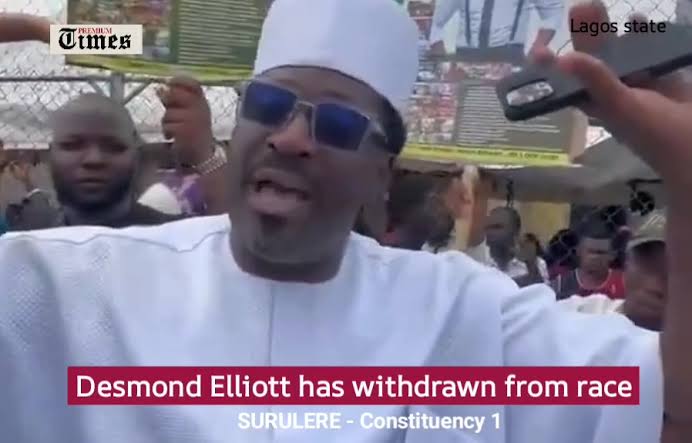
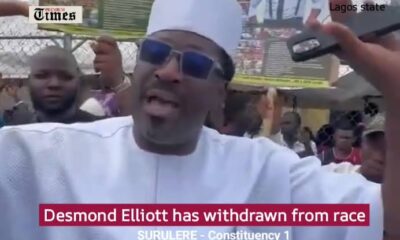
Surulere I lawmaker Desmond Elliot has withdrawn from the All Progressives Congress Lagos House of Assembly primaries, citing intimidation across multiple zones.
In a viral video posted online, the lawmaker said he was stepping out of the race despite seeking re-election under the APC. He alleged that his supporters faced intimidation during the process in several parts of the constituency.
Elliot’s decision came as the primaries held across Lagos on Tuesday. Chief of Staff to the President Femi Gbajabiamila, who represents Surulere Federal Constituency, praised the conduct of the exercise in Surulere, describing it as peaceful.
The withdrawal narrows the contest for the APC ticket in Surulere I ahead of the 2027 general election. Party officials in Lagos have not yet responded to Elliot’s claims, and the APC state chapter has not announced whether the primary in the constituency will proceed with other aspirants.
Elliot has represented Surulere I in the Lagos State House of Assembly since 2015.
https://www.instagram.com/reel/DYkCaAiMxxt/?igsh=ZWw5czl6MHJhNnRy
Politics
Political Shockwave in Rivers as Fubara Pulls Out of APC Governorship Race, Backs Party’s Candidate
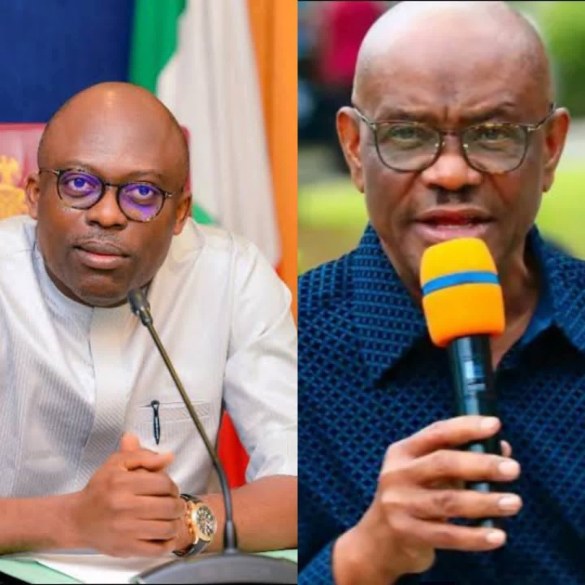
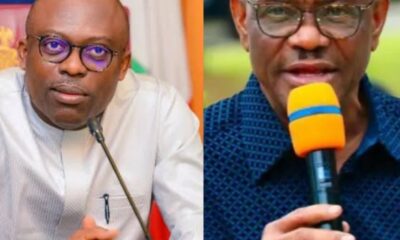
Rivers State Governor, Siminalayi Fubara, has officially withdrawn from the All Progressives Congress (APC) governorship primaries scheduled to take place on Thursday, a development that has stirred fresh political conversations across the state.
The governor announced his decision in a personally signed statement titled “My Decision to Withdraw from the Rivers State Gubernatorial Primaries,” which was released on Wednesday night.
In the statement, Fubara explained that his withdrawal followed wide consultations with political associates, stakeholders, and supporters. He stated that the decision was taken in the overall interest of peace, unity, and stability within the APC and Rivers State at large.
According to the governor, politics should not be allowed to divide the people or create unnecessary tension within the party. He stressed that preserving unity among party members and maintaining stability in the state remain more important than personal political ambition.
Fubara further pledged his total loyalty and support to whoever eventually emerges as the APC governorship candidate, assuring party faithful that he remains committed to the success and progress of the party ahead of the next general elections.
The Rivers governor also appreciated his supporters across the state for standing by him throughout the political process. He thanked party leaders, youth groups, women supporters, and political associates who had continued to show him solidarity and encouragement.
He urged his supporters not to see his withdrawal as the end of his political journey, but rather as a decision made in the collective interest of the party and the state. He also appealed to them to remain peaceful, united, and committed to the ideals of the APC.
Political observers have described the development as one of the biggest political surprises in Rivers State in recent times, especially considering the growing speculations and intense political alignments ahead of the governorship primaries.
Analysts believe the governor’s withdrawal may reshape the political calculations within the APC and influence the direction of the party’s governorship race moving forward.
The announcement has continued to generate mixed reactions from political stakeholders and residents across Rivers State. While some supporters described the move as strategic and mature, others expressed surprise over the governor’s sudden exit from the contest.
Several party faithful, however, commended Fubara for placing party unity and stability above personal ambition, noting that his decision may help reduce internal tensions and strengthen the APC ahead of the elections.
The development has also intensified attention on the remaining aspirants contesting for the APC governorship ticket, as consultations and political meetings continue ahead of the primary election.
Many observers believe the governor’s endorsement of the eventual APC candidate could play a major role in shaping the outcome of the party’s governorship battle and future political structure in the state.
As political activities continue to gather momentum in Rivers State, all eyes are now on the APC primaries and the next phase of political developments expected to unfold in the coming days.

ALAOJI PLANT RETURNS TO NATIONAL GRID

Fubara To Contest Rivers Governorship Seat Under NDC

Breaking: Tinubu Appoints 39 Year Old Professor As New Jamb Registrar

-
Business2 years ago
US court acquits Air Peace boss, slams Mayfield $4000 fine
-

 Trending2 years ago
NYA demands release of ‘abducted’ Imo chairman, preaches good governance
-

 Politics2 years ago
Mexico’s new president causes concern just weeks before the US elections
-

 Politics2 years ago
Putin invites 20 world leaders
-

 Politics2 years ago
Russia bans imports of agro-products from Kazakhstan after refusal to join BRICS
-
Entertainment2 years ago
Bobrisky falls ill in police custody, rushed to hospital
-
Entertainment2 years ago
Bobrisky transferred from Immigration to FCID, spends night behind bars
-
Education2 years ago
GOVERNOR FUBARA APPOINTS COUNCIL MEMBERS FOR KEN SARO-WIWA POLYTECHNIC BORI