
Politics
How did the US economy do under Obama, Trump and Biden?

In the past decade and a half, the US has done incredibly well economically compared to other countries. It added millions of jobs and quickly put the COVID pandemic behind it. Do things need to be “made great” again?
A lot of time, effort and money goes into presidential and national elections in the United States and this year is no exception.
But combing through the data since 2009 shows that no matter who was in power, the economy seemed to be equally driven by global events, demographic developments and decisions made in the White House.
The period from 2009 to 2024 covers both of Barack Obama’s two terms in the White House, plus the single presidential terms of Donald Trump and Joe Biden, which is slowly coming to an end.
Looking back at Obama, Trump and Biden
There were two major disruptors during this time for the economy. The first was the financial crisis that started before Obama took office and the COVID-19 pandemic that struck during Trump’s time in office.
The financial crisis led some to fear the collapse of the entire banking system. Soon afterward GM and Chrysler declared bankrupt to reorganize themselves and the housing market — specifically mortgages — was spinning out of control.
The COVID-19 pandemic had a more immediate impact on the US and global economies. Lockdowns, shortages due to delicate supply chains and the closure of borders caused chaos, deaths and massive job losses.
Partly through large stimulus checks, the US managed to get out of the pandemic slump fast, picking up where the economy left off, creating a strong recovery.
American GDP versus other giants
One problem comparing the impact presidents and their policies make is the lag in time it takes for them to make a difference. Investing in infrastructure or industries like chipmaking is necessary, but the benefits are way in the future. Tightening the border to Mexico may keep out some migrants, but the impact of missing workers takes time to hit supermarket prices.
Another problem is assessing the impact of presidents separately from decisions made together with policymakers in Congress or independent institutions like the Federal Reserve.
Since 1990, American gross domestic product (GDP) per capita has grown each year except 2009 and that was another knock-on effect of the financial crisis. Last year, the country’s GDP per capita was over $81,000 (€74,700).
At the same time, when it comes to the annual percentage of growth per capita, China and India have had stronger growth. Despite this higher growth rate, America’s per capita GDP is still three times higher than China’s and eight times higher than that of India.
In 2023, America’s overall GDP was an astounding $27.36 trillion, making it by far the biggest economy in the world. China came a distant second at $17.66 trillion, followed by Germany and Japan.
A lot of jobs for a lot of people
In the first few months of Obama’s time in office, unemployment went up because of the financial crisis. From April 2009 to September 2011, it was at 9% or more.
After that, it slowly crept down until it reached its lowest level since the 1960s, before a short-lived spike during the COVID-19 pandemic put many out of a job. This year it has hovered around 4%.
On another front, American workers are more productive than others thanks to innovation, spending on research and development, and the willingness of workers to change jobs or move.
Pay inequality at the bottom
Another measure that has increased is pay inequality. America is the most unequal country in the G7 group. The top 1% of Americans hold a huge proportion of the country’s wealth.
In the US, to get into the top 1% of earners requires an annual household income of around $1 million a year before taxes. In the UK it only takes around $250,000.
Company bosses’ pay was over 250 times more than their average employee, wrote Barak Obama in The Economist in October 2016.
Moreover, in 1979 “the top 1% of American families received 7% of all after-tax income. By 2007, that share had more than doubled to 17%,” he wrote. More positively the proportion of people living in extreme poverty fell.
Migration is changing America
The exact number of illegal crossings into the US is hard to measure. Legal migration on the other hand can be counted. One measure of this is the number of green cards granted and from 2009 to 2022 over 14 million people were given such status.
The foreign-born population living in America, legally or otherwise, has grown considerably over the past 50 years in size and share of the population, according to a report issued by the US Census Bureau in April.
In 1970, there were 9.6 million foreign-born residents. By 2022, there were over 46 million, or nearly 14% of the total population.
Of the overall total, nearly one-third of the country’s foreign-born came to the US in 2010 or later and half live in just four states: California, Texas, Florida and New York. More than half have become citizens.
High inflation comes to America
Since January 2009, inflation has gone on a wildride based on the Consumer Price Index.
When Obama took office, inflation was at zero, went into negative territory and eventually climbed to a high of 9.1% in June 2022. This past September, it was down to 2.4%, the lowest since February 2021.
This relatively short period of higher inflation is having a long afterlife and has led to big cost of living increases for many Americans.
Consumer prices are up, and voters are very unhappy about it. It is one of the most important issues this year and could decide the election in swing states. It is also one of the hardest things for any president to control.
Edited by: Uwe Hessler
Author: Timothy Rooks, Rodrigo Menegat Schuinski
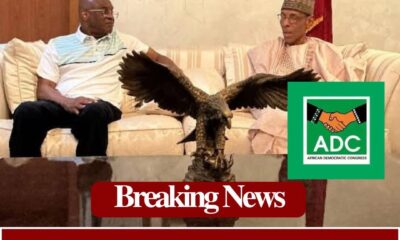



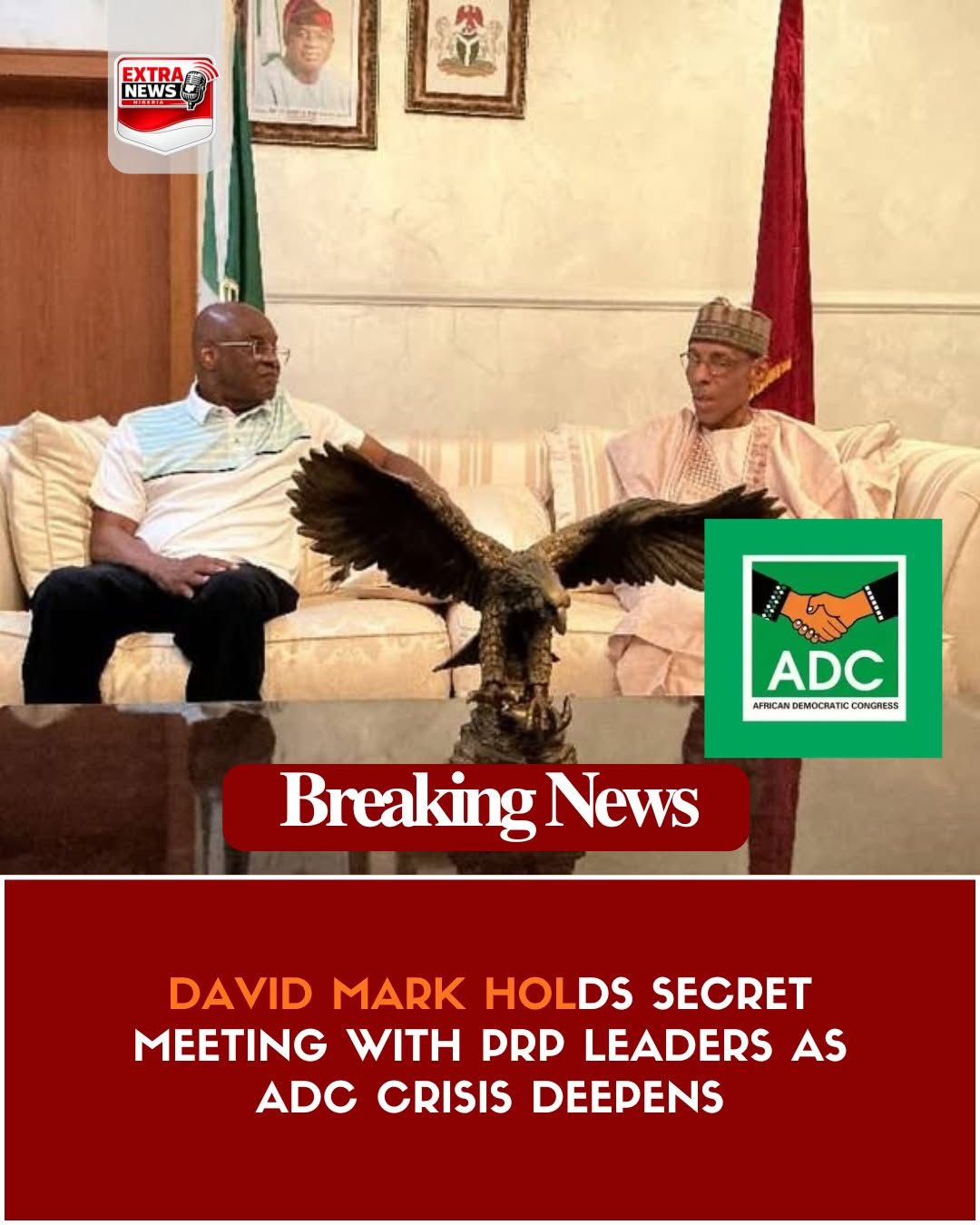
The embattled National Chairman of the African Democratic Congress, David Mark, on Friday held a closed-door meeting with leaders of the Peoples Redemption Party in Abuja. The private consultation is seen as a fresh round of political moves as the ADC continues to battle a lingering leadership crisis and growing internal divisions.
Top figures from both parties were said to be present at the meeting, including PRP National Chairman Hakeem Baba-Ahmed and senior ADC officials. The development is already drawing attention as opposition parties continue realignments ahead of the 2027 political season, with many watching closely for possible alliances and next steps in the party crisis.
Politics
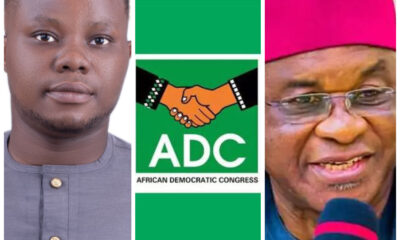
“ADC is a Holy Party, Cannot be used to Scam Nigerians Again” – Hon Success Opara tells David Mark
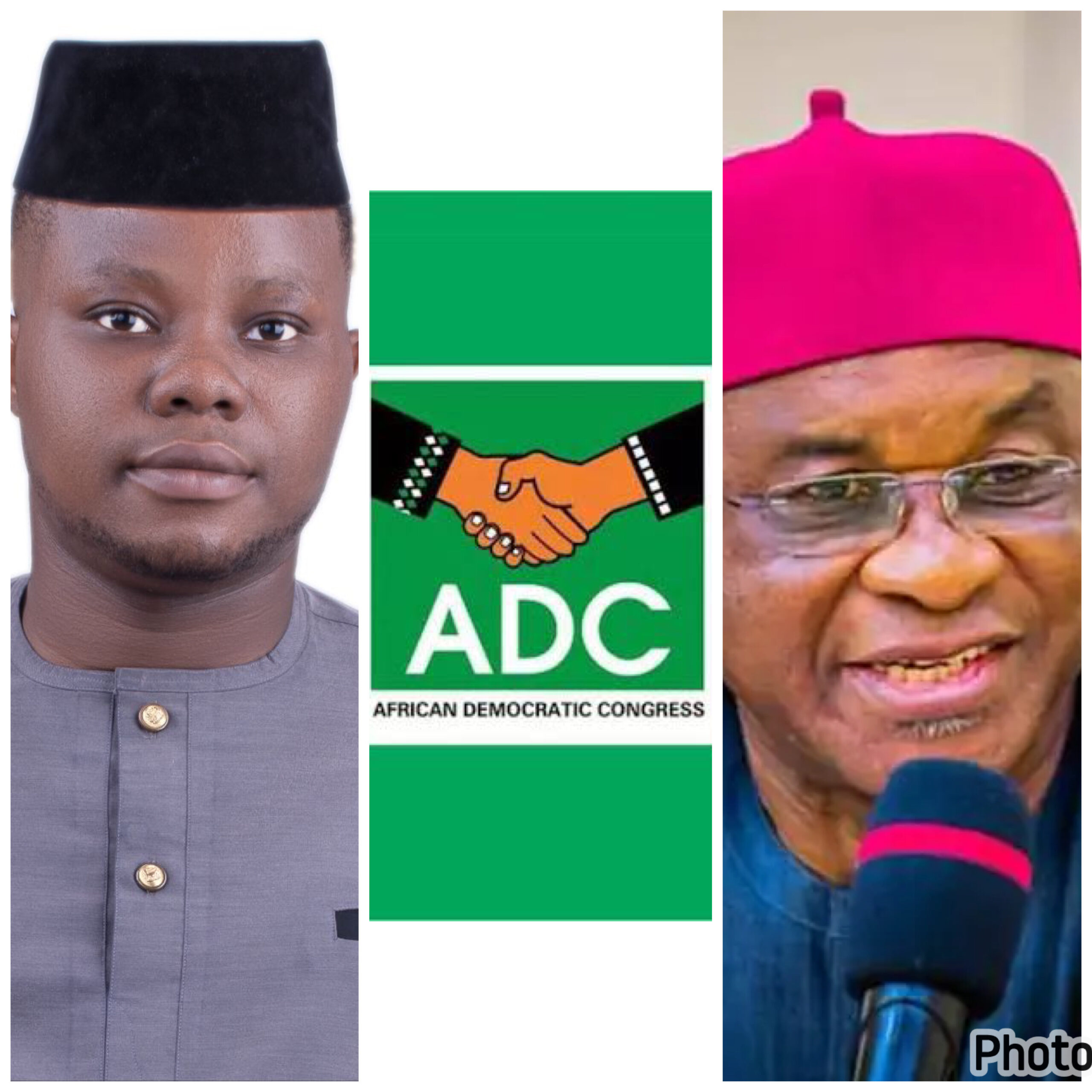
ADC Party in Turmoil: Hon Success Opara Slams Leadership, Warns Against Scamming Nigerians
Abuja, Nigeria – The African Democratic Congress (ADC) is facing internal strife as Hon Success Opara, a prominent party official, has warned against attempts to use the party to deceive Nigerians. Opara specifically criticized the leadership of David Mark, stating that the party cannot be used to scam citizens again.
“ADC holy Party cannot be used to scam Nigerians again,” Opara said, emphasizing that those forming coalitions are hindering the party’s growth and denying youths opportunities to thrive.
“Those who are forming coalition don’t want to give the youths the chance to strive in the party,” she added.
Opara’s statement highlights the deepening divisions within the ADC, with concerns over leadership and the party’s direction.
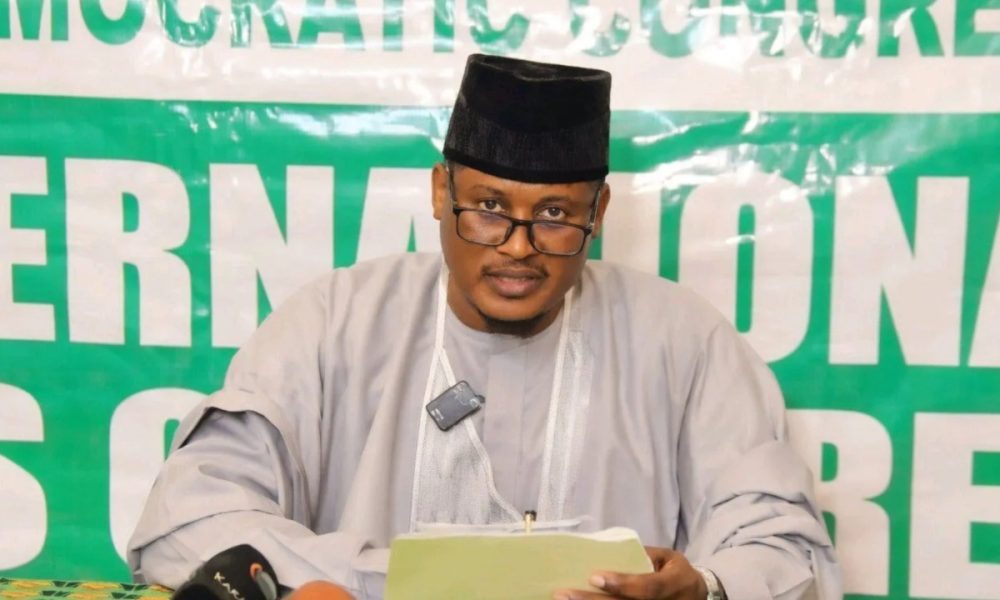
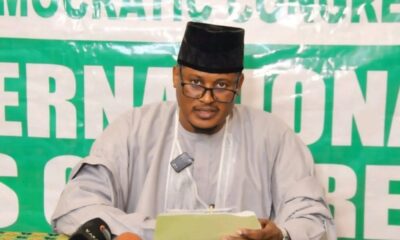
The factional National Chairman of the African Democratic Congress (ADC), Nafiu Bala Gombe, has announced that the party under his leadership will bar individuals above the age of 55 from contesting for political positions.
Gombe made the disclosure during an interview with BBC Hausa, where he outlined a vision centred on generational change and greater youth participation in politics.
“The African Democratic Congress (ADC) is a party that belongs to all Nigerians. What we are doing now is to ensure the party moves forward properly.
“We have decided that we will give the youths a real chance. The time has come for young people to take the lead in politics.
“If you are over 55 years old, you are not going to contest for positions in the ADC under our leadership.
“We want to bring in fresh blood, new ideas, and energy from the youth. Nigeria’s future depends on the young generation.
“The old ways have not worked well for the country. We need to open the door wide for youths to participate fully as candidates, leaders, and decision-makers,” he said.

David Mark Holds Secret Meeting With PRP Leaders as ADC Crisis Deepens

Chaos As Military Officers Exchange Blows During Tinubu’s Visit To Bayelsa (Videos)

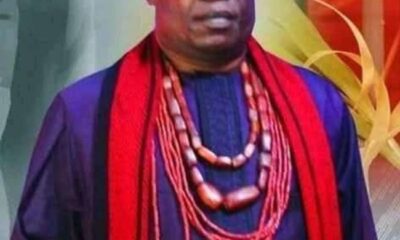
HRH Ekwueme of Ochia Kingdom Iynched & kiIIed in Imo.

-
Business1 year ago
US court acquits Air Peace boss, slams Mayfield $4000 fine
-

 Trending1 year ago
NYA demands release of ‘abducted’ Imo chairman, preaches good governance
-

 Politics1 year ago
Mexico’s new president causes concern just weeks before the US elections
-

 Politics1 year ago
Putin invites 20 world leaders
-

 Politics1 year ago
Russia bans imports of agro-products from Kazakhstan after refusal to join BRICS
-
Entertainment1 year ago
Bobrisky falls ill in police custody, rushed to hospital
-
Entertainment1 year ago
Bobrisky transferred from Immigration to FCID, spends night behind bars
-
Education2 years ago
GOVERNOR FUBARA APPOINTS COUNCIL MEMBERS FOR KEN SARO-WIWA POLYTECHNIC BORI