
Politics
Workers poorer now, despite pay increases — Oshiomhole

Workers poorer now, despite pay increases — Oshiomhole
By Luminous Jannamike
ABUJA—Former governor of Edo State, Comrade Adams Oshiomhole, has criticised wage exploitation in Nigeria, warning that poor compensation negatively affects national security and economic productivity.
Speaking at the Distinguished Personality Lecture organised by the National Institute for Security Studies, NISS, in Abuja yesterday, Oshiomhole highlighted how inadequate wages create a cycle of economic hardship, making workers vulnerable to manipulation and radicalization.
The lecture, titled “National Minimum Wage: Reward System and Productivity in Africa,” was part of the Executive Intelligence Management Course, EIMC 17, aimed at fostering a deeper understanding of the relationship among wages, security and productivity
Oshiomhole argued that fair wages were essential to boost workers’ motivation, efficiency, and overall economic growth.
The former Edo governor, now senator, representing Edo North senatorial district in the National Assembly, said: “Workers face fluctuating salaries and job insecurity, as employers can easily hire and fire employees.
“Despite paying union dues, workers often receive minimal support from trade unions, leading to questioning their effectiveness.
“Historically, the right to organise was suppressed, which limited workers’ ability to negotiate collectively. Industrial sabotage emerged as a form of protest against poor conditions.
“Collective bargaining and the right to strike are essential tools for negotiating fair wages and working conditions. Workers often resort to ‘work to rule’ when rights are restricted.
“Significant disparities exist between minimum and maximum wages across sectors, leading to dissatisfaction among workers. The wealthy often benefit from state protection, while the poor struggle.
“The minimum wage is designed to protect vulnerable workers but is often not enforced. Setting minimum wages too high can risk job losses while setting them too low can lead to exploitation.
“Inflation severely impacts purchasing power, making it difficult for workers to maintain a decent standard of living. Historical comparisons show that many workers are poorer now than in the past, despite nominal wage increases.”
The Director-General of the Department of State Services, DSS, Adeola Ajayi, echoed Oshiomhole’s concerns, noting that better wages reduce workers’ vulnerability to abuse and promote national stability.
In his remarks, Joseph Odama, Commandant of NISS, lauded Oshiomhole’s long-standing commitment to labour advocacy, emphasizing the importance of fair wages in ensuring sustainable development.
He said: “The national minimum wage is a pressing issue in our economic discourse today, affecting millions of Nigerians and influencing both individual lives and national productivity.
“A well-designed reward system can drive worker motivation, improve efficiency, and promote economic growth, while poorly structured policies can demoralize the workforce.
“To aim for a more equitable society, it is essential to understand the complex relationship between wages, rewards, and productivity.”






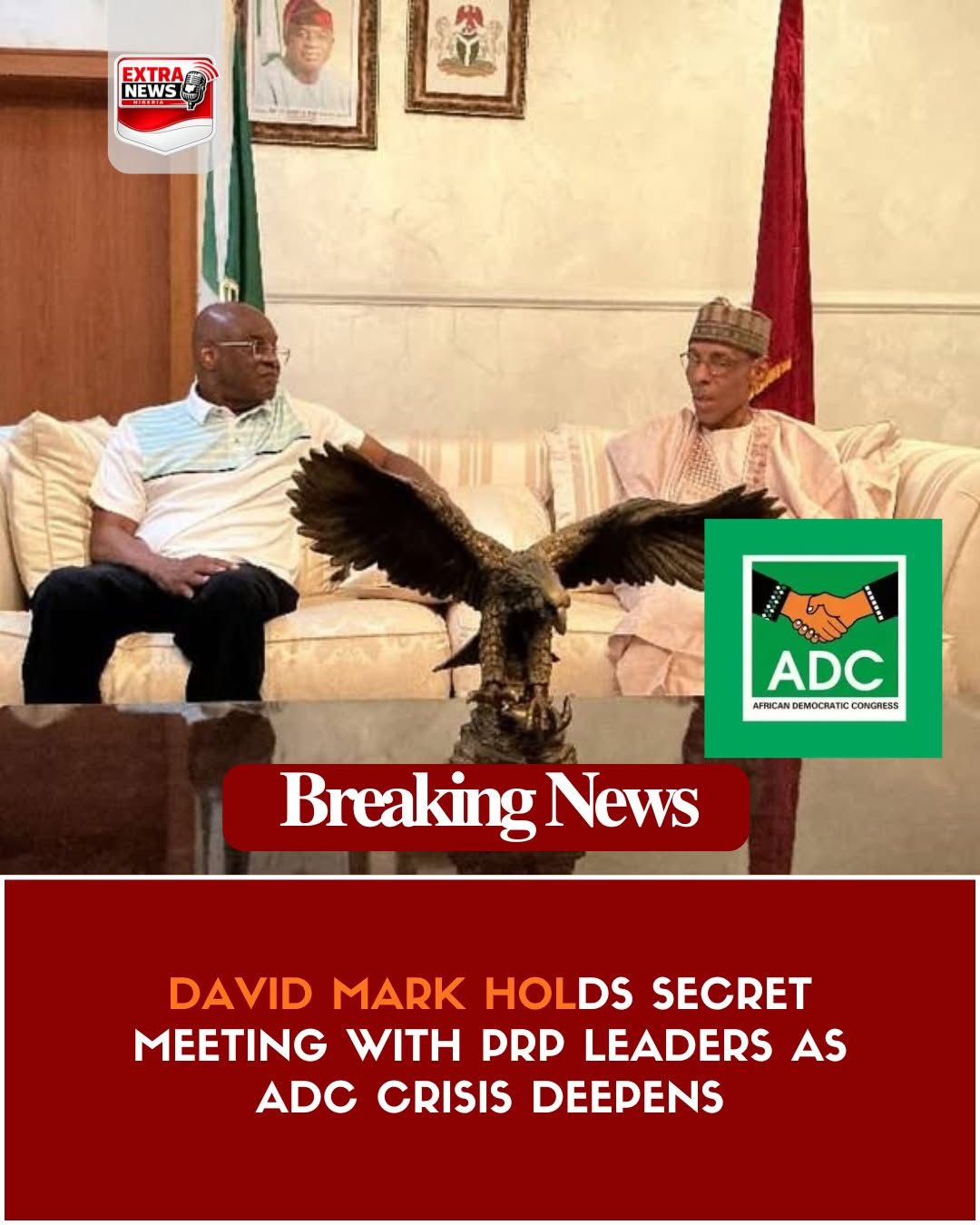
The embattled National Chairman of the African Democratic Congress, David Mark, on Friday held a closed-door meeting with leaders of the Peoples Redemption Party in Abuja. The private consultation is seen as a fresh round of political moves as the ADC continues to battle a lingering leadership crisis and growing internal divisions.
Top figures from both parties were said to be present at the meeting, including PRP National Chairman Hakeem Baba-Ahmed and senior ADC officials. The development is already drawing attention as opposition parties continue realignments ahead of the 2027 political season, with many watching closely for possible alliances and next steps in the party crisis.
Politics
“ADC is a Holy Party, Cannot be used to Scam Nigerians Again” – Hon Success Opara tells David Mark
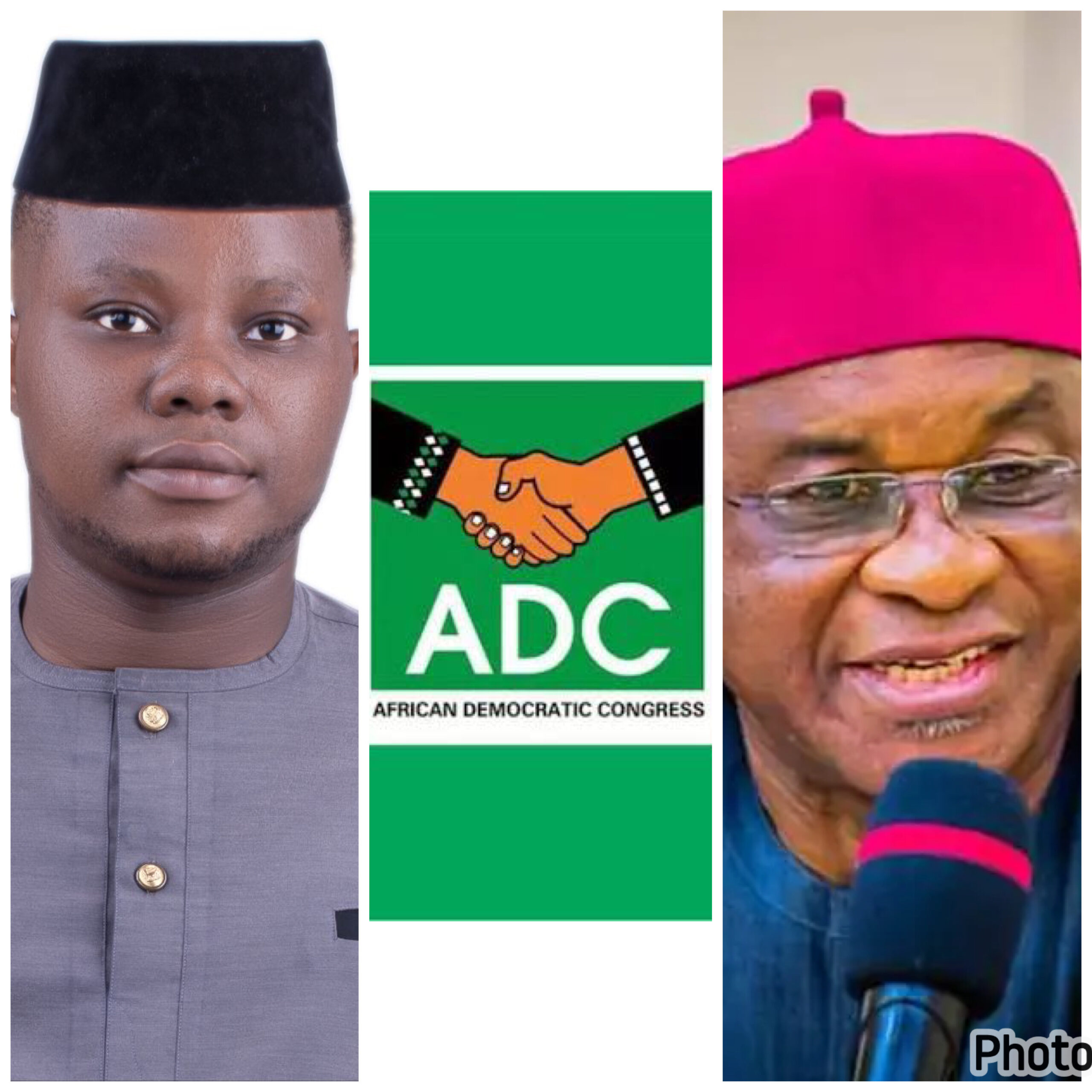
ADC Party in Turmoil: Hon Success Opara Slams Leadership, Warns Against Scamming Nigerians
Abuja, Nigeria – The African Democratic Congress (ADC) is facing internal strife as Hon Success Opara, a prominent party official, has warned against attempts to use the party to deceive Nigerians. Opara specifically criticized the leadership of David Mark, stating that the party cannot be used to scam citizens again.
“ADC holy Party cannot be used to scam Nigerians again,” Opara said, emphasizing that those forming coalitions are hindering the party’s growth and denying youths opportunities to thrive.
“Those who are forming coalition don’t want to give the youths the chance to strive in the party,” she added.
Opara’s statement highlights the deepening divisions within the ADC, with concerns over leadership and the party’s direction.
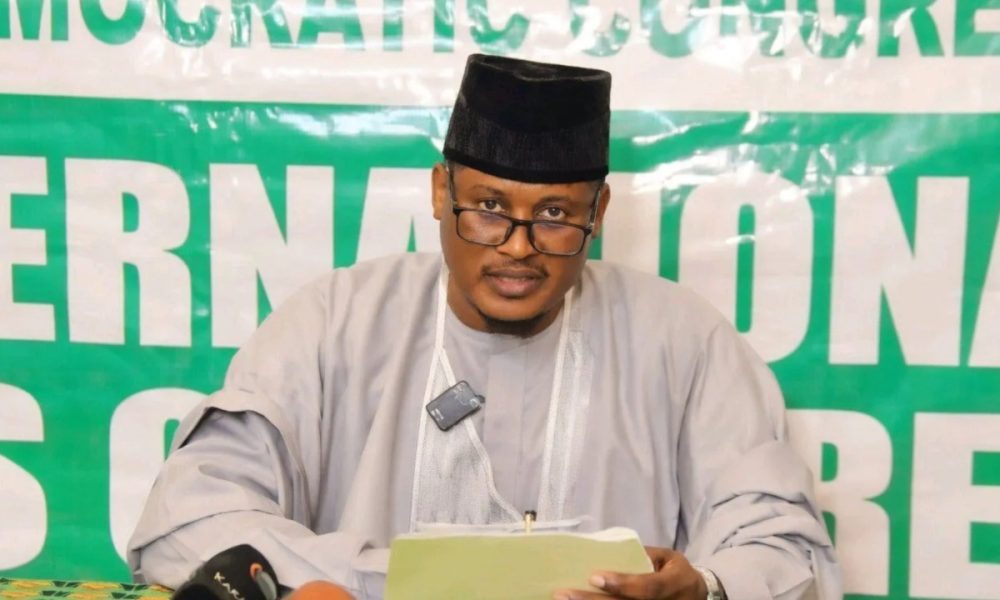
The factional National Chairman of the African Democratic Congress (ADC), Nafiu Bala Gombe, has announced that the party under his leadership will bar individuals above the age of 55 from contesting for political positions.
Gombe made the disclosure during an interview with BBC Hausa, where he outlined a vision centred on generational change and greater youth participation in politics.
“The African Democratic Congress (ADC) is a party that belongs to all Nigerians. What we are doing now is to ensure the party moves forward properly.
“We have decided that we will give the youths a real chance. The time has come for young people to take the lead in politics.
“If you are over 55 years old, you are not going to contest for positions in the ADC under our leadership.
“We want to bring in fresh blood, new ideas, and energy from the youth. Nigeria’s future depends on the young generation.
“The old ways have not worked well for the country. We need to open the door wide for youths to participate fully as candidates, leaders, and decision-makers,” he said.

David Mark Holds Secret Meeting With PRP Leaders as ADC Crisis Deepens

Chaos As Military Officers Exchange Blows During Tinubu’s Visit To Bayelsa (Videos)

HRH Ekwueme of Ochia Kingdom Iynched & kiIIed in Imo.

-
Business1 year ago
US court acquits Air Peace boss, slams Mayfield $4000 fine
-

 Trending1 year ago
NYA demands release of ‘abducted’ Imo chairman, preaches good governance
-

 Politics1 year ago
Mexico’s new president causes concern just weeks before the US elections
-

 Politics1 year ago
Putin invites 20 world leaders
-

 Politics1 year ago
Russia bans imports of agro-products from Kazakhstan after refusal to join BRICS
-
Entertainment1 year ago
Bobrisky falls ill in police custody, rushed to hospital
-
Entertainment1 year ago
Bobrisky transferred from Immigration to FCID, spends night behind bars
-
Education2 years ago
GOVERNOR FUBARA APPOINTS COUNCIL MEMBERS FOR KEN SARO-WIWA POLYTECHNIC BORI