
Politics
Bangladesh to seek extradition of ousted leader Sheikh Hasina from India

Bangladesh will seek the extradition of the former prime minister Sheikh Hasina to face trial on charges including crimes against humanity, the country’s interim leader, Muhammad Yunus, has said in a speech.
Hasina, whose autocratic regime governed Bangladesh for 15 years, was toppled in a student-led revolution in August. Since then she has been living in exile in India after fleeing the country in a helicopter as thousands of protesters overran the presidential palace.
Following her escape, Bangladesh has been run by an interim government under Yunus, an economist and Nobel laureate who agreed to return to the country as a “chief adviser” to help restore democracy and reform Bangladesh.
In an address over the weekend, Yunus confirmed his government intended to bring Hasina back to the country to face a mounting number of charges, including corruption, murder and crimes against humanity.
Referring to Hasina, Yunus said: “We will seek the extradition of the ousted autocrat from India.”
Earlier this month, prosecutors issued an arrest warrant for Hasina and confirmed they intended to put out an Interpol red notice for the former prime minister and her allies, many of whom fled abroad as protests broke out over the summer. Others who remained in the country or were stopped from leaving have been arrested.
“We have already taken initiatives to try those responsible for enforced disappearances, murders and the mass killings during the July-to-August uprising,” said Yunus in his address, which marked 100 days since the interim government took power.
The decision to make an official extradition request for Hasina could cause diplomatic tensionswith neighbouring India. During her time in office, Hasina was seen to be very close to the Indian government and the country’s decision to offer her a safe haven has been a source of anger among many in Bangladesh. Hasina has been accused of using her position in India to attempt to undermine the actions of Yunus and the interim government.
The first hearings of a special tribunal looking into alleged crimes committed by the Hasina regime will begin this week. As well as human rights abuses, business people and allies close to Hasina are accused of rampant corruption and embezzling millions of dollars out of the country. Prosecutors have sought help from financial agencies in the UK, US and Singapore in an attempt to track down the allegedly stolen money.
On Monday, about 14 people, including a former law minister and a businessman who was Hasina’s private sector adviser, were to appear before the court. A further six people are due to appear on Wednesday.
According to Yunus, more than 3,500 people may have been forcibly disappeared during Hasina’s rule, when it became commonplace for her critics or opponents to be picked up by the security agencies and tortured in undisclosed detention centres. Many of the victims were never seen again after being abducted.
Yunus said the number killed during the uprising that eventually ousted Hasina could exceed 1,500. In an attempt to bring the protests under control, Hasina’s government had given police orders to shoot protesters on sight. Officers were documented using metal pellets, rubber bullets and live ammunition against civilians.
Yunus said: “Every day, new names are being added to the list of martyrs. We will prosecute all the crimes committed over the past 15 years.”
In his speech, he also requested for people to be patient when it came to the reforms that his interim government has been tasked with implementing, including ensuring an independent judiciary and ensuring transparency and accountability to prevent autocratic leaders gaining power in the future.
Yunus reaffirmed that he intended to remain in post only to oversee the reforms, after which there would be an election and a handover of power to an elected government. Nonetheless, the timeline for the vote remains unclear and there has been rising agitation on the streets.
He said: “I promise that we will hold the much-anticipated election once the necessary and essential reforms are complete. I request your patience until then. We aim to build an electoral system that will endure for decades. For this, we need some time.”



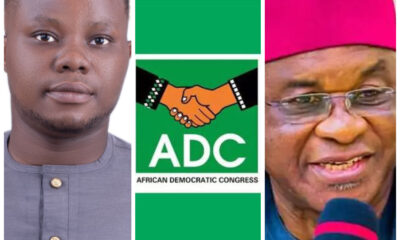

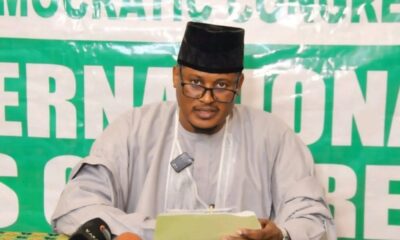

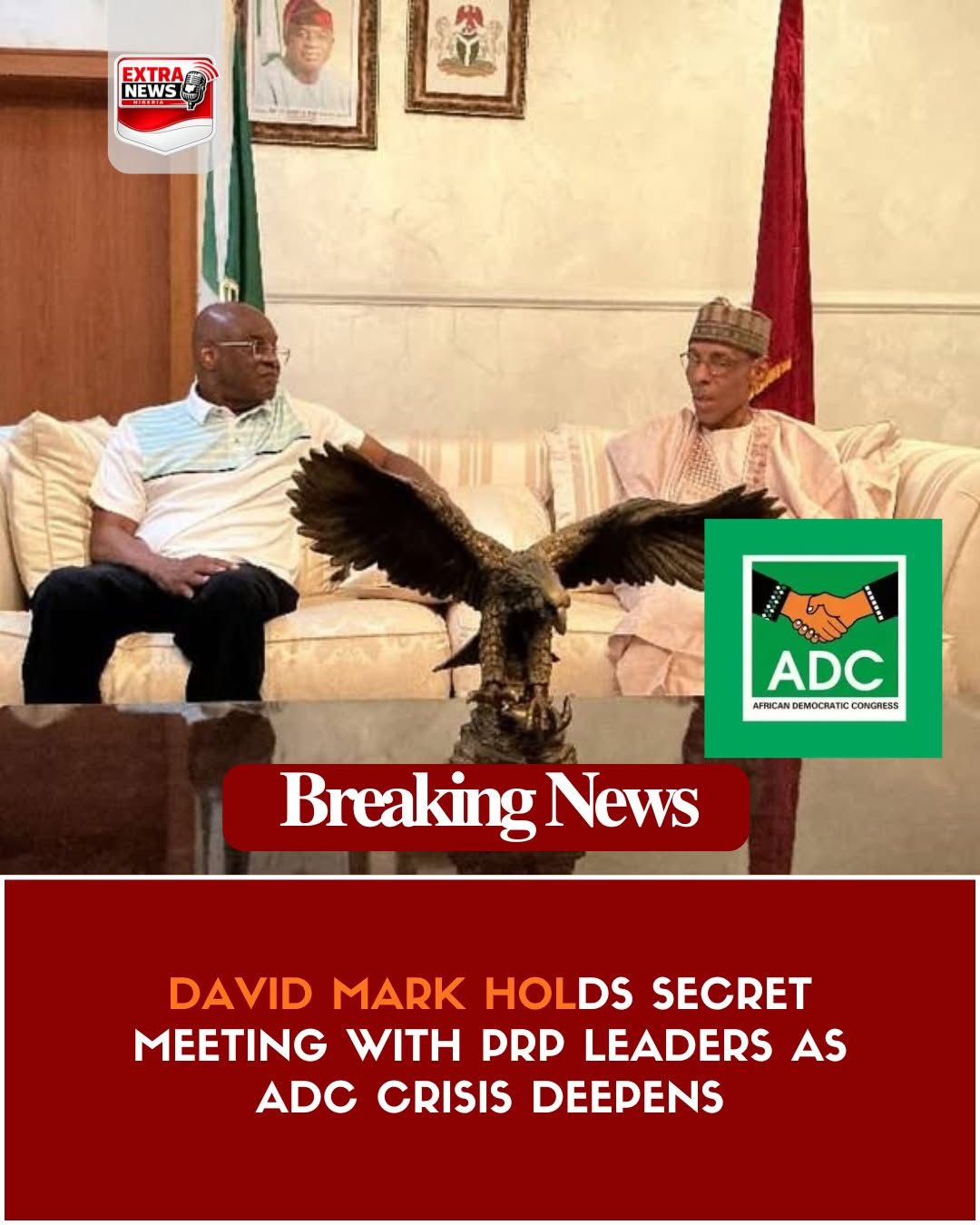
The embattled National Chairman of the African Democratic Congress, David Mark, on Friday held a closed-door meeting with leaders of the Peoples Redemption Party in Abuja. The private consultation is seen as a fresh round of political moves as the ADC continues to battle a lingering leadership crisis and growing internal divisions.
Top figures from both parties were said to be present at the meeting, including PRP National Chairman Hakeem Baba-Ahmed and senior ADC officials. The development is already drawing attention as opposition parties continue realignments ahead of the 2027 political season, with many watching closely for possible alliances and next steps in the party crisis.
Politics
“ADC is a Holy Party, Cannot be used to Scam Nigerians Again” – Hon Success Opara tells David Mark
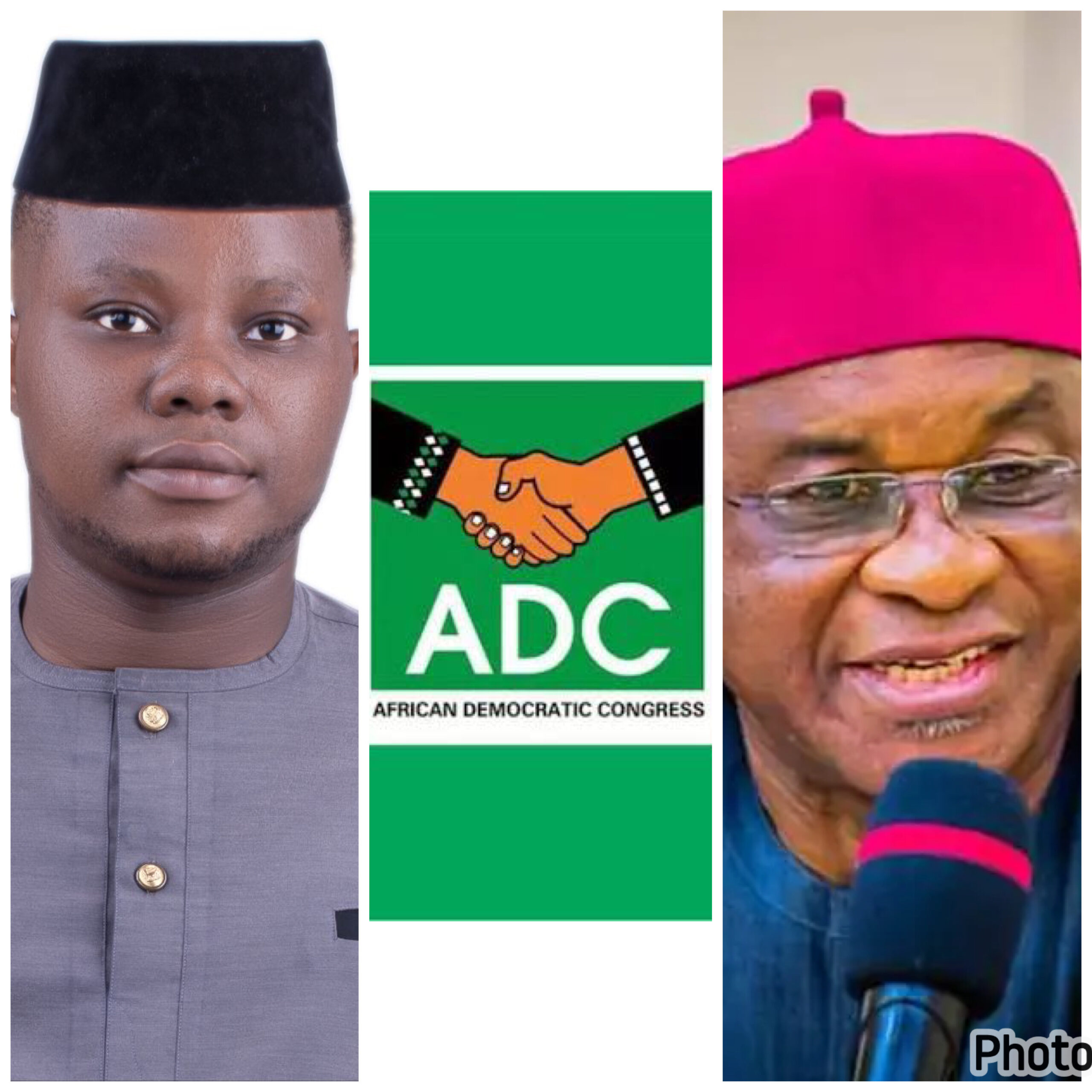
ADC Party in Turmoil: Hon Success Opara Slams Leadership, Warns Against Scamming Nigerians
Abuja, Nigeria – The African Democratic Congress (ADC) is facing internal strife as Hon Success Opara, a prominent party official, has warned against attempts to use the party to deceive Nigerians. Opara specifically criticized the leadership of David Mark, stating that the party cannot be used to scam citizens again.
“ADC holy Party cannot be used to scam Nigerians again,” Opara said, emphasizing that those forming coalitions are hindering the party’s growth and denying youths opportunities to thrive.
“Those who are forming coalition don’t want to give the youths the chance to strive in the party,” she added.
Opara’s statement highlights the deepening divisions within the ADC, with concerns over leadership and the party’s direction.
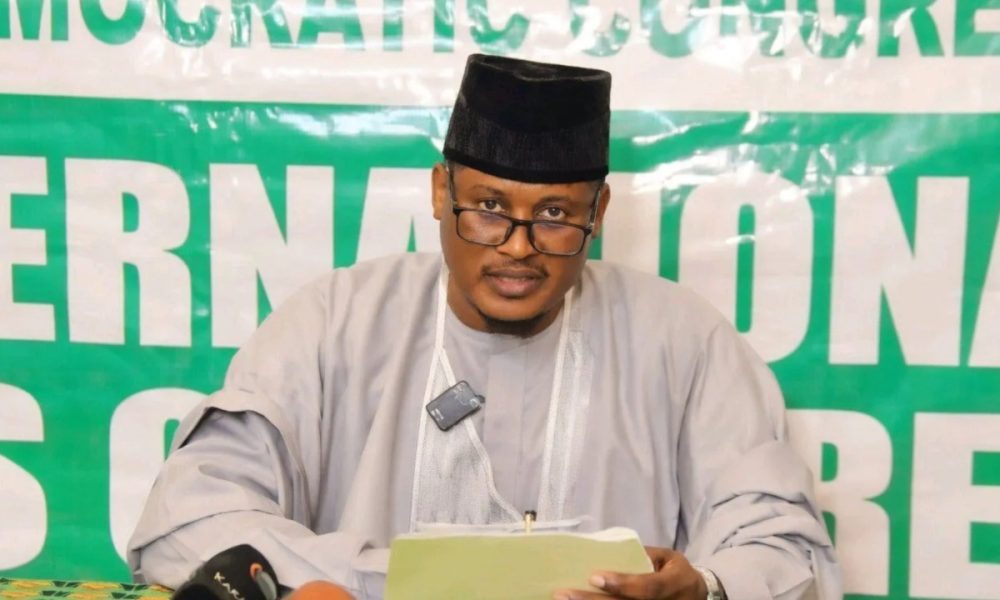
The factional National Chairman of the African Democratic Congress (ADC), Nafiu Bala Gombe, has announced that the party under his leadership will bar individuals above the age of 55 from contesting for political positions.
Gombe made the disclosure during an interview with BBC Hausa, where he outlined a vision centred on generational change and greater youth participation in politics.
“The African Democratic Congress (ADC) is a party that belongs to all Nigerians. What we are doing now is to ensure the party moves forward properly.
“We have decided that we will give the youths a real chance. The time has come for young people to take the lead in politics.
“If you are over 55 years old, you are not going to contest for positions in the ADC under our leadership.
“We want to bring in fresh blood, new ideas, and energy from the youth. Nigeria’s future depends on the young generation.
“The old ways have not worked well for the country. We need to open the door wide for youths to participate fully as candidates, leaders, and decision-makers,” he said.

David Mark Holds Secret Meeting With PRP Leaders as ADC Crisis Deepens

Chaos As Military Officers Exchange Blows During Tinubu’s Visit To Bayelsa (Videos)

HRH Ekwueme of Ochia Kingdom Iynched & kiIIed in Imo.

-
Business1 year ago
US court acquits Air Peace boss, slams Mayfield $4000 fine
-

 Trending1 year ago
NYA demands release of ‘abducted’ Imo chairman, preaches good governance
-

 Politics1 year ago
Mexico’s new president causes concern just weeks before the US elections
-

 Politics1 year ago
Putin invites 20 world leaders
-

 Politics1 year ago
Russia bans imports of agro-products from Kazakhstan after refusal to join BRICS
-
Entertainment1 year ago
Bobrisky falls ill in police custody, rushed to hospital
-
Entertainment1 year ago
Bobrisky transferred from Immigration to FCID, spends night behind bars
-
Education2 years ago
GOVERNOR FUBARA APPOINTS COUNCIL MEMBERS FOR KEN SARO-WIWA POLYTECHNIC BORI