
Politics
Nigeria, Germany to deepen ties as Tinubu hosts Steinmeier

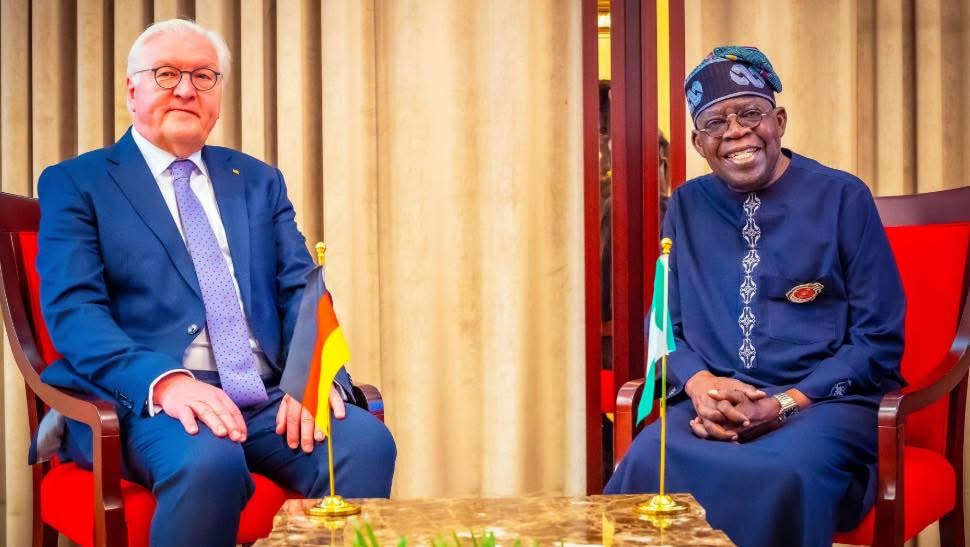
President Frank-Walter Steinmeier of Germany & President Bola Tinubu of Nigeria
President Bola Tinubu, on Wednesday, assured German businesses of Nigeria’s readiness to fully implement existing pacts to ease investment in renewable energy, youth skill development and industrial growth.
Speaking during the visit of German President, Frank-Walter Steinmeier, Tinubu highlighted ongoing reforms aimed at fostering a business-friendly environment and attracting foreign investment.
These include import duty waivers for machinery, decentralisation of power generation and active foreign exchange reforms.
“We have an open-door policy: ease of entry, ease of exit,” Tinubu said during the press conference that followed closed-door talks, emphasising the removal of bureaucratic bottlenecks in establishing businesses.
0:00 / 0:00
0:00 / 0:00
He explained, “We have an open-door policy. What do I mean by that? There is no longer bureaucracy in establishing your business. We have tax reforms that are private-sector friendly.
“We have import duty waivers for machinery. We have so many other incentives that we will help establish private businesses. That I can assure you. We are removing the bureaucracy.
“We have a reform in the foreign exchange market, and it’s very active. We’ve aligned our petroleum industry with the world standard practice of production and consumption.”
Both Presidents also discussed ways to improve the people-to-people relationships between both countries.
Tinubu revealed, “It was a very good bilateral discussion. I could see from the previous meeting earlier today that our businessmen and policymakers are very anxious to do business with Germany.
“Mine is to continue to assure you that our business doors are open and reforms are working very well.
“We plan to strengthen the relationship and build a fulfilling and rewarding partnership between the two countries, people-to-people relationships, and government-to-government facilitation of opportunities and prosperity.”
He noted Nigeria’s potential as a major gas producer and its abundant renewable energy resources, such as solar power, which can be harnessed through German technology for rural electrification.
“While we are equally promoting the possibility of alternative energy sources, we pride ourselves on being one of the largest gas producers.
“What we need to do has been discussed, and we need to strengthen the partnership for the utilisation of energy as a source of supply and promotion of additional incremental value in business opportunities for Nigeria and Germany. We’ve discussed that,” said Tinubu.
In electricity, the Nigerian leader warned that though Siemens Energy is “working very hard” to fulfil its part of the partnership, Nigerians should not expect a “magical response” as the existing power infrastructure is decades old.
Tinubu said, “Nigeria, being a nation in a hurry, wants a magical response. But don’t forget, those transmission lines are about 50 to 60 years old.
“The snags are what we are trying to improve and reduce the possibility of problems. We are doing that. I’ve signed a reform that decentralised the power distribution and generation in the country. The states and various subsectors and subnational can generate their power and distribute it; they are working on it all.
“We have German businesses who are promoting alternative sources of energy, and they are here. We have the sun; they have the technology. I think we can utilise that for rural electrification; as mentioned earlier on, we can use the various dams that are not effective. We assure you that we will put these dams to use for the benefit of our people.”
His comment comes just as the national grid collapsed on Wednesday, the 12 time in 2024.
The President also underscored the importance of youth training, solid minerals, and industrial partnerships in advancing Nigeria’s development agenda.
“We have a brilliant youth population that is energetic and ready to learn. We have a population that is market-friendly. We have an industrial plan that is anxious to establish assembly plants.
“We equally have solid minerals and the best proportion we can harness to attract German businesses and partners for progress.
“We can tap all the opportunities for effective legal migration. Germany has been noted for the training of our youth population. We need additional strengthening of youth and skill development programmes that will help energise our populations. And we discussed that extensively, too,” said Tinubu.
For his part, the Steinmeier said that while Nigeria remains Germany’s second-largest trading partner in sub-Sahara Africa, both countries can deepen ties.
“German businesses are seeing this as an improvement in investment relations, and it is perceived as such, and this is why we’re happy that Nigeria is Germany’s second-largest trading partner in sub-Sahara Africa.
“But there is great potential, even greater potential. So, I’m happy and grateful that we took much time to engage with one another.
“We promised each other that we both, with our opportunities and the governments on both sides, will do everything in our power to promote political and cultural ties and also promote and intensify People-to-People contacts in our meeting with you and the Cabinet,” said the German leader.
He expressed appreciation for the strong ties between Germany and Nigeria, emphasising the importance of Nigerians who study in Germany and return to their home country.
These individuals, he noted, carry with them a wealth of knowledge about Germany, becoming vital intermediaries for German companies and cultural institutions operating in Nigeria.
Steinmeier also highlighted the mutual interest in fostering a generation of bridge-builders and encouraged Nigerian youth to explore opportunities in Germany.
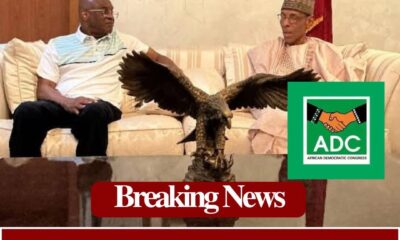



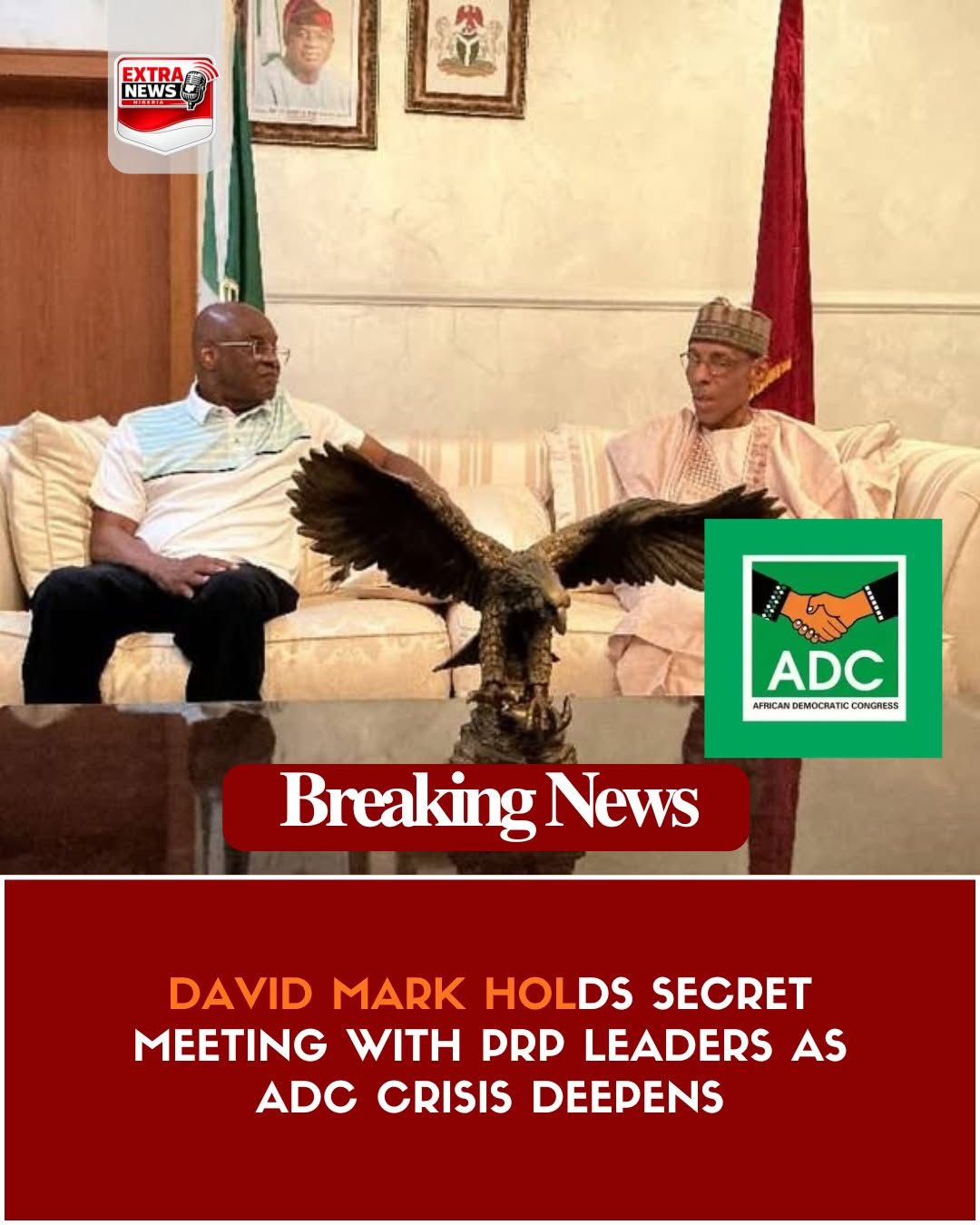
The embattled National Chairman of the African Democratic Congress, David Mark, on Friday held a closed-door meeting with leaders of the Peoples Redemption Party in Abuja. The private consultation is seen as a fresh round of political moves as the ADC continues to battle a lingering leadership crisis and growing internal divisions.
Top figures from both parties were said to be present at the meeting, including PRP National Chairman Hakeem Baba-Ahmed and senior ADC officials. The development is already drawing attention as opposition parties continue realignments ahead of the 2027 political season, with many watching closely for possible alliances and next steps in the party crisis.
Politics
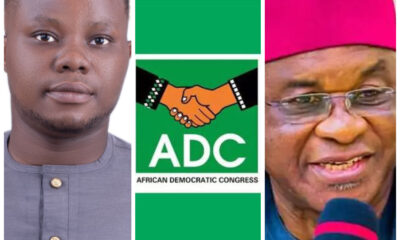
“ADC is a Holy Party, Cannot be used to Scam Nigerians Again” – Hon Success Opara tells David Mark
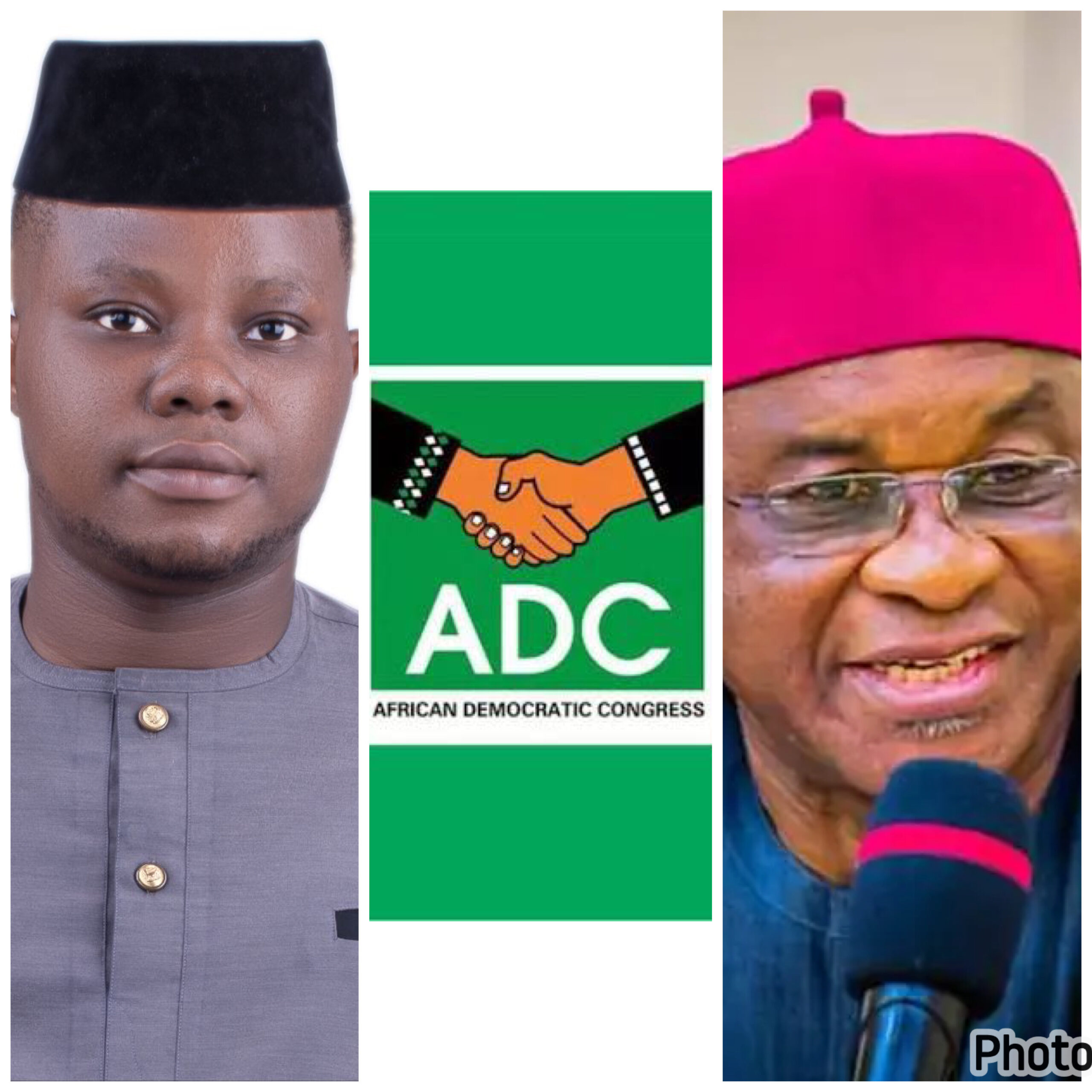
ADC Party in Turmoil: Hon Success Opara Slams Leadership, Warns Against Scamming Nigerians
Abuja, Nigeria – The African Democratic Congress (ADC) is facing internal strife as Hon Success Opara, a prominent party official, has warned against attempts to use the party to deceive Nigerians. Opara specifically criticized the leadership of David Mark, stating that the party cannot be used to scam citizens again.
“ADC holy Party cannot be used to scam Nigerians again,” Opara said, emphasizing that those forming coalitions are hindering the party’s growth and denying youths opportunities to thrive.
“Those who are forming coalition don’t want to give the youths the chance to strive in the party,” she added.
Opara’s statement highlights the deepening divisions within the ADC, with concerns over leadership and the party’s direction.
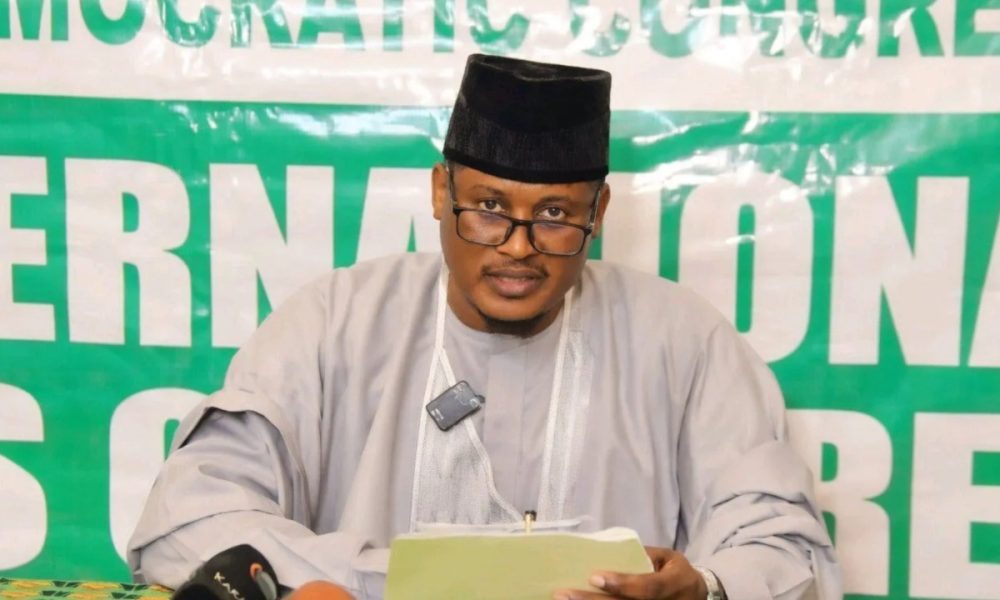
The factional National Chairman of the African Democratic Congress (ADC), Nafiu Bala Gombe, has announced that the party under his leadership will bar individuals above the age of 55 from contesting for political positions.
Gombe made the disclosure during an interview with BBC Hausa, where he outlined a vision centred on generational change and greater youth participation in politics.
“The African Democratic Congress (ADC) is a party that belongs to all Nigerians. What we are doing now is to ensure the party moves forward properly.
“We have decided that we will give the youths a real chance. The time has come for young people to take the lead in politics.
“If you are over 55 years old, you are not going to contest for positions in the ADC under our leadership.
“We want to bring in fresh blood, new ideas, and energy from the youth. Nigeria’s future depends on the young generation.
“The old ways have not worked well for the country. We need to open the door wide for youths to participate fully as candidates, leaders, and decision-makers,” he said.

David Mark Holds Secret Meeting With PRP Leaders as ADC Crisis Deepens

Chaos As Military Officers Exchange Blows During Tinubu’s Visit To Bayelsa (Videos)

HRH Ekwueme of Ochia Kingdom Iynched & kiIIed in Imo.

-
Business1 year ago
US court acquits Air Peace boss, slams Mayfield $4000 fine
-

 Trending1 year ago
NYA demands release of ‘abducted’ Imo chairman, preaches good governance
-

 Politics1 year ago
Mexico’s new president causes concern just weeks before the US elections
-

 Politics1 year ago
Putin invites 20 world leaders
-

 Politics1 year ago
Russia bans imports of agro-products from Kazakhstan after refusal to join BRICS
-
Entertainment1 year ago
Bobrisky falls ill in police custody, rushed to hospital
-
Entertainment1 year ago
Bobrisky transferred from Immigration to FCID, spends night behind bars
-
Education2 years ago
GOVERNOR FUBARA APPOINTS COUNCIL MEMBERS FOR KEN SARO-WIWA POLYTECHNIC BORI