
Politics
Panel indicts ex-Gov Obaseki, LG chairmen, PDP leaders for alleged mismanage of N96bn Council fund

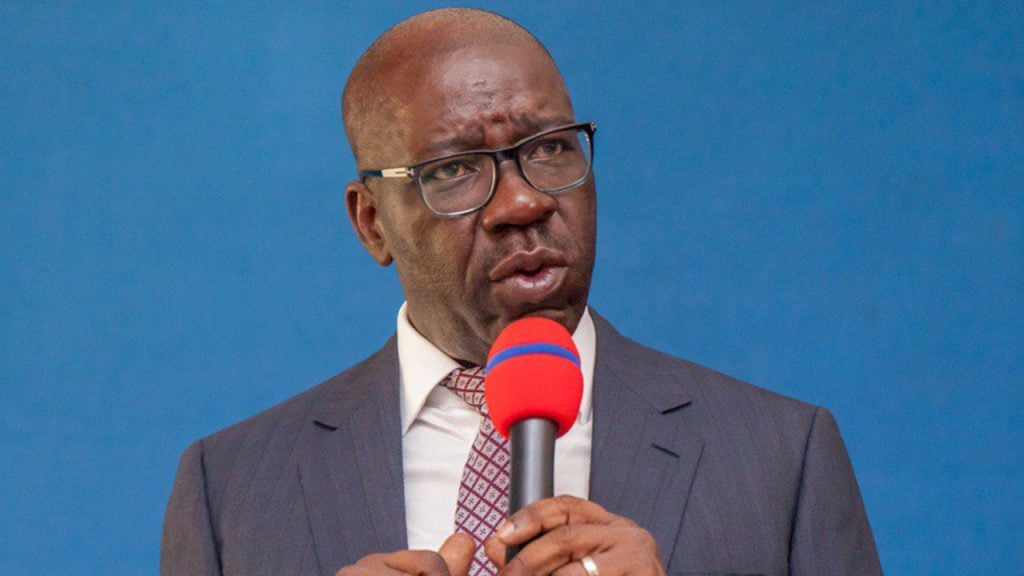
The administrative panel of inquiry set up by the Edo State Governor, Monday Okpebholo to investigate the financial accounts of the impeached 18 Local Government Chairmen in the state between September 4, 2023 and November, 2024 has allegedly indicted the immediate past Governor of the State, Godwin Obaseki.
Ekwutosblog reports that a statement made available to newsmen on Sunday by Fred Itua, the Chief Press Secretary to the Governor also allegedly indicted some local government chairmen, leaders of the Peoples Democratic Party, PDP, among others.
The chairman of the panel, Solomon Imohiosen while submitting the report to Governor Monday Okpebholo, alleged that they were indicted for either mismanaging and/or diverting to private accounts, the sum of N95,080,676,687.86, being amount received from the Joint Allocation Account Committee, JAAC, by the 18 Local Government Area Chairmen for the period under review.
Imohiosen listed some of the indicted persons to include the embattled chairman of Orhionmwon Local Government, Newman Ugiagbe who is also the State chairman of the Association of Local Government of Nigeria, ALGON.
Others are Ahonsi Ogiegbaen Osifo, Eric Agbonmwanre, Abraham Burma and Dickson Imasogie Notiemwenmwan.
He alleged that the ALGON chairman used his hotel, the Demarriots Hotels Limited in collusion with others to loot Local Government funds.
He further alleged that findings and forensic investigations uncovered that the N96 billion was either mismanaged and/or diverted to private accounts.
According to him, the panel observed that N95,080,676,687.86 was received from the Joint Allocation Account Committee, JAAC, by the 18 Local Government Area Chairmen for the period under investigation. However, the funds were not judiciously utilized as no meaningful projects were on the ground to justify the amount received.
“The panel established a case of fraudulent diversion of Local Government funds to political godfathers in the state. It was discovered that over N10,433 658,452.00 billion was fraudulently siphoned, using the pseudo name, “Security, Environment and Training”.
“The 18 Local Government Area Chairmen contributed the amount to the account, using it as a conduit pipe to drain government resources, as monies were transferred from there to various individuals and companies.
“The panel’s investigation uncovered significant irregularities in the financial activities of the 18 Local Governments Councils. The recommendations outlined in the report aim to address these issues and promote transparency and accountability in the Local Governments finances.
“The report indicted former ALGON chairman, Oghomwen Newman Ugiagbe, who used his hotel, Demarriots Hotels Limited, Ahonsi Ogiegbaen Osifo, Eric Agbonmwanre, Abraham Burma and Dickson Imasogie Notiemwenmwan to loot Local Government funds”, he alleged.
Imohiosen, however, noted that the panel faced different challenges during the course of the assignment, which included late submission of financial records by various Local Government Councils, incomplete submission of records.
Other challenges, he listed are deliberate obstruction of the investigation by Council personnel who failed to comply on time, but brought hefty sacks as an after-thought to dazzle panel members.
In his remarks after receiving the committee’s report, Governor Okpebholo vowed that the Economic and Financial Crimes Commission, EFCC, would prosecute those indicted for allegedly looting the Local Government treasuries, running into over N95 billion.
Okpebholo, who said, he would personally petition the EFCC on the findings of the report for immediate prosecution, assured that he would go after those indicted to retrieve what they have stolen from the people of Edo State.
“I want to thank you for a job well done. I carefully listened to the submission of the report. The truth is that the administration of former governor Godwin Obaseki took Edo people for granted. They took everything belonging to Edo people and channeled it for their personal gains.
“We thank God for helping us to change the narrative to benefit Edo people. We also thank the President of Nigeria, Bola Ahmed Tinubu, because without his support, we will not be witnessing the kind of development we are experiencing in Edo today.
“A lot has happened. The Peoples Democratic Party looted the treasury of the Local Governments and stole our collective patrimony, and nobody went after them or took action. This time, things are different. We will go after them and retrieve what they have stolen from Edo people.
“They will be made to pay for it. I will personally take this document to the EFCC and ensure that justice is done for this wrong done to Edo people.
“Besides the impeached Local Government Chairmen who were indicted by the report, former governor Godwin Obaseki, leaders of the factional Peoples Democratic Party (PDP), among others, were also fingered.
“The days of financial recklessness and lack of transparency in public office were long over, as “Nigerians need to start demanding accountability from elected public office holders. This is the only way to fight corruption and ensure development”, he said.
DAILY POST recalls that Governor Okpebholo had on December 18, 2024 set up the Administrative Panel of Enquiry to investigate the financial dealings of the impeached 18 Local Government Chairmen in Edo State.



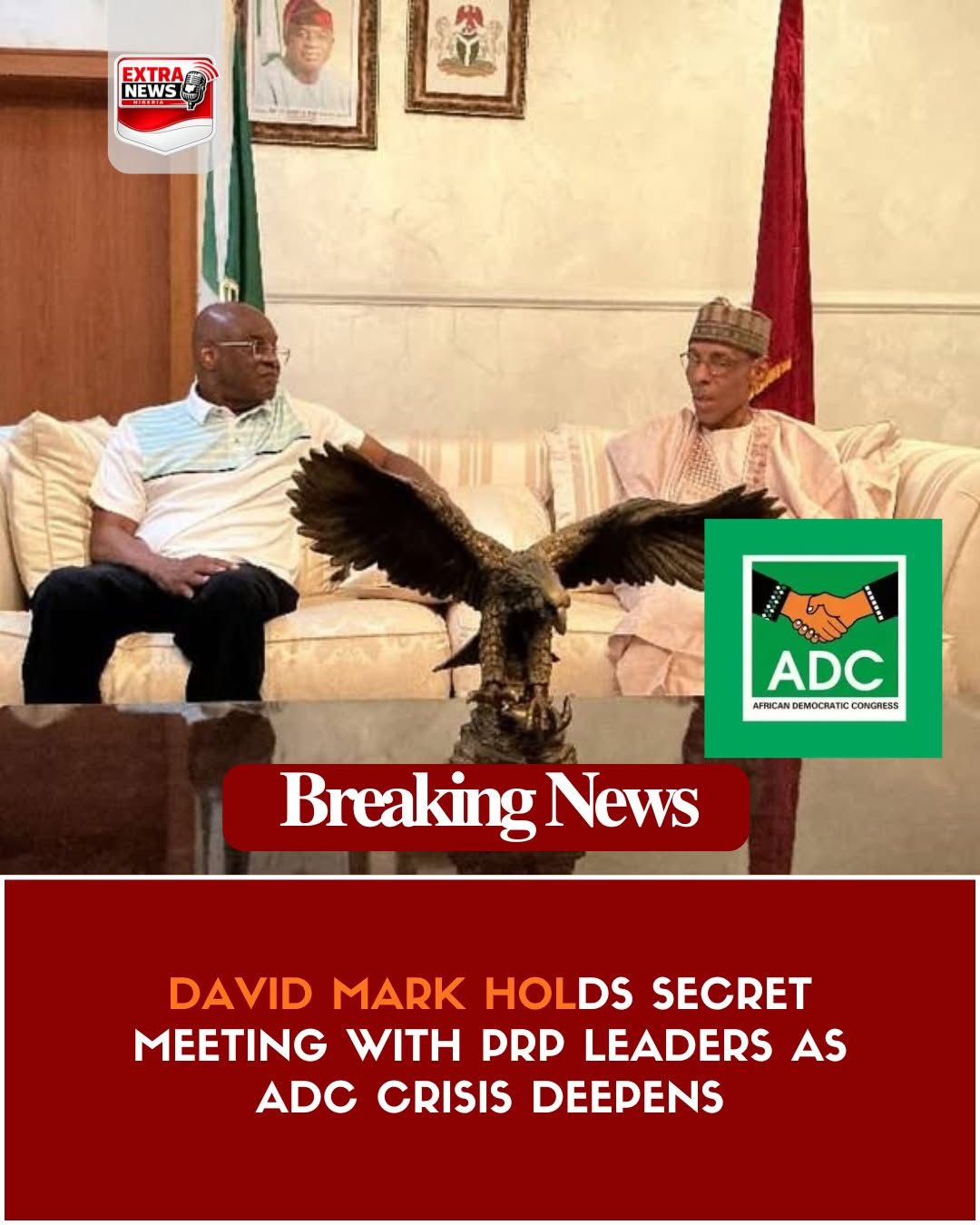
The embattled National Chairman of the African Democratic Congress, David Mark, on Friday held a closed-door meeting with leaders of the Peoples Redemption Party in Abuja. The private consultation is seen as a fresh round of political moves as the ADC continues to battle a lingering leadership crisis and growing internal divisions.
Top figures from both parties were said to be present at the meeting, including PRP National Chairman Hakeem Baba-Ahmed and senior ADC officials. The development is already drawing attention as opposition parties continue realignments ahead of the 2027 political season, with many watching closely for possible alliances and next steps in the party crisis.
Politics
“ADC is a Holy Party, Cannot be used to Scam Nigerians Again” – Hon Success Opara tells David Mark
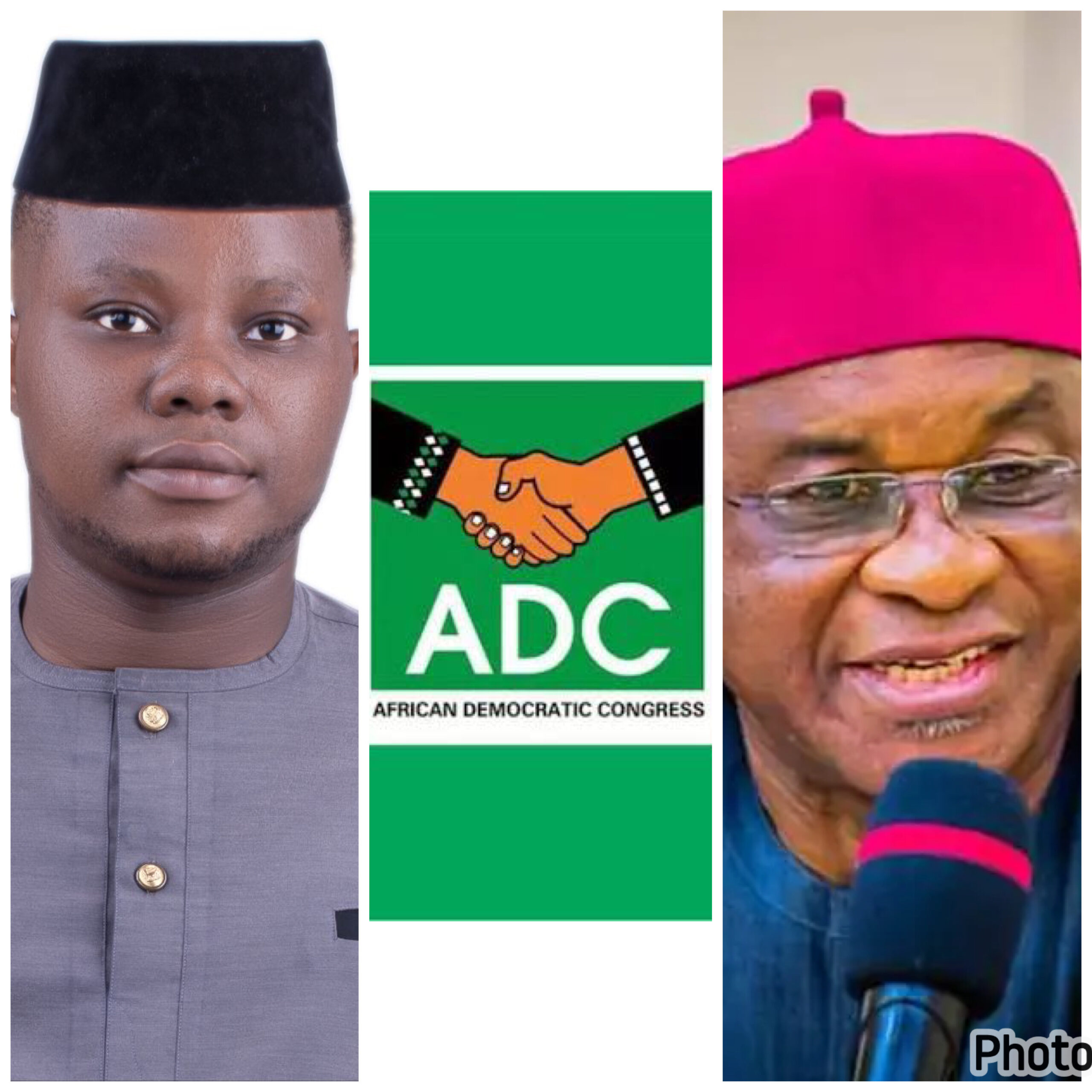
ADC Party in Turmoil: Hon Success Opara Slams Leadership, Warns Against Scamming Nigerians
Abuja, Nigeria – The African Democratic Congress (ADC) is facing internal strife as Hon Success Opara, a prominent party official, has warned against attempts to use the party to deceive Nigerians. Opara specifically criticized the leadership of David Mark, stating that the party cannot be used to scam citizens again.
“ADC holy Party cannot be used to scam Nigerians again,” Opara said, emphasizing that those forming coalitions are hindering the party’s growth and denying youths opportunities to thrive.
“Those who are forming coalition don’t want to give the youths the chance to strive in the party,” she added.
Opara’s statement highlights the deepening divisions within the ADC, with concerns over leadership and the party’s direction.
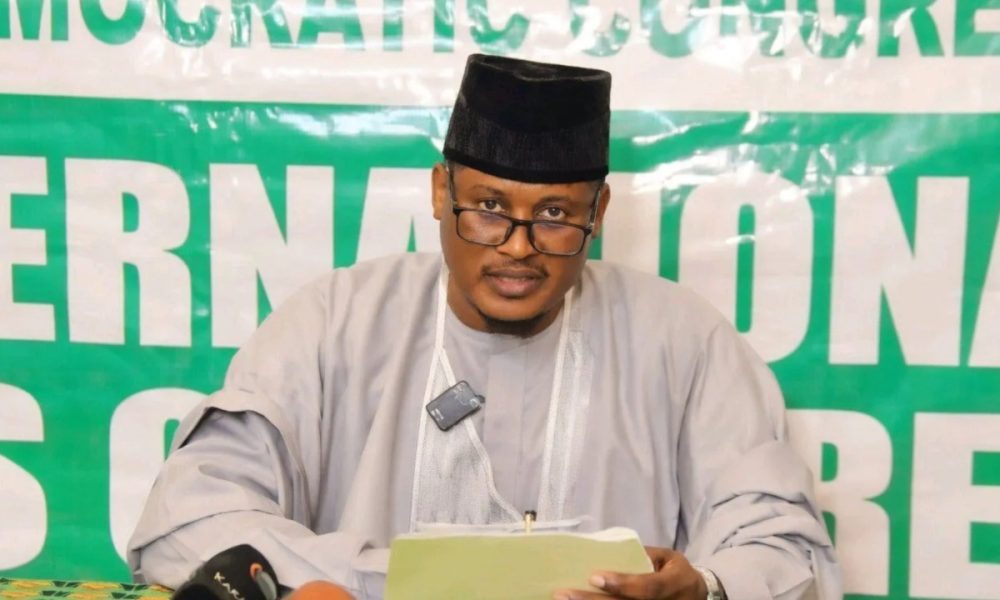
The factional National Chairman of the African Democratic Congress (ADC), Nafiu Bala Gombe, has announced that the party under his leadership will bar individuals above the age of 55 from contesting for political positions.
Gombe made the disclosure during an interview with BBC Hausa, where he outlined a vision centred on generational change and greater youth participation in politics.
“The African Democratic Congress (ADC) is a party that belongs to all Nigerians. What we are doing now is to ensure the party moves forward properly.
“We have decided that we will give the youths a real chance. The time has come for young people to take the lead in politics.
“If you are over 55 years old, you are not going to contest for positions in the ADC under our leadership.
“We want to bring in fresh blood, new ideas, and energy from the youth. Nigeria’s future depends on the young generation.
“The old ways have not worked well for the country. We need to open the door wide for youths to participate fully as candidates, leaders, and decision-makers,” he said.

David Mark Holds Secret Meeting With PRP Leaders as ADC Crisis Deepens

Chaos As Military Officers Exchange Blows During Tinubu’s Visit To Bayelsa (Videos)

HRH Ekwueme of Ochia Kingdom Iynched & kiIIed in Imo.

-
Business1 year ago
US court acquits Air Peace boss, slams Mayfield $4000 fine
-

 Trending1 year ago
NYA demands release of ‘abducted’ Imo chairman, preaches good governance
-

 Politics1 year ago
Mexico’s new president causes concern just weeks before the US elections
-

 Politics1 year ago
Putin invites 20 world leaders
-

 Politics1 year ago
Russia bans imports of agro-products from Kazakhstan after refusal to join BRICS
-
Entertainment1 year ago
Bobrisky falls ill in police custody, rushed to hospital
-
Entertainment1 year ago
Bobrisky transferred from Immigration to FCID, spends night behind bars
-
Education2 years ago
GOVERNOR FUBARA APPOINTS COUNCIL MEMBERS FOR KEN SARO-WIWA POLYTECHNIC BORI