
Politics
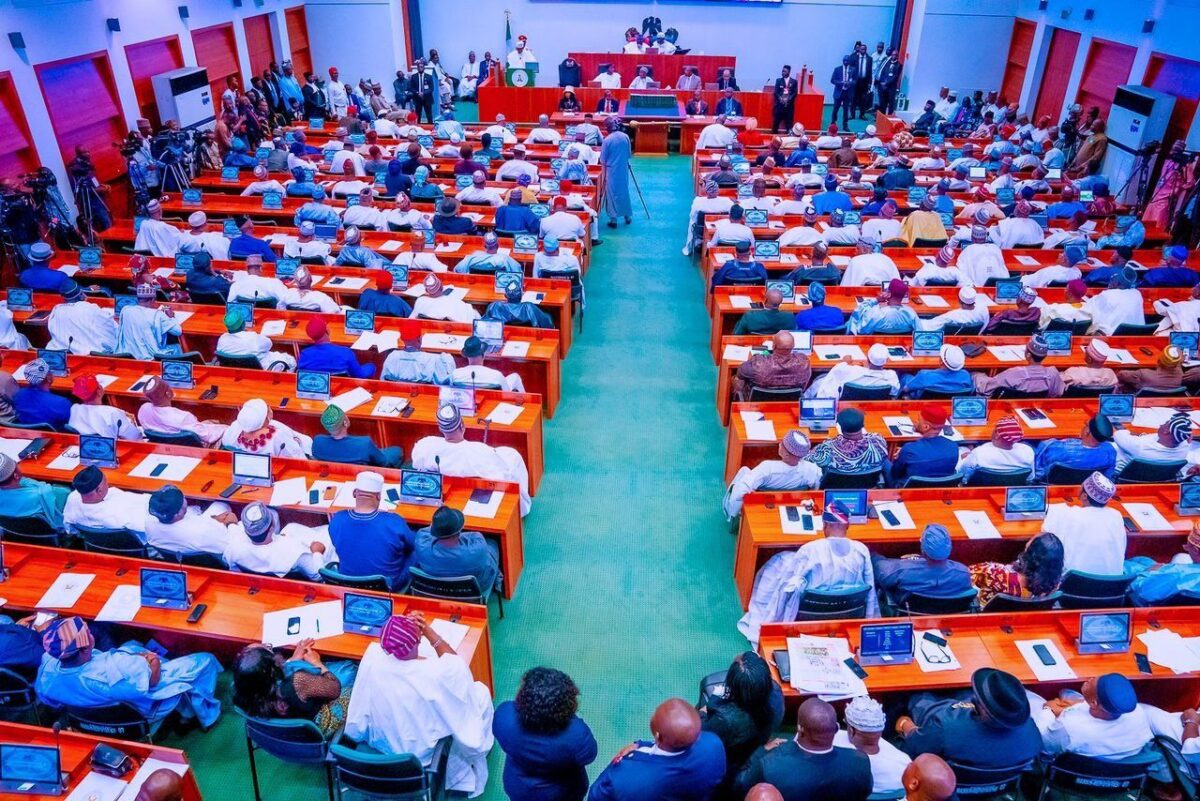
National Assembly extends holiday amid rising security concerns

Focus on insecurity instead of 2027 politics, NPSA tells political class
The Senate and House of Representatives have postponed the resumption of plenary to May 6.
Meanwhile, the Nigerian Political Science Association (NPSA) has tasked the Nigerian political class to concentrate on tackling the insecurity in the country rather than focusing on the 2027 election.
The two chambers embarked on Easter and Eid-el-Fitr holidays on March 27 and were expected to resume plenary on Tuesday, April 29.
But a statement issued by the Clerk to the National Assembly, Kamoru Ogunlana, yesterday, said the resumption had been extended by one week.
“I am directed to inform distinguished senators, honourable members and the general public that the two Houses of the National Assembly have extended the date for the resumption of plenary sessions from Tuesday, April 29, 2025, to Tuesday, May 6, 2025,” he said.
Ogunlana said the extension was to allow senators and House of Representatives members to participate in the forthcoming Workers’ Day celebrations in their constituencies.
The extension comes at a time the country is experiencing multiple challenges, including worsening security conditions and socio-political unrest across several states.
ACCORDING to the eminent group of scholars, the practice of exclusive politics, which has continued to alienate most of the population, is fuelling insecurity in the country.
NPSA President, Prof Hassan Saliu, in a statement on behalf of the association entitled: ‘The Alarming State of Insecurity in Nigeria’, noted that Nigerians living in Benue, Borno, Plateau and other states in recent weeks were living in fear.
Saliu, who pointed out that before now, the general feeling, especially among government officials, was that the country was on the path to subduing insecurity, expressed disappointment that things were getting worse.
While admitting that factors such as ungoverned spaces to religious fundamentalism, poverty, external conspiracy, unhealthy politicking and problems arising from inter-group relations heightened insecurity in the country, he declared that the main cause of insecurity was the exclusionary politics that ignored the masses.
According to him, rather than concentrate energy and attention on tackling the increasing wave of insecurity, the political class is fixated on the politics of 2027.
Saliu added that if the Federal Government had been serious about combating insecurity, its efforts in the last two decades would have yielded positive results.
Reeling out the implications of the continued state of insecurity, Saliu stressed that no foreign investor would put their money where insecurity is becoming a way of life.





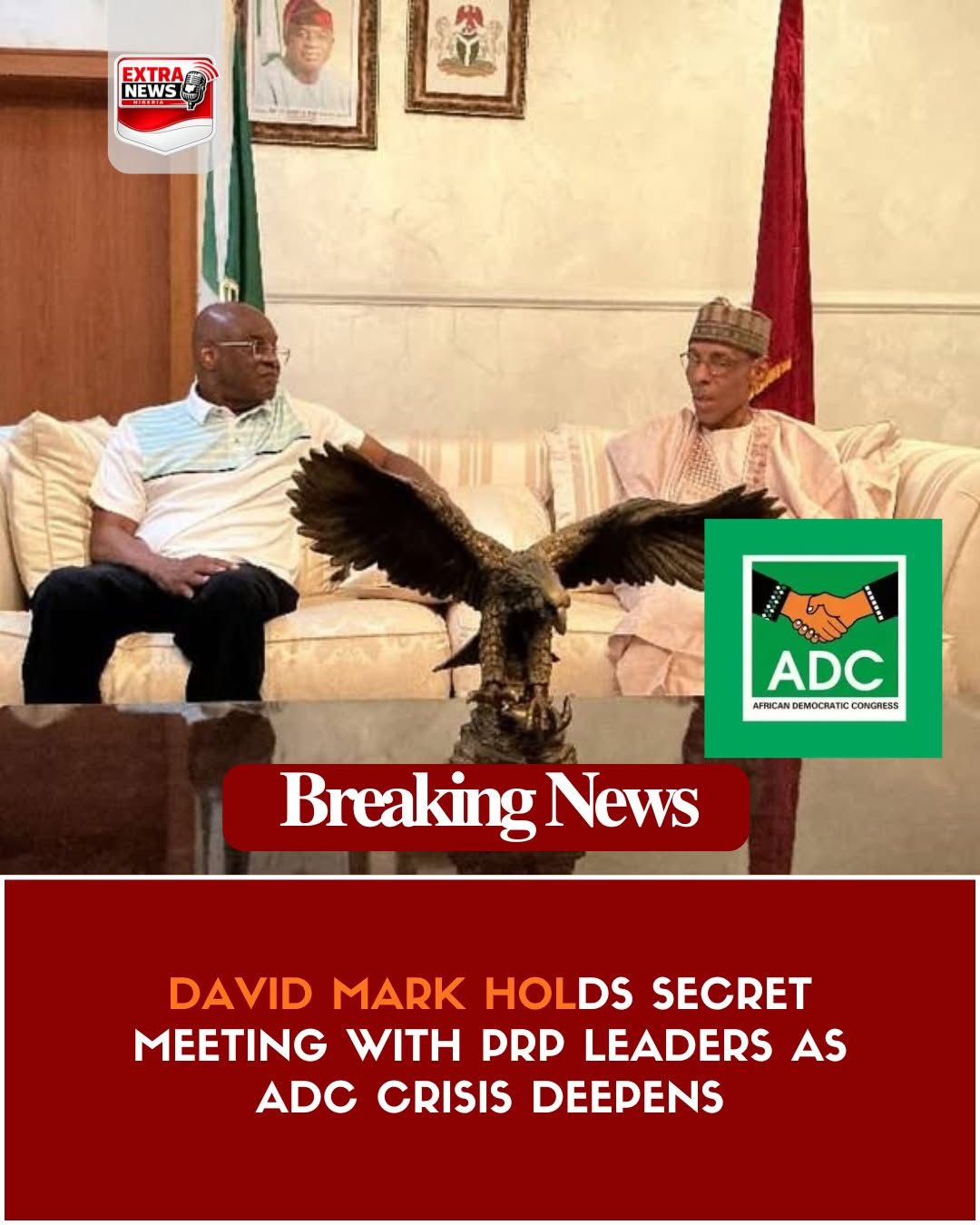
The embattled National Chairman of the African Democratic Congress, David Mark, on Friday held a closed-door meeting with leaders of the Peoples Redemption Party in Abuja. The private consultation is seen as a fresh round of political moves as the ADC continues to battle a lingering leadership crisis and growing internal divisions.
Top figures from both parties were said to be present at the meeting, including PRP National Chairman Hakeem Baba-Ahmed and senior ADC officials. The development is already drawing attention as opposition parties continue realignments ahead of the 2027 political season, with many watching closely for possible alliances and next steps in the party crisis.
Politics
“ADC is a Holy Party, Cannot be used to Scam Nigerians Again” – Hon Success Opara tells David Mark
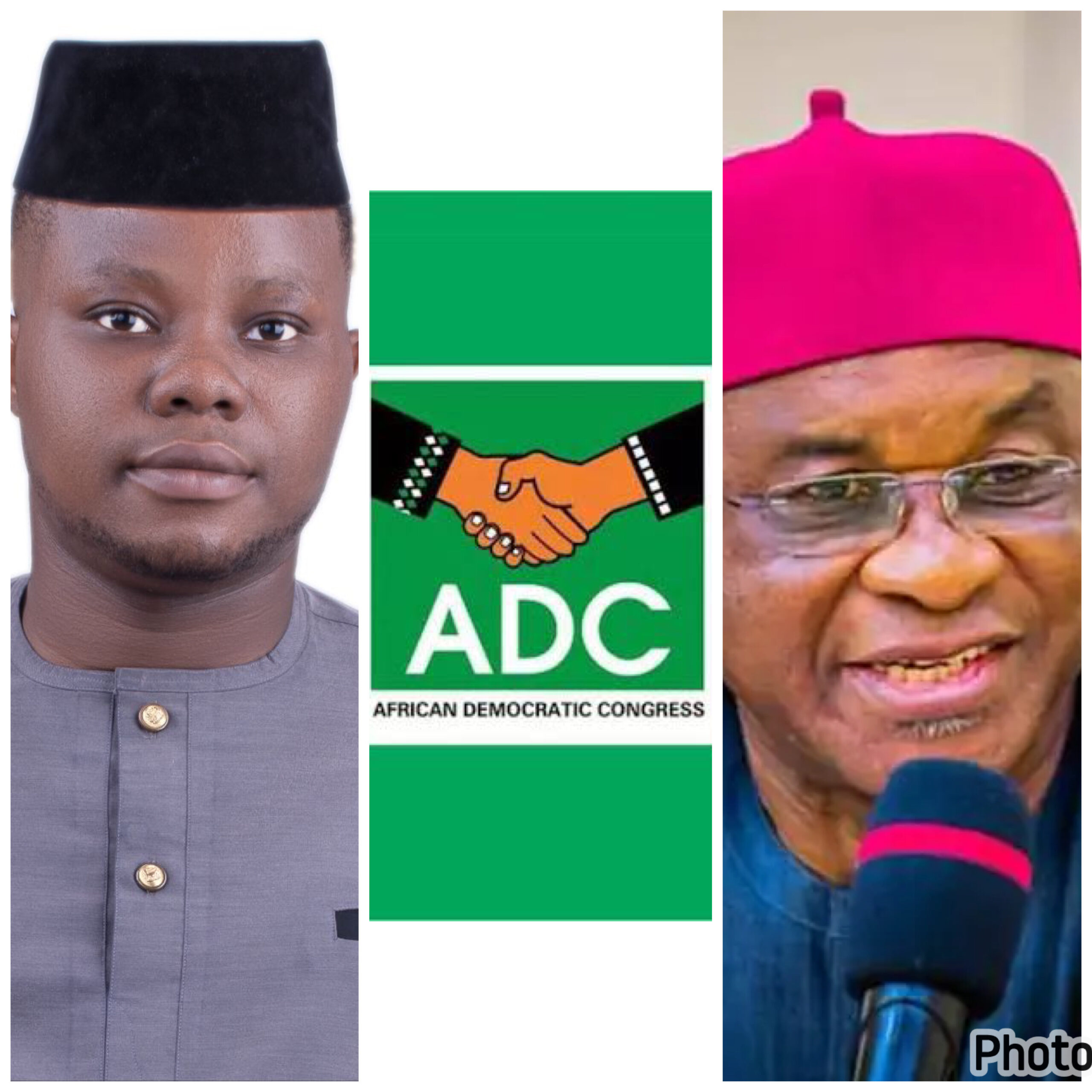
ADC Party in Turmoil: Hon Success Opara Slams Leadership, Warns Against Scamming Nigerians
Abuja, Nigeria – The African Democratic Congress (ADC) is facing internal strife as Hon Success Opara, a prominent party official, has warned against attempts to use the party to deceive Nigerians. Opara specifically criticized the leadership of David Mark, stating that the party cannot be used to scam citizens again.
“ADC holy Party cannot be used to scam Nigerians again,” Opara said, emphasizing that those forming coalitions are hindering the party’s growth and denying youths opportunities to thrive.
“Those who are forming coalition don’t want to give the youths the chance to strive in the party,” she added.
Opara’s statement highlights the deepening divisions within the ADC, with concerns over leadership and the party’s direction.
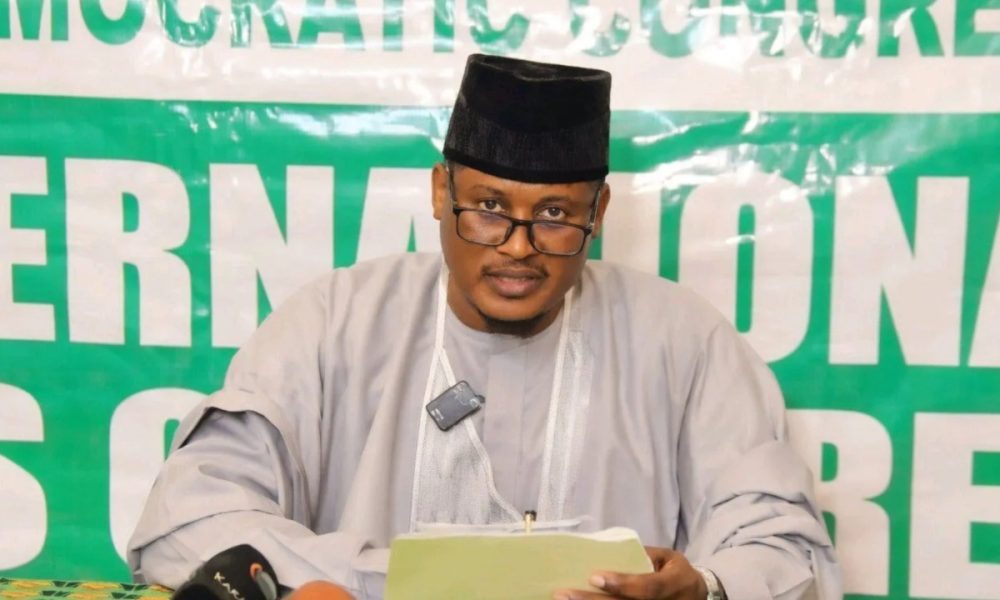
The factional National Chairman of the African Democratic Congress (ADC), Nafiu Bala Gombe, has announced that the party under his leadership will bar individuals above the age of 55 from contesting for political positions.
Gombe made the disclosure during an interview with BBC Hausa, where he outlined a vision centred on generational change and greater youth participation in politics.
“The African Democratic Congress (ADC) is a party that belongs to all Nigerians. What we are doing now is to ensure the party moves forward properly.
“We have decided that we will give the youths a real chance. The time has come for young people to take the lead in politics.
“If you are over 55 years old, you are not going to contest for positions in the ADC under our leadership.
“We want to bring in fresh blood, new ideas, and energy from the youth. Nigeria’s future depends on the young generation.
“The old ways have not worked well for the country. We need to open the door wide for youths to participate fully as candidates, leaders, and decision-makers,” he said.

David Mark Holds Secret Meeting With PRP Leaders as ADC Crisis Deepens

Chaos As Military Officers Exchange Blows During Tinubu’s Visit To Bayelsa (Videos)

HRH Ekwueme of Ochia Kingdom Iynched & kiIIed in Imo.

-
Business1 year ago
US court acquits Air Peace boss, slams Mayfield $4000 fine
-
 Trending1 year ago
NYA demands release of ‘abducted’ Imo chairman, preaches good governance
-

 Politics1 year ago
Mexico’s new president causes concern just weeks before the US elections
-
 Politics1 year ago
Putin invites 20 world leaders
-
 Politics1 year ago
Russia bans imports of agro-products from Kazakhstan after refusal to join BRICS
-
Entertainment1 year ago
Bobrisky falls ill in police custody, rushed to hospital
-
Entertainment1 year ago
Bobrisky transferred from Immigration to FCID, spends night behind bars
-
Education2 years ago
GOVERNOR FUBARA APPOINTS COUNCIL MEMBERS FOR KEN SARO-WIWA POLYTECHNIC BORI