
Politics
STATEWIDE BROADCAST BY HIS EXCELLENCY, SIR SIMINALAYI FUBARA, GSSRS, ON FRIDAY, SEPTEMBER 19, 2025

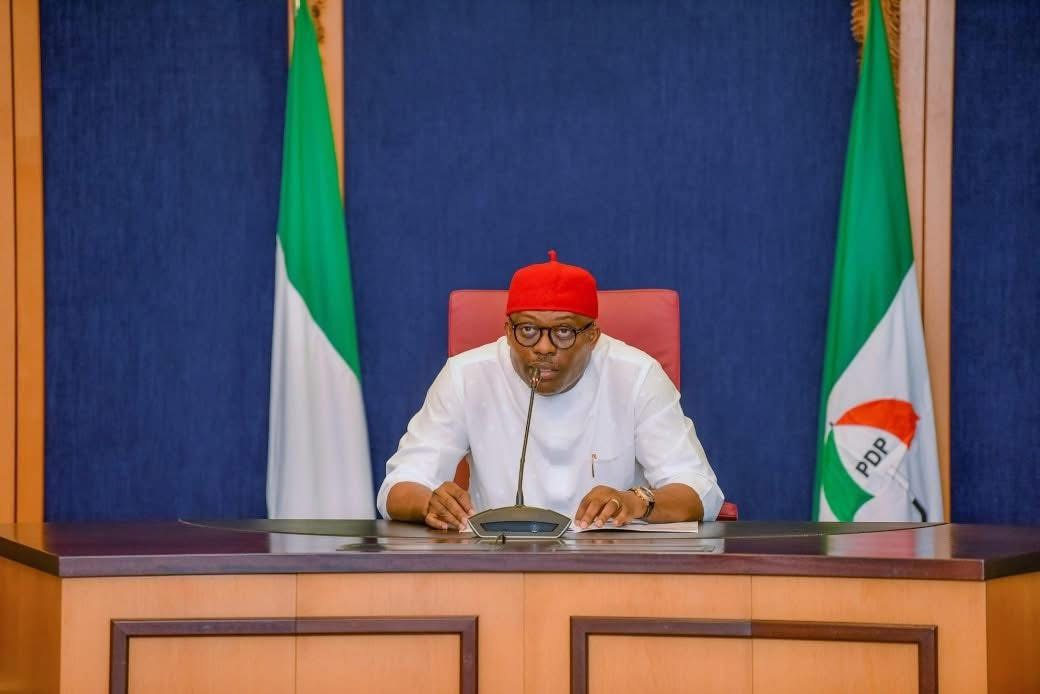
My dear good people of Rivers State
Recall that Rivers State was placed under a six-month emergency rule, declared by Mr. President, His Excellency President Bola Ahmed Tinubu, GCFR, on the 18th of March, 2025, following the intense political crisis in our State.
2. It is without doubt that the last six months had been enormously challenging for our dear State under the emergency rule.
3. As your Governor, I accepted to abide by the state of emergency declaration and chose to cooperate with Mr. President and the National Assembly, guided by my conviction that no sacrifice was too great to secure peace, stability, and progress of Rivers State.
4. This was why I also resisted the pressure to challenge the constitutionality of the declaration of a state of emergency, the suspension of democratic institutions, and all other actions that we endured during this difficult period.
5. In the course of the six-month period, Mr. President graciously brokered the peace process with all the parties successfully. Our Leader, His Excellency, Nyesom Ezenwo Wike, CON, all members of the Rivers State House of Assembly and I, as your Governor, have all accepted to bury the hatchet and embrace peace and reconciliation in the best interest of our dear Rivers State.
6. We believe the political crisis is now behind us and that peace and stability have once again returned to Rivers State, though not without the hard lessons learnt from the emergency rule.
7. The responsibility now rests squarely on us: the Government, the State House of Assembly, political leaders and stakeholders to put aside our differences, work for the common good, and advance the interests of our people above all else. We have a duty to ensure that the peace we have all embraced remains permanent in our dear Rivers State.
8. On behalf of the Government and the good people of Rivers State, I extend our heartfelt gratitude to Mr. President for his fatherly disposition and decisive interventions in resolving the political crisis and for graciously restoring full democratic governance to our State.
9. Personally, I will never take Mr. President’s kindness for granted, and for that, I hereby reaffirm my utmost loyalty and eternal gratitude.
10. To those who have expressed genuine fears, frustrations, and uncertainty over the nature of the peace process, I assure you that your concerns are valid and understood. However, nothing has been irretrievably lost; there remains ample opportunity for necessary adjustments, continued reconciliation, and inclusiveness. We must all remember the saying… ” the costliest peace is cheaper than the cheapest war”.
11. Accordingly, let us, therefore, embrace this moment as a fresh beginning. Let us work together with renewed hope and determination to build a stronger, more peaceful and prosperous Rivers State. I assure you that we will continuously work towards ensuring that we carry everyone along.
12. Despite the turbulence, you are aware of the credible milestones our administration achieved in infrastructure, education, healthcare, and other key sectors over the last two years.
13. Our immediate responsibility is to return to the path of governance and development by completing the projects which we started by ensuring none of them is starved of funds or neglected, thereby reviving our economy, protecting lives and property, and improving the wellbeing of all Rivers people.
14. I commit to working harmoniously with the Rivers State House of Assembly to recover lost grounds and accelerate the social and economic advancement of our dear State. I also renew my pledge to serve with the fear of God, humility and a high sense of duty.
15. I wish to sincerely thank you, the resilient people of Rivers State, for your patience, courage, and peaceful conduct during the six months of emergency rule.
16. I also extend appreciation to all stakeholders, religious leaders, traditional rulers, civil society groups, political actors, women groups, youths, concerned citizens at home and abroad, and well-wishers whose prayers and support sustained us through the challenging period.
17. Above all, let us draw strength from our shared identity as Rivers people. Our diversity is our greatest asset, and our unity the strongest guarantee of our future. We must rise above bitterness and division and channel our energies into rebuilding trust, fostering inclusiveness, and securing a peaceful and prosperous State for all.
18. Once again, I thank and appreciate our Father, Mr President, His Excellency President Bola Ahmed Tinubu GCFR for his timely intervention and dedication to ensuring the restoration of peace and stability in our State.
19. 1 also thank our Leader, His Excellency Nyesom Ezenwo Wike CON, the Honourable Minister of the Federal Capital Territory for committing to the prompt resolution of the political impasse in the State.
20. I also wish to express my profound thanks to the President of the Senate His Excellency Senator Godswill Akpabio; the Speaker of the House of Representatives, His Excellency Dr. Abbas Tajudeen; and the distinguished members of the National Assembly for the role they all played in the resolution of the matter.
21. I thank the Honourable Speaker and all members of the Rivers State House of Assembly, respected elders, stakeholders and all concerned citizens for working together to resolve our differences and ensuring peace and harmony in our State.
22. Finally, I call on all citizens of Rivers State, regardless of political, religious, or ethnic affiliation, to join hands in rebuilding our beloved State and securing a future of dignity and progress for everyone. In all, I give glory to the Almighty God.
Thank you all.
May God bless Rivers State and all its people.
May God bless the Federal Republic of Nigeria.
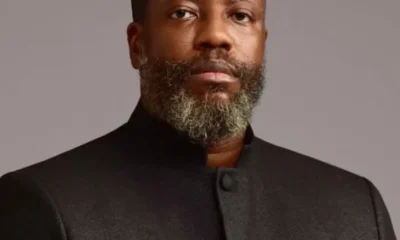

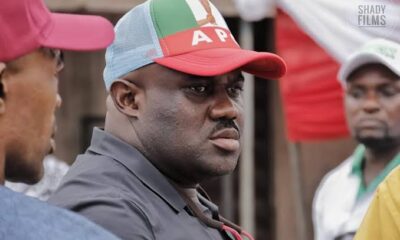


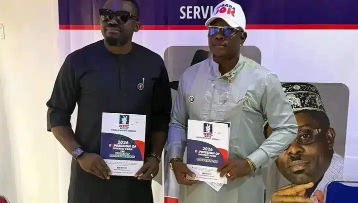
A Rivers State politician, Blessing Fubara, has declared his intention to contest the 2027 governorship election in Rivers State under the platform of the Nigeria Democratic Congress.
The politician has already obtained both the nomination and expression of interest forms needed to participate in the governorship race ahead of the 2027 election.
Blessing Fubara shares the same surname and local government area with the current Rivers State Governor, Siminalayi Fubara.
Both men are from Opobo/Nkoro Local Government Area. However, there has been no confirmation that they are family members.
The Chairman of the NDC in Rivers State, Success Jack, confirmed that Blessing Fubara is among those seeking the party’s governorship ticket.
He also stated that he could not confirm whether the governorship aspirant is related to Governor Siminalayi Fubara.
According to him, the party is preparing seriously for the 2027 general elections and hopes to win not only the governorship seat but other elective positions in Rivers State.
The development comes weeks after Blessing Fubara left the All Progressives Congress and joined the NDC.
Following his defection in Abuja, he was received by former Bayelsa State Governor, Seriake Dickson, alongside other leaders and members of the party.
After joining the NDC, Blessing Fubara said his decision was taken for the interest of Rivers people.
He also stated that the future of the state must be protected ahead of the next general election, expressing confidence that the state would experience positive changes after the 2027 polls.
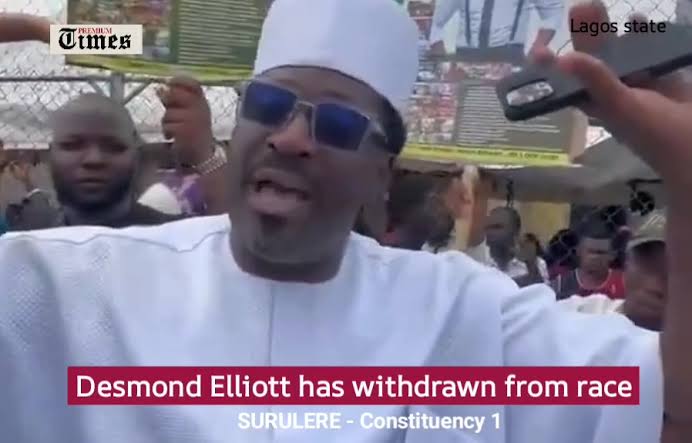
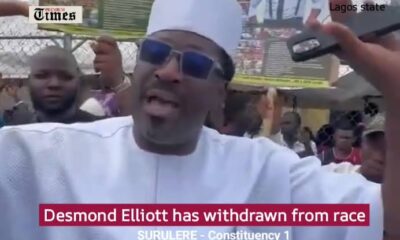
Surulere I lawmaker Desmond Elliot has withdrawn from the All Progressives Congress Lagos House of Assembly primaries, citing intimidation across multiple zones.
In a viral video posted online, the lawmaker said he was stepping out of the race despite seeking re-election under the APC. He alleged that his supporters faced intimidation during the process in several parts of the constituency.
Elliot’s decision came as the primaries held across Lagos on Tuesday. Chief of Staff to the President Femi Gbajabiamila, who represents Surulere Federal Constituency, praised the conduct of the exercise in Surulere, describing it as peaceful.
The withdrawal narrows the contest for the APC ticket in Surulere I ahead of the 2027 general election. Party officials in Lagos have not yet responded to Elliot’s claims, and the APC state chapter has not announced whether the primary in the constituency will proceed with other aspirants.
Elliot has represented Surulere I in the Lagos State House of Assembly since 2015.
https://www.instagram.com/reel/DYkCaAiMxxt/?igsh=ZWw5czl6MHJhNnRy
Politics
Political Shockwave in Rivers as Fubara Pulls Out of APC Governorship Race, Backs Party’s Candidate
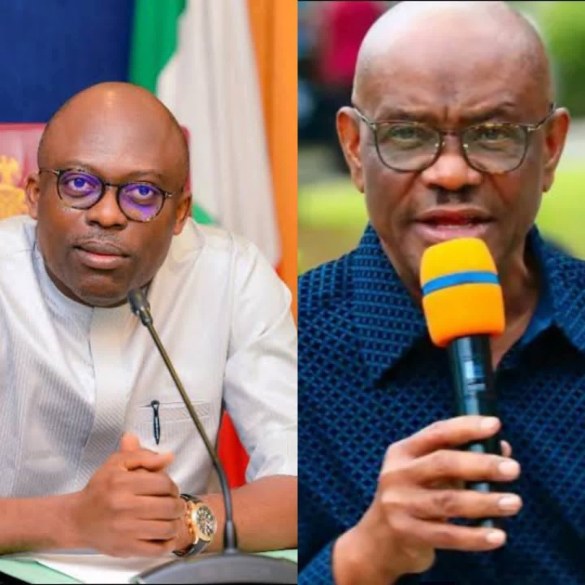
Rivers State Governor, Siminalayi Fubara, has officially withdrawn from the All Progressives Congress (APC) governorship primaries scheduled to take place on Thursday, a development that has stirred fresh political conversations across the state.
The governor announced his decision in a personally signed statement titled “My Decision to Withdraw from the Rivers State Gubernatorial Primaries,” which was released on Wednesday night.
In the statement, Fubara explained that his withdrawal followed wide consultations with political associates, stakeholders, and supporters. He stated that the decision was taken in the overall interest of peace, unity, and stability within the APC and Rivers State at large.
According to the governor, politics should not be allowed to divide the people or create unnecessary tension within the party. He stressed that preserving unity among party members and maintaining stability in the state remain more important than personal political ambition.
Fubara further pledged his total loyalty and support to whoever eventually emerges as the APC governorship candidate, assuring party faithful that he remains committed to the success and progress of the party ahead of the next general elections.
The Rivers governor also appreciated his supporters across the state for standing by him throughout the political process. He thanked party leaders, youth groups, women supporters, and political associates who had continued to show him solidarity and encouragement.
He urged his supporters not to see his withdrawal as the end of his political journey, but rather as a decision made in the collective interest of the party and the state. He also appealed to them to remain peaceful, united, and committed to the ideals of the APC.
Political observers have described the development as one of the biggest political surprises in Rivers State in recent times, especially considering the growing speculations and intense political alignments ahead of the governorship primaries.
Analysts believe the governor’s withdrawal may reshape the political calculations within the APC and influence the direction of the party’s governorship race moving forward.
The announcement has continued to generate mixed reactions from political stakeholders and residents across Rivers State. While some supporters described the move as strategic and mature, others expressed surprise over the governor’s sudden exit from the contest.
Several party faithful, however, commended Fubara for placing party unity and stability above personal ambition, noting that his decision may help reduce internal tensions and strengthen the APC ahead of the elections.
The development has also intensified attention on the remaining aspirants contesting for the APC governorship ticket, as consultations and political meetings continue ahead of the primary election.
Many observers believe the governor’s endorsement of the eventual APC candidate could play a major role in shaping the outcome of the party’s governorship battle and future political structure in the state.
As political activities continue to gather momentum in Rivers State, all eyes are now on the APC primaries and the next phase of political developments expected to unfold in the coming days.

Fubara To Contest Rivers Governorship Seat Under NDC

Breaking: Tinubu Appoints 39 Year Old Professor As New Jamb Registrar

Desmond Elliot Withdraws from APC Lagos Assembly Primaries, Cites Intimidation

-
Business2 years ago
US court acquits Air Peace boss, slams Mayfield $4000 fine
-

 Trending2 years ago
NYA demands release of ‘abducted’ Imo chairman, preaches good governance
-

 Politics2 years ago
Mexico’s new president causes concern just weeks before the US elections
-

 Politics2 years ago
Putin invites 20 world leaders
-

 Politics2 years ago
Russia bans imports of agro-products from Kazakhstan after refusal to join BRICS
-
Entertainment2 years ago
Bobrisky falls ill in police custody, rushed to hospital
-
Entertainment2 years ago
Bobrisky transferred from Immigration to FCID, spends night behind bars
-
Education2 years ago
GOVERNOR FUBARA APPOINTS COUNCIL MEMBERS FOR KEN SARO-WIWA POLYTECHNIC BORI