
Columns
Peter Obi’s name missing as EFCC release list of 58 former Governors responsible for misappropriation, embezzlement or laundering of approx. ₦2.187 trillion

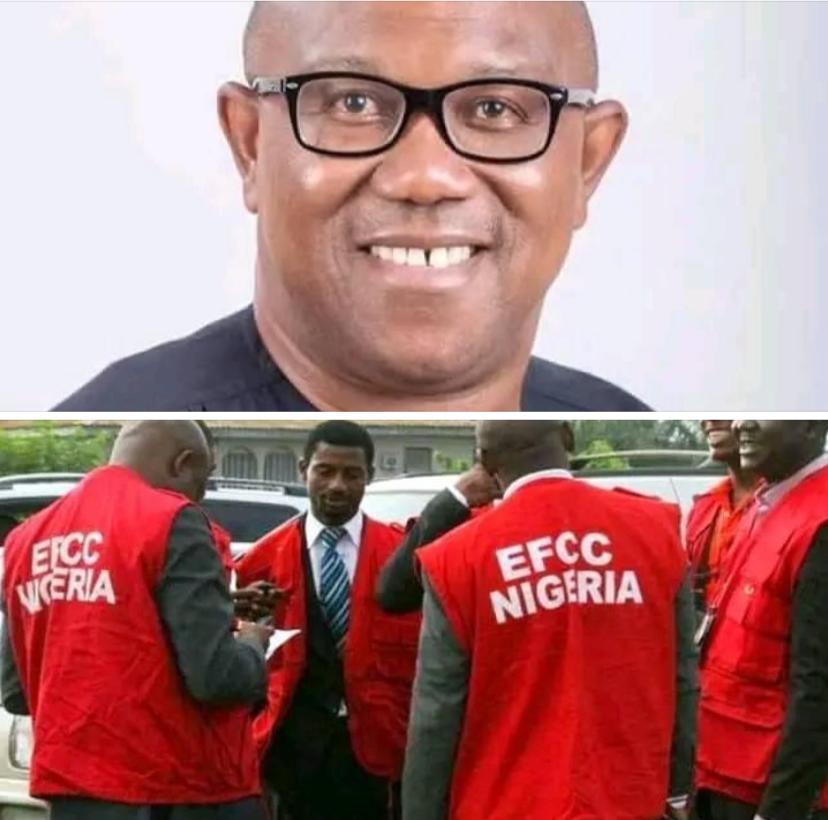
The 58 ex-governors who are currently or have previously faced investigations by EFCC, with alleged amounts in question, consist of:
Late Abubakar Audu (N10.966 bn),
TA Orji and sons (N551 bn)
Yahaya Bello (N80.2 bn)
Chimaroke Nnamani (N5. 3 bn)
Sullivan Chime (N450 million)
Kayode Fayemi (N4bn)
Ayo Fayose (N6.9 bn)
Abdullahi Adamu (N15bn)
Danjuma Goje (N5bn)
Aliyu Wamakko (N15 bn)
Sule Lamido (N1.35 bn)
Joshua Dariye (N1.16 bn)
Timipre Sylva (N19.2 bn)
Saminu Turaki (N36bn)
Orji Uzor Kalu (N7. 6bn)
Bello Matawalle (N70 bn)
Lucky Igbinedion (N4. 5 bn)
Musa Kwakwanso (N10bn)
Peter Odili (N1000 bn)
Jolly Nyame (N1.64 bn)
James Ngilari (N167 m)
Abdulaziz Yari (N84 bn)
Godswill Akpabio (N100bn)
Abdul fatah Ahmed (N9 bn)
Ali Mode-Sheriff (N300bn)
Willie Obiano (N43 bn)
Ibrahim Dankwambo (N1. 3bn)
Darius Ishaku (N39bn)
Ramalan Yero (N700m)
Achike Udenwa (N350m)
Rochas Okoro ha (N10. 8bn)
James Ibori (N40 bn),
DSP Alamieyeseigha (N2.655bn)
Gabriel Suswam (N3. 111bn)
Samuel Orton (N107bn)
Murtala Nyako (N29bn)
Rashid Ladoja (4.7bn)
Christopher Alao-Akala (N11. 5 bn)
Abdulkadir Kure (N600m)
Babangida Aliyu (N4bn)
Abubakar Audu (N10bn)
Idris Wada (N500m)
Ibrahim Shekarau (N950m)
Adamu Aliero (N10bn)
Usman Dakingari and wife (N5. 8bn)
Attahiru Bafarawa N19. 6bn)
Jonah Jang (N6. 3bn)
Aliyu Doma (N8bn)
Tanko Al’Makura (N4bn)
Boni Haruna (N93bn)
Bindow Jibrila (N62bn)
Adamu Muazu (13bn)
Isa Yuguda (N212bn)
Mohammed Abubakar (N8.5bn)


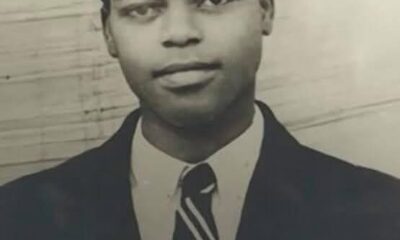


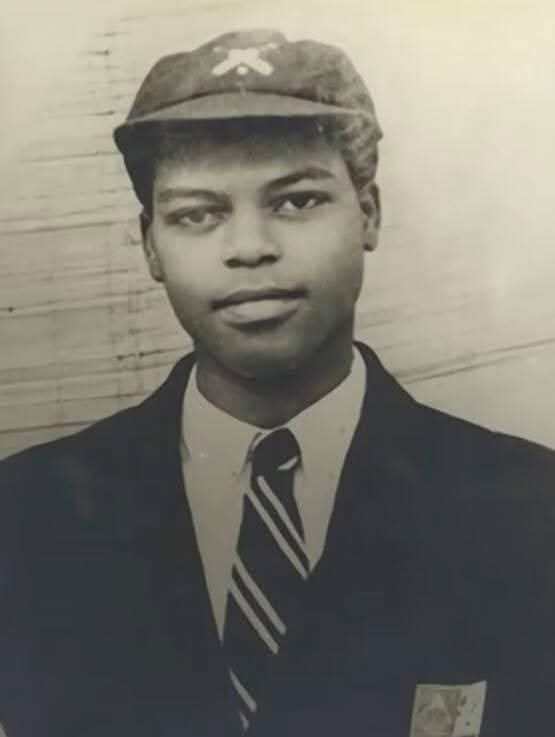
Michael Ibru was a pioneering Nigerian entrepreneur, philanthropist, and founder of the Ibru Organisation, one of the most influential business groups in West Africa. His life reflects ambition, discipline, and the transformation of opportunity into a diversified empire.
Early Life and Background
Born in 1930, Michael Ibru hailed from Agbarha-Otor, near Ughelli.
He was the eldest of seven children in a prominent family. His mother was the daughter of the wealthy Ovedje Osadjere of Olomu, which placed him within a lineage of both traditional influence and commercial awareness.
Growing up in the Niger Delta region, young Ibru was exposed early to trade, mobility, and the importance of enterprise in coastal and riverine communities.
Education and Formative Years
A defining stage of his early life was his education at Igbobi College Yaba, one of Nigeria’s most prestigious secondary schools at the time.
At Igbobi College, Michael Ibru distinguished himself not only academically but also in leadership, eventually serving as Senior Prefect. This position reflected his discipline, influence, and ability to lead peers—qualities that later shaped his business career.
His time at the institution helped refine his worldview and exposed him to structured education during a period when Nigeria was still under colonial administration.
Early Career and Exposure to Business
After completing his studies, he briefly worked with the United Africa Company (UAC), one of the most powerful trading firms operating in West Africa at the time.
This experience exposed him to:
Large-scale import and export systems
Corporate structure and logistics
Commercial distribution networks
However, rather than remain in salaried employment, he chose the path of entrepreneurship—a decision that would redefine his life and legacy.
The Birth of a Business Empire
In 1956, Michael Ibru founded a frozen fish business.
At the time, frozen food distribution was still relatively new in Nigeria, and Ibru identified a gap in the market: the need for affordable, preserved protein sources in urban centres.
His venture quickly expanded due to:
Strong demand for fish in growing cities
Efficient supply chain management
Strategic importation and distribution systems
This modest beginning became the foundation of what would evolve into the Ibru Organisation.
Expansion into a Conglomerate
Over time, the Ibru Organisation grew into a diversified business empire spanning multiple sectors, including:
Food and seafood processing
Aviation and logistics
Hospitality and real estate
Finance and banking
Oil and marine services
Media and publishing
Agriculture and industrial production
The group became one of the largest family-owned conglomerates in West Africa, with numerous subsidiaries operating across Nigeria and beyond.
Rather than relying on a single industry, Michael Ibru built a multi-sectoral business model, which helped the organisation withstand economic fluctuations and remain competitive for decades.
Leadership Style and Business Philosophy
Michael Ibru was widely regarded as a strategic thinker who believed in:
Identifying unmet market needs
Investing in scalable industries
Building long-term institutional structures
Empowering family-led continuity in business
His leadership approach combined traditional values with modern corporate thinking, allowing the Ibru Organisation to grow into a structured enterprise rather than a short-term venture.
Philanthropy and Social Impact
Beyond commerce, Michael Ibru was deeply committed to philanthropy.
His contributions included:
Support for education and scholarships
Community development initiatives
Investment in youth empowerment
Assistance to local infrastructure and social welfare projects
He believed that business success should translate into societal progress, particularly in education and opportunity creation.
Legacy of the Ibru Organisation
The Ibru Organisation remains one of Nigeria’s most recognised business groups, continuing to operate through various subsidiaries across sectors.
Its legacy is defined by:
Industrial diversification
Private sector growth in post-independence Nigeria
Family-led business continuity
Contribution to West Africa’s economic development
From a young student at Igbobi College Yaba to the founder of a continental business empire, Michael Ibru represents the story of vision, risk-taking, and entrepreneurial excellence.
His journey shows how observation, opportunity, and courage can transform a simple idea—like frozen fish distribution—into a legacy that shaped industries across Africa.
Source
Biographical and historical records on Michael Ibru
Public information on the development of the Ibru Organisation
Educational history of Igbobi College Yaba
Historical context of Nigerian post-colonial entrepreneurship and trade development
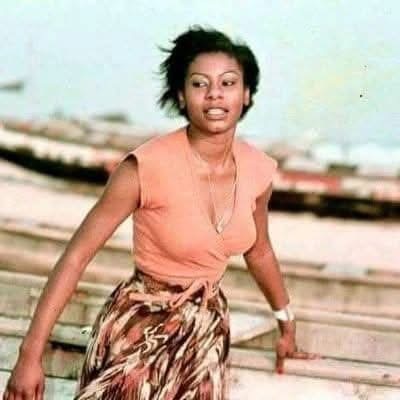
This photograph of Benita Enwonwu from the 1970s recalls a familiar face from Nigerian popular culture of that era. She was widely known as a model and actress, and is especially remembered for her appearance in Joy Soap advertisements, which made her one of the recognisable media personalities of the period.
Benita was also notable for her family background. She was the daughter of Ben Enwonwu, one of Nigeria’s most celebrated modern artists and sculptors. Ben Enwonwu’s career placed him among the leading figures in twentieth-century African art, so Benita’s public image carried an added layer of cultural significance, linking Nigerian advertising, performance, and elite artistic heritage.
While she is often remembered today through nostalgic references to the Joy Soap ad of the 1970s, available reliable public documentation on her wider filmography and career is limited. Because of that, it is safest to describe her as a popular model and screen personality associated with Nigerian advertising culture of the 1970s, rather than overstate details that are not strongly verified.
What makes the image especially interesting is that it reflects a period when print advertising, television commercials, and glamour photography were becoming more influential in shaping urban popular culture in Nigeria. Figures like Benita Enwonwu helped define the aspirational, stylish image of that period.
background
Ben Enwonwu is well documented as a major Nigerian artist, and auction-house and museum records confirm his international reputation and family legacy. Publicly accessible records also support the broad identification of Benita Enwonwu as his daughter, though detailed independent archival coverage of her own career appears limited.
Source note
The immediate source you gave is Benita Enwonwu’s Twitter page, which may be useful as a primary-source attribution for the photo itself, but I could not independently verify that page directly from accessible archival sources in this search.
References
Ben Enwonwu Foundation / related institutional material on Ben Enwonwu’s legacy.
Columns
Aliko was only 20 years old when he founded his company, Dangote Group. In 2011, he became the first nongovernmental figure to receive the distinction of the Grand Commander of the Order of the Niger (GCON), Nigeria’s second highest honour.
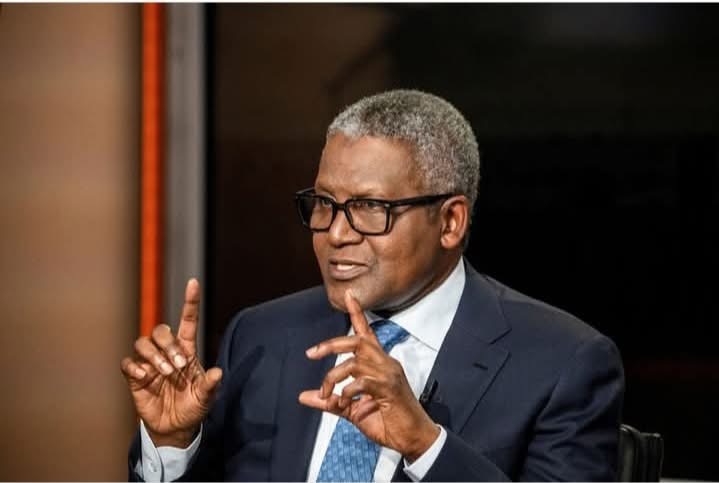
Born April 10, 1957, in Kano, northern Nigeria, Aliko Dangote has come to symbolize the transformative power of enterprise on the African continent. With a commercial instinct honed from youth and a formidable vision for self-reliance, Nigeria’s richest man has redefined industrial ambition in Africa.
In 1977, a young Dangote embarked on his entrepreneurial journey by establishing the Dangote Group, initially a modest trading firm dealing in imported commodities such as sugar, salt, and foodstuffs. As the business grew rapidly, he recognised the limitations of import dependency and set his sights on industrial production.
By 1981, he had launched Dangote Nigeria Limited and Blue Star Services, expanding his operations to include the importation of rice, steel, and aluminium products—a clear indication of his growing appetite for scale and influence. But it was in cement that his greatest impact would soon be felt.
Responding to the ever-increasing demand for building materials in Nigeria and across West Africa, Dangote founded Dangote Cement, positioning it to rival foreign giants such as Lafarge, the French multinational known at the time for dominating African markets through imports. With strategic foresight and substantial investment in local production, Dangote not only outpaced competitors but helped reposition Nigeria as a net exporter of cement.
By 2023, Dangote Cement had become a cornerstone of African infrastructure, generating approximately $3.7 billion in revenue, while Dangote Sugar rose to be one of the largest sugar producers in both Nigeria and the continent at large.
His entrepreneurial achievements are matched by his influence on public policy and national development. In 2011, President Goodluck Jonathan appointed Dangote to the Economic Management Team, recognising his pivotal role in shaping Nigeria’s industrial trajectory. That same year, Jonathan conferred on him the Grand Commander of the Order of the Niger (GCON)—the country’s second highest national honour.
A household name not just in Nigeria but across Africa, Dangote’s reach extends beyond business. In 2014, he was listed among Time magazine’s 100 most influential people in the world, a testament to his international stature. As of March 2025, Forbes estimates his personal fortune at $23.8 billion, making him the wealthiest Black person in the world.
Yet for all the headlines, Dangote’s legacy rests not merely in wealth, but in impact—in industries built, jobs created, and a continent nudged steadily toward economic self-sufficiency. With his flagship Dangote Refinery poised to revolutionise the energy landscape of West Africa, his vision continues to unfold—bold, pragmatic, and unmistakably African.

I’m Not a Part of Any Plan to Turn Nigeria Into a One-Party State, But INEC Will Follow Court Orders, Not Political Pressure — INEC Chairman, Joash Amupitan

ADC Announces Date For Congresses, Convention, Ignores INEC

“Avoid What Happened In Zamfara” – INEC Chairman Warns ADC Against Holding Congresses, Convention

-
Business1 year ago
US court acquits Air Peace boss, slams Mayfield $4000 fine
-

 Trending1 year ago
NYA demands release of ‘abducted’ Imo chairman, preaches good governance
-

 Politics1 year ago
Mexico’s new president causes concern just weeks before the US elections
-

 Politics1 year ago
Putin invites 20 world leaders
-

 Politics1 year ago
Russia bans imports of agro-products from Kazakhstan after refusal to join BRICS
-
Entertainment1 year ago
Bobrisky falls ill in police custody, rushed to hospital
-
Entertainment1 year ago
Bobrisky transferred from Immigration to FCID, spends night behind bars
-
Education2 years ago
GOVERNOR FUBARA APPOINTS COUNCIL MEMBERS FOR KEN SARO-WIWA POLYTECHNIC BORI