
Politics
Stop supporting enemies of Nnamdi Kanu – Ohanaeze advises IPOB

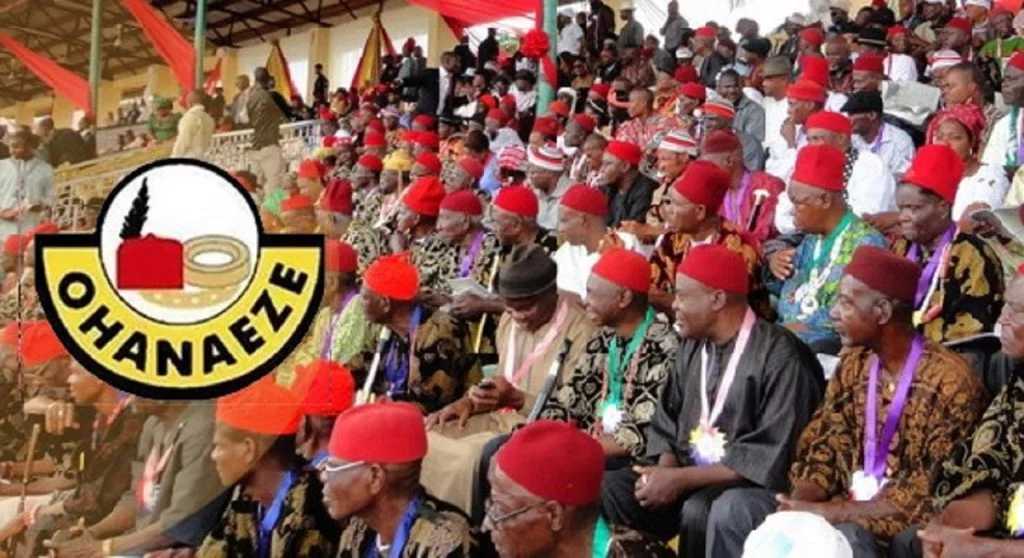
Apex Igbo socio-cultural organization, Ohanaeze Ndigbo, has advised the Indigenous People of Biafra, IPOB, to uphold a position of neutrality and refrain from unwarranted interference in the activities of the body.
Ohanaeze said such encroachment is not only disconcerting but also unequivocally unacceptable and deserving of stern condemnation.
The pan-Igbo group stated that it’s troubling to observe that IPOB is being misled by individuals who are, regrettably, benefitting from the prolonged and unjust incarceration of Mazi Nnamdi Kanu.
According to Ohanaeze, it is evident that certain elements within IPOB have found themselves cornered, defending those who are complicit in the very detention of the IPOB leader.
In a joint statement issued on Tuesday by the factional Deputy President-General, Mazi Okechukwu Isiguzoro, and Thompson Ohia, Spokesperson, the group extended its support to individuals who are not genuine members of the organization but are closely allied with its leadership, thereby distorting the original mission.
The statement read: “We cannot overlook the shameful alignment of IPOB with certain Igbo leaders who seem intent on exploiting Mazi Nnamdi Kanu as a scapegoat for their own ulterior motives. The very individuals responsible for the violence against IPOB members are those whom IPOB now chooses to defend.
“This contradiction not only undermines the integrity of our collective struggle but also diminishes our shared vision for justice and equity.
“Ohanaeze Ndigbo would like to publicly inform the general populace of attempts to manipulate IPOB as a tool for blackmailing the leadership of our organization. We will resolutely decline to engage in any media disputes or controversies with the leadership of IPOB, particularly as they have been led to believe that attacking Ohanaeze Ndigbo will serve their cause.
“We challenge IPOB to exercise caution in its choices, for the individuals they currently support are, in fact, the enemies of Mazi Nnamdi Kanu. These individuals are more invested in taking photographs alongside him in court rather than genuinely advocating for avenues that would facilitate his release.
“The ongoing violence against innocent youths, who are unjustly branded as IPOB terrorists, is a direct consequence of this misalignment. At this pivotal moment, we implore IPOB and all stakeholders within our community to reassess their alliances and redirect their efforts towards a united front against our true adversaries.
“Let us collectively strive for a future marked by clarity of purpose, unyielding commitment to justice, and profound respect for the sanctity of our shared heritage.”
Apex Igbo socio-cultural organization, Ohanaeze Ndigbo, has advised the Indigenous People of Biafra, IPOB, to uphold a position of neutrality and refrain from unwarranted interference in the activities of the body.
Ohanaeze said such encroachment is not only disconcerting but also unequivocally unacceptable and deserving of stern condemnation.
The pan-Igbo group stated that it’s troubling to observe that IPOB is being misled by individuals who are, regrettably, benefitting from the prolonged and unjust incarceration of Mazi Nnamdi Kanu.
According to Ohanaeze, it is evident that certain elements within IPOB have found themselves cornered, defending those who are complicit in the very detention of the IPOB leader.
In a joint statement issued on Tuesday by the factional Deputy President-General, Mazi Okechukwu Isiguzoro, and Thompson Ohia, Spokesperson, the group extended its support to individuals who are not genuine members of the organization but are closely allied with its leadership, thereby distorting the original mission.
The statement read: “We cannot overlook the shameful alignment of IPOB with certain Igbo leaders who seem intent on exploiting Mazi Nnamdi Kanu as a scapegoat for their own ulterior motives. The very individuals responsible for the violence against IPOB members are those whom IPOB now chooses to defend.
“This contradiction not only undermines the integrity of our collective struggle but also diminishes our shared vision for justice and equity.
“Ohanaeze Ndigbo would like to publicly inform the general populace of attempts to manipulate IPOB as a tool for blackmailing the leadership of our organization. We will resolutely decline to engage in any media disputes or controversies with the leadership of IPOB, particularly as they have been led to believe that attacking Ohanaeze Ndigbo will serve their cause.
“We challenge IPOB to exercise caution in its choices, for the individuals they currently support are, in fact, the enemies of Mazi Nnamdi Kanu. These individuals are more invested in taking photographs alongside him in court rather than genuinely advocating for avenues that would facilitate his release.
“The ongoing violence against innocent youths, who are unjustly branded as IPOB terrorists, is a direct consequence of this misalignment. At this pivotal moment, we implore IPOB and all stakeholders within our community to reassess their alliances and redirect their efforts towards a united front against our true adversaries.
“Let us collectively strive for a future marked by clarity of purpose, unyielding commitment to justice, and profound respect for the sanctity of our shared heritage.”








Politics
Man Arrested For Allegedly Shouting “No Water, No Light” During Governor Bago’s Visit To Suleja
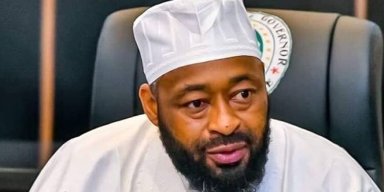
The Niger State Police Command has confirmed the arrest of a 38-year-old man, Hamisu Abdullahi, for allegedly shouting “no water, no light” during Governor Mohammed Umaru Bago’s visit to the Emir of Suleja following the Eid-el-Fitr prayers last Friday.
The police spokesperson in the state, SP Wasiu Abiodun, who confirmed the incident to Daily Trust, said the suspect was arrested for attempting to disrupt government activities during the governor’s Sallah visit.
“One Hamisu Abdullahi, 38, of Suleja, was arrested and transferred to the State Criminal Investigation Department (SCID), Minna, on March 20, 2026, for suspected thuggery and attempting to disrupt government activities during the Sallah visit,” he said.
“However, he was later granted bail while investigation continues.”
The suspect’s brother, Haruna Abdullahi, confirmed that he was released on bail on Tuesday evening after spending five days in detention.
Hamisu, an electrician and father of four who resides in Unguwan Bayi, Suleja, was reportedly arrested after shouting the phrase at the emir’s palace during the governor’s visit.
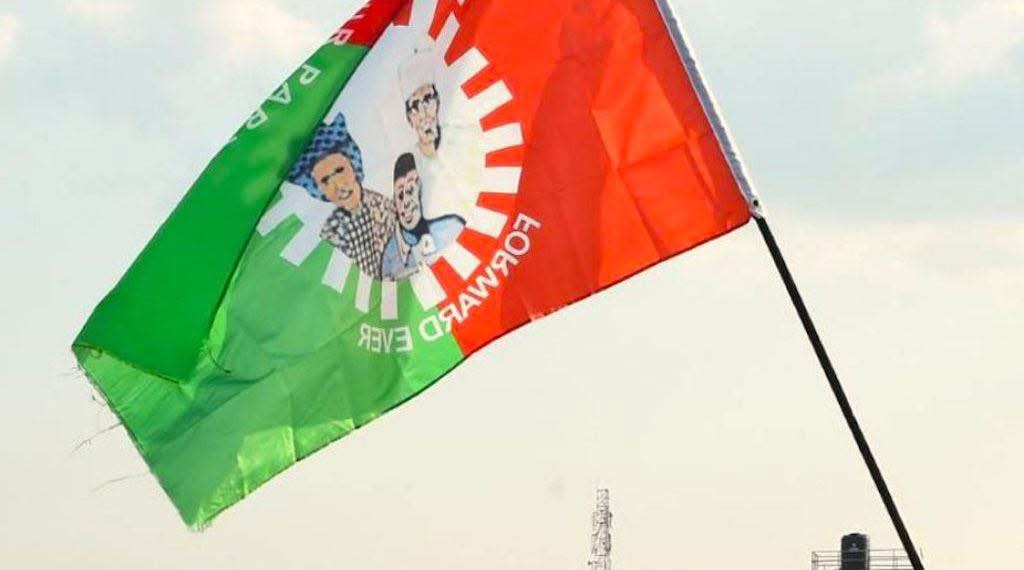
The Labour Party in Imo State is engulfed in a bitter leadership clash as the Callistus Ihejiagwa-led faction warns members not to participate in any party activities not sanctioned by his leadership.
The warning comes in response to claims that Sen. Nenadi Usman and Darlington Nwokocha’s faction plans to hold Ward, LGA, and State congresses starting March 26, 2026—moves Ihejiagwa calls illegal and unconstitutional.
Ihejiagwa insists that the Independent National Electoral Commission (INEC) has already refused to dissolve existing party structures, meaning any attempt to replace sitting executives is null and void.
He dismissed arguments that INEC officials attending Usman/Nwokocha’s National Executive Council meeting on March 17 would confer legality, stressing that presence does not equal approval.
March 20, 2026
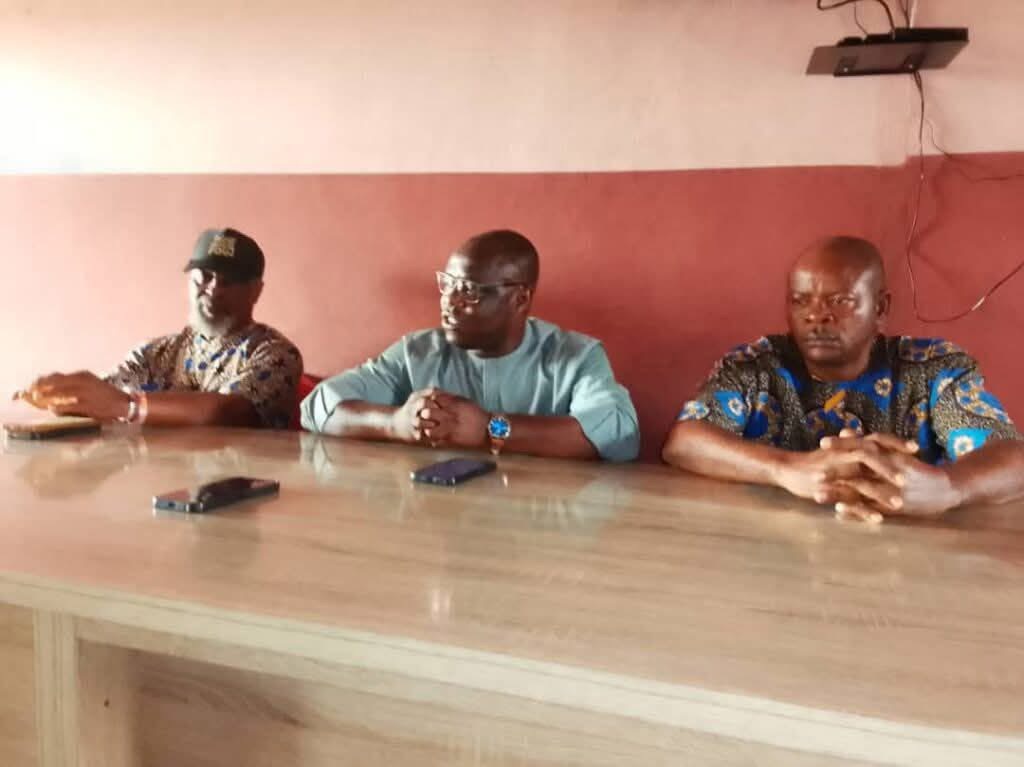
The All Progressives Grand Alliance in Abia State has called on the Senate to declare the seat of the Senator representing Abia South, Enyinnaya Abaribe, vacant following his resignation from the party.
The party made the call on Thursday during a press briefing in Umuahia, where its leadership, led by a former member of the Abia State House of Assembly, Obinna Ichita, insisted that Abaribe voluntarily resigned from APGA and was not sacked, contrary to his claim at the Senate.
Ichita argued that Abaribe’s exit from the party that sponsored his election violates constitutional provisions, stressing that there was no leadership crisis within APGA to justify his defection.
“The senator resigned in his ward. He did so voluntarily, which is his right. However, if you leave the party that gave you the platform for another party when there is no leadership crisis, that seat must be declared vacant,” he said.
He further alleged that Abaribe misrepresented the circumstances of his exit by claiming he was sacked.
“The party has documentary evidence to show that Senator Abaribe was not sacked. He resigned three months after disciplinary measures were taken against him over actions the court did not consider appropriate,” Ichita added.
According to him, the mandate belongs to the people and the party, not the individual office holder.
“They gave him the mandate on the platform of APGA, not any other party. There was nothing like ADC when he was elected. He cannot take the mandate elsewhere without consulting the people who gave it to him,” he said.
Ichita maintained that the constitution is clear on defection, noting that any lawmaker who leaves a party without a valid internal crisis must vacate the seat.
“My message to Senator Abaribe is to honourably vacate the seat instead of waiting for the National Assembly to declare it vacant. That would amount to national embarrassment,” he added.
Also speaking, the APGA State Chairman, Sunday Onukwubiri, and the party’s Public Relations Officer, Chukwuemeka Nwokoro, reiterated that Abaribe had distanced himself from the party’s activities at various levels in the state.
They insisted that he neither holds dual membership nor was he expelled, maintaining that his resignation was voluntary.
“He was invited by the party but failed to appear and was subsequently suspended in line with the party’s constitution. Three months later, he resigned,” the officials said.
Reacting, Abaribe defended his position, insisting that he acted within his constitutional rights.
“When you are no longer a member of a party by virtue of being sent away, you have the fundamental right of association to join another party,” he said.
He argued that his indefinite suspension by APGA effectively amounted to expulsion.
“If a party places you on indefinite suspension for more than six months, what does that mean? It means you have been told to go elsewhere, and that is exactly what I did,” he stated.
The senator added that the proper constitutional procedure for removing him from office would be through a recall process by his constituents.
“If the people who elected me no longer want me, the right thing to do is to initiate a recall. That is the position of the law,” he said.

Actress Biola Adebayo Tenders Apology Over Interview With Baba Ijesha (Video)

Police Arrest Pastor, Islamic Cleric And One Other Over Possession Of Human Parts In Oyo

Man Arrested For Allegedly Shouting “No Water, No Light” During Governor Bago’s Visit To Suleja

-
Business1 year ago
US court acquits Air Peace boss, slams Mayfield $4000 fine
-

 Trending1 year ago
NYA demands release of ‘abducted’ Imo chairman, preaches good governance
-

 Politics1 year ago
Mexico’s new president causes concern just weeks before the US elections
-

 Politics1 year ago
Putin invites 20 world leaders
-

 Politics1 year ago
Russia bans imports of agro-products from Kazakhstan after refusal to join BRICS
-
Entertainment1 year ago
Bobrisky falls ill in police custody, rushed to hospital
-
Entertainment1 year ago
Bobrisky transferred from Immigration to FCID, spends night behind bars
-
Education2 years ago
GOVERNOR FUBARA APPOINTS COUNCIL MEMBERS FOR KEN SARO-WIWA POLYTECHNIC BORI