Connect with us

Health

5 silent killer-foods Nigerians love

Published

on


Nigerian cuisine is renowned for its rich flavors, vibrant colors, and diverse ingredients.

However, amid the array of delicious dishes, there are some foods that, despite their popularity, pose significant health risks.

Here are five silent killer foods that many Nigerians love:

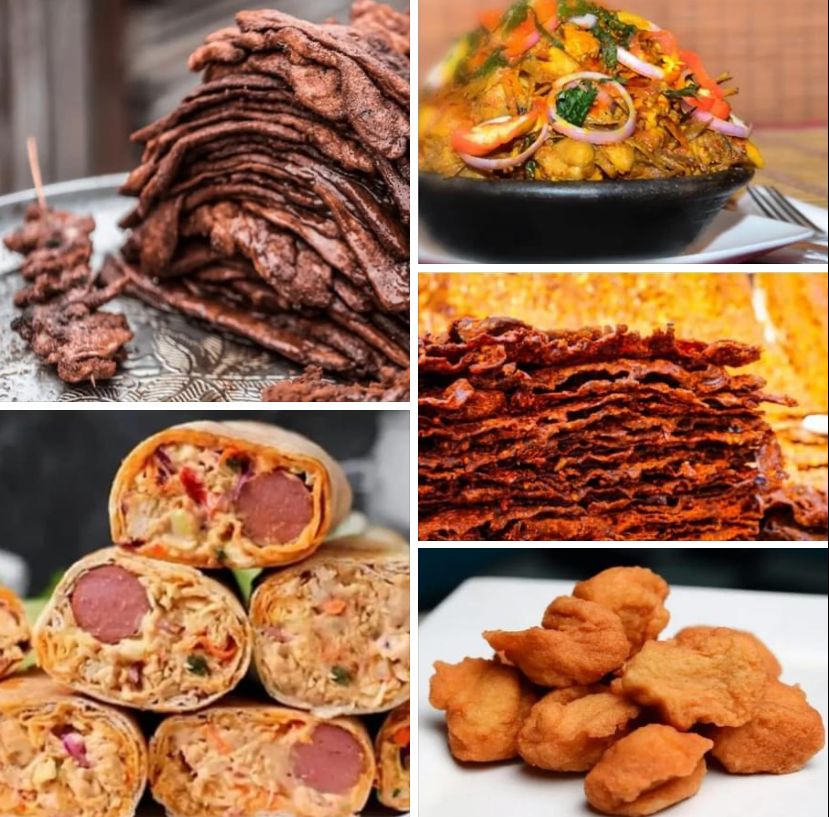
1. Suya (Carcinogenic)
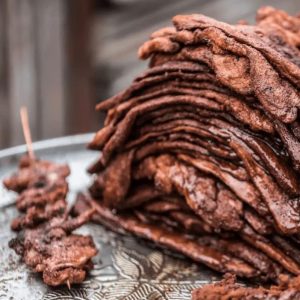
Suya

Suya, a spicy skewered meat popular across Nigeria, is a favorite street food enjoyed by many. However, this tasty delight comes with a hidden danger. The process of grilling meat at high temperatures can lead to the formation of carcinogenic compounds known as heterocyclic amines (HCAs) and polycyclic aromatic hydrocarbons (PAHs). These compounds have been linked to an increased risk of cancer. Regular consumption of suya, particularly when it is charred, can elevate this risk, making it a silent killer on the dinner table.

2. Shawarma (Due to Hot Dogs)
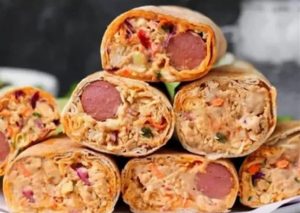
Shawarma

Shawarma, a Middle Eastern-inspired wrap filled with spiced meat, vegetables, and sauces, has become immensely popular in Nigeria. Often, hot dogs or other processed meats are used in the filling, which contain preservatives like nitrates and nitrites. These preservatives can convert into nitrosamines, which are carcinogenic. Furthermore, processed meats have been linked to various health issues, including heart disease and diabetes. Despite its delicious taste, frequent consumption of shawarma can contribute to these health problems.

3. Nkwobi (Excess Potassium)
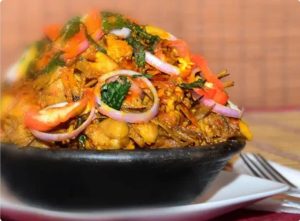
Nkwobi

Nkwobi, a delicacy made from cow feet cooked in a spicy palm oil sauce, is a beloved traditional dish. However, it is also a silent killer due to its high potassium content. For individuals with kidney problems or those at risk of hyperkalemia (high potassium levels), consuming Nkwobi can be dangerous. Excess potassium can lead to irregular heartbeats and even heart failure. While it is a flavorful dish, those with existing health conditions need to be cautious about its consumption.

4. Kilishi
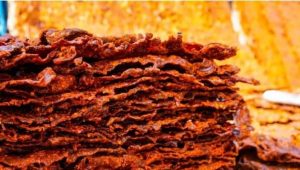
Kilishi

Kilishi, a dried, spicy meat similar to jerky, is another Nigerian favorite. The drying and seasoning process often involves adding a significant amount of salt, which can contribute to high blood pressure (hypertension). Although kilishi is a convenient and tasty snack, its high salt content makes it a silent threat to cardiovascular health.

5. Deep-Fried Snacks
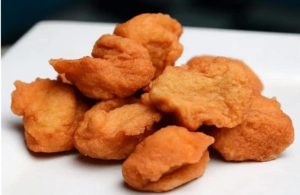
Deep Fried Snacks (Akara)

Deep-fried snacks such as puff-puff, buns, akara (bean cakes), and plantain chips are immensely popular in Nigeria. These snacks, while delicious, are often cooked in unhealthy oils that contain trans fats. Trans fats are known to increase bad cholesterol (LDL) levels and decrease good cholesterol (HDL) levels, leading to an increased risk of heart disease, stroke, and type 2 diabetes. Additionally, the high-calorie content of deep-fried foods can contribute to obesity, which is a risk factor for numerous chronic diseases.

 

Health

I’ve Been Diagnosed With Breast Cancer – Blessing CEO Confirms Cancer Battle, Solicits Financial Help (Video)

Published

on

Nigerian social media influencer and self-proclaimed relationship expert, Blessing CEO, has shared an update regarding her health.

In a post on her Instagram page, the relationship coach revealed that she has been diagnosed with breast cancer and that doctors have recommended urgent surgery to remove one or both breasts to stop the disease from spreading.

She explained that making the decision to undergo surgery was very difficult, describing the emotional toll and challenges she faces.

She also disclosed that her resources have been stretched, prompting her to seek financial help to cover the cost of the operation.

This development follows her earlier announcement that she would sell some of her personal belongings, including her car, wigs, and Lagos mansion, to raise funds for treatment.

She shared an account number in the video to receive contributions and asked her followers to support her in any way they can.

She said: “My name is Okoro Blessing Nkiruka and I’m popularly known as Blessing CEO. I’ve been diagnosed with breast cancer. At this point, an urgent surgery is needed for amputation to stop the spread or to know how far the spread has gone.

“If they’re taking off one of the breasts or both of it, trust me, it was a very hard decision to come here. But the truth is, when predicaments like this come for you, you become powerless. I might not be able to do anything, work, influence, resources has gone into this.

“And that’s why I’m here pleading. If I have ever touched you before, if my words have ever shown any positive in your life, if you ever say Blessing CEO I love you, this is the time to show it.

“Thank you so much for the love. My phone is buzzing. God bless every one of you. Nothing is too small. I just want to be fine. Thank you so much. I’m going to put an account number on this video, hoping to start up the surgery as fast as possible. Thank you so much to those of you who reposted, shared. God bless every one of you.

“Thank you so much. I love you guys. I need all the love, all the advice I’ve given to you guys. You’re going to have to give it back to me. Thank you so much. Thank you so much. I have never been this clueless all my life.

“I thought I was a jagaban. I thought I was so strong. I thought I was so strong. Being strong is now my biggest weakness. Thank you so much. God bless you.”

Continue Reading

Health

Jehovah’s Witnesses Review Blood Transfusion Policy On Members

Published

on

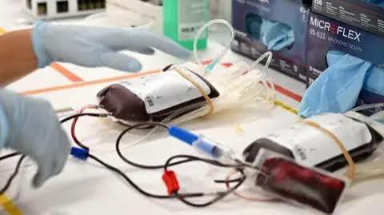
Jehovah’s Witnesses have announced an update on their long-standing position on blood transfusions.

In a video published on the group’s official website on Friday, the church stated that members are allowed to make personal decisions on the use of their own blood during medical procedures.

A member of the Governing Body, Gerrit Lösch, said the clarification is intended to help adherents navigate medical choices without departing from biblical teachings

The church, however, maintains that the prohibition on receiving another person’s blood still stands.

He explained that while the doctrine requiring Christians to abstain from blood remains unchanged, the scriptures do not directly address the use of one’s own blood in clinical settings.

“Regarding the use of one’s own blood…a Christian must decide for himself how his own blood will be handled in the course of a surgical procedure, medical test, or current therapy,” he said.

According to him, members are now free to decide whether to permit procedures where their blood is temporarily removed, stored, and later returned to the body.

“Some Christians may decide that they would allow their blood to be stored and then be given back to them. Others may object. Each Christian must make his personal decision on all matters involving the use of his own blood with regard to medical or surgical care,” Lösch added.

He noted that practices such as blood testing, dialysis, and the use of heart-lung machines have already been widely accepted among adherents.

Continue Reading

Health

Nigerian MSc Nursing student arrested for fra¥d in India

Published

on


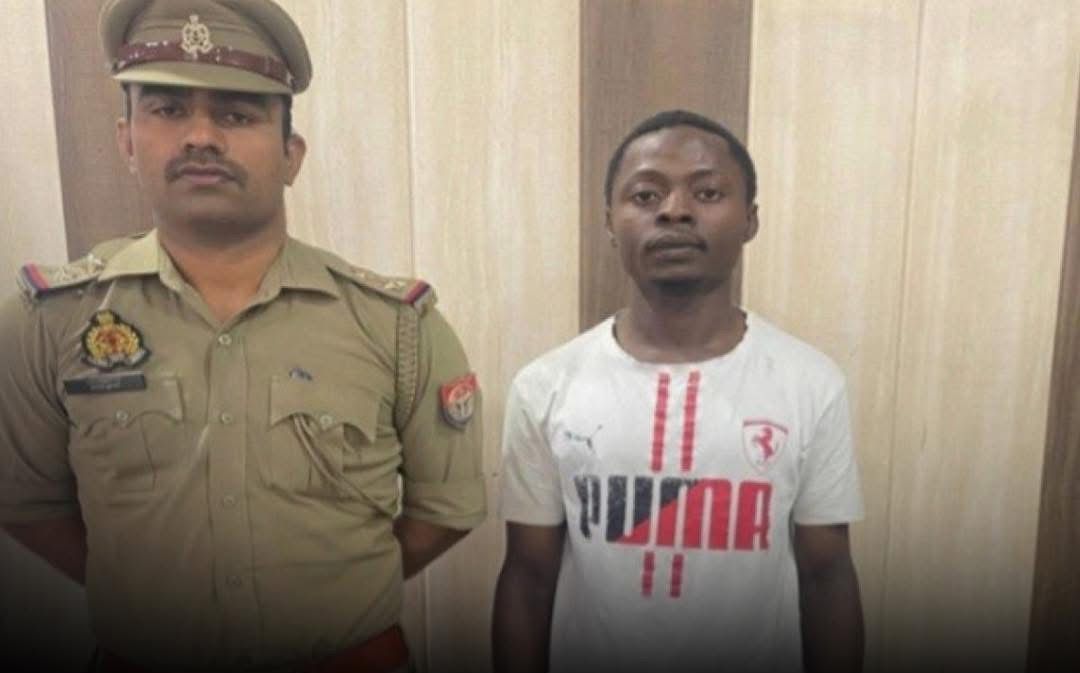
Meerut police in Uttar Pradesh have uncovered a major cyber fra¥d racket involving Nigerian students, arresting one suspect, Saifu Mayana Umar, an MSc Nursing student.

Victims across India were reportedly duped with promises of high returns through investments in foreign companies and stock markets. Investigations have linked Umar and his associates, including a Nigerian national named Yusuf, to at least 16 cyber fra¥d cases.

The gang allegedly used an organized network to lure victims, quickly withdrawing transferred funds through multiple bank accounts and ATMs to avoid detection. Authorities have traced transactions totaling approximately ₹45 lakh in Umar’s bank account, connected to cases mainly from southern states.

The probe involved cyber units from Telangana and Tamil Nadu, who coordinated with Meerut police to apprehend Umar from his hostel. During searches, police recovered electronic devices, ATM cards, bank passbooks, a SIM card, a passport, a cheque book, and mobile phones, all sent for forensic examination to trace the wider network.

Investigators noted that one associate attempted to des+roy banking documents, but some financial records were recovered for scrutiny. Transaction details are also being traced to follow international money flows.

During questioning, Umar admitted that some funds in his account were deposited by Yusuf and subsequently withdrawn. Other names have emerged in the investigation, and warrants are being sought, including potential international cooperation.

Umar has since been released on notice, with his passport confiscated and confinement to the university hostel.

Continue Reading

Trending