
Politics
No South East State subscribes to protest, says Uzodimma

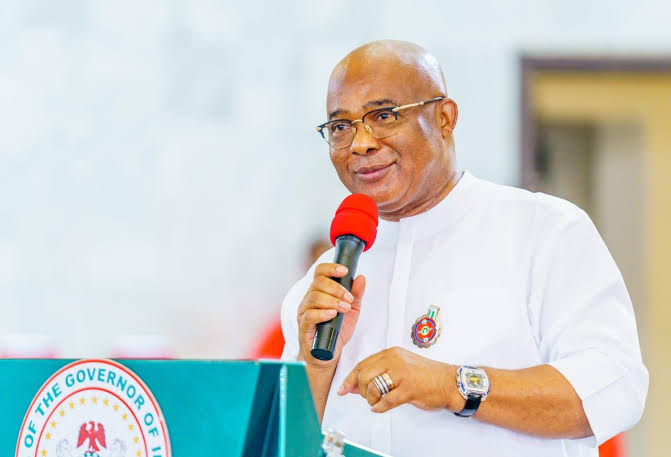
The Governor of Imo State, Senator Hope Uzodimma has said that no state in the South East subscribed to the planned protest, hence the need for Imo indigenes and residents to ignore the call and go about their normal businesses.
“No South East State has yet enlisted in the application of States going for protest,” he said.
The Governor made the clarification at the Landmarks Event Centre in Owerri on Wednesday when he addressed the gathering of Imo Stakeholders, comprising the youths, traditional rulers, faith groups and political Party leaders, Labour leaders, market men and women, academics among others on the State of the Nation, and the need to continue in the struggle for a peaceful and united Imo State in particular and Nigeria in general.
Governor Uzodimma reminded the stakeholders that the political struggle for leadership in Imo State ought to have been a settled matter by now, going by the outcome of the last election, but regretted that those who lost in the last election have refused to tow the line of democracy “because they think if it is not them, there will not be government.”
He bemoaned the resurgence of blood letting of innocent souls which he said is not acceptable by “God and even Satan,” emphasising that the “principles of democracy demand that you wait for the next election to make changes as the killing of human beings is not the culture of an Igbo man and should not be allowed.”
He enumerated the steps taken by the Federal Government to cushion the effects of the current temporary hardships such as distribution of palliatives, the sell of crude oil in Naira to owners of refineries operating in the country, the approval of funds for the most vulnerable in our society among others.
Other strategy already in place is the release of one trailer load of rice per Local Government in Imo State and 10 trailer loads of fertilizer for farmers in the State as palliatives in the short run.
Governor Uzodimma explained that through strategic partnership with the Federal government, he has garnered a lot of support just as he has continued to enjoy the goodwill of Imo people based on his performance in the last four and half years in office.
He charged the stakeholders to speak to the consciences of their brothers and sisters not to be used by enemies of progress to cause mayhem and distrort the developmental trajectory and policies of the State.
“All over the world, democracy is the best form of Government where, if you don’t like the present leadership, you wait for the next election and approach the ballot box and change the leadership,” he said and urged criminals and kidnappers to allow our people to go to farm so that we can have food on our table.
The Governor noted that “what Imo State people need today is permanent electricity supply, accessible good roads, hospitals and schools,” noting that “in the absence of these, Imo State doesn’t have an economy.”
He insisted that a conducive environment will spike the entrepreneurial spirit of the Igbo man, hence the need for steady power supply cannot be toyed with.
On this note, he thanked President Bola Ahmed Tinubu for granting Imo State an energy and economic free trade zone at the Orashi area of the State, informing that the dredging of the Orashi river to the Atlantic will properly start by September with the conclusion of the hydrographic survey.
He said the multiplier effect of all the efforts from his economic revival policies will be the creation of over 15,000 jobs when they are in place.
Again, the Governor assured that by the first quarter of 2025 Orashi Electricity will be fully in operation and that Imo State will be better for it in terms of electricity generation.
“We need to think good for our place and people, and if the environment is attractive those abroad will come back.”
On the scheduled Local Government Election in Imo State in September, the Governor said: “I am not going to influence the Local Government Election, it will be transparent.
We must go by the rules and ensure that credible people that will serve the people are elected.”
He advised those angling for positions as either Chairman or Councilor to go to their people and sell themselves since they will be accountable to the people at the end of the day.
The Governor hinted that the State has been directed by the Federal Government to collect names of 400 persons per Electoral Ward who will be receiving N50,000 per month to cushion their hardship, indicating that the LGA Chairmen will work with opinion moulders in their area to articulate the names of the those who really deserve to receive the money.
The Governor asked the stakeholders to go home and tell their people that “we don’t need crisis.”
He challenged Community leaders to find out what is happening in their area, what is happening in their farm and to the farmers and make arrangement to protect the farmers.
He canvassed for a better collaboration between the traditional rulers and the President Generals, the Communities and the Local Governments, the State and the Federal Government, as doing so will foster peace, unity, progress, growth and development for the good of the citizens.
He encouraged traditional rulers and Town Union and President Generals to put additional efforts to “stop quarrels and keep the peace by reconciling, showing love, making sacrifices and serving your people.”
The Governor assured that between now and January 2025, the State will revive some of the old industries founded by late Governor Sam Mbakwe, citing the Concord Hotel as one of them.
He also hinted that the government is set to revoke all industrial plots not developed at the Imo State Industrial Layout by those who acquired them after 50 years of allocation.
Present at the programme were the Speaker and members of Imo State House of Assembly, the Secretary to the State Government, Chief Cosmas Iwu, the Chief of Staff, Barr. Nnamdi Anyaehie and members of the State’s Expanded Executive Council.
Others were Senators and members of the Federal House of Representatives, the Chairman of Imo State Council of Traditional Rulers, HRH Eze Emmanuel Okeke and his colleagues from the State, captains of industries, and many others.
Oguwike Nwachuku
Chef Press Secretary and Media Adviser to the Governor
July 31, 2024.



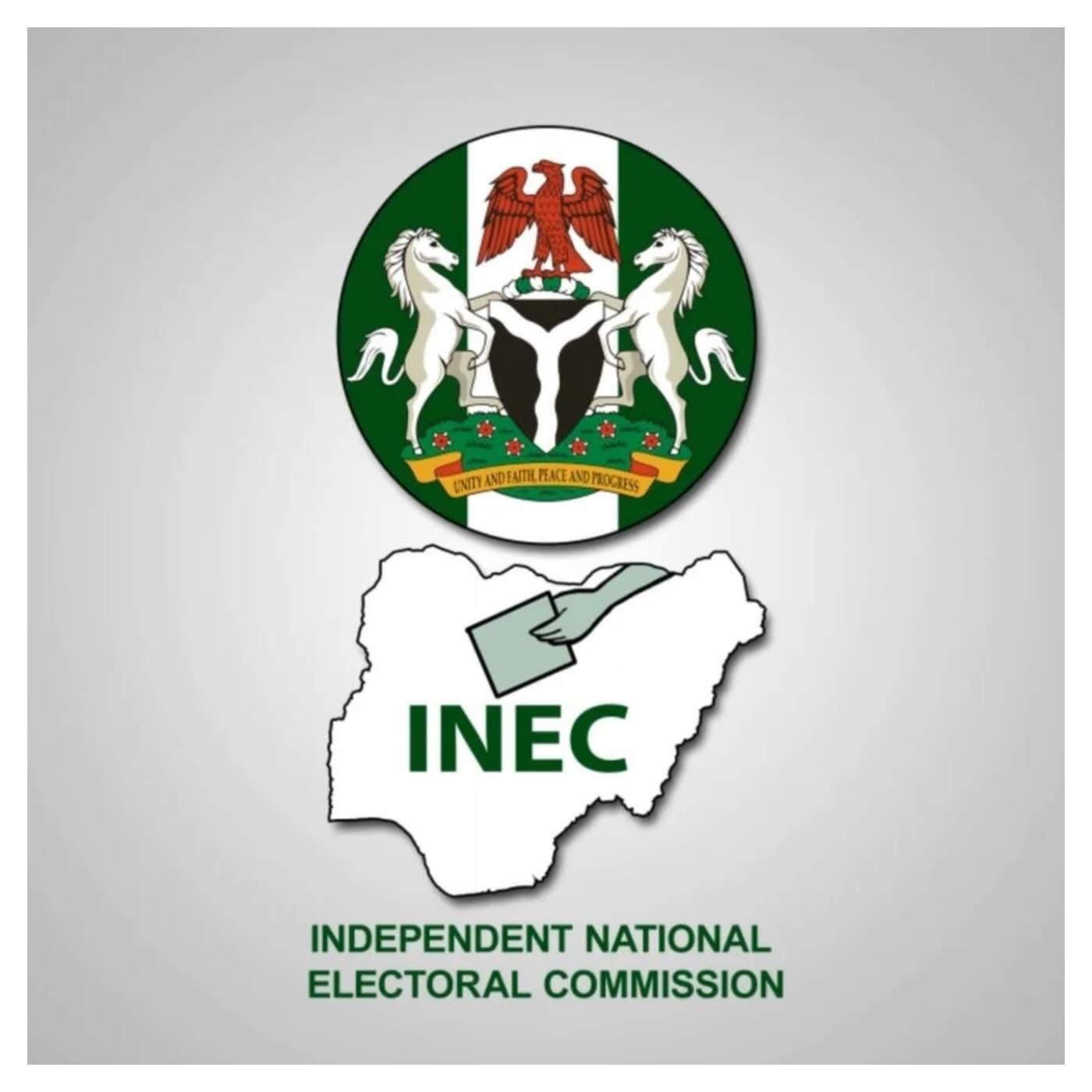
The Independent National Electoral Commission, INEC, has announced the postponement of the proposed nationwide voter revalidation exercise until after the 2027 General Election.
This follows a meeting with the Resident Electoral Commissioners, RECs, on Friday, April 10.
A statement signed by INEC’s National Commissioner, Chairman, Informationa and Voter Education Committee, Mohammed Kudu Haruna, said
“the voter revalidation exercise is a critical component of the Commission’s mandate to maintain a credible and up-to-date National Register of Voters.
It is designed to verify and review existing voter records, ensure the accuracy of personal data, eliminate duplicate and ineligible entries, and strengthen the overall integrity of the voter register.
The exercise also aims to provide an opportunity for registered voters to confirm their details and make necessary corrections where required.
INEC remains committed to the conduct of free, fair, credible, and inclusive elections.”
Following the just conducted ADC Congress, the African Democratic Congress (ADC) in Ideato South Local Government Area, Imo State, has announced its new leadership team. The team, led by Chairman Hon. Eze Chijioke, includes:
– Chairman: Hon. Eze Chijioke
– Secretary: Chief Duru Maurice
– Youth Leader: Mr. Obinwanne Okwara
– Woman Leader: Mrs. Anueyiagu Ogechi
– Organizing Secretary: Hon. Godian Egemba
The team is expected to lead the party to victory in future elections.
Politics
ADC Owerri Municipal Gets New Chairman: Hon. Success Opara Emerges Amidst State Leadership Tussle
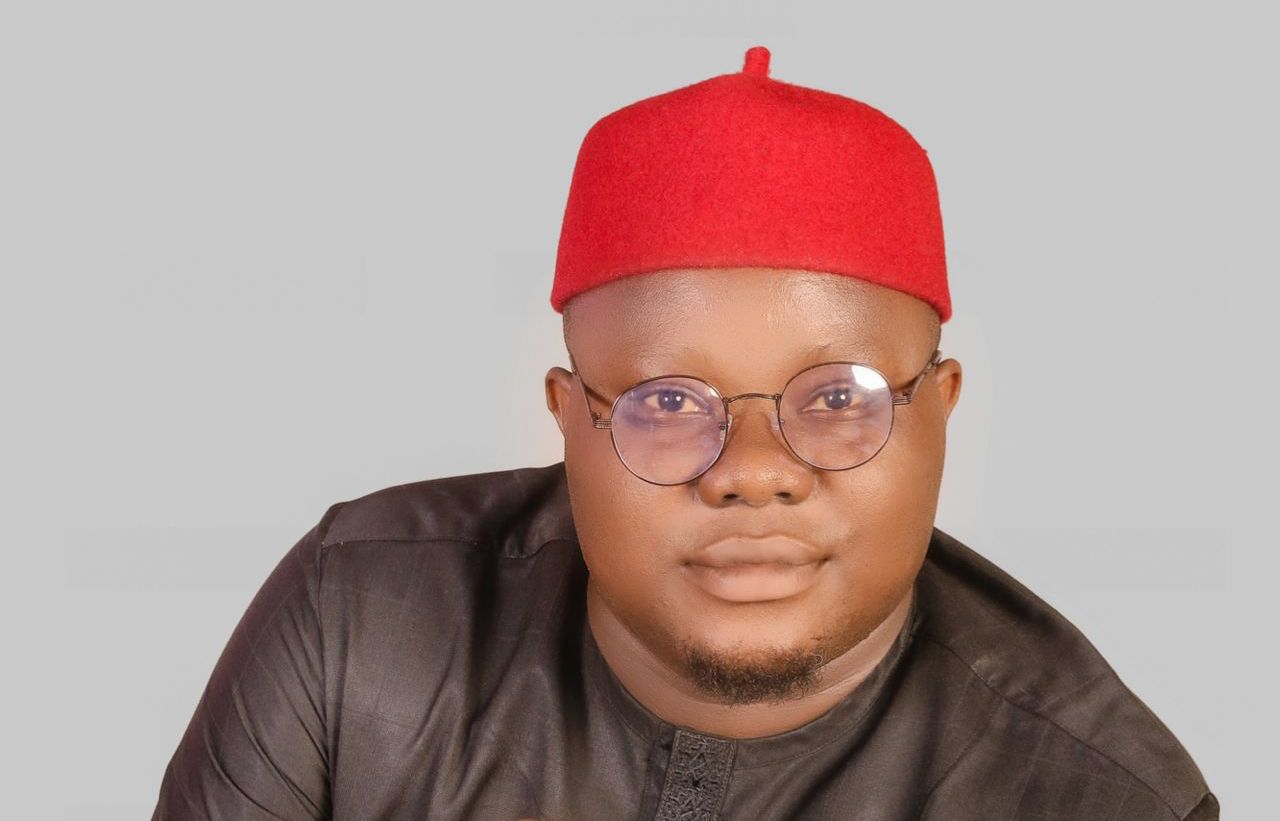
The African Democratic Congress (ADC) in Owerri Municipal, Imo State, has concluded its Local Government Area Congress, with Hon. Success Opara emerging as the new Chairman. The congress, conducted in all wards across Owerri Municipal, saw party faithfuls voting for Opara, who is expected to lead the party to victory in future elections.
However, there’s an ongoing leadership tussle within the Imo State ADC, with Chief Emmanuel Amushie claiming to be the authentic state chairman, recognized by the Independent National Electoral Commission (INEC). On the other hand, Prof. James Okoroma has also been declared the authentic state chairman by the national leadership of the ADC.
Furthermore the Independent National Electoral Commission (INEC) has removed the faction led by Prof. James Okoroma as the recognized leadership of the African Democratic Congress (ADC) in Imo State, as of April 9, 2026. INEC recognizes only the Amuchie-led Executive as the lawful and legitimate leadership of the ADC in Imo State.
The removal follows a Court of Appeal ruling directing parties to maintain the status quo pending the determination of a substantive suit before the Federal High Court. INEC has also suspended recognition of all leadership factions of the ADC until the court reaches a final decision.

INEC postpones nationwide voter revalidation until after 2027 elections

ADC Congress Ideato South: New Leadership Team Emerges

Fuel may hit N2000/litre. Subsidize crude feedstock now – TUC tells FG

-
Business1 year ago
US court acquits Air Peace boss, slams Mayfield $4000 fine
-

 Trending1 year ago
NYA demands release of ‘abducted’ Imo chairman, preaches good governance
-

 Politics1 year ago
Mexico’s new president causes concern just weeks before the US elections
-

 Politics1 year ago
Putin invites 20 world leaders
-

 Politics1 year ago
Russia bans imports of agro-products from Kazakhstan after refusal to join BRICS
-
Entertainment1 year ago
Bobrisky falls ill in police custody, rushed to hospital
-
Entertainment1 year ago
Bobrisky transferred from Immigration to FCID, spends night behind bars
-
Education2 years ago
GOVERNOR FUBARA APPOINTS COUNCIL MEMBERS FOR KEN SARO-WIWA POLYTECHNIC BORI