
EVENTS
IPOB names 27 prisons where over 350 Igbos are secretly detained

The Indigenous People of Biafra (IPOB) on Thursday raised concerns over the continued detention of over 350 Nigerians, primarily of Igbo origin, been reportedly held in secret facilities across the country.
The group revealed this in a statement issued on Thursday by its Media and Publicity Secretary, Emma Powerful.
According to IPOB, some of those detained were arrested during the 2020 #EndSARS protests and have faced severe human rights abuses, including torture and allegations of illegal organ harvesting.
The group said that Igbos are disproportionately targeted, with many being wrongfully accused of involvement with IPOB or the Eastern Security Network (ESN). IPOB also noted that individuals from other ethnic groups have been detained in similar conditions.
IPOB identified the secret detention facilities where over 350 Igbos and people from other ethnic groups were currently being held incommunicado to include: Wawa Military Base; Kanji Dam detention centre; Niger State barrack and prison (Over 350 Igbo Biafrans, some Nigerians abducted during EndSars protest) are dumped there; The DSS headquarters, Abuja; Intelligence Response Team (IRT) Abattoir, Abuja; Tiger base Police detention, Owerri, Imo State; Goodluck Jonathan’s Army barrack Ohafia, Abia state and Zone 9, Umuahia, Abia state detention center.
Others are; Zone 13 Ukpo, Anambra state; Onitsha Army Barracks, Anambra state; Navy base Ogbaru, Anambra state; SARS Awkuzu Ukpo, Anambra state; 82 division Enugu military barracks, Enugu State; Obinze Army Barracks Owerri, Imo State; Central police station headquarters Umuahia, Abia State; State CID headquarters Awka, Anambra state and Naval Base Asaba, Delta State.

Also identified by IPOB are; Enugu maximum prison, Enugu State; Port Harcourt maximum prison, River State; Aba prison, Abia state; Abakaliki prisons, Ebonyi state; Uyo prisons, Akwa Ibom; Owerri prison, Imo state; Kuje Prison, Abuja; Keffi Prison, Abuja; Suleja prison, Niger state; Nigeria military intelligence detention facility, Abuja




EVENTS
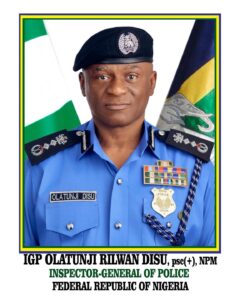
EID-EL-FITR: IGP DISU FELICITATES MUSLIM FAITHFUL, ORDERS NATIONWIDE DEPLOYMENT OF TACTICAL ASSETS
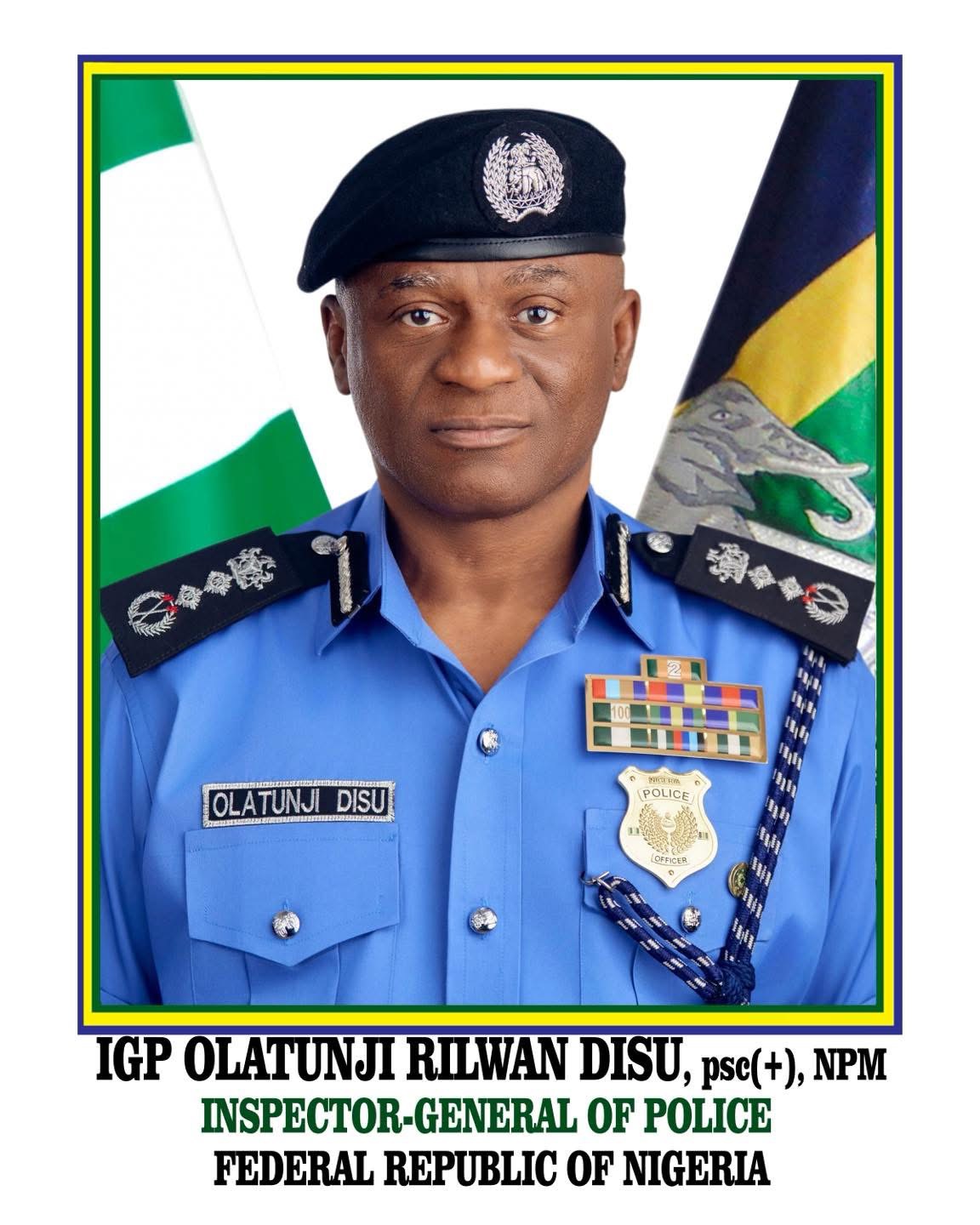
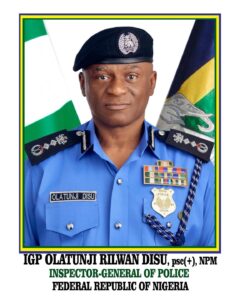
The Inspector-General of Police, IGP Olatunji Rilwan Disu, psc(+), NPM, has extended warm felicitations to the Muslim faithful across Nigeria on the successful completion of the holy month of Ramadan and the celebration of Eid-el-Fitr.
In furtherance of his commitment to ensuring a safe and secure environment during the festive period, the Inspector-General has directed Commissioners of Police and Tactical Commanders across all states of the Federation and the Federal Capital Territory to implement robust security arrangements.
Operational measures include:
Strategic deployment of tactical teams and intelligence operatives.
Deployment of the Special Intervention Squad and conventional police personnel to Eid prayer grounds and critical infrastructure.
Increased presence at highways, motor parks, recreational centers, and other public spaces to ensure peaceful, hitch-free celebrations.
The IGP has also ordered heightened visibility policing, coordinated patrols, enhanced surveillance operations, and intelligence-led stop-and-search duties. These actions are aimed at proactively deterring criminal activities and ensuring a swift response to any emerging threats.
IGP Disu calls on members of the public to remain vigilant, cooperate with law enforcement agencies, and promptly report any suspicious activities to the nearest police station or through the following emergency lines:
08057000001, 08057000002, 09133333785, and 09133333786.
IGP Tunji Disu wishes all Muslim faithful a peaceful and joyous Eid-el-Fitr.

DCP ANTHONY OKON PLACID psc(+) mni
Force Public Relations Officer
Force Headquarters, Abuja
20th March, 2026
EVENTS
Hon Success Opara celebrates Mothering Sunday with St. Peter women, hails them as the ‘neck that controls the household
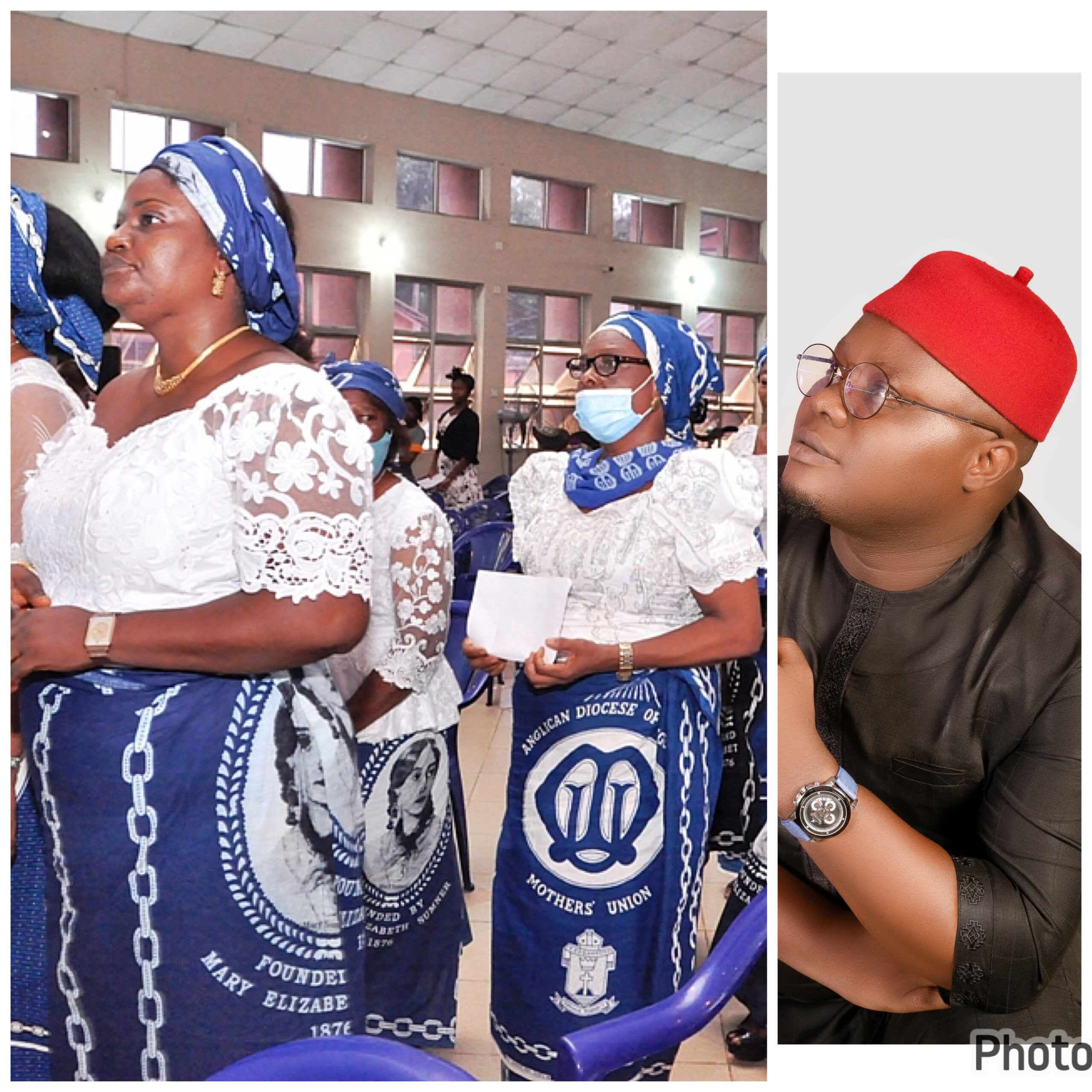
Hon Success Opara, former councilorship candidate for Ikenegbu Ward 2, celebrated Mothering Sunday with the women of St. Peter Anglican Church, Ikenegbu, extolling them as the backbone of their households.
He described them as the “neck that controls the household,” acknowledging their vital role in shaping families and communities.
Opara’s gesture is seen as a testament to his commitment to uplifting and empowering women.
The celebration, which coincided with the Christian observance of Mothering Sunday, featured fellowship and words of encouragement from Opara, who prayed for the women’s well-being.
This event highlights the importance of recognizing and appreciating mothers and mother figures in Nigerian society.
EVENTS
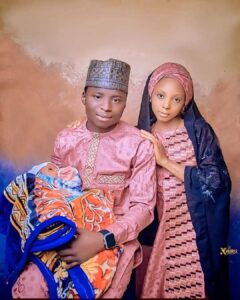
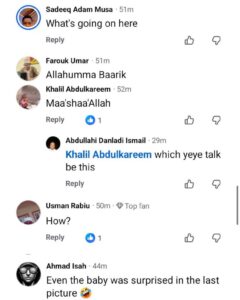
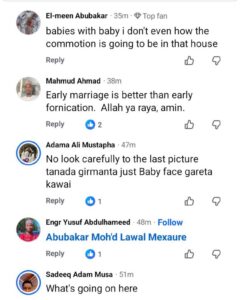
“Early marriage is better than fornication” – Mixed reactions as young Nigerian couple trends after welcoming a child
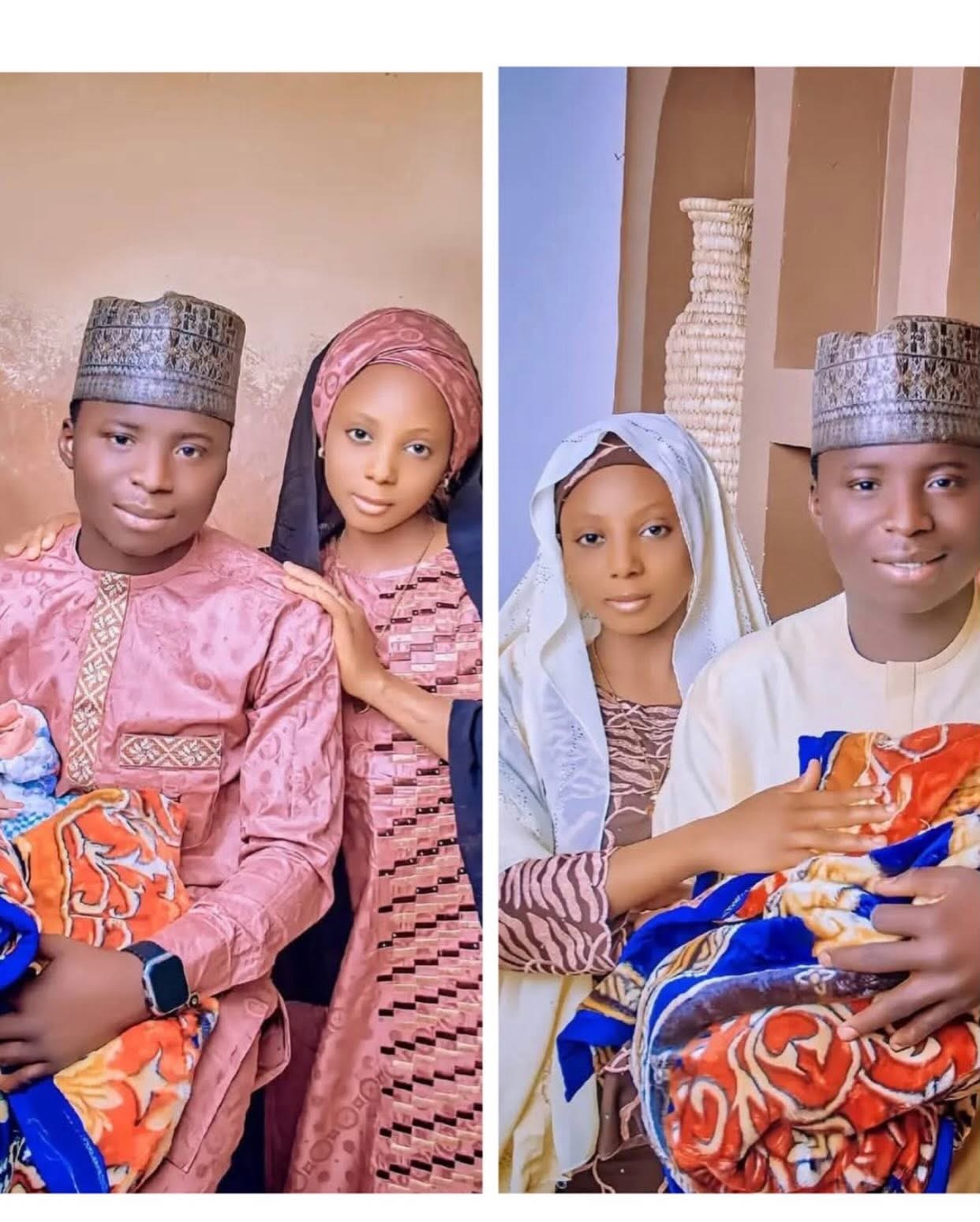
A young Nigerian couple are currently trending on Arewa social media circles after they welcomed their first child.
The pictures taken by a Kaduna-based photographer have sparked mixed reactions, with some people saying that the girl is underaged and not old enough to be a wife and mother.

David Mark Holds Secret Meeting With PRP Leaders as ADC Crisis Deepens

Chaos As Military Officers Exchange Blows During Tinubu’s Visit To Bayelsa (Videos)

HRH Ekwueme of Ochia Kingdom Iynched & kiIIed in Imo.

-
Business1 year ago
US court acquits Air Peace boss, slams Mayfield $4000 fine
-
 Trending1 year ago
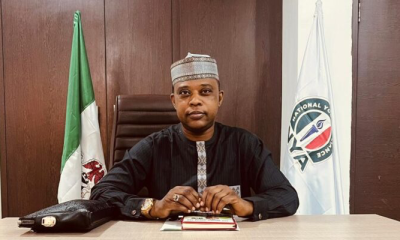
NYA demands release of ‘abducted’ Imo chairman, preaches good governance
-

 Politics1 year ago
Mexico’s new president causes concern just weeks before the US elections
-
 Politics1 year ago
Putin invites 20 world leaders
-
 Politics1 year ago
Russia bans imports of agro-products from Kazakhstan after refusal to join BRICS
-
Entertainment1 year ago
Bobrisky falls ill in police custody, rushed to hospital
-
Entertainment1 year ago
Bobrisky transferred from Immigration to FCID, spends night behind bars
-
Education2 years ago
GOVERNOR FUBARA APPOINTS COUNCIL MEMBERS FOR KEN SARO-WIWA POLYTECHNIC BORI