
EVENTS
Pakistan bans Pashtun group as government cracks down on dissent

Pakistani authorities have unleashed a draconian crackdown on dissent, breaking up opposition protests with violence and mass arrests and banning a movement to promote the rights of the ethnic Pashtun community under terrorism laws.
Hundreds of riot police fired teargas and charged with batons as supporters of Pakistan Tehreek-e-Insaf (PTI), the party of the incarcerated former prime minister Imran Khan, gathered to protest over the weekend in the cities of Islamabad and Lahore.
Dozens of PTI figures, including prominent leaders and lawyers, were arrested and hundreds more were charged under terrorism laws, with Khan among those named.
Khan’s supporters took to the streets to demand the release of their leader and to call for an independent judiciary. Khan, 71, has been held in jail since August 2023 on upwards of 100 charges of corruption and terrorism that he alleges are politically motivated. Khan was earlier sentenced to 10 years for leaking state secrets but the courts overturned the verdict.
Related: North-west Pakistan in grip of deadly Taliban resurgence
The weekend’s events marked a notable escalation of a crackdown on PTI that started several months ago. The crackdown began before February’s election, which was marred by allegations against the military establishment that it had rigged results to prevent the PTI from taking power.
Among the senior PTI figures picked up by authorities on the weekend was Ali Amin Gandapur, the chief minister of Khyber Pakhtunkhwa province. His party alleged he was “disappeared” from Islamabad for more than 24 hours before reappearing on Sunday night in parliament, where he claimed he had been held by police and paramilitary forces.
On Sunday night, the interior ministry suddenly announced that the government would be banning the Pashtun Tahafuz Movement (PTM), a peaceful organisation that has long championed the rights of Pakistan’s ethnic Pashtuns.
PTM has been highly critical of Pakistan’s powerful military establishment and its role in abuses and enforced disappearances in the Pashtun-dominated areas of Khyber Pakhtunkhwa and Balochistan.
In a brief statement, the ministry said that PTM had been declared a terrorist organisation due to “certain activities that are prejudicial to the peace and security of the country”. Pakistan’s human rights commission condemned the ban, emphasising that PTM was a peaceful organisation and describing the government’s decision as “neither transparent nor warranted”.
PTM has recently begun to mobilise in large numbers and had planned a historic three-day national gathering this week in Khyber Pakhtunkhwa.
The national gathering was planned as a response to the worsening security situation and increase in militant attacks in the region, as well as to challenge abuses committed by the military against Pashtuns. In an unusual move, PTI and other opposition parties had agreed to join the event in a show of unity.
Hundreds of PTM members have been arrested in recent days, and the organisation’s founder and leader, Manzoor Pashteen, is now in hiding. Fida Wazir, a PTM leader, said the group still intended to go ahead with the event, despite police and paramilitary forces attempting to break it up with violence and by setting fire to their camps.
“We will challenge the illegal ban in the court tomorrow,” said Wazir. “We are hopeful that the court will overturn the unjust and unconstitutional ban.”
The government is taking an increasingly iron-fisted approach to all forms of opposition even as it is weakened by growing economic and security problems.
It is ruled by an unwieldy coalition of the Pakistan Muslim League Nawaz (PML-N) and its former rival the Pakistan People’s party (PPP), and is seen as weak and beholden to the powerful military, which has long been accused of interfering in political affairs. The prime minister, Shehbaz Sharif, is increasingly unpopular with the public as the country grapples with sky-high inflation and an economic crisis.
Militant attacks have continued to rise in Pakistan’s border areas in the aftermath of the Taliban takeover of neighbouring Afghanistan, with little sign of the security situation improving. Almost 1,000 people have been killed in militant attacks and counter-terrorism operations in the past three months alone, the majority in Khyber Pakhtunkhwa and neighbouring Balochistan.
Senior figures in PML-N have repeatedly sought to blame Khan and PTI for the country’s woes. In July, the government said they would be banning Khan’s party but have yet to act on the threat.
This week, Maryam Nawaz, the PML-N chief minister of Punjab and the niece of the prime minister, said PTI was a “terrorist group that repeatedly is attacking its own country”, adding: “The state should treat the PTI like terrorists – otherwise, it will be too late.”






EVENTS
EID-EL-FITR: IGP DISU FELICITATES MUSLIM FAITHFUL, ORDERS NATIONWIDE DEPLOYMENT OF TACTICAL ASSETS
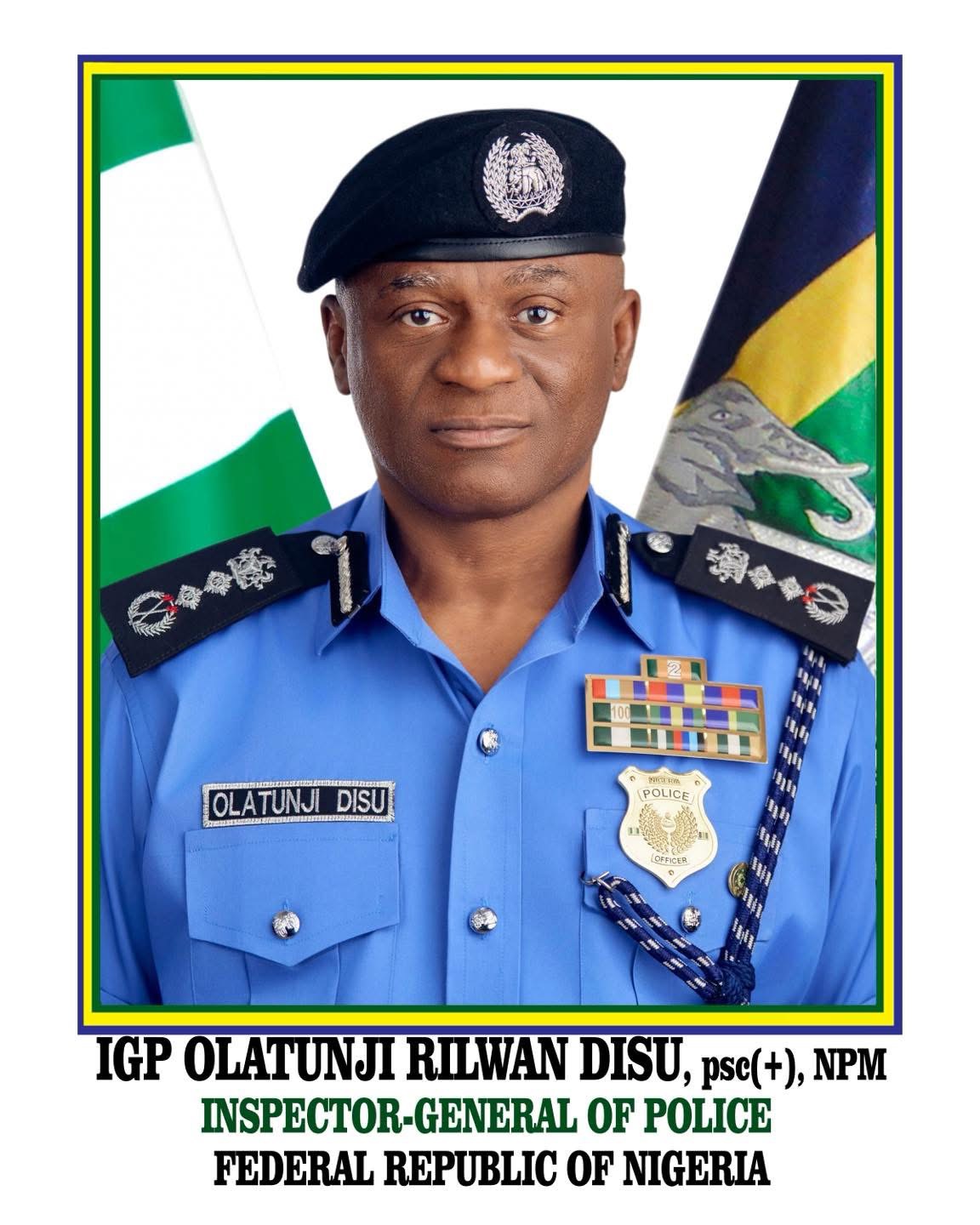
The Inspector-General of Police, IGP Olatunji Rilwan Disu, psc(+), NPM, has extended warm felicitations to the Muslim faithful across Nigeria on the successful completion of the holy month of Ramadan and the celebration of Eid-el-Fitr.
In furtherance of his commitment to ensuring a safe and secure environment during the festive period, the Inspector-General has directed Commissioners of Police and Tactical Commanders across all states of the Federation and the Federal Capital Territory to implement robust security arrangements.
Operational measures include:
Strategic deployment of tactical teams and intelligence operatives.
Deployment of the Special Intervention Squad and conventional police personnel to Eid prayer grounds and critical infrastructure.
Increased presence at highways, motor parks, recreational centers, and other public spaces to ensure peaceful, hitch-free celebrations.
The IGP has also ordered heightened visibility policing, coordinated patrols, enhanced surveillance operations, and intelligence-led stop-and-search duties. These actions are aimed at proactively deterring criminal activities and ensuring a swift response to any emerging threats.
IGP Disu calls on members of the public to remain vigilant, cooperate with law enforcement agencies, and promptly report any suspicious activities to the nearest police station or through the following emergency lines:
08057000001, 08057000002, 09133333785, and 09133333786.
IGP Tunji Disu wishes all Muslim faithful a peaceful and joyous Eid-el-Fitr.

DCP ANTHONY OKON PLACID psc(+) mni
Force Public Relations Officer
Force Headquarters, Abuja
20th March, 2026
EVENTS
Hon Success Opara celebrates Mothering Sunday with St. Peter women, hails them as the ‘neck that controls the household
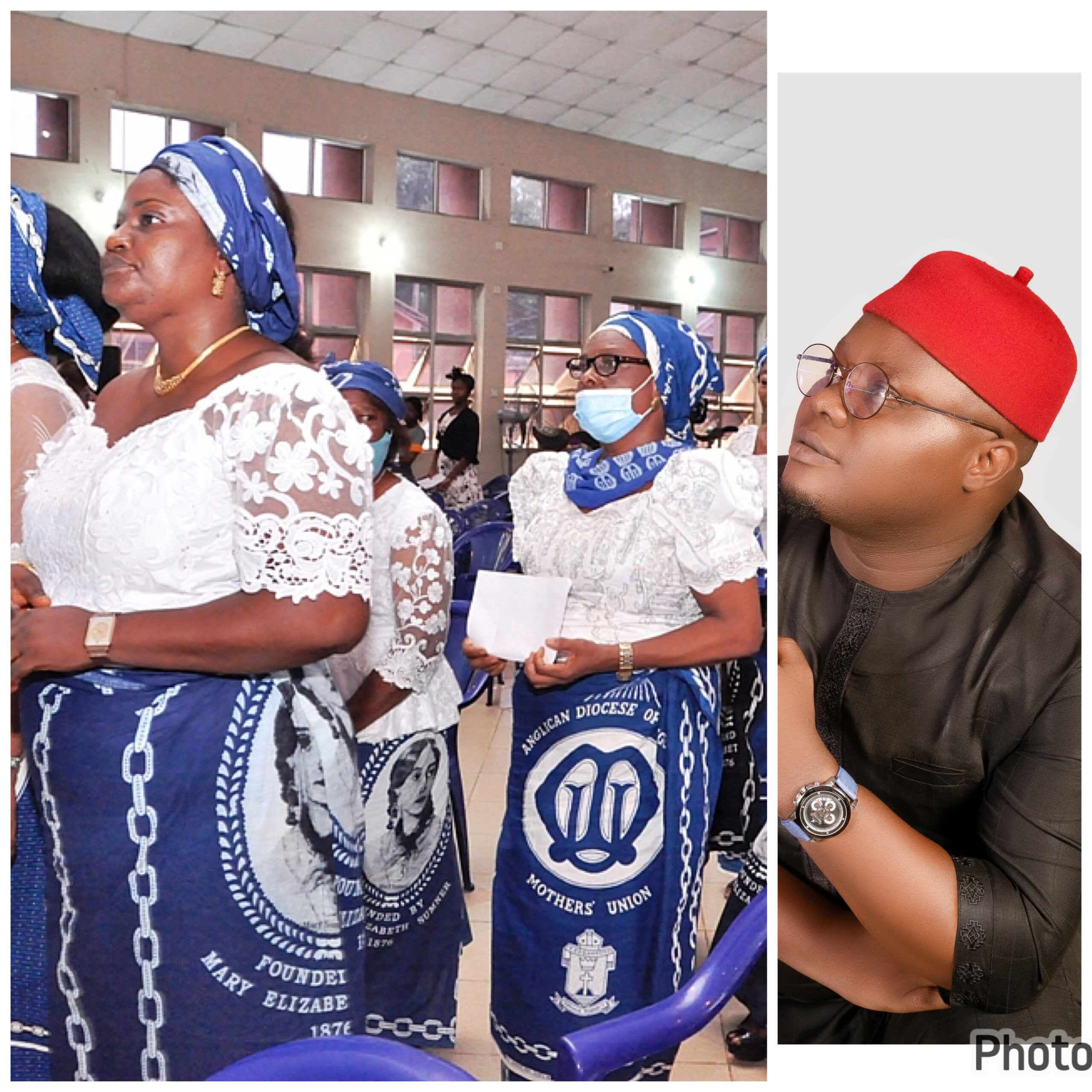
Hon Success Opara, former councilorship candidate for Ikenegbu Ward 2, celebrated Mothering Sunday with the women of St. Peter Anglican Church, Ikenegbu, extolling them as the backbone of their households.
He described them as the “neck that controls the household,” acknowledging their vital role in shaping families and communities.
Opara’s gesture is seen as a testament to his commitment to uplifting and empowering women.
The celebration, which coincided with the Christian observance of Mothering Sunday, featured fellowship and words of encouragement from Opara, who prayed for the women’s well-being.
This event highlights the importance of recognizing and appreciating mothers and mother figures in Nigerian society.
EVENTS
“Early marriage is better than fornication” – Mixed reactions as young Nigerian couple trends after welcoming a child

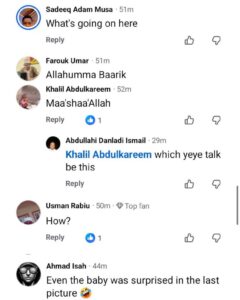
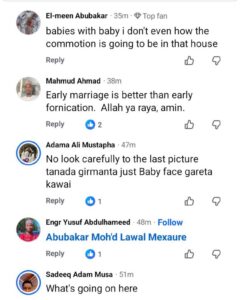
A young Nigerian couple are currently trending on Arewa social media circles after they welcomed their first child.
The pictures taken by a Kaduna-based photographer have sparked mixed reactions, with some people saying that the girl is underaged and not old enough to be a wife and mother.


David Mark Holds Secret Meeting With PRP Leaders as ADC Crisis Deepens

Chaos As Military Officers Exchange Blows During Tinubu’s Visit To Bayelsa (Videos)

HRH Ekwueme of Ochia Kingdom Iynched & kiIIed in Imo.

-
Business2 years ago
US court acquits Air Peace boss, slams Mayfield $4000 fine
-

 Trending2 years ago
NYA demands release of ‘abducted’ Imo chairman, preaches good governance
-

 Politics2 years ago
Mexico’s new president causes concern just weeks before the US elections
-

 Politics2 years ago
Putin invites 20 world leaders
-

 Politics2 years ago
Russia bans imports of agro-products from Kazakhstan after refusal to join BRICS
-
Entertainment2 years ago
Bobrisky falls ill in police custody, rushed to hospital
-
Entertainment2 years ago
Bobrisky transferred from Immigration to FCID, spends night behind bars
-
Education2 years ago
GOVERNOR FUBARA APPOINTS COUNCIL MEMBERS FOR KEN SARO-WIWA POLYTECHNIC BORI