
Politics
Nigeria Customs Service Enhances Operations Through Strategic Alliances

…Signs Landmark Customs Mutual Assistance Agreements (CMAAs) with Indian Customs, others
As global trade grows increasingly complex, the need for strategic partnerships has become critical. From aligning with international frameworks to fostering collaborations with local and regional entities, the Nigeria Customs Service (NCS) has continually evolved to meet the demands of a dynamic trade environment. These partnerships are essential not only for combating smuggling and illicit trade but also for ensuring the seamless flow of legitimate trade that drives economic growth.
Over the years, the NCS has embraced various international and regional frameworks, signed Memorandums of Understanding (MoUs), and deepened cooperation with customs administrations worldwide. These efforts underscore the recognition that customs operations cannot function in isolation in an interconnected global economy. From adopting the World Trade Organisation (WTO) Trade Facilitation Agreement to implementing the World Customs Organisation (WCO) SAFE Framework of Standards, the NCS has demonstrated a commitment to efficiency, security, and transparency.
The WTO Trade Facilitation Agreement and Its Impact on NCS
The WTO Trade Facilitation Agreement (TFA), ratified in 2017, is a landmark accord aimed at simplifying and modernising global trade procedures. For Nigeria, the TFA provides a framework for reducing trade costs, eliminating unnecessary barriers, and improving the efficiency of customs operations. The NCS has been at the forefront of implementing TFA provisions to enhance trade facilitation.
The agreement emphasises transparency, prompting the NCS to publish import and export procedures online, making them accessible to stakeholders. Furthermore, the adoption of pre-arrival processing, Time Release Studies, Advance Ruling Systems, Authorised Economic Operator (AEO) programmes, and risk-based management systems aligns with the TFA’s focus on efficiency. These measures are set to reduce clearance times at Nigeria’s ports, boosting the country’s competitiveness in global trade.
By embracing the TFA, the NCS has not only facilitated legitimate trade but also improved compliance rates among importers and exporters. This balance between trade facilitation and regulatory enforcement reflects the Service’s commitment to fostering an environment conducive to economic growth.
The WCO SAFE Framework of Standards: Strengthening Global Supply Chains
The WCO SAFE Framework of Standards is another critical pillar in the NCS’s operational strategy. Designed to secure and facilitate global trade, the framework promotes cooperation between customs administrations and the private sector while ensuring the safety and security of supply chains.
For the NCS, implementing the WCO SAFE Framework has been transformative. The Service has adopted risk management tools to identify high-risk consignments, streamlining the inspection process for low-risk goods. This has resulted in faster clearance times and reduced congestion at ports.
In addition, the Authorised Economic Operator (AEO) programme, a key component of the framework, has incentivised compliance by offering trusted traders benefits such as expedited processing and reduced inspections.
By aligning with the WCO SAFE Framework, the NCS has enhanced its capacity to combat smuggling, counterfeiting, and other illicit activities, ensuring that Nigeria’s borders remain secure while facilitating legitimate trade.
Customs-to-Customs Cooperation: A Global Perspective
International cooperation is vital for the NCS to effectively address cross-border challenges. Customs-to-customs collaboration facilitates the exchange of information, intelligence, and best practices, enabling the NCS to tackle complex issues such as smuggling and tax evasion.
On 18 July 2024, Comptroller-General of Customs, Bashir Adewale Adeniyi, took a significant step in strengthening global partnerships by participating in a bilateral meeting with U.S. Customs and Border Protection (CBP) in Washington, D.C. The meeting focused on reviving the over-decade-old Customs Mutual Assistance Agreement (CMAA) to enhance service delivery through global collaborations and data-driven decision-making to improve national security and combat cross-border crimes.
The CGC highlighted the NCS’s ongoing efforts to address challenges such as drug trafficking, arms smuggling, and money laundering, while ensuring national security. He noted that reviving the CMAA would bolster the NCS’s capacity to protect Nigeria’s borders and enhance service delivery.
On Wednesday, 8 May 2024, Comptroller-General of Customs (CGC) Adewale Adeniyi led some of his management team in Shenzhen, where he signed a bilateral affiliation with China, which, according to him, will boost the two countries’ import-export operations and favour the businesses of MSMEs in Nigeria.
The CGC appreciated the Vice Minister of the General Administration of Customs of the People’s Republic of China, Wang Lingjun, for showing interest in signing MoU with the NCS. He also applauded the recent exponential rise in the development of e-commerce, adding, “We know a lot of Nigerian companies and SMEs take advantage of the opportunities aided through e-commerce.”
CGC Adeniyi expressed optimism that the NCS-GACC Memorandum of Understanding will serve as a critical component of cooperative security and trade relationship between the two nation’s Customs agencies, reiterating that “The relationship will create a cooperative mechanism for NCS and the GACC to collaborate on supply chain security standards and enhance the economic stability of both nations.”
“These are some of the many reasons why Nigeria Customs Service pays attention to what is happening in China. As you have said, China is making the biggest trade in Nigeria, and the basic context of International Trade is ‘your export is our import’. I appreciate the numbers that you gain in Nigeria. But it is also common knowledge that those numbers sometimes must take account of the large volume of informal trade that exists between us.” CGC Adeniyi said.
Mr Wang Lingjun of the General Administration of Customs, who represented Vice Minister Sun Yuning, and signed the MoU on behalf of the People’s Republic of China, expressed satisfaction over CGC Adeniyi’s vision that the affiliation between two agencies will serve as a mechanism for creating opportunities that Nigeria and China share on a wide range of economic issues and trade facilitation.
In 2023 alone, the NCS successfully intercepted over 5,000 illegal firearms and large quantities of counterfeit pharmaceuticals. Such achievements underscore the importance of customs-to-customs partnerships, which also include capacity-building initiatives and technical assistance to modernise technologies and practices.
Customs-to-Business Partnerships: Enhancing Trade Facilitation
In addition to international cooperation, the NCS has prioritised customs-to-business partnerships to foster trust and collaboration with the private sector. These partnerships are crucial for balancing regulatory enforcement to facilitate legitimate trade.
The Authorised Economic Operator (AEO) programme is a prime example of customs-to-business collaboration. The programme has encouraged greater transparency and adherence to customs regulations by granting benefits to compliant traders. Additionally, the NCS has engaged with stakeholders through public forums and consultations to address concerns and improve service delivery.
On September 2, 2024, the NCS rolled out the benefits of the AEO programme to select importers, exporters, SMEs, and logistics operators who demonstrated high levels of regulatory compliance.
In the first week of the rollout, one of the beneficiaries voluntarily disclosed an underpayment of duties due to the erroneous classification of a high-value item. The error, identified through a self-audit, was reported to the NCS without waiting for detection by customs officials. By taking immediate corrective action, the company avoided penalties while retaining the benefits of the AEO programme.
These partnerships have enhanced the efficiency of customs operations and bolstered Nigeria’s reputation as a trade-friendly nation. By working closely with businesses, the NCS has created an environment where compliance is rewarded, and trade facilitation is prioritised.
Regional Integration: AfCFTA’s Role in NCS Operations
The African Continental Free Trade Area (AfCFTA) represents a significant opportunity for Nigeria and the NCS. By removing trade barriers across Africa, AfCFTA aims to boost intra-African trade and foster economic integration.
To align with AfCFTA objectives, the NCS has facilitated Nigeria’s first shipment to Kenya, with Lucky Fibres, a subsidiary of the Tolaram Group, becoming one of the first companies to ship goods to Kenya under the African Continental Free Trade Area Agreement (AfCFTA).
During a visit to the Apapa Area Command on Wednesday, 30 October 2024, to ensure proper documentation and verification of the shipment, Olusegun Olutayo, Senior Trade Expert and Lead of Trade Enablement at the Nigeria AfCFTA Coordination Office, noted that the shipment from Nigeria to Kenya, specifically to the port of Mombasa, demonstrates the collaborative spirit of AfCFTA.
“It is not that we are doing it alone; I have already sent a message to the Secretariat in Ghana that there will be a shipment under AfCFTA to Kenya. I have also communicated with the AfCFTA implementation committee in Kenya. So this is the spirit we are building to ensure that we increase intra-African trade,” Olutayo noted.has taken proactive measures, such as implementing electronic single windows for trade, adopting geospatial intelligence tools, and enhancing border management systems. These initiatives are essential for ensuring Nigeria benefits fully from AfCFTA while safeguarding its revenue and security interests.
Recent MoUs: Strengthening Local and International Partnerships
The signing of MoUs with India on 17 November 2024 and NAFDAC underscores the NCS’s commitment to fostering strategic partnerships.
The CMAA with India establishes a framework for information sharing, joint investigations, and enforcement of customs laws. This partnership, which culminated from negotiations that began in 2016, is expected to streamline border clearance processes, reduce trade costs, and improve enforcement.
Key provisions include the accurate imposition of duties and taxes, verification processes, strengthened mechanisms to combat customs offences, and robust channels for information exchange.
Similarly, the recent MoU signed with NAFDAC at the side event during CGC’s Conference, held between 12 to 15 November 2024 in Abuja, highlights inter-agency collaboration in addressing public health and safety challenges. This partnership seeks to combat the importation of counterfeit pharmaceutical products, ensuring Nigerians have access to safe and high-quality medicines.
NAFDAC’s Director-General, Prof. Mojisola Adeyeye, emphasised that the agreement would strengthen efforts to safeguard public health by reinforcing regulatory frameworks and ensuring the integrity of food and drug products.
Conclusion: A Future Built on Collaboration
The Nigeria Customs Service’s strategic partnerships are a testament to its commitment to modernising customs operations, enhancing trade facilitation, and safeguarding Nigeria’s economy. From aligning with international frameworks like the WTO TFA and WCO SAFE Framework to forging partnerships with key stakeholders, the NCS has demonstrated a clear vision for the future.
Drawing from the recently concluded 2024 Comptroller General of Customs Conference, themed “Engaging Traditional and New Partners with a Purpose,” serves as a strategic platform for stakeholders to explore innovative ways to strengthen partnerships and address challenges within the global supply chain.
The conference emphasises how the Nigeria Customs Service (NCS) is leveraging collaborations with traditional and emerging partners to enhance its core revenue generation, trade facilitation, and compliance enforcement mandates. It examined how these partnerships can improve efficiency, promote seamless trade, and ensure compliance with global regulations, thereby bolstering Nigeria’s economic development.
With thought-provoking panels, keynote speeches, and interactive discussions, the event highlights the NCS’s commitment to modernisation and innovation. It underscores the pivotal role of partnerships in achieving operational excellence and driving Nigeria’s integration into the global economy.










Surulere I lawmaker Desmond Elliot has withdrawn from the All Progressives Congress Lagos House of Assembly primaries, citing intimidation across multiple zones.
In a viral video posted online, the lawmaker said he was stepping out of the race despite seeking re-election under the APC. He alleged that his supporters faced intimidation during the process in several parts of the constituency.
Elliot’s decision came as the primaries held across Lagos on Tuesday. Chief of Staff to the President Femi Gbajabiamila, who represents Surulere Federal Constituency, praised the conduct of the exercise in Surulere, describing it as peaceful.
The withdrawal narrows the contest for the APC ticket in Surulere I ahead of the 2027 general election. Party officials in Lagos have not yet responded to Elliot’s claims, and the APC state chapter has not announced whether the primary in the constituency will proceed with other aspirants.
Elliot has represented Surulere I in the Lagos State House of Assembly since 2015.
https://www.instagram.com/reel/DYkCaAiMxxt/?igsh=ZWw5czl6MHJhNnRy
Politics
Political Shockwave in Rivers as Fubara Pulls Out of APC Governorship Race, Backs Party’s Candidate
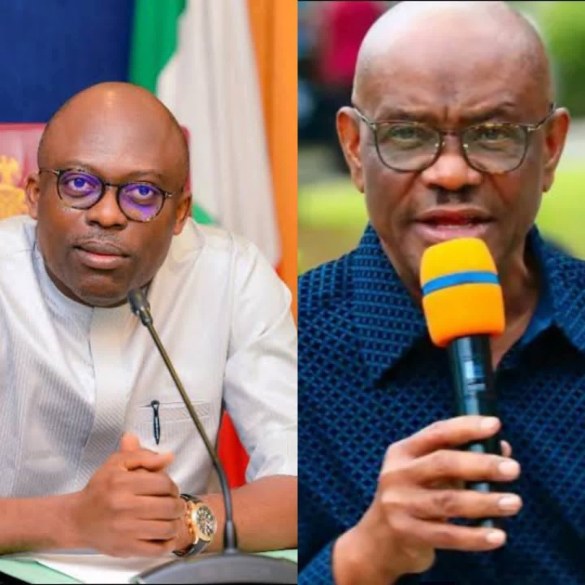
Rivers State Governor, Siminalayi Fubara, has officially withdrawn from the All Progressives Congress (APC) governorship primaries scheduled to take place on Thursday, a development that has stirred fresh political conversations across the state.
The governor announced his decision in a personally signed statement titled “My Decision to Withdraw from the Rivers State Gubernatorial Primaries,” which was released on Wednesday night.
In the statement, Fubara explained that his withdrawal followed wide consultations with political associates, stakeholders, and supporters. He stated that the decision was taken in the overall interest of peace, unity, and stability within the APC and Rivers State at large.
According to the governor, politics should not be allowed to divide the people or create unnecessary tension within the party. He stressed that preserving unity among party members and maintaining stability in the state remain more important than personal political ambition.
Fubara further pledged his total loyalty and support to whoever eventually emerges as the APC governorship candidate, assuring party faithful that he remains committed to the success and progress of the party ahead of the next general elections.
The Rivers governor also appreciated his supporters across the state for standing by him throughout the political process. He thanked party leaders, youth groups, women supporters, and political associates who had continued to show him solidarity and encouragement.
He urged his supporters not to see his withdrawal as the end of his political journey, but rather as a decision made in the collective interest of the party and the state. He also appealed to them to remain peaceful, united, and committed to the ideals of the APC.
Political observers have described the development as one of the biggest political surprises in Rivers State in recent times, especially considering the growing speculations and intense political alignments ahead of the governorship primaries.
Analysts believe the governor’s withdrawal may reshape the political calculations within the APC and influence the direction of the party’s governorship race moving forward.
The announcement has continued to generate mixed reactions from political stakeholders and residents across Rivers State. While some supporters described the move as strategic and mature, others expressed surprise over the governor’s sudden exit from the contest.
Several party faithful, however, commended Fubara for placing party unity and stability above personal ambition, noting that his decision may help reduce internal tensions and strengthen the APC ahead of the elections.
The development has also intensified attention on the remaining aspirants contesting for the APC governorship ticket, as consultations and political meetings continue ahead of the primary election.
Many observers believe the governor’s endorsement of the eventual APC candidate could play a major role in shaping the outcome of the party’s governorship battle and future political structure in the state.
As political activities continue to gather momentum in Rivers State, all eyes are now on the APC primaries and the next phase of political developments expected to unfold in the coming days.
Politics
Ugochukwu Obodo wins Owerri Municipal APC ticket again as APC Elects 27 Imo Assembly Candidates After Successful Primaries
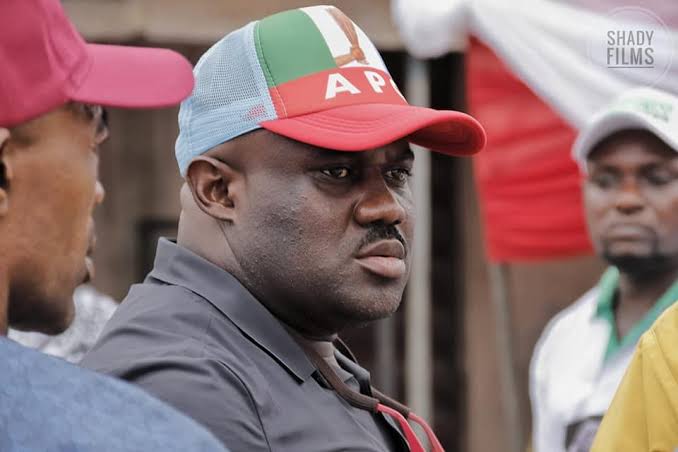
The leadership and members of the All Progressives Congress (APC) in Imo State have successfully elected 27 candidates who emerged victorious during the recently concluded Imo State House of Assembly primary elections conducted across the 305 wards of the State.
In a statement obtained by ThePressman Newspaper, the leadership of Imo APC described the primary election exercise as peaceful, transparent, credible, and reflective of the democratic ideals and internal cohesion of the party.
The information from the party commended party faithful, delegates, stakeholders, and supporters for their maturity, discipline, unity, and sportsmanship throughout the electoral process, noting that the successful conduct of the primaries further demonstrated the organizational strength and readiness of the APC ahead of the 2027 general elections.
According to the statement, the outcome of the primaries reaffirmed the confidence reposed in the party by members across the State, while also positioning the APC for a formidable outing in the forthcoming elections.
The Imo APC leadership warmly congratulated the party’s standard bearers who emerged across the 27 State Constituencies, namely:
Uchenna Osigwe – Orsu LGA
Chantel Adanna Onwumere – Ikeduru
Obodo Ugochukwu – Owerri Municipal
Hon. Ernest Udeze – Ideato North
Godspower Onyeibe – Ideato South
Mrs Julie Egbo – Owerri North
Rt. Hon. Kanayo Onyemaechi – Owerri West
Prince Marcel Amadioha – Ohaji Egbema
Hon. Gilbert Nwosu – Oguta
Hon. Uche Obiozor – Oru East
Hon. Emeka Agbor – Oru West
Rt. Hon. Obinna Egu – Ngor-Okpala
Hon. Magnus Okolie – Orlu
Hon. Innocent Ikpamezie – Mbaitoli
Hon. Modestus Osakwe – Isu
Hon.Ebonine Ozioma Worship – Njaba
Rt Hon Amarachi Chyna Iwuanyanwu – Nwangele
Hon. Chisom Ojukwu – Nkwerre
Hon. Doris Anyanwu – Ahiazu Mbaise
Hon. Princewill Amuchie – Aboh Mbaise
Hon. Henry Agbasonu – Ezinihitte Mbaise
Hon. Sam Osuji – Isiala Mbano
Ben Ozoemenam – Ehime Mbano
Hon. Emeka Okoronkwo – Okigwe
Prince Humphrey Okeke – Obowo
Lady Blessing Nwoba – Ihitte-Uboma
Hon. Chibuzor Umunnakwe – Onuimo
The party further expressed confidence that the emergence of the candidates would strengthen the APC’s chances of securing victory across the State during the 2027 general elections.

Breaking: Tinubu Appoints 39 Year Old Professor As New Jamb Registrar

Desmond Elliot Withdraws from APC Lagos Assembly Primaries, Cites Intimidation

Political Shockwave in Rivers as Fubara Pulls Out of APC Governorship Race, Backs Party’s Candidate

-
Business2 years ago
US court acquits Air Peace boss, slams Mayfield $4000 fine
-

 Trending2 years ago
NYA demands release of ‘abducted’ Imo chairman, preaches good governance
-

 Politics2 years ago
Mexico’s new president causes concern just weeks before the US elections
-

 Politics2 years ago
Putin invites 20 world leaders
-

 Politics2 years ago
Russia bans imports of agro-products from Kazakhstan after refusal to join BRICS
-
Entertainment2 years ago
Bobrisky falls ill in police custody, rushed to hospital
-
Entertainment2 years ago
Bobrisky transferred from Immigration to FCID, spends night behind bars
-
Education2 years ago
GOVERNOR FUBARA APPOINTS COUNCIL MEMBERS FOR KEN SARO-WIWA POLYTECHNIC BORI