
Politics
WE’LL CONTINUE TO SUPPORT SECURITY AGENCIES IN RIVERS STATE – GOV. FUBARA As COAS hails RGS’s gesture, assures more efforts to combat crime.

WE’LL CONTINUE TO SUPPORT SECURITY AGENCIES IN RIVERS STATE – GOV. FUBARA
As COAS hails RGS’s gesture, assures more efforts to combat crime.
Rivers State Governor, Sir (Dr.) Siminalayi Fubara has restated the commitment of his administration to support security agencies in the State to function effectively in the discharge of the duties of protecting lives and properties in the State.
Governor Fubara who spoke at Nigeria Air Force Base Port Harcourt during the commissioning of two blocks of 12 flats each of two bed room prototype residential building on Monday, December 9, 2024, said the responsibility of government transcend delivery of services to the electorates and communities, to supporting critical institutions that protect lives and properties in the State.
“We are here to say as a government our support is not only to those who elected us, those community that we have to see to their welfare but we also have to contribute and support the agencies that also protect lives and property in our State.
“This project that we are commissioning today was not started by our administration. It was conceived in 2017 and it wasn’t completed but our government came and we were approached and knowing the importance of the welfare of the officers of the Airforce, knowing that when they are comfortable they will perform effectively.”
“We have a very difficult situation in our hands where we are battling the cases of oil theft, vandalisation of oil pipeline, and these are men who are always trying to ensure that these national treasures are secured. Our little contribution to their welfare can just be this.”
Governor Fubara who commended the Nigerian Air Force for their efforts in combating crimes and criminalities, particularly against oil theft and bunkering in the state said the task of catering for the welfare of security agencies should not be the exclusive responsibility of the Federal government alone, but should be complemented by other stakeholders.
“I consider it not much but just a little thing that we can do to appreciate the sacrifices they are making for us. It is not only Mr. President that will carry this burden, we in our own little corner are also supposed to contribute to the welfare of this officers.”
“So, what we are doing today is to tell the world and Nigerians that we are not limiting our support to our primary constituents, which is the communities and LGAs, but we also extend our support to other institutions that also help in making Rivers State safe.”
“Like the contractor said the project was initiated in 2017 at the cost of N212million for one reason or the other it wasn’t completed. When we came on board we have to review it and it was valued at over N454million.”
“We felt what is N454million compared to the support that we are getting from the Nigerian Airforce. We use their Airstrip, they are also part of the joint taskforce that are securing lives and property in Rivers State.”
“We said no, this is a little thing that we can do and that was why the government immediately approved and released that amount and what we are seeing today is realization of commitment not just verbal but seeing it to the end.”
He assured the continuous collaboration of the Rivers State Government with security agencies in the state to protect lives and properties in Rivers State, stating, “Our government will continue to collaborate with them(security agencies) to protect lives and property. We shall be gathering again in a few days time, to also show other support for security agencies.”
“But today is to say, Chief of Air Staff, thank you for even allowing us to complete this project. You would have as well said no, don’t bother about it but as a professional who understands that government is a continuous process, you accepted that we do it.”
“Our duty is to provide services, protect lives and property, ensure that we support the government at the center for effective governance to make our people happy. And that is what I believe and stand for.”
“I also thank the Commander for being very supportive especially when it comes to the issue of security. The truth about it is whatever you do in the interest of this State, for the protection of lives and property and existence of this State, I can’t pay you but only God that will pay you. ”
In his address, the Chief of Air Staff, Air Marshal Hassan Bala Abubakar, expressed delight and gratitude to the Rivers State Government for carrying out the project, stating that the Nigeria Air has enjoyed a long standing and beneficial relationship with successive Rivers State Governments.
He said the building of the accommodation facilities for Air force personnel by the Rivers State Governor align with his command philosophy which is anchored on welfare and well-being of personnel, adding that the Air Force has recorded remarkable transformation under President Bola Ahmed Tinibu.
Air Marshal Abubakar said the facilities provided by the Rivers State Government will boost the morale of Air Force personnel in Rivers State to combat crime effectively.
“On behalf of officers, airmen and women of the Nigerian Airforce I extend our heartfelt appreciation to you and the good people of Rivers State for this thoughtful and impactful initiative.”
” This project is not only a demonstration of your commitment to the welfare of our personnel but also a testament to the strong partnership between the Rivers State Government and the Nigerian Airforce.”
” Nigerian Airforce has reciprocated by contributing towards the peace and security of the State primarily through our operation against illegal bunkering.”
Also speaking the Commander 115 Special Operations Group Nigerian Airforce, Port Harcourt, Air Commodore A H Idris commended Governor Siminalayi Fubara for the remarkable achievement of completing the magnificent project which is a shining testament of his visionary leadership and unwavering support.
According to him, “This project represents the spirit of collaboration between the Rivers State government and the Nigerian Airforce. By providing this modern accommodation His Excellency has demonstrated a profound commitment to the welfare of our personnel recognizing that the well-being directly impacts on operational readiness and dedication in safeguarding the State and our beloved country at large.
Describing the project, the Commissioner for Special Projects, Dr Roland Obed-Whyte said the two blocks of 12 flats are a two bedroom prototype model which was completed by the Rivers State government after it was abandoned.
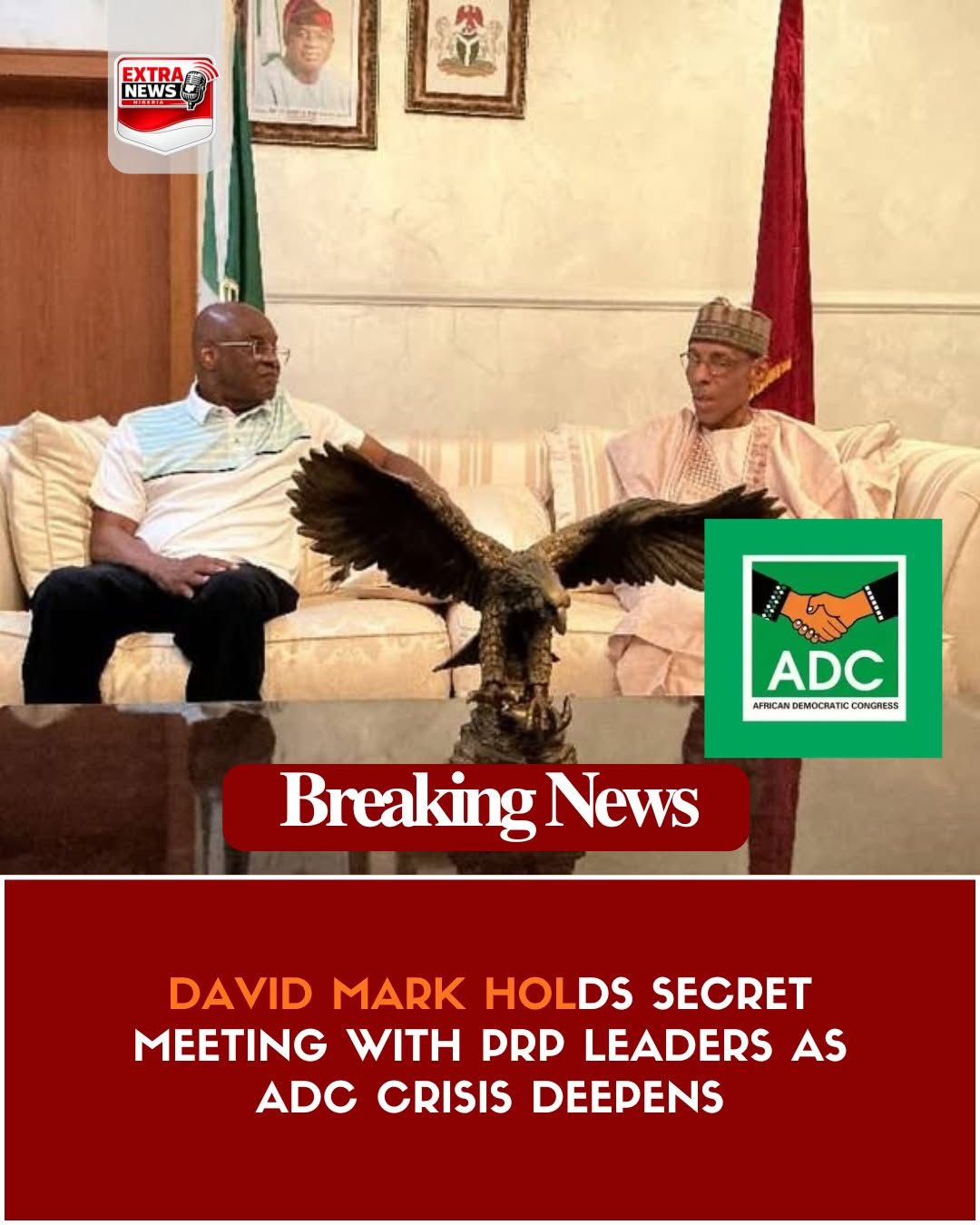
The embattled National Chairman of the African Democratic Congress, David Mark, on Friday held a closed-door meeting with leaders of the Peoples Redemption Party in Abuja. The private consultation is seen as a fresh round of political moves as the ADC continues to battle a lingering leadership crisis and growing internal divisions.
Top figures from both parties were said to be present at the meeting, including PRP National Chairman Hakeem Baba-Ahmed and senior ADC officials. The development is already drawing attention as opposition parties continue realignments ahead of the 2027 political season, with many watching closely for possible alliances and next steps in the party crisis.
Politics
“ADC is a Holy Party, Cannot be used to Scam Nigerians Again” – Hon Success Opara tells David Mark
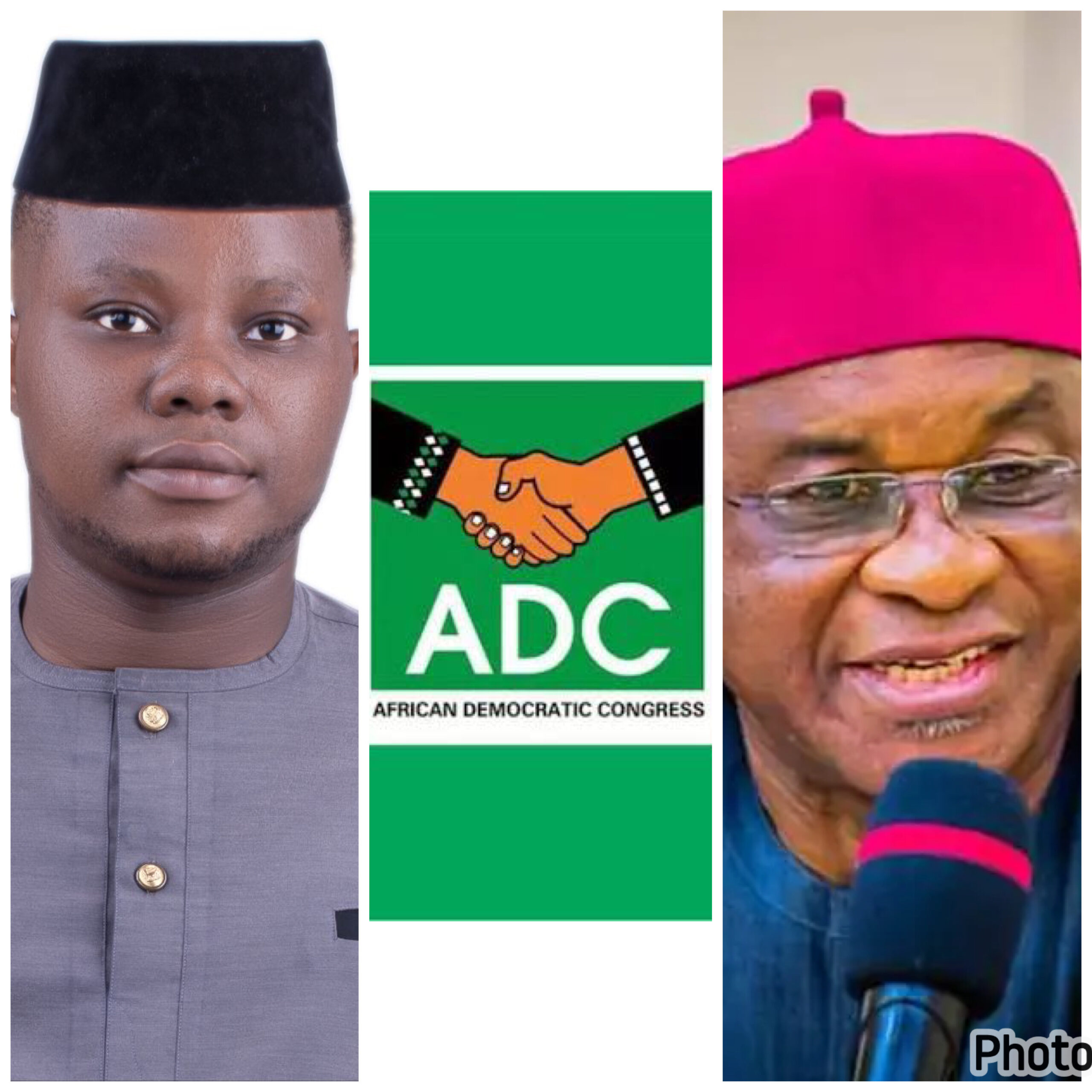
ADC Party in Turmoil: Hon Success Opara Slams Leadership, Warns Against Scamming Nigerians
Abuja, Nigeria – The African Democratic Congress (ADC) is facing internal strife as Hon Success Opara, a prominent party official, has warned against attempts to use the party to deceive Nigerians. Opara specifically criticized the leadership of David Mark, stating that the party cannot be used to scam citizens again.
“ADC holy Party cannot be used to scam Nigerians again,” Opara said, emphasizing that those forming coalitions are hindering the party’s growth and denying youths opportunities to thrive.
“Those who are forming coalition don’t want to give the youths the chance to strive in the party,” she added.
Opara’s statement highlights the deepening divisions within the ADC, with concerns over leadership and the party’s direction.
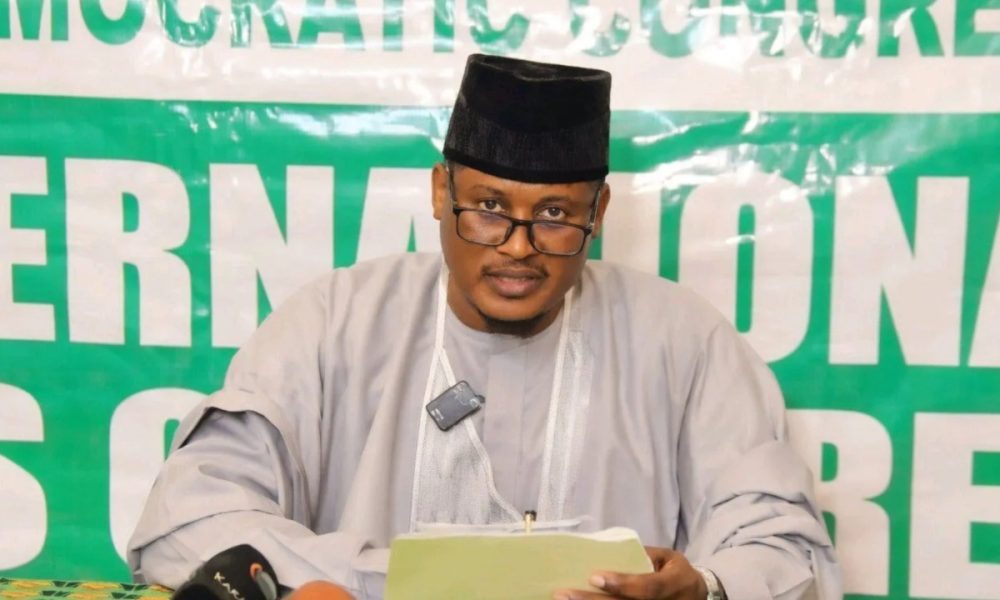
The factional National Chairman of the African Democratic Congress (ADC), Nafiu Bala Gombe, has announced that the party under his leadership will bar individuals above the age of 55 from contesting for political positions.
Gombe made the disclosure during an interview with BBC Hausa, where he outlined a vision centred on generational change and greater youth participation in politics.
“The African Democratic Congress (ADC) is a party that belongs to all Nigerians. What we are doing now is to ensure the party moves forward properly.
“We have decided that we will give the youths a real chance. The time has come for young people to take the lead in politics.
“If you are over 55 years old, you are not going to contest for positions in the ADC under our leadership.
“We want to bring in fresh blood, new ideas, and energy from the youth. Nigeria’s future depends on the young generation.
“The old ways have not worked well for the country. We need to open the door wide for youths to participate fully as candidates, leaders, and decision-makers,” he said.

David Mark Holds Secret Meeting With PRP Leaders as ADC Crisis Deepens

Chaos As Military Officers Exchange Blows During Tinubu’s Visit To Bayelsa (Videos)

HRH Ekwueme of Ochia Kingdom Iynched & kiIIed in Imo.

-
Business1 year ago
US court acquits Air Peace boss, slams Mayfield $4000 fine
-

 Trending1 year ago
NYA demands release of ‘abducted’ Imo chairman, preaches good governance
-

 Politics1 year ago
Mexico’s new president causes concern just weeks before the US elections
-

 Politics1 year ago
Putin invites 20 world leaders
-

 Politics1 year ago
Russia bans imports of agro-products from Kazakhstan after refusal to join BRICS
-
Entertainment1 year ago
Bobrisky falls ill in police custody, rushed to hospital
-
Entertainment1 year ago
Bobrisky transferred from Immigration to FCID, spends night behind bars
-
Education2 years ago
GOVERNOR FUBARA APPOINTS COUNCIL MEMBERS FOR KEN SARO-WIWA POLYTECHNIC BORI