
Politics
Kano deputy gov reports back after peace-building mission in Edo


The Deputy Governor of Kano State, Aminu Abdussalam Gwarzo, has reassured northerners living in Edo State about their safety, following the recent violence that led to the deaths of several Kano indigenes.
Ekwutosblog recalls that Gwarzo led a high-powered delegation to the South-South state. The delegation included the Emir of Rano, Ambassador Muhammad Isa Umar, four commissioners, the Chairman of Bunkure Local Government (the area most affected by the incident), and the representative of the Edo community in Kano.
Speaking to journalists in Kano, Gwarzo revealed that the visit followed an earlier condolence mission by Governor Monday Okpebholo to the Torankawa Community in Bunkure Local Government Area of Kano, where seven of the victims hailed from.
Gwarzo noted that the delegation visited the scene of the incident in Uromi, Edo State, where they were warmly received by both political and traditional leaders.
He described the reception as overwhelming, with a massive crowd, largely consisting of northerners, showing solidarity and appreciation.
“We met with the king of Uromi Kingdom and his senior chiefs. The Edo State governor personally accompanied us to the scene. It was a long journey nearly two hours from Benin but the turnout was incredible,” he said.
He commended the Edo State leadership for its proactive actions, including the disbandment of the vigilante group allegedly involved in the killings, the arrest of 14 suspects, and ongoing efforts by security agencies to apprehend those still at large.
“The Commissioner of Police in Edo State was transferred due to the incident, which shows the seriousness with which the state government is handling the situation,” the deputy governor stated.
He further disclosed that Kano had compiled a comprehensive report, documenting the victims and the extent of losses suffered, including properties destroyed.
He said the report has been formally submitted to Governor Okpebholo, who promised compensation for the victims and their families.
Gwarzo emphasized that justice remains the core demand from the Kano State Government and reiterated the constitutional right of every Nigerian to live and work peacefully in any part of the country.
“Nigeria belongs to all of us. The constitution guarantees every citizen the right to reside and earn a living anywhere in the country.”
“The governor of Edo has assured us that those responsible will be brought to book and that compensation will be provided. He made it clear that there is no animosity toward northerners in Edo. From what we witnessed, I can confidently say our people are very safe there,” he said.
He also confirmed that 26 individuals survived the attack, primarily from five local government areas in Kano.
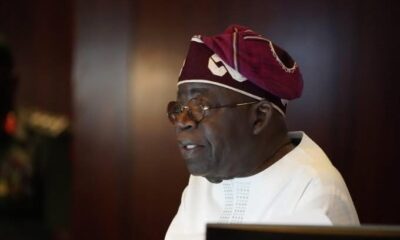









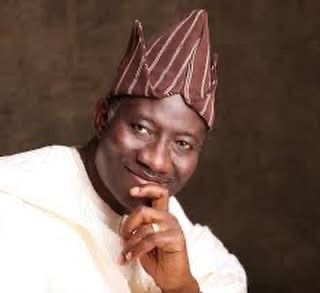
The Peoples Democratic Party (PDP), led by Tanimu Turaki, SAN, has scheduled to screen former president Goodluck Jonathan tomorrow, Tuesday, aMay 19, as the lone presidential candidate of party.
According to a statement from the PDP faction backed by the Oyo State Governor, Seyi Makinde, Former Vice-President Namadi Sambo, former governor of Plateau State, Jona Jang and a former Minister of Foreign Affairs, Tom Ikimi have been listed among a committee of 14 members to screen Jonathan described as a lone candidate by the party.
Other members of the committee were Chief Olabode George, Babangida Aliyu, Maryam ciroma, Zainab Maina, Josephine Anenin, Dr. Abdul Bulama, Dr. Esther Uduehi, Edo State PDP chairman, Tony Aziegbemi, Dr. Sunday Solarium and Chief Anicho Okoro, who would serve as administrative secretary of the committee.
Last week, the national Publicity Secretary of the faction, Ini Ememobong, disclosed that former president Jonathan has successfully registered as a member of the party in the fresh digital registration exercise directed by INEC.
The PDP faction also announced that it was set to screen 748 house of representatives aspirants, 198 senatorial aspirants, and 112 governorship aspirants.
The screening committee would screen 2122 states houses of assembly aspirants. The exercise will commence tomorrow, Tuesday in different states.
According to the statement, the screening exercise would take place nationwide on Tuesday, May 19, 2026, at 10:00 a.m.
The statement said the Interim National Working Committee (iNWC) has also released the names of members to serve on the Screening Committees and Screening Appeal Panels.
It added that the publication of the screening details “is in accordance with the party’s guidelines and timetable for the conduct of the 2027 general elections.”
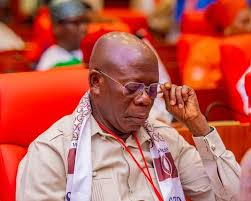
A former governor and incumbent Senator, Adams Oshiomhole, along with his counterpart Senator Joe Ikpea, sailed through the All Progressives Congress senatorial primary in Edo unopposed, and securing their tickets without a single vote cast against them.
Also Omoregie Ogbeide-Ihama emerged the winner in the APC primary for the Edo South senatorial district.
Ogbeide-Ihama won in the seven local government areas of Edo South in the results announced by the Chairman of APC National Assembly Primary Election, Muhammed Ajana at the Urokpota Hall, Benin.
He polled 27,154 votes while his opponents, Senator Neda Imasuen, got 13,580, and Pastor Osagie Ize-Iyamu got 6785.
The elections were hitch-free in Edo North and Edo Central, where there was no contest against the incumbents, Senators Oshiomhole of Edo North and Ikpea of Edo Central, respectively.
Ajana at the Urokpota Hall said the collation arose from votes cast in the seven local government areas made up of 77 wards where elections were conducted by members of the committee.
He said, “There are seven local governments that make up the Edo South Senatorial District. We have heard from the Returning officers from the seven local government areas. From the collation, the cumulative result we have for Edo South Senatorial District is this; Ogbeide-Ihama with 27,154 votes, Imasuen with 13,580 votes and Ize-Iyamu with 6, 785.
“This is the total reflection of what has transpired from the ward level to the local government and the Edo South senatorial district collation centre. With this we await further directives from the National Secretariat, we have done our best by collating the results which is our mandate, to collate the results and send them to the National Secretariat.”
However, it was gathered that Ize-Iyamu emerged as the APC candidate for Edo South Senatorial race. He claimed to have clinched the party’s ticket after defeating Ogbeide-Ihama and Imasuen.
It was claimed that the Chief Returning Officer, Abubakar Muhammad Kabiru, officially declared Ize-Iyamu the winner after securing the highest number of votes cast.
On his part, the senator representing the district condemned the exercise describing it as a sham allegedly designed to favour a preferred aspirant.
Imasuen spoke while reacting to events at his polling unit in Umagbae North Ward 5, Urhokuosa where he said he was denied the opportunity to vote following what he described as a chaotic and manipulated process.
The lawmaker accused leaders of the party of openly adopting a preferred candidate ahead of the exercise and intimidating members into supporting that aspirant.
He said, “There is nothing satisfactory about this sham of election they did today and it is very unfortunate because as a loyal party member, I expected something better than this.”
He said the warning signs emerged days before the primary when some ward chairmen allegedly informed him that they had been directed not to receive him during consultations.
Imasuen claimed that some ward leaders openly told him the party had already adopted a preferred aspirant, identified as Hon. Omoregie Ogbeide-Ihama, making further consultations unnecessary.
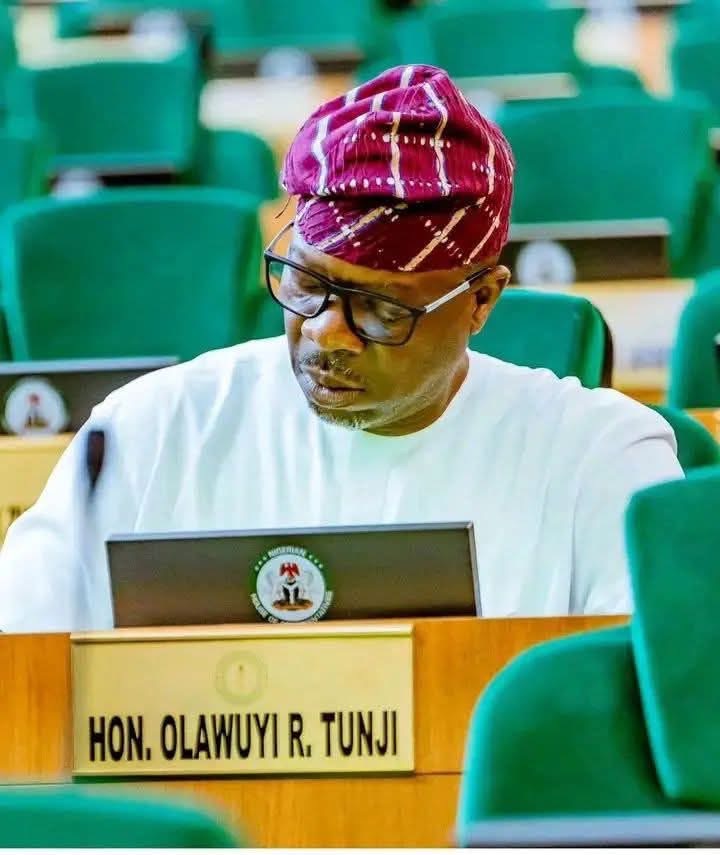
The re-election bid of the member representing Ekiti/Isin/Irepodun/Oke-Ero Federal Constituency, Hon. Raheem Tunji Olawuyi, popularly known as Ajuloopin, suffered a major setback on Friday after party members in his home ward, Omu-Aran Ward 1, boycotted the All Progressives Congress APC House of Representatives primary.
According to party stakeholders and observers present at the exercise, no valid election took place in the ward after members refused to participate in protest against what they described as the lawmaker’s poor performance after three consecutive terms in the House of Representatives.
Sources in the ward said efforts by some political figures and loyalists to persuade members to back Ajuloopin’s ambition failed, with party faithful insisting they would not endorse what they termed an attempt to impose his candidacy again.
The boycott led to a breakdown of the electoral process in Omu-Aran Ward 1, with many members staying away from the polls entirely. Stakeholders have called on the APC Electoral Committee to disregard any result purportedly presented from the ward, arguing that no credible primary was conducted there.
Political observers in the constituency described the development as a significant blow to Ajuloopin, noting that the rejection came from his own ward and among constituents most familiar with his record.
Preliminary reports from other parts of Irepodun, Isin and Oke-Ero local government areas, where voting proceeded, also indicated weak support for the incumbent. Many party members were said to have voted for alternative aspirants.
APC stakeholders have urged the party leadership to review reports from affected wards and accept only authentic and verifiable results to preserve the credibility of the primaries. They stressed that internal democracy was critical to the party’s prospects in the constituency and warned against imposing unpopular candidates ahead of the 2027 elections.
With tension rising across the federal constituency, party faithful said the leadership must listen to grassroots members and allow delegates and supporters to determine the outcome of the primaries.

Bandits behind Ogbomoso school abduction will face full wrath of the law- President Tinubu

PDP to screen Goodluck Jonathan on Tuesday as its sole Presidential aspirant For 2027 race

Oshiomhole wins Edo APC senatorial primaries unopposed

-
Business2 years ago
US court acquits Air Peace boss, slams Mayfield $4000 fine
-

 Trending2 years ago
NYA demands release of ‘abducted’ Imo chairman, preaches good governance
-

 Politics2 years ago
Mexico’s new president causes concern just weeks before the US elections
-

 Politics2 years ago
Putin invites 20 world leaders
-

 Politics2 years ago
Russia bans imports of agro-products from Kazakhstan after refusal to join BRICS
-
Entertainment2 years ago
Bobrisky falls ill in police custody, rushed to hospital
-
Entertainment2 years ago
Bobrisky transferred from Immigration to FCID, spends night behind bars
-
Education2 years ago
GOVERNOR FUBARA APPOINTS COUNCIL MEMBERS FOR KEN SARO-WIWA POLYTECHNIC BORI