
News
Muhammadu Buhari, Nigeria’s former president and military leader, died on Sunday. He left an indelible mark through his anti-corruption stance, controversial policies, and transformative initiatives.

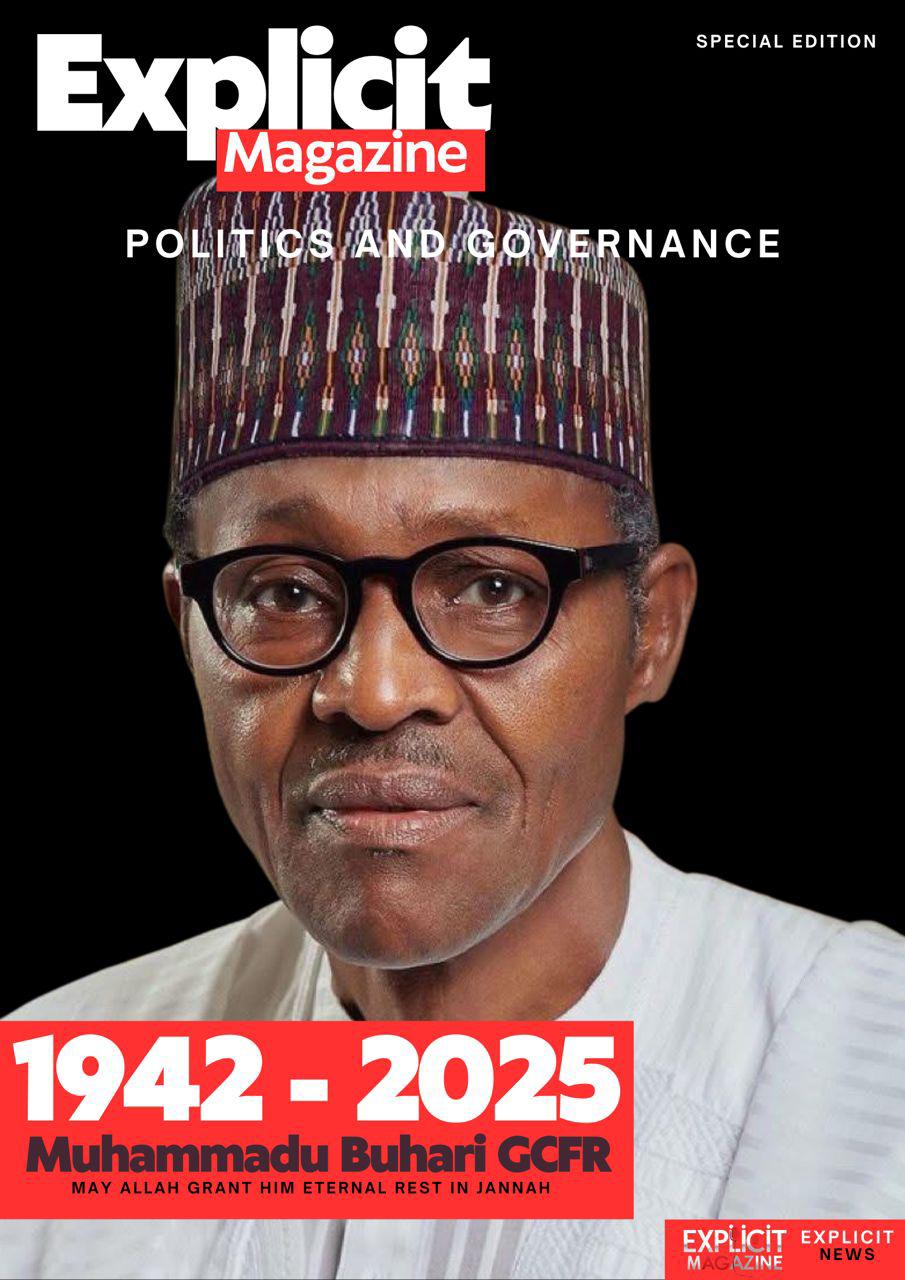
Muhammadu Buhari, Nigeria’s former president and military leader, died on Sunday. He left an indelible mark through his anti-corruption stance, controversial policies, and transformative initiatives.
Here are 50 astonishing facts about his remarkable life and legacy.
1. Born in Daura: Muhammadu Buhari was born on December 17, 1942, in Daura, Katsina State, Nigeria, to a Muslim Fulani family.
2. Twenty-Third Child: He was the 23rd child of Mallam Hardo Adamu, a Fulani chieftain, and his mother, Zulaihat.
3. Named After a Scholar: His name honours Muhammad al-Bukhari, a renowned 9th-century Islamic scholar.
4. Orphaned Early: Buhari’s father died when he was four, leaving him under the guardianship of Waziri Alhassan.
5. Cattle Rearing: As a child, Buhari helped rear cattle while attending Qur’anic school in Daura.
6. Scholarship to UK: In 1960, he won a scholarship from Elder Dempster Lines for a summer visit to the United Kingdom.
7. Headboy in School: He served as house captain and headboy during his secondary education at Katsina Provincial Secondary School.
8. Military Ambition: Inspired by junior officer Hassan Katsina, Buhari joined the Nigerian military instead of pursuing a medical degree.
9. Young Cadet: At 19, he was among 70 boys selected for the Nigerian Military Training College in 1962.
10. Trained in England: Buhari underwent officer cadet training at Mons Officer Cadet School in Aldershot, England, in 1962–1963.
11. Commissioned Young: He was commissioned as a second lieutenant at age 20 in January 1963.
12. Nigerian Civil War: Buhari served in the 1st Division during the Nigerian Civil War, participating in key battles in Ogoja and Nsukka.
13. Heavy Casualties: His unit suffered significant losses protecting food supply routes during the war’s Awka sector operations.
14. 1975 Coup: Buhari was part of the coup that brought General Murtala Mohammed to power in 1975.
15. Governor at 32: He became the first Governor of Borno State in 1976 at age 32 after the North-Eastern State split.
16. Petroleum Commissioner: Appointed Federal Commissioner for Petroleum in 1976, he oversaw major infrastructure investments.
17. NNPC Chairman: Buhari was the first chairman of the Nigerian National Petroleum Corporation from 1977 to 1978.
18. US Army War College: He earned a master’s degree in Strategic Studies from the US Army War College in Carlisle, Pennsylvania, in 1980.
19. 1983 Coup Leader: Buhari led the military coup that overthrew the Second Nigerian Republic in December 1983.
20. Head of State: He served as Nigeria’s military head of state from December 1983 to August 1985.
21. War Against Indiscipline: Launched in 1984, his War Against Indiscipline (WAI) aimed to enforce public morality and civic responsibility.
22. Harsh Decrees: His regime’s Decree Number 2 allowed detention without charges for up to three months.
23. Press Crackdown: Decree Number 4 in 1984 targeted journalists with fines and jail for publishing “false” reports.
24. Fela Kuti’s Arrest: Buhari’s government jailed musician Fela Kuti for 18 months on charges Amnesty International called “spurious.”
25. Mass Retrenchment: About 200,000 civil servants were retrenched under his administration by October 1984.
26. Anti-Corruption Purge: Over 500 politicians, officials, and businessmen were jailed for corruption during his 20-month rule.
27. Economic Reforms: His Buharism policy promoted import substitution and self-employment but led to industrial slowdowns.
28. IMF Rejection: Buhari refused IMF demands to devalue the naira by 60%, opting for stricter domestic reforms.
29. Expulsion of Migrants: In 1985, his regime expelled 700,000 illegal foreigners, sparking a crisis named “El Buhari” in Niger.
30. 1985 Coup: Overthrown by Ibrahim Babangida in August 1985, Buhari was detained in Benin City until 1988.
31. Detention Conditions: He spent three years in a guarded bungalow with access to a two-channel television.
32. Katsina Foundation: Post-detention, Buhari became the pioneer chairman of the Katsina Foundation to promote development.
33. PTF Chairman: As Chairman of the Petroleum Trust Fund in the 1990s, he oversaw transparent developmental projects.
34. Multiple Presidential Runs: Buhari contested for president in 2003, 2007, and 2011 before winning in 2015.
35. Historic Victory: His 2015 win marked the first time an incumbent Nigerian president (Goodluck Jonathan) lost re-election.
36. 2019 Re-election: Buhari defeated Atiku Abubakar by over 3 million votes in the 2019 presidential election.
37. Health Challenges: He sought medical treatment in the UK multiple times, including a 104-day stay in 2017.
38. Boko Haram Fight: His administration secured the release of 103 Chibok girls kidnapped by Boko Haram in 2016–2017.
39. Anti-Corruption War: Over 600 figures, including judges and military officers, were convicted for corruption from 2015 to 2020.
40. Social Welfare Program: Launched the National Social Investment Program in 2016 to support vulnerable populations.
41. N-Power Initiative: His N-Power program provided job training and stipends to young Nigerians to boost employment.
42. Ruga Controversy: His administration’s Ruga policy to settle Fulani herders was suspended due to opposition from southern states.
43. Twitter Ban: In 2021, his government banned Twitter after it deleted his post threatening violence against Biafra insurgents.
44. Signature Forgery: A 2023 lawsuit revealed a $6.2 million theft from the Central Bank using Buhari’s forged signature.
45. First Lady Office: He vowed to abolish the First Lady office in 2014 but allowed Aisha Buhari to operate it.
46. Controversial Remark: In 2016, Buhari said his wife “belongs to my kitchen” while standing next to Angela Merkel.
47. Plagiarism Scandal: His 2016 speech for the “Change Begins With Me” campaign was found to be plagiarized from Obama’s 2009 speech.
48. Chadian Incursion: In 1983, he pursued Chadian forces into their territory against President Shagari’s orders.
49. Umaru Dikko Affair: His regime attempted to kidnap Umaru Dikko from London in 1984, foiled by British authorities.
50. Peaceful Handover: In 2023, Buhari handed over power to Bola Tinubu, retiring to his farm in Daura.
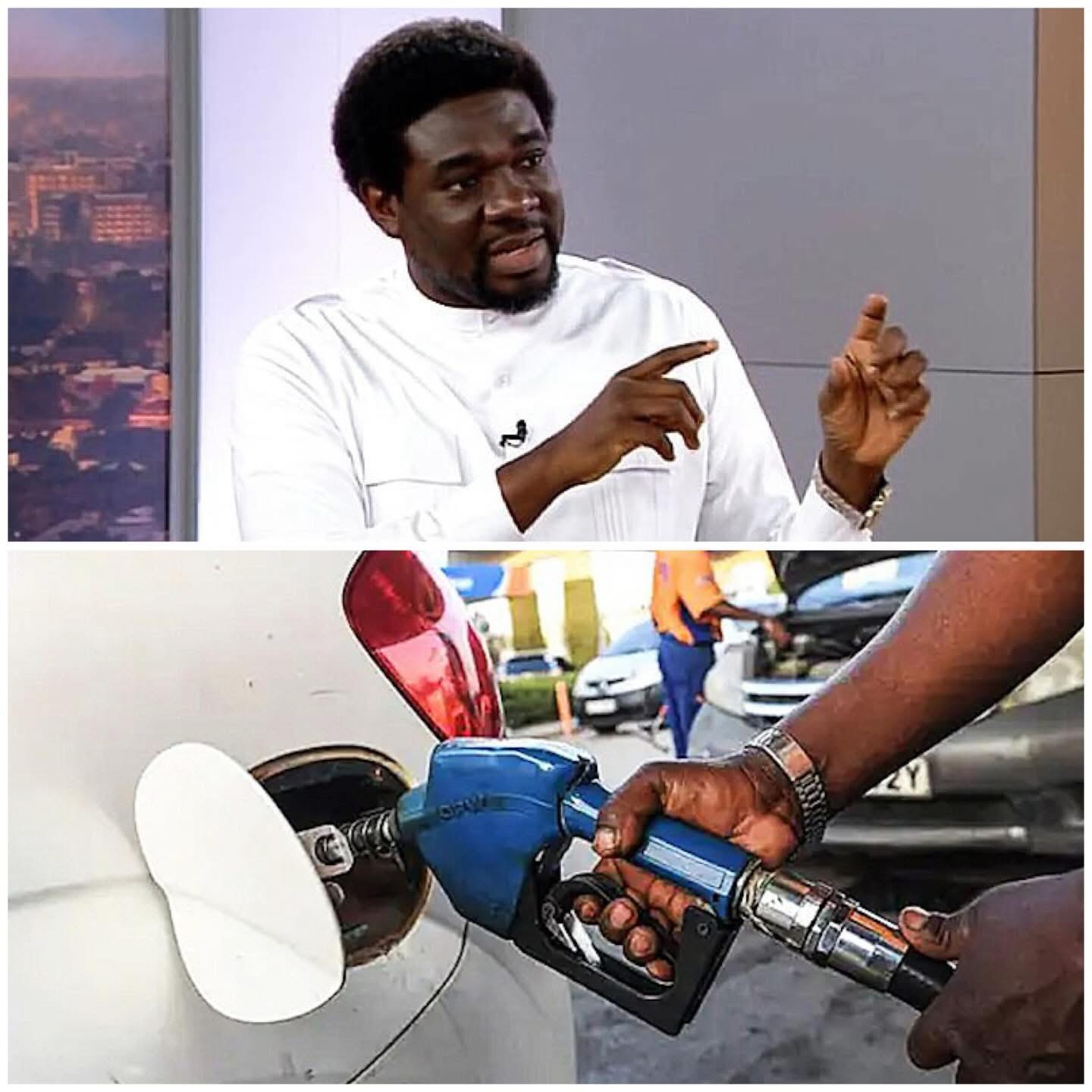
The Trade Union of Nigeria, TUC, has raised the alarm that the price of Premium Motor Spirit aka Petrol may climb to about N2,000 per litre if urgent measures are not taken to cushion the impact of rising global crude prices and the depreciating naira.
Speaking to newsmen on Thursday, April 9, the president of the TUC, Festus Osifo, called on the Federal Government to immediately deploy 60 percent of excess crude oil revenue above the 2026 budget benchmark to subsidise crude feedstock supplies to the Dangote Refinery and other modular refineries, a move it says will slash pump prices of petrol, diesel, and jet fuel within two weeks
“Today, comrades, we are seeing that the cost of petrol is edging towards N2,000 per litre depending on the part of the country that you are. Nigerian workers are already passing through excruciating pain as we speak.
The same way it is affecting transportation, it is also affecting manufacturing. The cost of diesel has also gone northward, meaning that the cost of production has increased. When production costs rise, the final price of goods on the shelves will also skyrocket.
If this continues unchecked, the inflation that we are currently celebrating as going downwards will reverse and start moving up again,” he stated.
Osifo outlined the proposal as an urgent intervention to cushion Nigerian workers from excruciating pain caused by petrol prices edging towards ₦2,000 per litre in some parts of the country
News
Cameroon’s President, Paul Biya Set To Get A Vice President For The First Time In His 43-Year Rule
Cameroon’s president, Paul Biya, is set to get a vice president for the first time in his four-decade rule, following controversial constitutional changes backed by the parliament.
In a joint session of the ruling party-dominated National Assembly and Senate, lawmakers voted 200 to 18 in favour, with four abstentions, to pass the bill.
The bill stipulates that the vice president will automatically assume the presidency if President Paul Biya dies, resigns, or becomes incapacitated.
Biya, 93, has led the Central African country since 1982 and is the world’s oldest serving head of state. Public discussion about his health is banned.
According to the legislation, a copy of which was seen by Reuters, the vice president will be appointed and dismissed by the president, serving for the remainder of the president’s seven-year term.
However, the interim leader would be prohibited from initiating constitutional changes or running in a subsequent election.
Prior to the amendment, the constitution designated the leader of the Senate to briefly take over in case the sitting president d!es or is incapacitated. An election would then be held.
The Social Democratic Front (SDF) party, which has six representatives in parliament, boycotted the vote. It had pushed for a revision in favour of the vice-president being jointly elected with the president, rather than appointed.
The party also sought a constitutional provision that reflects the linguistic split between English and French-speaking regions. The SDF wanted the nation’s top two posts to be shared between Cameroon’s two communities, which was the position before 1972.
“This constitutional reform could have been a moment of political courage, but it is nothing less than a missed historic opportunity,” SDF chairman Joshua Osih said.
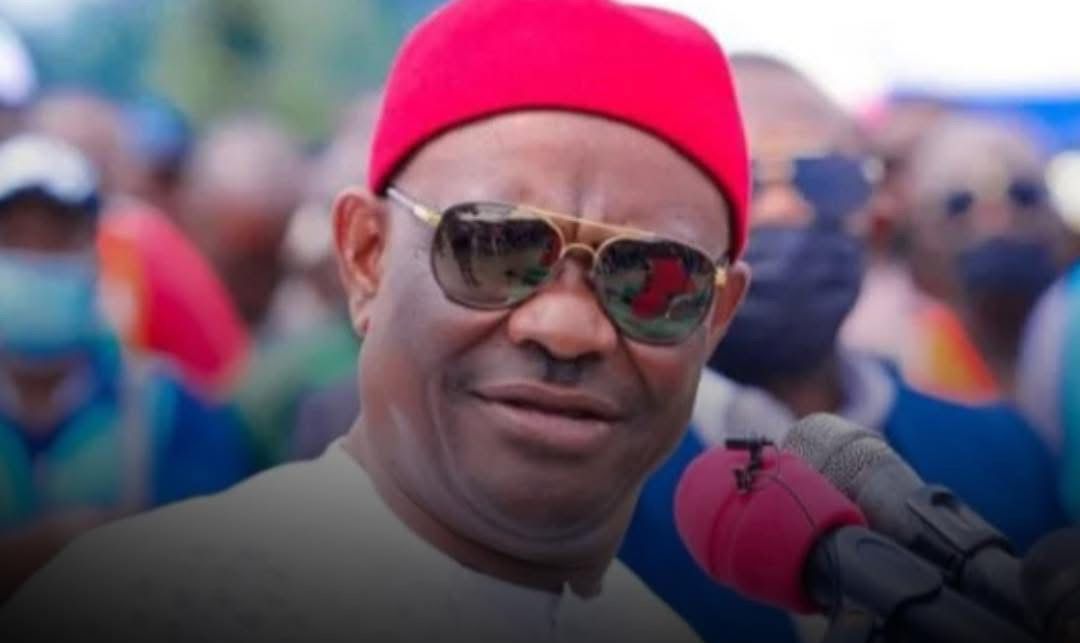
Minister of the Federal Capital Territory, Nyesom Wike, has highlighted the ongoing challenges of tax collection, pointing out the disparity between citizens’ expectations and the reality of government revenue.
Speaking with TVC NEWS live, he stressed that while Nigerians expect quality infrastructure and services, there is widespread reluctance to contribute through taxes.
On the difficulty of generating revenue, Wike said: “To collect tax, you know it’s not an easy thing. I don’t know how many of you here like to pay tax. Nigerians want everything for free. They want road, they want light. It is not easy.”
He further stated; “When I came to Abuja we were about 8, 9 billion. The money we get from the federal government is 1% of the allocation of federal government. So if federal government gets 1 trillion for example, they’ll give us one percent which is ten billion naira and that cannot carry the society. Our salary in a month is not less than 12–13 billion, so we must augment. How do we augment?”
Addressing public criticism, he added: “There’s no ab¥se that any politician has received than me. I think after the president, I’m the highest ab¥sed. There’s nothing we do that we won’t get ab¥sed. Well, what is important to me is that I want to be concentrated to do the job.”
On oversight and accountability, Wike explained how closely he monitors the finances: “The money we have gotten from tax challenge me, minister FCT, what are you doing? I’ll show you as I sit here.”

David Mark Holds Secret Meeting With PRP Leaders as ADC Crisis Deepens

Chaos As Military Officers Exchange Blows During Tinubu’s Visit To Bayelsa (Videos)

HRH Ekwueme of Ochia Kingdom Iynched & kiIIed in Imo.

-
Business1 year ago
US court acquits Air Peace boss, slams Mayfield $4000 fine
-

 Trending1 year ago
NYA demands release of ‘abducted’ Imo chairman, preaches good governance
-

 Politics1 year ago
Mexico’s new president causes concern just weeks before the US elections
-

 Politics1 year ago
Putin invites 20 world leaders
-

 Politics1 year ago
Russia bans imports of agro-products from Kazakhstan after refusal to join BRICS
-
Entertainment1 year ago
Bobrisky falls ill in police custody, rushed to hospital
-
Entertainment1 year ago
Bobrisky transferred from Immigration to FCID, spends night behind bars
-
Education2 years ago
GOVERNOR FUBARA APPOINTS COUNCIL MEMBERS FOR KEN SARO-WIWA POLYTECHNIC BORI