
Politics
Addressing Reactions to Budgetary Allocations in Imo State: A Case for Pragmatic and Sincere Approach to Economic Development

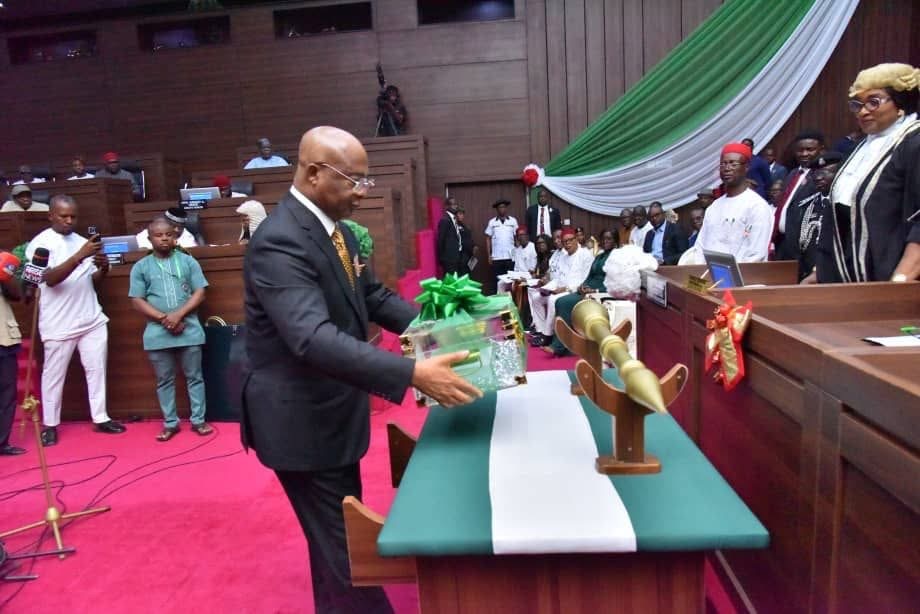
The release of a state budget often triggers mixed reactions, with the government receiving either praise or criticism for allocations to various sectors of the economy. Recent complaints regarding the allocation of funds to sectors like education and agriculture in the latest budget for Imo State have sparked debates about the Governor’s priorities. However, it is important to recognize that budgetary allocations do not necessarily reflect the economic importance or total contributions of these sectors. Rather, a deeper understanding of the economic role of sectors can be gained by examining their contribution to the state’s GDP. Furthermore, the Governor’s decision to allocate these specific percentages should be understood not as a reflection of disregard for these sectors, but as a focused, pragmatic, and realistic approach based on actual needs.
1. Budgetary Allocation Does Not Equal Economic Importance
Budgetary allocations are often misinterpreted as a direct reflection of a sector’s economic importance. The misconception is that a low allocation indicates a lack of value placed on that sector. However, the budget is not a comprehensive representation of a sector’s full economic activity. For instance, allocation to the education sector may seem low, but this does not reflect its total financial contribution. The education sector is supported by various other funding mechanisms, including federal allocations, donor funding, and private investment. While the state budget’s portion is limited, the overall inflow of funds into education may be substantial when considering these external sources.
For instance, the 2024 Lagos State budget allocated 6.98% of its budget to education (N199bn/2.25trn). This represents a decrease from the 2023 budget, when the state allocated 8.86% of its budget to education. Now, Education in Lagos State is huge, with various private sector players from primary to tertiary institutions. This sector contributes significantly to economic activities in Lagos State, beyond the 6.9% allocated to it.
Similarly, the agriculture sector has a far broader scope of support and funding that extends beyond the state’s coffers. National agricultural initiatives, private investments, foreign aid, and even the indirect contributions of agriculture through industries such as food processing or agro-based businesses all contribute to the sector’s economic viability. The state budget, therefore, only represents a slice of the total financial ecosystem that sustains these sectors. The Government can rely on policies and partnerships to better fund and grow a sector, much better than simply throwing money at it through budget allocations.
2. Sectoral Contribution to State GDP: The True Measure of Economic Impact
Rather than focusing on the raw numbers of budgetary allocation, it is more insightful to look at the sectoral contribution to the state’s GDP. The contribution of a sector to the GDP is the ultimate indicator of its economic importance and output. In economic terms, Gross Domestic Product (GDP) reflects the total value of goods and services produced within a state, and sectoral GDP contributions show how much each sector contributes to this total.
The economic contributions of sectors to GDP are typically analyzed through the output approach, which sums up the value added by each sector. The agricultural sector, for example, may contribute significantly to both direct and indirect GDP through crop production, livestock, fisheries, and agro-industry activities. Despite a smaller allocation in the budget, the sector’s high output means it plays a key role in the state’s economic growth. So while some sectors may seem to have low budgetary allocations, their economic contribution to GDP could be far more significant, indicating that these sectors are highly productive and play a vital role in the economy.
3. Understanding the Governor’s Approach: A Focused and Pragmatic Strategy
The Government’s budgetary allocation should not be seen as a neglect of these vital sectors but rather as a reflection of a focused, pragmatic approach to budgeting. The Governor is aligning the budget with the state’s actual needs, as certain interventions may be more urgent than others. In education, for example, the state may already benefit from substantial external funding or private sector involvement, making it unnecessary to allocate large sums from the state budget. Furthermore, the Governor may be prioritizing interventions such as vocational training, infrastructure, and targeted scholarship programs—areas that provide immediate economic benefits—over general funding. These decisions reflect a pragmatic approach to achieving the greatest economic return.
Similarly, in agriculture for example, while the sector’s contribution to GDP is substantial, the Governor’s budgetary allocation may be focused on addressing specific challenges within the sector, such as improving infrastructure, creating agro-industrial value chains, or providing targeted support to smallholder farmers. These strategic interventions may offer a higher impact than a blanket increase in funding, as they target the most pressing needs within the sector.
This approach reflects the Governor’s sincerity and prudence in ensuring that every allocated kobo is spent where it will achieve the greatest economic impact, rather than simply increasing budgets for the sake of political optics. By focusing on intervention projects that address key challenges—whether in education or agriculture—the Governor is adopting a results-oriented budgeting strategy, which ensures that funds are directed where they will have the most meaningful and sustainable impact.
4. A Long-Term Vision for State Development
The Governor’s approach reflects a long-term vision for state development, one that is built on pragmatism and strategic focus. While it is important to acknowledge the economic value of sectors, it is equally vital to recognize that their growth and transformation require thoughtful interventions and careful prioritization. By focusing on the actual economic outputs of sectors and making targeted allocations, the Governor is laying the groundwork for a sustainable and diversified economy. This approach is not only responsible but forward-thinking, positioning the state to leverage both internal and external resources efficiently.
In conclusion, allocations to sectors in the state budget should not be seen as a sign of neglect or disinterest in these sectors. Instead, it reflects a measured, pragmatic approach aimed at addressing the most urgent needs and interventions within these sectors. By focusing on sectoral contributions to GDP, we gain a clearer picture of the economic importance of each sector, independent of budgetary allocations. The Governor’s strategy is one of prudence, prioritizing real and impactful interventions that will drive long-term economic growth and stability. The Governor’s approach deserves recognition for its sincerity, foresight, and commitment to responsible governance.
Yours sincerely,
Dr. Abiola Bashorun, FCICN, FIMC
CEO/GMD ZLGA NIG. LTD.
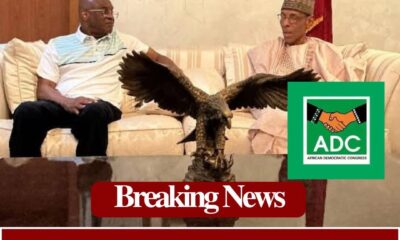




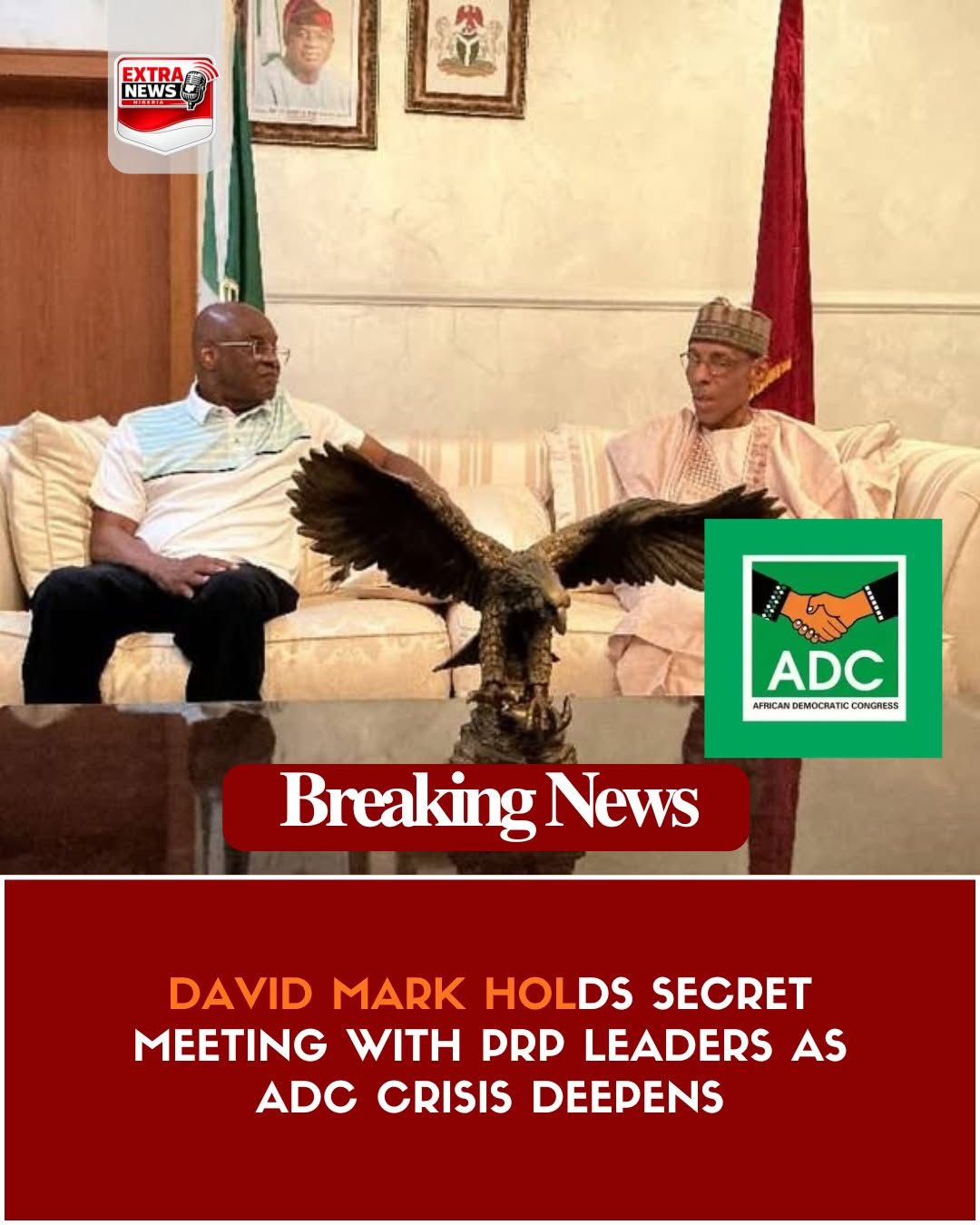
The embattled National Chairman of the African Democratic Congress, David Mark, on Friday held a closed-door meeting with leaders of the Peoples Redemption Party in Abuja. The private consultation is seen as a fresh round of political moves as the ADC continues to battle a lingering leadership crisis and growing internal divisions.
Top figures from both parties were said to be present at the meeting, including PRP National Chairman Hakeem Baba-Ahmed and senior ADC officials. The development is already drawing attention as opposition parties continue realignments ahead of the 2027 political season, with many watching closely for possible alliances and next steps in the party crisis.
Politics
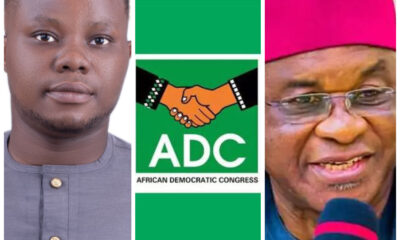
“ADC is a Holy Party, Cannot be used to Scam Nigerians Again” – Hon Success Opara tells David Mark
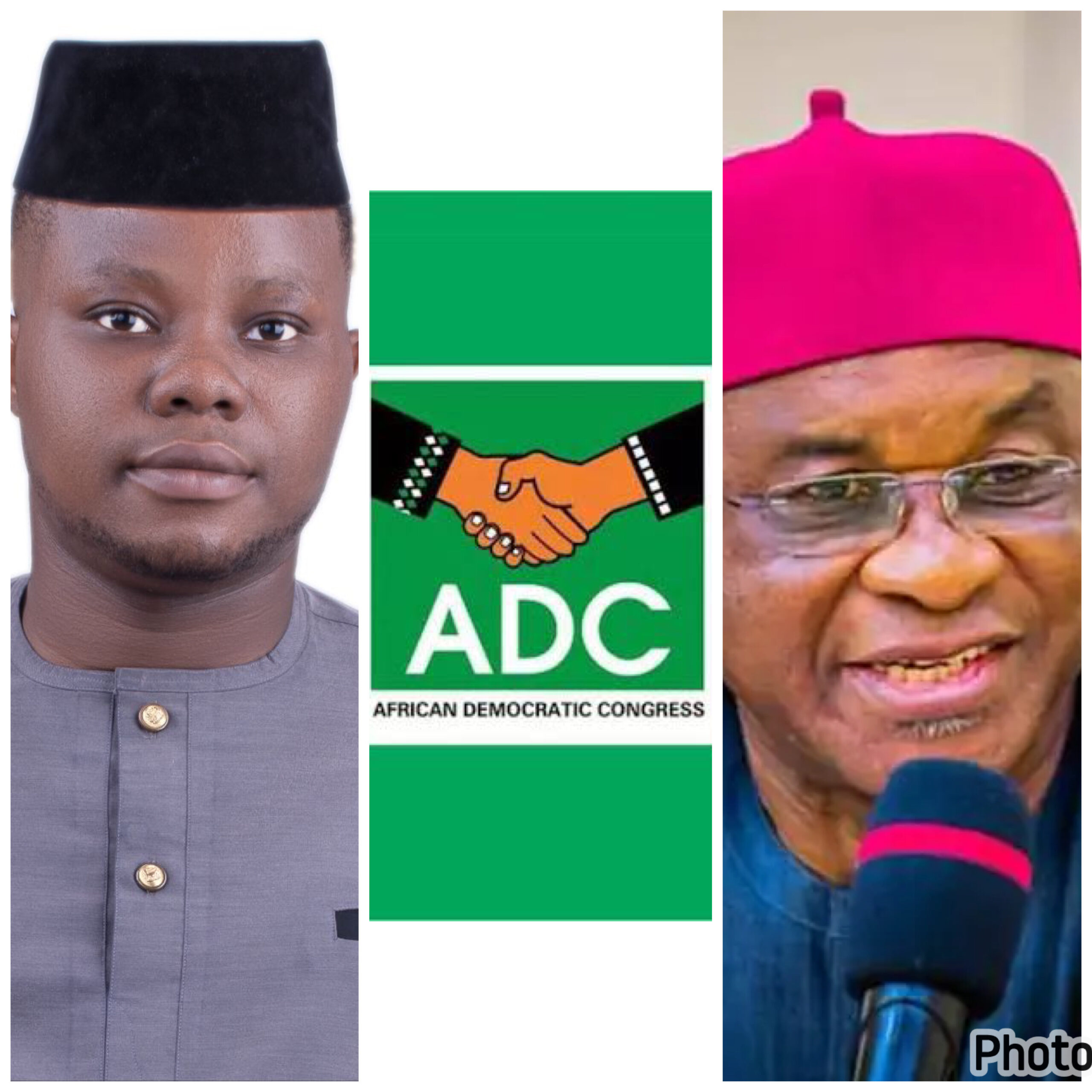
ADC Party in Turmoil: Hon Success Opara Slams Leadership, Warns Against Scamming Nigerians
Abuja, Nigeria – The African Democratic Congress (ADC) is facing internal strife as Hon Success Opara, a prominent party official, has warned against attempts to use the party to deceive Nigerians. Opara specifically criticized the leadership of David Mark, stating that the party cannot be used to scam citizens again.
“ADC holy Party cannot be used to scam Nigerians again,” Opara said, emphasizing that those forming coalitions are hindering the party’s growth and denying youths opportunities to thrive.
“Those who are forming coalition don’t want to give the youths the chance to strive in the party,” she added.
Opara’s statement highlights the deepening divisions within the ADC, with concerns over leadership and the party’s direction.
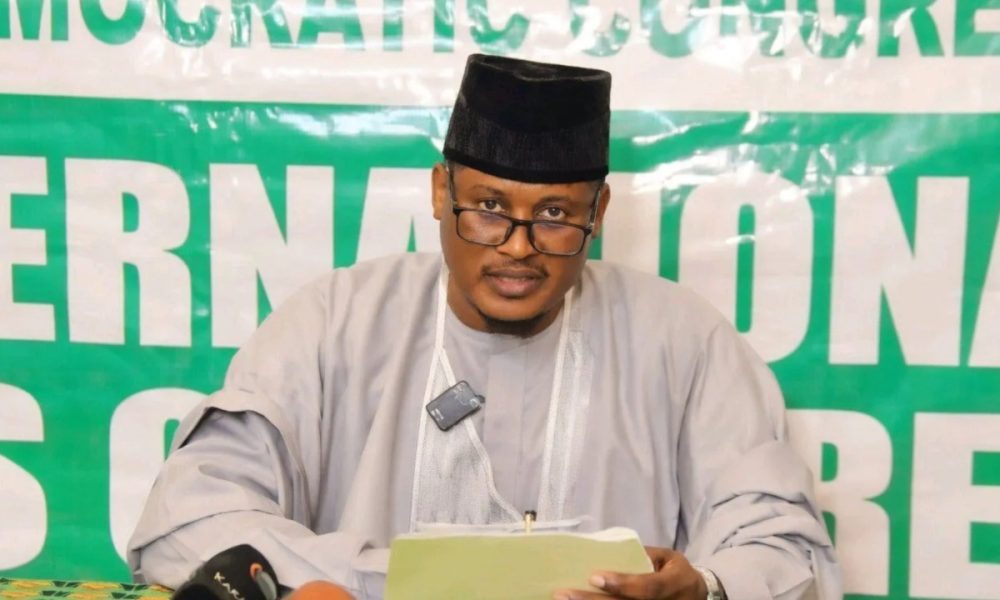
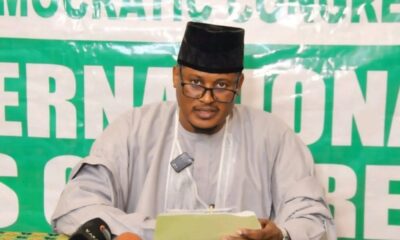
The factional National Chairman of the African Democratic Congress (ADC), Nafiu Bala Gombe, has announced that the party under his leadership will bar individuals above the age of 55 from contesting for political positions.
Gombe made the disclosure during an interview with BBC Hausa, where he outlined a vision centred on generational change and greater youth participation in politics.
“The African Democratic Congress (ADC) is a party that belongs to all Nigerians. What we are doing now is to ensure the party moves forward properly.
“We have decided that we will give the youths a real chance. The time has come for young people to take the lead in politics.
“If you are over 55 years old, you are not going to contest for positions in the ADC under our leadership.
“We want to bring in fresh blood, new ideas, and energy from the youth. Nigeria’s future depends on the young generation.
“The old ways have not worked well for the country. We need to open the door wide for youths to participate fully as candidates, leaders, and decision-makers,” he said.

David Mark Holds Secret Meeting With PRP Leaders as ADC Crisis Deepens

Chaos As Military Officers Exchange Blows During Tinubu’s Visit To Bayelsa (Videos)

HRH Ekwueme of Ochia Kingdom Iynched & kiIIed in Imo.

-
Business1 year ago
US court acquits Air Peace boss, slams Mayfield $4000 fine
-

 Trending1 year ago
NYA demands release of ‘abducted’ Imo chairman, preaches good governance
-

 Politics1 year ago
Mexico’s new president causes concern just weeks before the US elections
-

 Politics1 year ago
Putin invites 20 world leaders
-

 Politics1 year ago
Russia bans imports of agro-products from Kazakhstan after refusal to join BRICS
-
Entertainment1 year ago
Bobrisky falls ill in police custody, rushed to hospital
-
Entertainment1 year ago
Bobrisky transferred from Immigration to FCID, spends night behind bars
-
Education2 years ago
GOVERNOR FUBARA APPOINTS COUNCIL MEMBERS FOR KEN SARO-WIWA POLYTECHNIC BORI