
News
Afenifere, Ohanaeze, Arewa youths take stand on state police

The call for the establishment of state police received a major boost at the weekend with the backing of major socio-cultural organizations in Nigeria- Afenifere, Ohanaeze and Arewa youths.
Ekwutosblog reports that for decades, there has been an intense debate on the necessity of establishing state police in Nigeria and the fear of politicization by state governors.
On February 15, 2024, President Bola Tinubu met with state governors in Abuja, where the possibility of setting up the state police was extensively discussed.
While the discussion brought a sigh of relief to some Nigerians, some stakeholders raised concerns that the country is not fit to have state police yet, expressing fear of abuse by state governors.
While some argued that the centralized Nigeria Police remains overstretched and ill-equipped to effectively police 230 million people across complex terrains, others said the governors may misuse the local police forces especially for political intimidation.
Ekwutosblog reports that the State Police Constitution Alteration Bill currently on the floor of the Senate and the House of Representatives, is among the 44 harmonized bills now ready for consideration and voting by the two chambers.
Reports indicated that the red and green chambers may vote on the bills this week before it is further sent to state Houses of Assembly.
In separate interviews with Ekwutosblog, Afenifere, Ohanaeze and Arewa youths backed the creation of state police, expressing optimism that local police may help in quelling the decade-long security challenges.
DAILY POST reports that the State Police Constitution Alteration Bill currently on the floor of the Senate and the House of Representatives, is among the 44 harmonised bills now ready for consideration and voting by the two chambers.
Reports indicated that the red and green chambers may vote on the bills this week before it is further sent to state Houses of Assembly.
In separate interviews with Ekwutosblog , Afenifere, Ohanaeze and Arewa youths backed the creation of state police, expressing optimism that local police may help in quelling the decade-long security challenges.
He argued that if governors don’t have the “apparatus of security at their command”, they would be unable to effectively discharge their duties as chief security officers of their respective states.
Ajayi advised that clauses should be inserted in the state police law that would restrain the governors from outright abuse or politicization of the local police.
Afenifere also called on the Federal Government to identify financiers of terrorism and prosecute them.
According to Ajayi, the menace of terrorism has reached an unacceptable level such that “no-one can predict where next the monster is going to rear its ugly head.
“The situation could not have been this bad were those perpetrating it not having the backing of people in high places.
“Concentrating only on kidnappers arrested in the bush would not bring an end to the scourge.
“Without the financing, endorsement, sponsorship and protection of people of means and people in high places, bandits would not be able to sustain their dastardly act for this long.”
He gave kudos to the National Assembly for the call on the Executive Arm of the government not only to name financiers of banditry but to also prosecute them.
“The step being taken by the lawmakers to also strengthen the law on terrorism is very welcomed.
“In view of the devastating nature banditry and terrorism have reached in Nigeria today, prescribing capital punishment for the perpetrators without the option of fine is in order.
“Innocent lives of thousands have been lost, some families have been wiped out just as properties running into billions, if not trillions, have been destroyed.
“So, those perpetrating such evil acts deserve no mercy when proven guilty as they themselves show no mercy on their victims,” he stated.
Northern govs may use state police to unseat President Tinubu in 2027 – Ohanaeze
On his part, Mazi Okechukwu Isiguzoro, factional Deputy President General of Ohanaeze Ndigbo Worldwide said though the establishment of state police is the only way to go due to the surge in killings and other activities of the bloodthirsty assailants, some Northern governors may use the local police against President Tinubu in 2027.
Isiguzoro noted that without substantive police reforms instituted by the National Assembly, which would establish frameworks to preclude the abuse of power by the 36 state governors, the creation of state police “might become a vehicle for electoral manipulation.”
According to him, “The ongoing attempts by Nigerian governors to circumvent the Supreme Court verdict regarding the autonomy of the 774 local government areas, in collusion with various State Houses of Assembly, epitomizes a disconcerting pattern of governance characterized by corruption and a flagrant disregard for constitutional rights.
“It is imperative to recognize that should appropriate police reforms not be enacted and implemented forthwith, there exists a tangible risk that certain state governors will exploit state police mechanisms to perpetrate electoral malfeasance, potentially allowing them to unseat President Tinubu in 2027—particularly given the Northern Governors’ proclivity towards such stratagems.”
Isiguzoro lamented that insecurity in Nigeria has “rapidly deteriorated, inflicting irrevocable damage to Nigeria’s international reputation”.
He reiterated the urgent necessity for comprehensive police reforms, accompanied by unwavering vigilance from the National Assembly, to ensure that the establishment of state police serves the interests of law and order, rather than becoming an instrument of political subversion.
Arewa youths back state police, call for oversight framework to stop abuse by govs
In an exclusive interview with DAILY POST, President of the Arewa Youth Consultative Forum, AYCF, Alhaji Shettima Yerima said the insurgency in the northeast, banditry in the northwest, and communal clashes in the middle-belt regions required tailored responses that a centralized police force often “struggles to provide”.
According to Shettima, establishing state police would allow for localized security measures, which according to him, would enable law enforcement to respond more effectively to the unique security needs of each region.
“State police officers, being residents of the communities they serve, would possess intimate knowledge of local dynamics, enabling them to address issues with greater sensitivity and effectiveness.
“Moreover, a localized approach to policing could significantly enhance trust and cooperation between law enforcement and citizens.
“When community members see familiar faces in their police force, individuals who understand their concerns and cultural nuances—they are more likely to engage positively with law enforcement.
“This trust is crucial in fostering a collaborative environment where citizens feel empowered to report crimes and cooperate with police investigations, ultimately leading to a more secure society”.
He further stated that the establishment of state police in Nigeria aligns with global trends in decentralizing law enforcement, citing some countries like the United States, Canada, and Germany, where regional policing structures were established to cater for local security needs.
Shettima said: “These models demonstrate that localized policing can lead to more effective crime prevention and community engagement. Nigeria, with its diverse regions and unique security challenges, stands to benefit significantly from a policing system that is tailored to its specific contexts.
“By adopting a decentralized approach, Nigeria can create a policing framework that not only addresses the immediate security concerns but also promotes regional autonomy and empowerment.
“This shift would reflect a commitment to democratic governance, where local governments play a pivotal role in ensuring the safety and security of their constituents.
“Despite the potential benefits, concerns regarding the potential abuse of power by state governors loom large, particularly given the historical context of political manipulation of state resources to suppress dissent.
“Critics argue that the politicization of law enforcement under state governors’ control could lead to the misuse of state police for personal or political gain, undermining the very essence of justice and accountability.”
However, on the fear of politicization of the local police by state governors, Shettima advised that the “establishment of state police is accompanied by a robust accountability and oversight framework.
“Regulations must govern recruitment, training, and operational protocols to ensure that state police operate with integrity and professionalism.
“An independent oversight body should be established to monitor the activities of state police, providing a check against potential abuses of power and ensuring that law enforcement remains accountable to the communities it serves.
“The federal government plays a crucial role in ensuring that state police operate within a defined legal framework. Clear guidelines outlining the powers and limitations of state police are essential to prevent overreach and ensure adherence to democratic principles.
“Protocols regarding the use of force, community engagement, and the protection of citizens’ rights must be explicitly articulated to safeguard against potential abuses”.



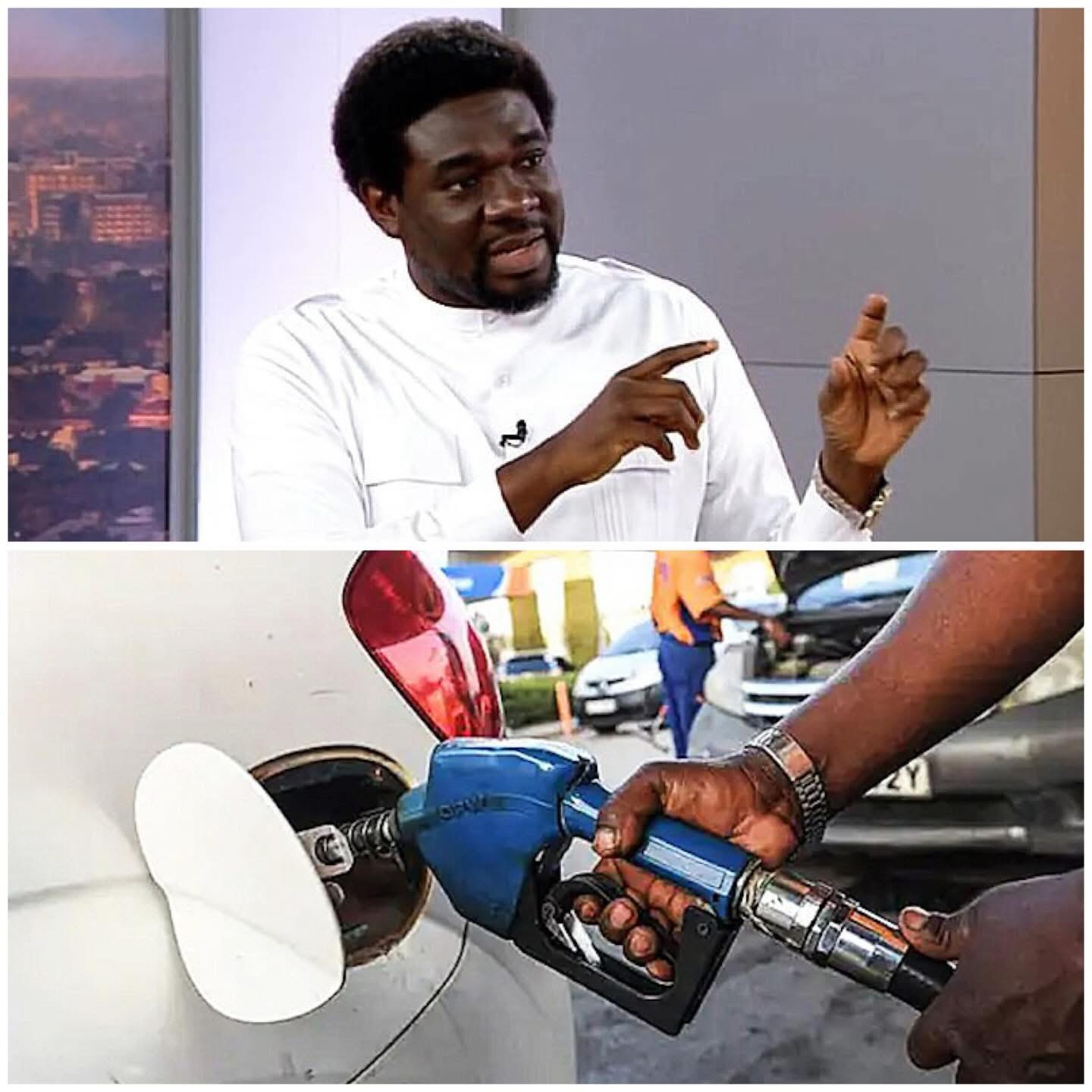
The Trade Union of Nigeria, TUC, has raised the alarm that the price of Premium Motor Spirit aka Petrol may climb to about N2,000 per litre if urgent measures are not taken to cushion the impact of rising global crude prices and the depreciating naira.
Speaking to newsmen on Thursday, April 9, the president of the TUC, Festus Osifo, called on the Federal Government to immediately deploy 60 percent of excess crude oil revenue above the 2026 budget benchmark to subsidise crude feedstock supplies to the Dangote Refinery and other modular refineries, a move it says will slash pump prices of petrol, diesel, and jet fuel within two weeks
“Today, comrades, we are seeing that the cost of petrol is edging towards N2,000 per litre depending on the part of the country that you are. Nigerian workers are already passing through excruciating pain as we speak.
The same way it is affecting transportation, it is also affecting manufacturing. The cost of diesel has also gone northward, meaning that the cost of production has increased. When production costs rise, the final price of goods on the shelves will also skyrocket.
If this continues unchecked, the inflation that we are currently celebrating as going downwards will reverse and start moving up again,” he stated.
Osifo outlined the proposal as an urgent intervention to cushion Nigerian workers from excruciating pain caused by petrol prices edging towards ₦2,000 per litre in some parts of the country
News
Cameroon’s President, Paul Biya Set To Get A Vice President For The First Time In His 43-Year Rule
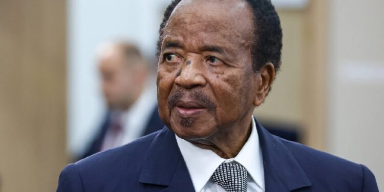
Cameroon’s president, Paul Biya, is set to get a vice president for the first time in his four-decade rule, following controversial constitutional changes backed by the parliament.
In a joint session of the ruling party-dominated National Assembly and Senate, lawmakers voted 200 to 18 in favour, with four abstentions, to pass the bill.
The bill stipulates that the vice president will automatically assume the presidency if President Paul Biya dies, resigns, or becomes incapacitated.
Biya, 93, has led the Central African country since 1982 and is the world’s oldest serving head of state. Public discussion about his health is banned.
According to the legislation, a copy of which was seen by Reuters, the vice president will be appointed and dismissed by the president, serving for the remainder of the president’s seven-year term.
However, the interim leader would be prohibited from initiating constitutional changes or running in a subsequent election.
Prior to the amendment, the constitution designated the leader of the Senate to briefly take over in case the sitting president d!es or is incapacitated. An election would then be held.
The Social Democratic Front (SDF) party, which has six representatives in parliament, boycotted the vote. It had pushed for a revision in favour of the vice-president being jointly elected with the president, rather than appointed.
The party also sought a constitutional provision that reflects the linguistic split between English and French-speaking regions. The SDF wanted the nation’s top two posts to be shared between Cameroon’s two communities, which was the position before 1972.
“This constitutional reform could have been a moment of political courage, but it is nothing less than a missed historic opportunity,” SDF chairman Joshua Osih said.
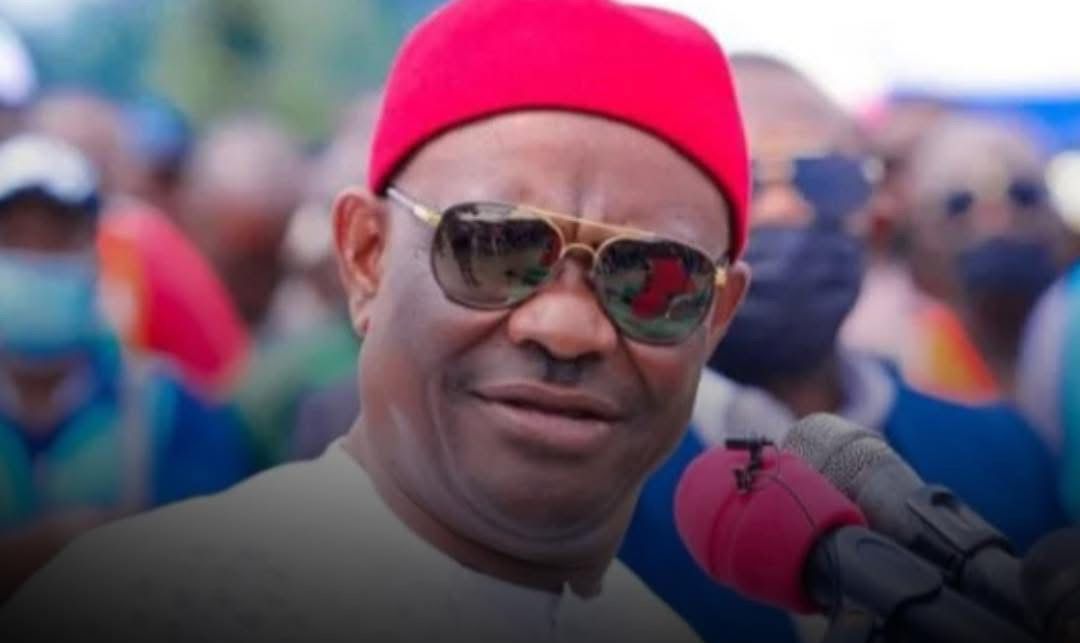
Minister of the Federal Capital Territory, Nyesom Wike, has highlighted the ongoing challenges of tax collection, pointing out the disparity between citizens’ expectations and the reality of government revenue.
Speaking with TVC NEWS live, he stressed that while Nigerians expect quality infrastructure and services, there is widespread reluctance to contribute through taxes.
On the difficulty of generating revenue, Wike said: “To collect tax, you know it’s not an easy thing. I don’t know how many of you here like to pay tax. Nigerians want everything for free. They want road, they want light. It is not easy.”
He further stated; “When I came to Abuja we were about 8, 9 billion. The money we get from the federal government is 1% of the allocation of federal government. So if federal government gets 1 trillion for example, they’ll give us one percent which is ten billion naira and that cannot carry the society. Our salary in a month is not less than 12–13 billion, so we must augment. How do we augment?”
Addressing public criticism, he added: “There’s no ab¥se that any politician has received than me. I think after the president, I’m the highest ab¥sed. There’s nothing we do that we won’t get ab¥sed. Well, what is important to me is that I want to be concentrated to do the job.”
On oversight and accountability, Wike explained how closely he monitors the finances: “The money we have gotten from tax challenge me, minister FCT, what are you doing? I’ll show you as I sit here.”

2027: More Than 50 Lawmakers Lose APC Reps Tickets in Major Primary Election

Bandits behind Ogbomoso school abduction will face full wrath of the law- President Tinubu

PDP to screen Goodluck Jonathan on Tuesday as its sole Presidential aspirant For 2027 race

-
Business2 years ago
US court acquits Air Peace boss, slams Mayfield $4000 fine
-

 Trending2 years ago
NYA demands release of ‘abducted’ Imo chairman, preaches good governance
-

 Politics2 years ago
Mexico’s new president causes concern just weeks before the US elections
-

 Politics2 years ago
Putin invites 20 world leaders
-

 Politics2 years ago
Russia bans imports of agro-products from Kazakhstan after refusal to join BRICS
-
Entertainment2 years ago
Bobrisky falls ill in police custody, rushed to hospital
-
Entertainment2 years ago
Bobrisky transferred from Immigration to FCID, spends night behind bars
-
Education2 years ago
GOVERNOR FUBARA APPOINTS COUNCIL MEMBERS FOR KEN SARO-WIWA POLYTECHNIC BORI