
Politics
ANALYSIS: With Traore, Burkina Faso can get governance right, achieve developmental aspirations

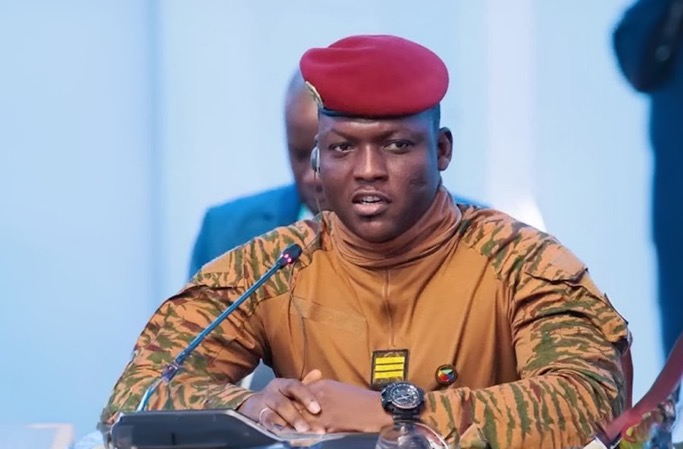
The challenge will be translating Burkina Faso’s rich mineral resources and promising economy into stability and development.
At 36, Burkina Faso’s Ibrahim Traoré is the world’s youngest president, in stark contrast to Africa’s average leader age of 63. He took office in September 2022 after overthrowing Paul-Henri Damiba, who had ousted former president Roch Kaboré earlier that year.
The foundations of the country’s coup administration have been rocky. Last week, the military government survived another apparent coup attempt; one among several since Mr Traoré, an army captain, came to power.
In his inaugural statement, Mr Traoré said Burkina Faso faced an emergency, citing crises in security, defence, healthcare, social action and infrastructure. He pledged to combat terrorism and adhere to the transition timetable agreed with the Economic Community of West African States (ECOWAS), which aimed to restore democratic rule by 1 July 2024.
However, Burkina Faso has since withdrawn from ECOWAS, forming instead the Alliance of Sahel States with Mali and Niger – countries also run by post-coup administrations. Under Burkina Faso’s new transition plan, Mr Traoré may remain in his position until at least 2029.
His popularity has soared since his ascension to power. At President John Mahama’s inauguration in Ghana on 7 January, Mr Traoré received the loudest applause of all 21 African heads of state. This showed not only his popularity but the trend of tolerance for military rule in Africa, especially among the youth.
Afrobarometer reports that almost two-thirds of Burkinabé believe the army should intervene when leaders abuse their power. Likewise, 66 per cent accept military rule, up from 24 per cent in 2012. The fact that the survey was conducted at a time when the country was under military rule portrays a general acceptance of the regime.
However, Mr Traoré’s popularity goes beyond acceptance of military rule. He has embarked on radical reforms that resonate with many Burkinabé. These include reversing his predecessor’s salary increase for government officials while he remainson his military captain earnings.
As part of efforts to take ownership of mineral resources, Mr Traoré has nationalised two gold mines and stopped exporting unrefined gold to Europe, instead inaugurating a national gold refinery expected to process 150 tonnes annually.
Other significant achievements include establishing the National Support Center for Artisanal Cotton Processing, building a new airport, and considerable agricultural investment.
While these are noble attempts to industrialise Burkina Faso, the country must not fall into the usual traps of inefficiencies, corruption and mismanagement that characterise most African state-owned enterprises.
Further, Mr Traoré has rejected financial assistance from the International Monetary Fund and World Bank, insisting the country can develop without the West’s loans and conditionalities. For some, this is a demonstration of Africans handling their own affairs. For the youth, Mr Traoré’s regime is a chance to show what young people can achieve. But for most ordinary Burkinabé, the priority is simply improving their daily living conditions.
At a time of increasing global uncertainty and a decline in international aid, Africa must strive for self-reliance and control of its resources. Like many African countries, Burkina Faso is blessed with natural resources that, if properly managed, could transform citizens’ lives.
The country has mineral resources and produces substantial quantities of gold, zinc, copper, manganese, phosphate and limestone. It also has reserves of diamonds, bauxite, nickel and vanadium, most of which remain largely unexploited.
The country has made gains. Gross Domestic Product (GDP) (in market exchange rate) increased from $3.2 billion in 1990 to $18.3 billion in 2023, and extreme poverty declined from 83 per cent to 27.7 per cent in the same period. But significant challenges remain.
According to the 2023/2024 Human Development Report, Burkina Faso is classified as having low human development and is ranked 185th out of 193 countries on the Human Development Index. Itplaced 149th out of 167 countries on the 2024 Sustainable Development Goals Index, and on the Multidimensional Poverty Index, 64.5 per cent of the population is multidimensionally poor.
However, the economy holds significant promise. Recent research by the Institute for Security Studies’ African Futures and Innovation team shows that Burkina Faso’s economy could grow at an average rate of 8 per cent from 2025 to 2043.
This would translate into an additional GDP per capita of $1,120 above a business-as-usual forecast – and reduce income poverty to only 2.6 per cent of the population. This means an extra 2.4 million Burkinabés could be lifted out of poverty by 2043.
The study identified governance reforms as critical to unlocking the country’s development potential. Indeed, good governance could raise GDP per capita by an extra $240 above a business-as-usual forecast, lifting 500,000 additional Burkinabé out of extreme poverty.
For this, Mr Traoré must lead the country in overcoming political instability, violent extremism and weak institutions. Institutional and structural reforms are needed to enhance security, accountability, public sector efficiency and governance inclusion.
The immediate priority is addressing terrorism, which resulted in the loss of about 40 per cent of the country’s territory, undermining the state’s authority and ability to deliver public services, as thousands of schools and health facilities are closed in those areas. The UN Refugee Agency estimates that over two million people are internally displaced, and those needing humanitarian assistance increased by 35 per cent between 2022 and 2023.
Next should be building strong institutions and strengthening existing ones to improve public sector efficiency and combat corruption. Local governments must be empowered with the resources and capacity to implement development programmes tailored to communities’ needs.
In the medium term, the country must transition into constitutional rule to ensure the political stability and legitimacy needed to drive economic growth. This would also enhance investor confidence, allowing Burkina Faso to attract the foreign direct investment needed for its development. The African Union, civil society organisations and development partners should support the 60-month transition plan to ensure a smooth transition to democracy.
This is not the first time such a charismatic figure has emerged on Africa’s political scene. Many revolutionary leaders started the same way but later deviated from the course as they clung to power. In Ghana, 32-year-old Jerry Rawlings, nicknamed ‘Junior Jesus’, emerged in late 1979 in a bloody revolution to fight corruption and sanitise the country’s political system. But after 19 years in power, his legacy was mixed.
With a young, strong, charismatic leader, Burkina Faso has a chance to get its governance right and achieve its developmental aspirations. This could be a lasting legacy for Traoré’s regime.
Enoch Randy Aikins, Researcher, African Futures and Innovation, Institute for Security Studies (ISS)
(This article was first published by ISS Today, a Premium Times syndication partner. We have their permission to republish).


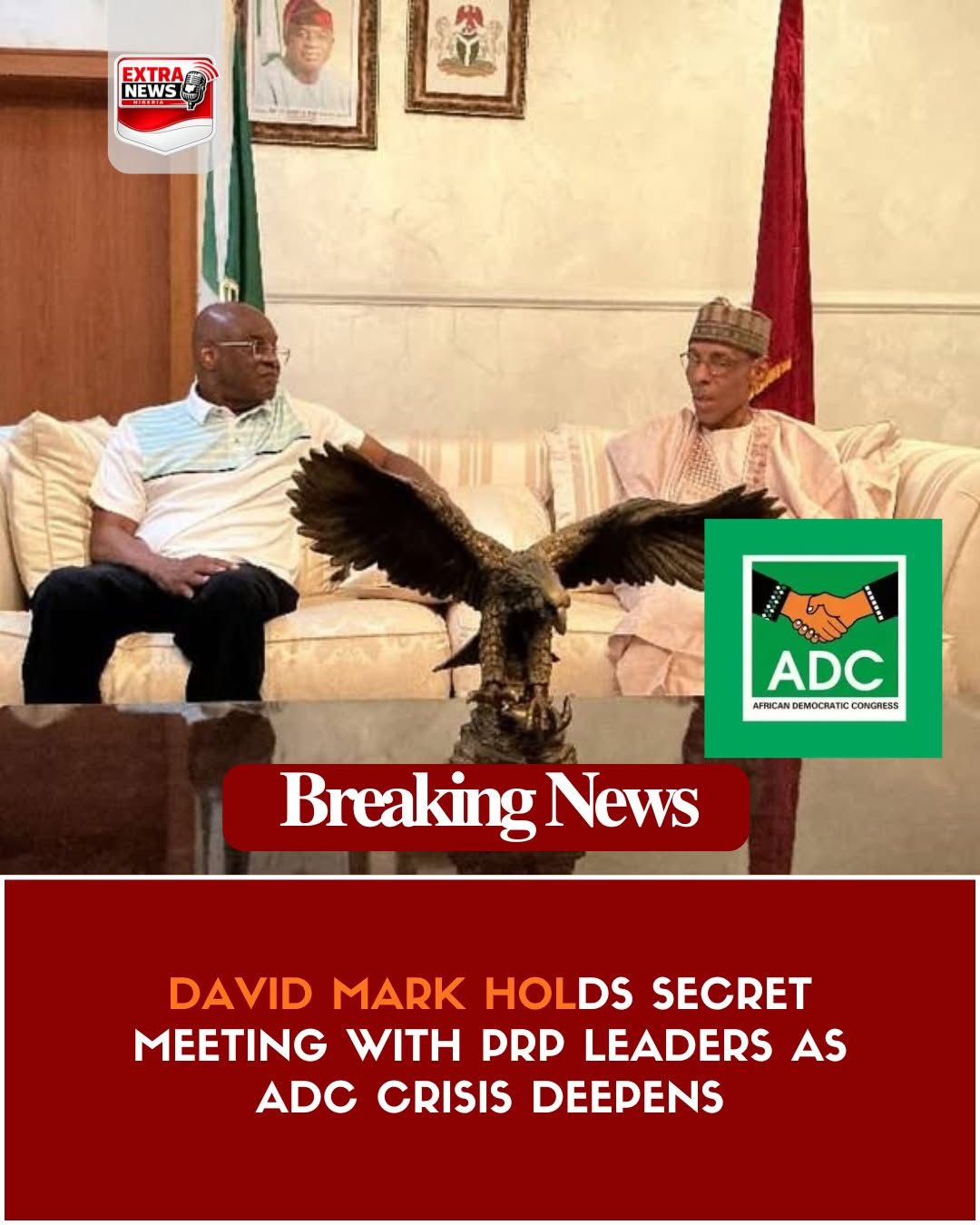
The embattled National Chairman of the African Democratic Congress, David Mark, on Friday held a closed-door meeting with leaders of the Peoples Redemption Party in Abuja. The private consultation is seen as a fresh round of political moves as the ADC continues to battle a lingering leadership crisis and growing internal divisions.
Top figures from both parties were said to be present at the meeting, including PRP National Chairman Hakeem Baba-Ahmed and senior ADC officials. The development is already drawing attention as opposition parties continue realignments ahead of the 2027 political season, with many watching closely for possible alliances and next steps in the party crisis.
Politics
“ADC is a Holy Party, Cannot be used to Scam Nigerians Again” – Hon Success Opara tells David Mark
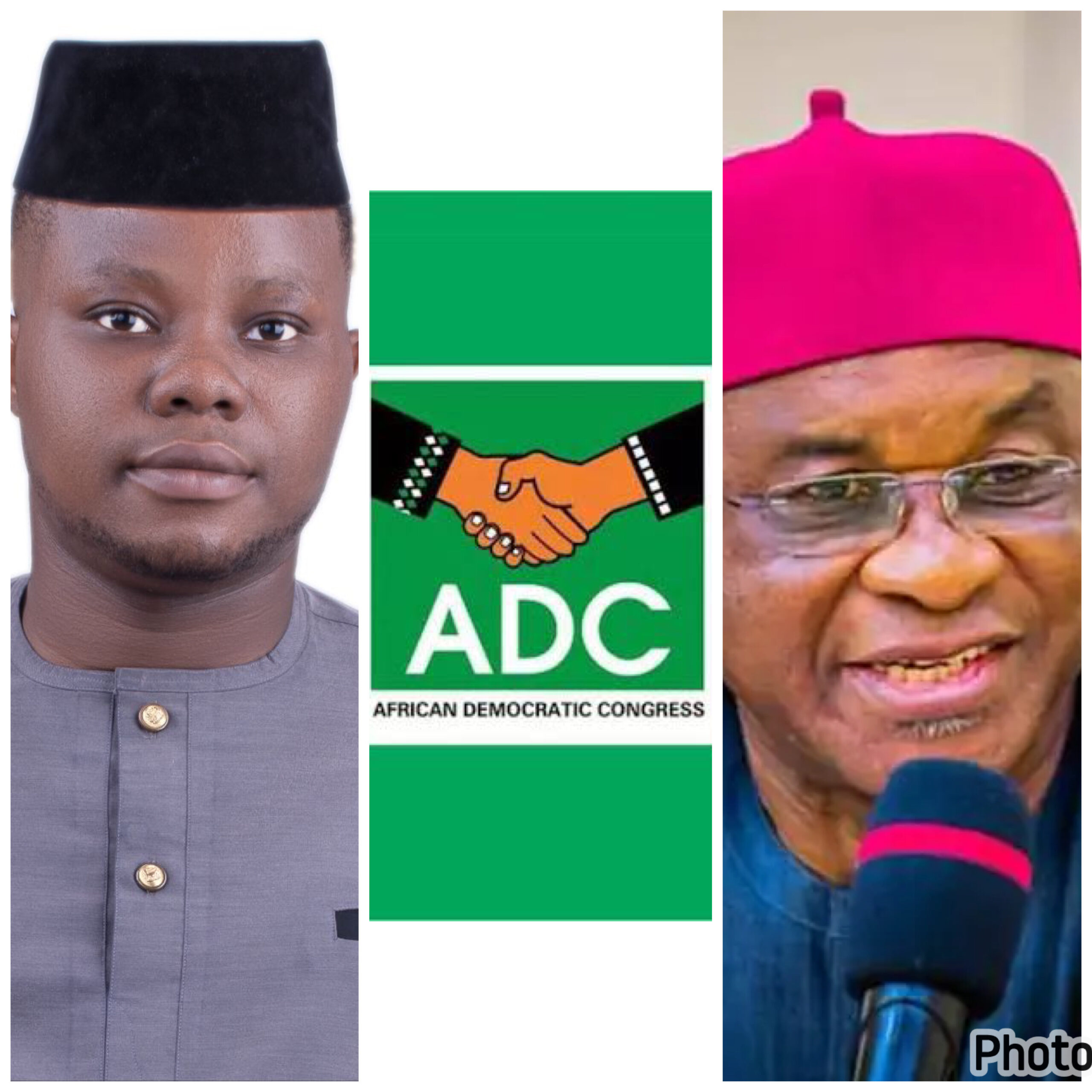
ADC Party in Turmoil: Hon Success Opara Slams Leadership, Warns Against Scamming Nigerians
Abuja, Nigeria – The African Democratic Congress (ADC) is facing internal strife as Hon Success Opara, a prominent party official, has warned against attempts to use the party to deceive Nigerians. Opara specifically criticized the leadership of David Mark, stating that the party cannot be used to scam citizens again.
“ADC holy Party cannot be used to scam Nigerians again,” Opara said, emphasizing that those forming coalitions are hindering the party’s growth and denying youths opportunities to thrive.
“Those who are forming coalition don’t want to give the youths the chance to strive in the party,” she added.
Opara’s statement highlights the deepening divisions within the ADC, with concerns over leadership and the party’s direction.
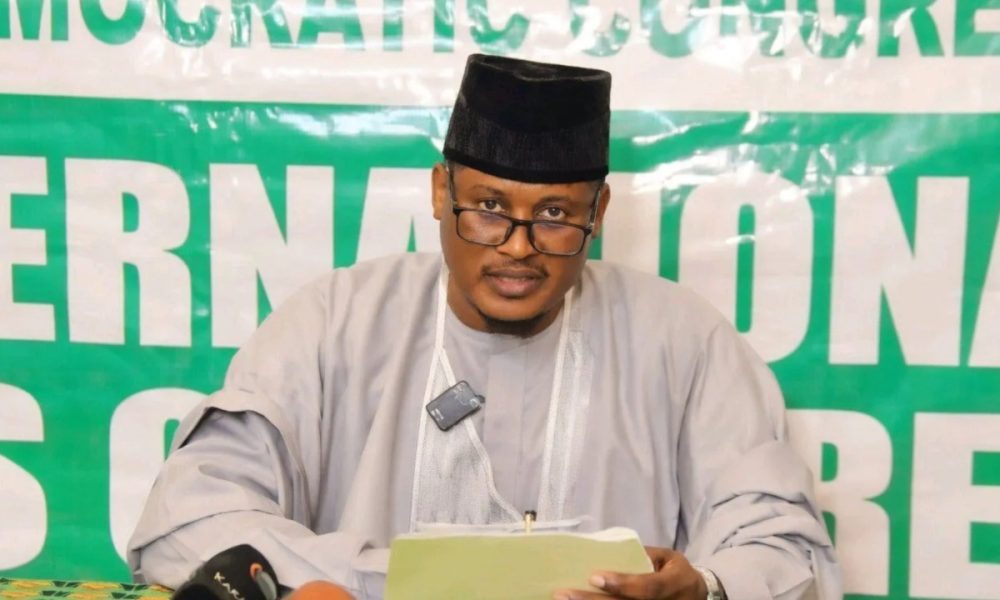
The factional National Chairman of the African Democratic Congress (ADC), Nafiu Bala Gombe, has announced that the party under his leadership will bar individuals above the age of 55 from contesting for political positions.
Gombe made the disclosure during an interview with BBC Hausa, where he outlined a vision centred on generational change and greater youth participation in politics.
“The African Democratic Congress (ADC) is a party that belongs to all Nigerians. What we are doing now is to ensure the party moves forward properly.
“We have decided that we will give the youths a real chance. The time has come for young people to take the lead in politics.
“If you are over 55 years old, you are not going to contest for positions in the ADC under our leadership.
“We want to bring in fresh blood, new ideas, and energy from the youth. Nigeria’s future depends on the young generation.
“The old ways have not worked well for the country. We need to open the door wide for youths to participate fully as candidates, leaders, and decision-makers,” he said.

David Mark Holds Secret Meeting With PRP Leaders as ADC Crisis Deepens

Chaos As Military Officers Exchange Blows During Tinubu’s Visit To Bayelsa (Videos)

HRH Ekwueme of Ochia Kingdom Iynched & kiIIed in Imo.

-
Business1 year ago
US court acquits Air Peace boss, slams Mayfield $4000 fine
-

 Trending1 year ago
NYA demands release of ‘abducted’ Imo chairman, preaches good governance
-

 Politics1 year ago
Mexico’s new president causes concern just weeks before the US elections
-

 Politics1 year ago
Putin invites 20 world leaders
-

 Politics1 year ago
Russia bans imports of agro-products from Kazakhstan after refusal to join BRICS
-
Entertainment1 year ago
Bobrisky falls ill in police custody, rushed to hospital
-
Entertainment1 year ago
Bobrisky transferred from Immigration to FCID, spends night behind bars
-
Education2 years ago
GOVERNOR FUBARA APPOINTS COUNCIL MEMBERS FOR KEN SARO-WIWA POLYTECHNIC BORI