EVENTS
Arthur Nzeribe: The Arms Dealer Who Supplied Both Sides of Nigeria’s Civil War

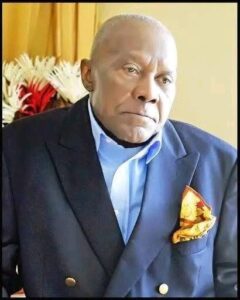
When people think of Arthur Nzeribe, the late Nigerian businessman and politician, most remember his flamboyant lifestyle, vast wealth, and eventual role as a senator. But one of the most controversial chapters of his life remains his activities during the Nigerian Civil War (1967–1970).
The Business of War
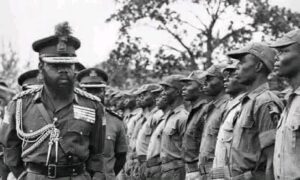
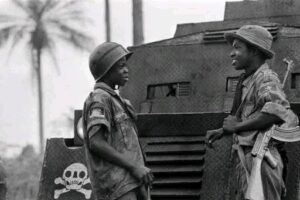
The Nigerian Civil War, also known as the Biafran War, erupted when the southeastern region declared independence as the Republic of Biafra. The three years of bloodshed left over a million people dead, mostly from famine and starvation.
Behind the battle lines, a young Arthur Nzeribe—already showing the sharp instincts that would define his career—saw opportunity in the chaos. He became a middleman in the shadowy world of international arms trade, using his contacts in Europe to source and supply weapons.
Playing Both Sides
What makes his role particularly controversial is that Nzeribe allegedly sold arms to both the Nigerian federal government and the secessionist Biafran side. While most businessmen aligned with one camp or the other, Nzeribe navigated between both, dealing in weapons and military hardware. To some, he was an opportunist who fueled the conflict for profit; to others, he was simply a pragmatic businessman operating in a brutal environment.
The Making of a Tycoon
These wartime dealings laid the foundation for Nzeribe’s later fortune. By the 1970s and 1980s, he had built up a business empire spanning oil, property, and investments. His wealth bought him influence, and his influence eventually bought him a seat in Nigerian politics.
Yet, the whispers of his past never fully went away. Many Nigerians continued to view him as a man who profited from national tragedy, even as he tried to reinvent himself as a statesman.
Legacy of a Controversial Figure
Arthur Nzeribe’s life is a study in contrasts—patriot and profiteer, politician and dealmaker, philanthropist and opportunist. His role as an arms dealer during the civil war remains a dark shadow over his legacy, reminding us how the lines between survival, business, and morality can blur during times of conflict.
In the end, Nzeribe’s story

is not just about one man, but about the broader reality of war: while ordinary people pay the price with their lives, others exploit the chaos to secure wealth and power.


