
News
Bauchi journalist’s death reopens talks on insurance gaps, silent dangers facing media workers in Nigeria

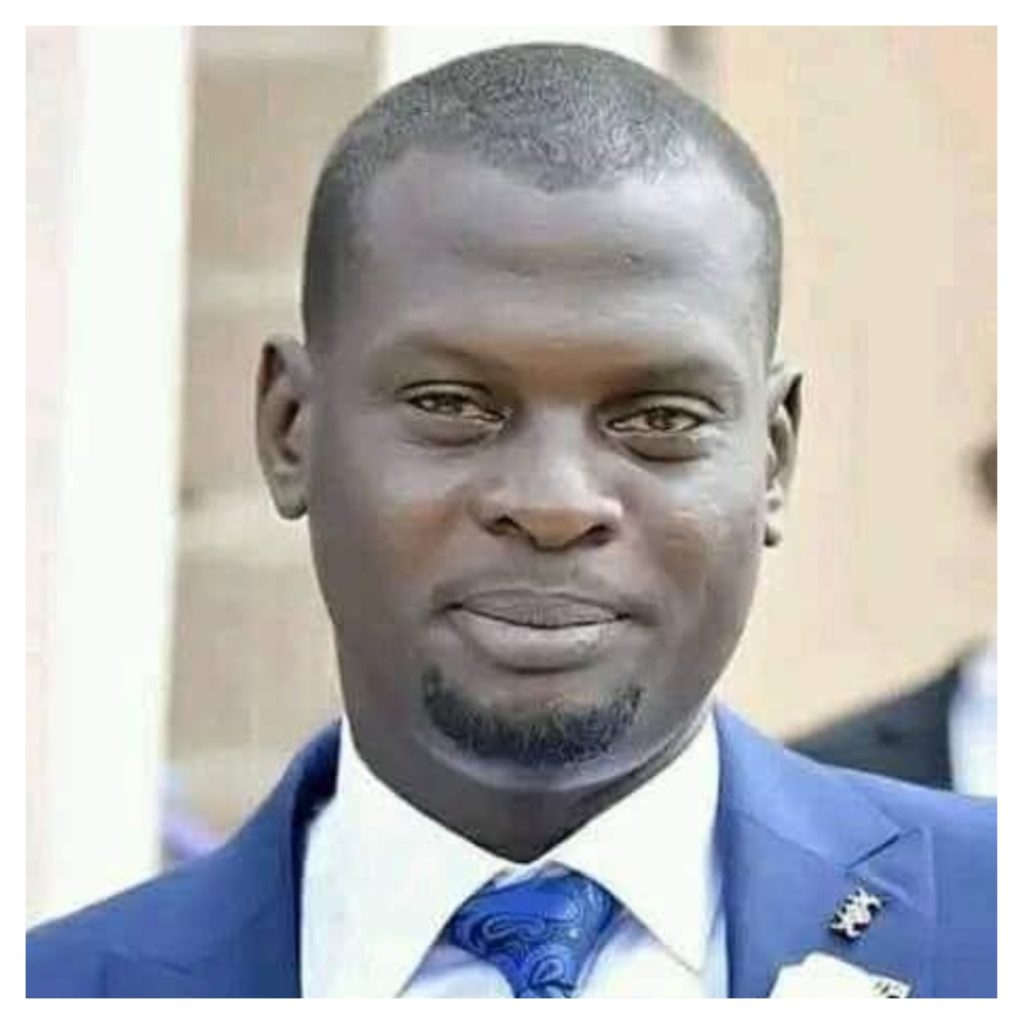
For several days in early February 2026, Kani Ben, a cameraman with Channels Television, traveled across six states under the North East Development Commission (NEDC): Bauchi, Borno, Gombe, Adamawa, Taraba, and Yobe, covering government projects and community events.
Every assignment required long journeys, often on poor roads, yet he maintained his professionalism, capturing governance and local stories with dedication.
After returning home on 5 February, Kani set out on another official assignment the following day. Along the Yashi-Yelwan Duguri Road, and allegedly around a pothole-riddled stretch, twisting through hills and farmland, his vehicle lost control.
Kani and several colleagues sustained critical injuries and were rushed to ATBUTH, Bauchi. Kani succumbed to his injuries nine days later, on Sunday, 15 February, 2026.
“He had just returned from a long journey and could not rest before this next assignment. It made me realize how risky journalism is in this country, and it’s so painful watching him and the way he left us,” Mrs. Sarah Kani Ben, told Ekwutosblog.
She disclosed that Channels Television contacted her to request for certain documents which she promptly sent to the organization
The wife of the deceased also stated that the Bauchi State Governor, Bala Abdulkadir Mohammed had taken responsibility for Kani’s burial to be done on Saturday in Girei LG of Adamawa State, sponsoring their two children’s education and offering her employment assistance.
Mrs. Ben reflected on the physical and health risks journalists face, especially when juggling long, consecutive assignments across multiple states.
Legal Responsibility: Organisations Must Act
Barr Sunday Joshua Wugira, a legal expert based in Adamawa State, while reacting to the incident, however, stressed the obligations of media organisations.
He said, “Every organization that employs journalists in high-risk jobs must take full responsibility for their welfare.
“Comprehensive insurance covering accidents, untimely death, and permanent injuries is essential. Media houses cannot shy away from this duty.
“This will give the employees confidence and nobody will run around when something happens.
“Nobody will start running around looking or thinking somebody should assist by taking responsibility to bring him succour. It is going to be automatic.”
He added, “The government may assist on compassionate grounds, but that does not replace the obligation of the media house. Journalists should never travel in unsafe vehicles or with unqualified drivers and I think they should come together and look into it.”
NUJ Steps In
Speaking to Ekwutosblog, President of the Nigeria Union of Journalists (NUJ, Alhassan Yahaya recalled a December 2025 accident in which he and his colleagues were involved during union duties.
According to him, “From now forward, we will ensure drivers are professionals. Non-professional drivers even among us will no longer be allowed. This will be formalised at our next NEC Meeting.”
On insurance, Yahaya disclosed that the union is working to introduce a Group Life and Health Insurance Scheme for practising journalists nationwide, a premium-based welfare package designed to provide access to quality healthcare and death benefits for members and their families.
“We are focusing on health and life insurance for all practising journalists. Members will access quality healthcare from primary to secondary levels. Families of the deceased will benefit after death. We will also work with media organisations to ensure compliance, ” he stated.
On safety training, he said: “At our media summits, we will continue to focus on technological safety, human safety, gender safety, and online safety. We will also organize workshops to further equip journalists to handle risks in the field.
“Whatever you are doing, your safety comes first. We love you more than the report. Safety first. Always.”
Voices from the Field
Regina Bwala (Abuja): “I have never received formal insurance documentation except what I arranged personally.
“I have faced unsafe situations, sometimes attacks or humiliation as a female journalist, but God kept me safe. Media organisations could improve safety through partnerships with insurance companies and the government. Workshops on sensitisation would help.”
Daniel Atori (Niger State):
“I have no formal insurance from my organization, except the personal health insurance I applied for. I have been on assignments I felt were unsafe. Media organisations need to partner with insurance providers and government schemes to ensure we are protected.”
John Adams (Niger State),
“I have no details of insurance from my organisation. I’ve gone on unsafe assignments because it was part of the job. Media houses can improve safety by providing insurance, medical support, and clear accident protocols.”
Journalists from other parts of the country, including Kwara, Nasarawa, and Benue states, when contacted, also noted the need for structured workshops and regular sensitisation programmes by the Union focused on safety protocols for members.
They lamented that while government officials travel in well-maintained vehicles, journalists often ride in less reliable cars, even on official convoys, exposing them to avoidable risks.
Systemic Risks and Advocacy
According to the Nigeria Union of Journalists (NUJ) and Media Rights Agenda, less than 1% of Nigerian journalists have comprehensive insurance, leaving most vulnerable to accidents, illness, or death while on duty.
Nigeria ranks among the most dangerous countries for journalists in West Africa, with routine assaults, intimidation, and arrests.
On 29 December 2025, a bus carrying journalists back from a colleague’s wedding crashed along the Billiri–Kumo Road, Kaltingo LG in Gombe State, killing seven journalists and injuring four others, further underscoring the occupational hazards media professionals face even outside high-risk security assignments.
International and local organisations, including Reporters Without Borders and UNESCO, have repeatedly raised alarms about the risks journalists face in Nigeria.
They advocate for enforceable safety protocols, access to insurance, and structured welfare frameworks, emphasizing that deaths and injuries are preventable when proper measures are in place.
Shu’aibu Usman Liman calls for cultural change
Shu’aibu Usman Liman, former NUJ National Secretary, reflected on the culture of risk.
“We often glorify being on the field in dangerous conditions as proof of dedication. But dedication should not mean putting your life on the line needlessly.
“Journalists must feel empowered to refuse unsafe assignments without fear of reprisal or stigma,” he said.
On organisational responsibility, he stated, “Media houses cannot outsource safety. Ensuring safe transport, qualified drivers, and proper insurance is not optional.
“Professionalism includes ensuring safe conditions. If organisations fail in this regard, they are failing their staff and betraying the profession.
“Every life lost is a story unfinished, a lens silenced, a voice gone.”
He concluded: “If we do not act collectively and decisively, the ink will bleed again. Every life lost is a story unfinished, a lens silenced, a voice gone.”
Kani Ben’s death is a call to action. Safety, insurance, risk assessment, and professional protocols are non-negotiable.
Journalists must be empowered to refuse unsafe assignments, and media houses must ensure insurance coverage and medical support.
The camera is silent. The frame is empty. Responsibility rests with all stakeholders. For every journalist documenting Nigeria’s history, the message is clear: their safety cannot be optional.


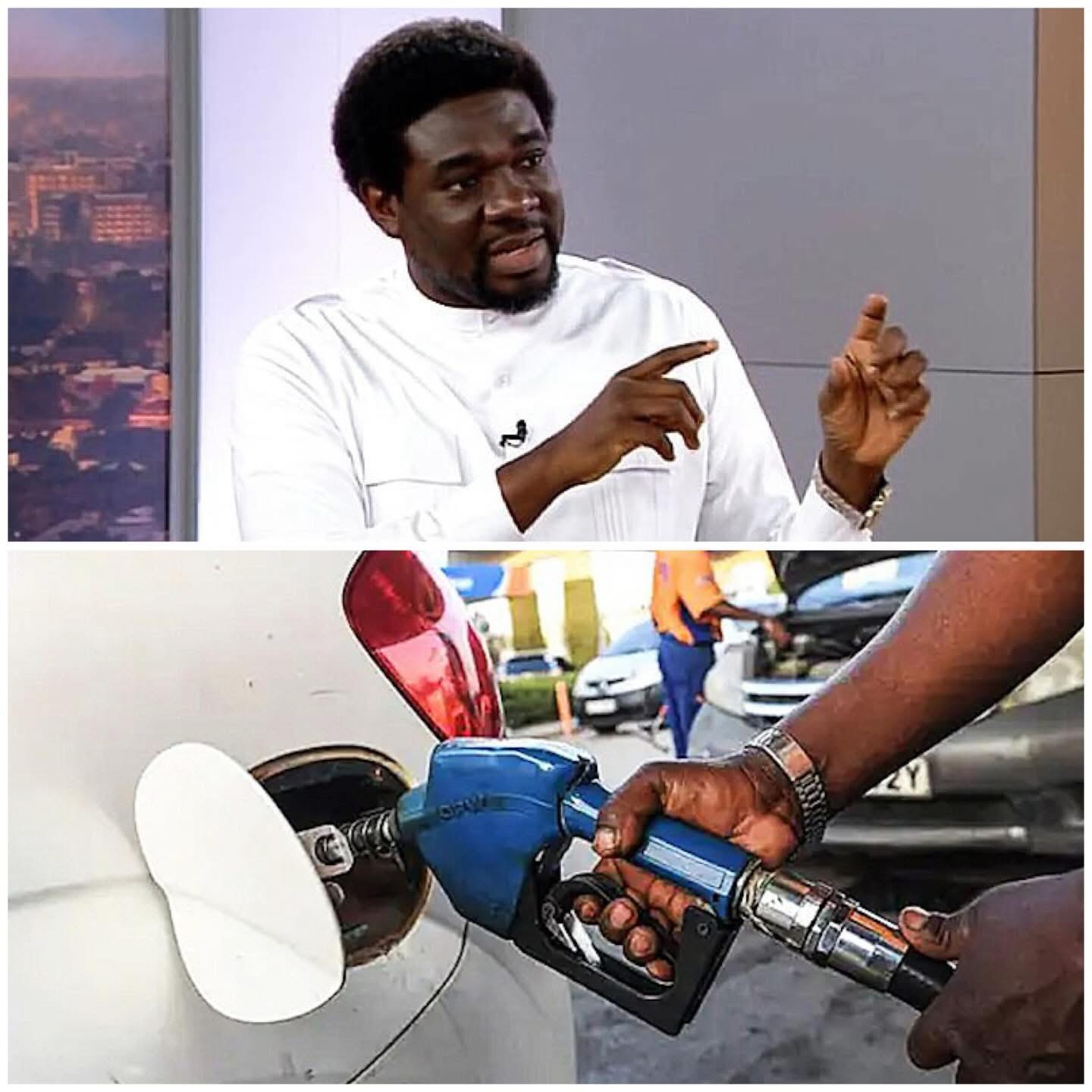
The Trade Union of Nigeria, TUC, has raised the alarm that the price of Premium Motor Spirit aka Petrol may climb to about N2,000 per litre if urgent measures are not taken to cushion the impact of rising global crude prices and the depreciating naira.
Speaking to newsmen on Thursday, April 9, the president of the TUC, Festus Osifo, called on the Federal Government to immediately deploy 60 percent of excess crude oil revenue above the 2026 budget benchmark to subsidise crude feedstock supplies to the Dangote Refinery and other modular refineries, a move it says will slash pump prices of petrol, diesel, and jet fuel within two weeks
“Today, comrades, we are seeing that the cost of petrol is edging towards N2,000 per litre depending on the part of the country that you are. Nigerian workers are already passing through excruciating pain as we speak.
The same way it is affecting transportation, it is also affecting manufacturing. The cost of diesel has also gone northward, meaning that the cost of production has increased. When production costs rise, the final price of goods on the shelves will also skyrocket.
If this continues unchecked, the inflation that we are currently celebrating as going downwards will reverse and start moving up again,” he stated.
Osifo outlined the proposal as an urgent intervention to cushion Nigerian workers from excruciating pain caused by petrol prices edging towards ₦2,000 per litre in some parts of the country
News
Cameroon’s President, Paul Biya Set To Get A Vice President For The First Time In His 43-Year Rule
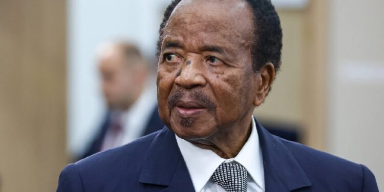
Cameroon’s president, Paul Biya, is set to get a vice president for the first time in his four-decade rule, following controversial constitutional changes backed by the parliament.
In a joint session of the ruling party-dominated National Assembly and Senate, lawmakers voted 200 to 18 in favour, with four abstentions, to pass the bill.
The bill stipulates that the vice president will automatically assume the presidency if President Paul Biya dies, resigns, or becomes incapacitated.
Biya, 93, has led the Central African country since 1982 and is the world’s oldest serving head of state. Public discussion about his health is banned.
According to the legislation, a copy of which was seen by Reuters, the vice president will be appointed and dismissed by the president, serving for the remainder of the president’s seven-year term.
However, the interim leader would be prohibited from initiating constitutional changes or running in a subsequent election.
Prior to the amendment, the constitution designated the leader of the Senate to briefly take over in case the sitting president d!es or is incapacitated. An election would then be held.
The Social Democratic Front (SDF) party, which has six representatives in parliament, boycotted the vote. It had pushed for a revision in favour of the vice-president being jointly elected with the president, rather than appointed.
The party also sought a constitutional provision that reflects the linguistic split between English and French-speaking regions. The SDF wanted the nation’s top two posts to be shared between Cameroon’s two communities, which was the position before 1972.
“This constitutional reform could have been a moment of political courage, but it is nothing less than a missed historic opportunity,” SDF chairman Joshua Osih said.
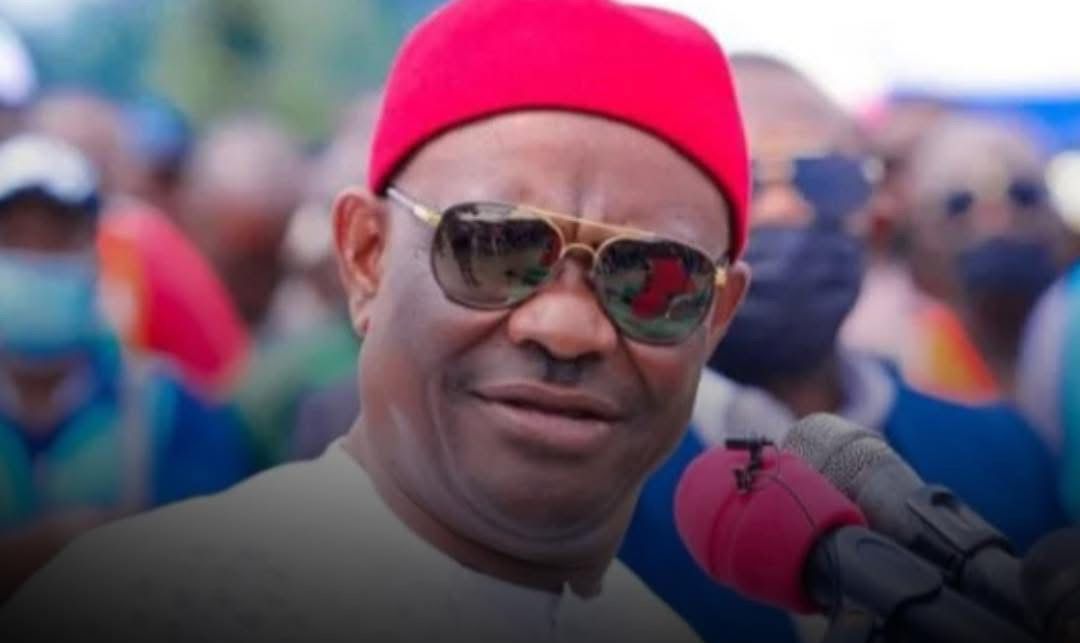
Minister of the Federal Capital Territory, Nyesom Wike, has highlighted the ongoing challenges of tax collection, pointing out the disparity between citizens’ expectations and the reality of government revenue.
Speaking with TVC NEWS live, he stressed that while Nigerians expect quality infrastructure and services, there is widespread reluctance to contribute through taxes.
On the difficulty of generating revenue, Wike said: “To collect tax, you know it’s not an easy thing. I don’t know how many of you here like to pay tax. Nigerians want everything for free. They want road, they want light. It is not easy.”
He further stated; “When I came to Abuja we were about 8, 9 billion. The money we get from the federal government is 1% of the allocation of federal government. So if federal government gets 1 trillion for example, they’ll give us one percent which is ten billion naira and that cannot carry the society. Our salary in a month is not less than 12–13 billion, so we must augment. How do we augment?”
Addressing public criticism, he added: “There’s no ab¥se that any politician has received than me. I think after the president, I’m the highest ab¥sed. There’s nothing we do that we won’t get ab¥sed. Well, what is important to me is that I want to be concentrated to do the job.”
On oversight and accountability, Wike explained how closely he monitors the finances: “The money we have gotten from tax challenge me, minister FCT, what are you doing? I’ll show you as I sit here.”

HRH Ekwueme of Ochia Kingdom Iynched & kiIIed in Imo.

“ADC is a Holy Party, Cannot be used to Scam Nigerians Again” – Hon Success Opara tells David Mark

2027: Bala declares aspirants over 55 years disqualified in ADC

-
Business1 year ago
US court acquits Air Peace boss, slams Mayfield $4000 fine
-

 Trending1 year ago
NYA demands release of ‘abducted’ Imo chairman, preaches good governance
-

 Politics1 year ago
Mexico’s new president causes concern just weeks before the US elections
-

 Politics1 year ago
Putin invites 20 world leaders
-

 Politics1 year ago
Russia bans imports of agro-products from Kazakhstan after refusal to join BRICS
-
Entertainment1 year ago
Bobrisky falls ill in police custody, rushed to hospital
-
Entertainment1 year ago
Bobrisky transferred from Immigration to FCID, spends night behind bars
-
Education2 years ago
GOVERNOR FUBARA APPOINTS COUNCIL MEMBERS FOR KEN SARO-WIWA POLYTECHNIC BORI