
Politics
BREAKING!!! Obi Aguocha Leads 50 APC, LP PDP Reps Members to Demand Nnamdi Kanu’s Immediate Release, Write Tinubu |

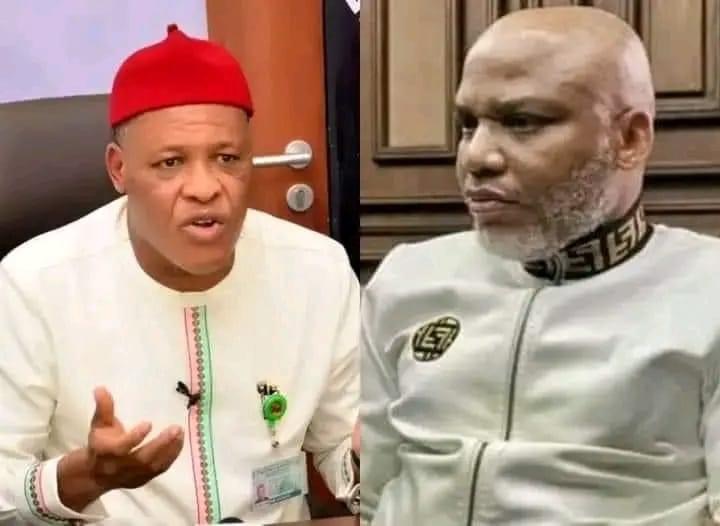
About 50 members of the House of Representatives from different parts of Nigeria and Political Parties known as concerned federal lawmakers for Peace and Security in the South East have appealed to President Bola Ahmed Tinubu to invoke section 174 of the constitution of the federal republic of Nigeria, 1999(as amended) and section 107(1) of administration of criminal justice Act, 2015 for the release of the leader of the Indigenous People of Biafra, Mazi Nnamdi Kanu from detention to aid the restoration of peace in the South East.
The lawmakers who hail from different Political Parties and geopolitical zones across the nation, also appealed to President Tinubu to commence a presidential peace initiative to address all issues and challenges bedevilling the southeast region of Nigeria.
These were contained in a 3 page letter signed by the lawmakers, dated June 19, 2024 and addressed to Mr President. The signatories are Hon. Obi Aguocha (Abia), Hon. Ikenga Ugochinyere (Imo), Hon. Aliyu Mustapha (Kaduna), Hon. Midala Balami (Borno), Hon. Afam Ogene (Anambra), Hon. Abiante Awaji-Inombek (Rivers),
Hon. Dominic Okafor (Anambra), Hon. Etanabene Benedict (Delta), Hon. Shehu Dalhatu (Katsina), Hon.Chinedu Emeka Martins (Imo), Hon. Matthew Nwogu (Imo), Hon. Muhammed Buba Jagere(Yobe),
Hon. Peter Aniekwe (Anambra), Hon. Koki Sagir (Kano), Hon.Amobi Oga(Abia), Hon. Gwacham Chinwe (Anambra), Hon. Uchenna Okonkwo (Anambra), Hon. Abdulmaleek Danga( Kogi ), Hon. Osi Nkemkama (Ebonyi),
Others are, Hon. Mark Useni (Taraba), Hon. Alexander Mascot (Abia), Hon. Philip Agbese (Benue), Hon. Ginger Onwusibe Obinna(Abia), Hon. Zakari Nyampa (Adamawa), Hon. Jamo Aminu (Katsina), and Hon. Emeka Idu Obiajulu (Anambra), Hon.Nnabuife Chinwe Clara(Anambra), Hon. Ukodhiko Jonathan (Delta), Hon. Akingbaso Olarewaju(Ondo), Hon. Lilian Obiageli Orogbu(Anambra), Hon.Marcus Onobu(Edo), Hon.Chinedu Obika (FCT Abuja), Hon.Billy Osawaru (Edo) , Hon.Ojuawo Rufus Adeniyi (Ekiti), Hon.Okoli Ngozi Lawrence (Delta), Hon.Ezechi Nnamdi ( Delta), Hon. Alozie Munachim Ikechi(Abia), Hon.Nkwonta Chris (Abia), Hon.Nnamchi Paul Sunday (Enugu), Hon. Obetta Mark Chidi( Enugu), Hon. Tochi Okere Chinedu (Imo), Hon. Uguru Emmanuel (Ebonyi), Hon.Joseph Nwaobasi (Ebonyi), Hon.Onwugbu Befford Anayo (Enugu), Hon.Atu Chimaobi Sam(Enugu), Hon.Sunday Cyriacus Umeha (Enugu), Hon. Anthony Adepoju (Oyo)
They urged the President to direct the Attorney-General of the Federation and Minister of Justice, Prince Lateef Fagbemi SAN to invoke his powers of nolle prosequi under the provisions of Section 174(1) of the Constitution and Section 107(1) of the Administration of Criminal Justice Act 2015 and cause the release of Mazi Nnamdi Kanu from detention and discontinue his trial.
According to the lawmakers, they believe it is long overdue and would be instrumental in opening the door for much-needed conversations surrounding peace restoration and inclusivity as well as addressing the issues that led to the agitations.
They recalled that the President extended this gesture through the office of the Attorney General in the charge involving Omoyele Sowore wherein, he was charged with treasonable felony in Charge No FHC/ABJ CR/235/2019, Sunday Igboho and so on.
The concerned legislators lamented that the South-East is in turmoil and unsafe for various reasons including breakdown of security, downturn of economic activities, families are running away from their homes and businesses are crumbling.
They therefore opined that fixing the challenges in the South-East would go a long way in changing the narrative and showcase his commitment to upholding the principle of Rule of Law, Justice and Fairness, which are the bedrock of our democracy.
They also opined that it would also set a precedent for addressing issues through dialogue rather than prolonged political cum judicial persecution and pave the way for peace initiatives, economic revitalization and a renewed sense of belonging among the citizens of the southeast.
Expressing optimism on a positive response from the President, the concerned lawmakers added that this will enhance President Tinubu’s administration’s legacy as one that prioritizes national unity, peace and progress.
The letter read in part, “Your Excellency, We are concerned Members of the House of Representatives of the Federal Republic of Nigeria with a strong belief and trust that the RENEWED HOPE agenda of His Excellency and the various positive reforms would be seen and felt by all. It is at the backdrop of the foregoing that we the undersigned hereby beseech Your Excellency to direct the Attorney-General of the Federation and Minister of Justice, Prince Lateef Fagbemi SAN to invoke his powers of nolle prosequi under the provisions of Section 174(1) of the Constitution of the Federal Republic of Nigeria, 1999 (as Amended) and Section 107(1) of the Administration of Criminal Justice Act 2015 and cause the release of Mazi Nnamdi Kanu from detention and discontinue his trial which we collectively believe is long overdue and would be instrumental in opening the door for much-needed conversations surrounding peace reformation and inclusivity as well as addressing the issues that led to the agitations, especially at this time Nigeria is going through several Constitutional reforms.
“Your Excellency, we resolutely believe that this singular act can serve as a pivotal gesture towards national unity as it would address some of the Political, Security and Economic concerns in the region. It would encourage stakeholders from the Southeast to engage more actively in the national discussions on the renewed hope agenda thereby promoting inclusivity and addressing long-standing grievances. This we belief will also help in dismantling the apparatus of violence and restiveness that has plagued the region, allowing for a focus on economic growth and development. Also, . is coming at a time the nation-state is under enormous pressures, including but not limited to unemployment, insecurity, hunger and poverty, thereby deescalating tension from all sides.
“Moreso, we as key actors in the renewed hope agenda of Your Excellency are not unmindful of the fact that Your Excellency has extended this gesture through the office of the Attorney General in the charge involving Omoyele Sowore wherein, he was charged with treasonable felony in Charge No FHC/ABJ CR/235/2019, Sunday Igboho, etc. All these recorded tremendous successes especially the crisis within the NorthCentral, North-Eastern, and South-South regions, not forgetting peace efforts in the Niger-Delta region which have helped in so many ways. The establishment of the North East Development Commission, Ministry of the Niger-Delta, Niger-Delta Development Commission, Presidential Amnesty, Various Host Community Laws, etc were all commitments to show good faith to the plight of the people as well as resolving regional conflicts.
“It is therefore our conviction that fixing the challenges in the South-East would go a long way in changing the narrative and showcase your commitment to upholding the principle of Rule of Law , Justice and Fairness, which are the bedrock of our democracy. It would also set a precedent for addressing issues through dialogue rather than prolonged political cum judicial persecution and brass show of executive lawlessness. We, therefore implore your excellency to adopt this approach and save the south-east and pave way for a national conversation to restore, safeguard and better the resources and economic activities in the south-east. The primary responsibility of the government is the protection of lives and property. Facilitating the release of Nnamdi Kanu would demonstrate a commitment to upholding the principles of justice and fairness, which are the bedrock of our democracy.
“Your Excellency, the benefits of such a bold and compassionate act are manifold. It would pave the way for peace initiatives, economic revitalization and a renewed sense of belonging among the citizens of the southeast. It would also enhance your administration’s legacy as one that prioritizes national unity, peace and progress. We are hopeful that you will consider this request with the gravity it deserves and take the necessary steps to bring about a new era of peace and inclusivity in Nigeria. Thank you, your Excellency for your attention to this important matter and we look forward to a positive response.”






Politics
ADC Owerri Municipal Gets New Chairman: Hon. Success Opara Emerges Amidst State Leadership Tussle
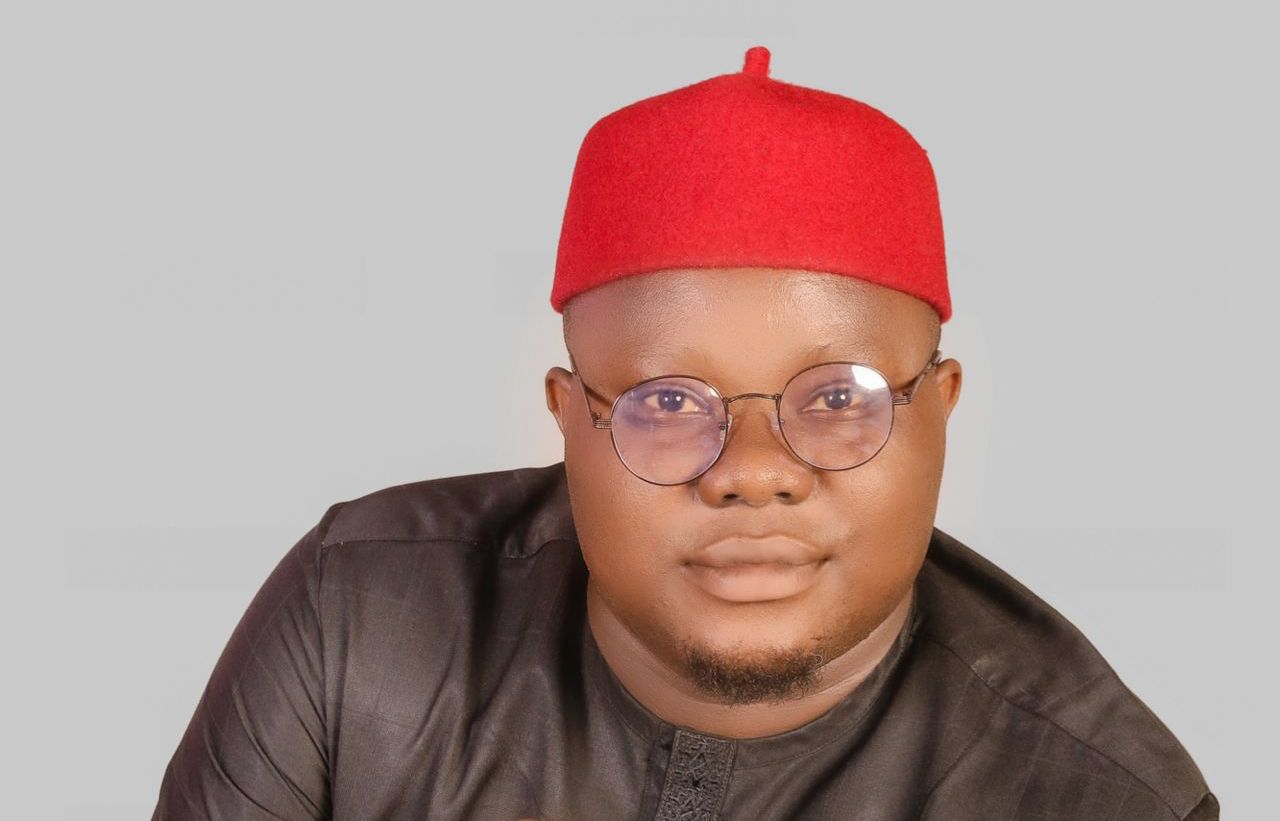
The African Democratic Congress (ADC) in Owerri Municipal, Imo State, has concluded its Local Government Area Congress, with Hon. Success Opara emerging as the new Chairman. The congress, conducted in all wards across Owerri Municipal, saw party faithfuls voting for Opara, who is expected to lead the party to victory in future elections.
However, there’s an ongoing leadership tussle within the Imo State ADC, with Chief Emmanuel Amushie claiming to be the authentic state chairman, recognized by the Independent National Electoral Commission (INEC). On the other hand, Prof. James Okoroma has also been declared the authentic state chairman by the national leadership of the ADC.
Furthermore the Independent National Electoral Commission (INEC) has removed the faction led by Prof. James Okoroma as the recognized leadership of the African Democratic Congress (ADC) in Imo State, as of April 9, 2026. INEC recognizes only the Amuchie-led Executive as the lawful and legitimate leadership of the ADC in Imo State.
The removal follows a Court of Appeal ruling directing parties to maintain the status quo pending the determination of a substantive suit before the Federal High Court. INEC has also suspended recognition of all leadership factions of the ADC until the court reaches a final decision.
Politics
‘If Wike Fails To Apologize To Okinbaloye, We Will Boycott All Press Briefings’ – Broadcasters Warn
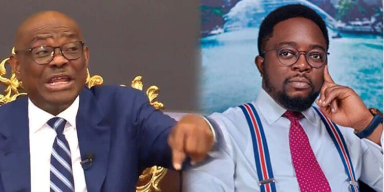
The Independent Broadcast Association of Nigeria (IBAN) has asked the Minister of the Federal Capital Territory, Nyesom Wike, to retract a controversial remark he made about a journalist with Channels Television, Seun Okinbaloye.
IBAN, the umbrella body for independent broadcast stations in Nigeria, also warned that it may boycott all media engagements organized by the minister if he fails to issue a public apology.
In a statement signed by Ahmed Ramalan, IBAN Chairman, and Fidelis Duker, Acting General Secretary, the association expressed concern about the implications of the comment aired during a live television interview.
The controversy stemmed from a remark made by Wike during a routine media chat on Friday, when he reacted to Okinbaloye’s commentary on the trajectory of Nigeria’s democracy while watching the program Politics Today.
“If there was any way to break the screen, I would have shot him,” Wike had said.
The minister later clarified to journalists present that the statement was not a literal threat.
On Saturday, Lere Olayinka, Senior Special Assistant on Public Communications to the minister, described the comment as “hyperbolic”, arguing that it had been taken out of context by critics.
However, IBAN maintained that the remark was inappropriate for a public official, even if it was not intended as a literal threat.
The association said statements suggesting violence could easily be interpreted as intimidation of journalists.
IBAN warned that comments implying violence could contribute to a hostile environment for media practitioners.
The group noted that Nigeria currently ranks 122 out of 180 countries on the global press freedom index, adding that journalists already face numerous challenges.
According to the association, these include surveillance, attacks, and arbitrary arrests.
The association called on the minister to withdraw the remark and apologise publicly to the journalist and the wider media community.
IBAN also urged Wike to reaffirm his commitment to press freedom in accordance with Sections 22 and 39 of the 1999 Constitution.
“Should the minister fail to meet these requests within a reasonable period, IBAN will have no choice but to advise all independent broadcast stations to suspend coverage of all press briefings, media chats, and official news conferences hosted by the FCT minister,” the statement read.
Despite its warning, the association said it remains open to constructive engagement with public officials.
“We hope the minister will take the necessary corrective action so that normal coverage can continue without interruption,” IBAN added.
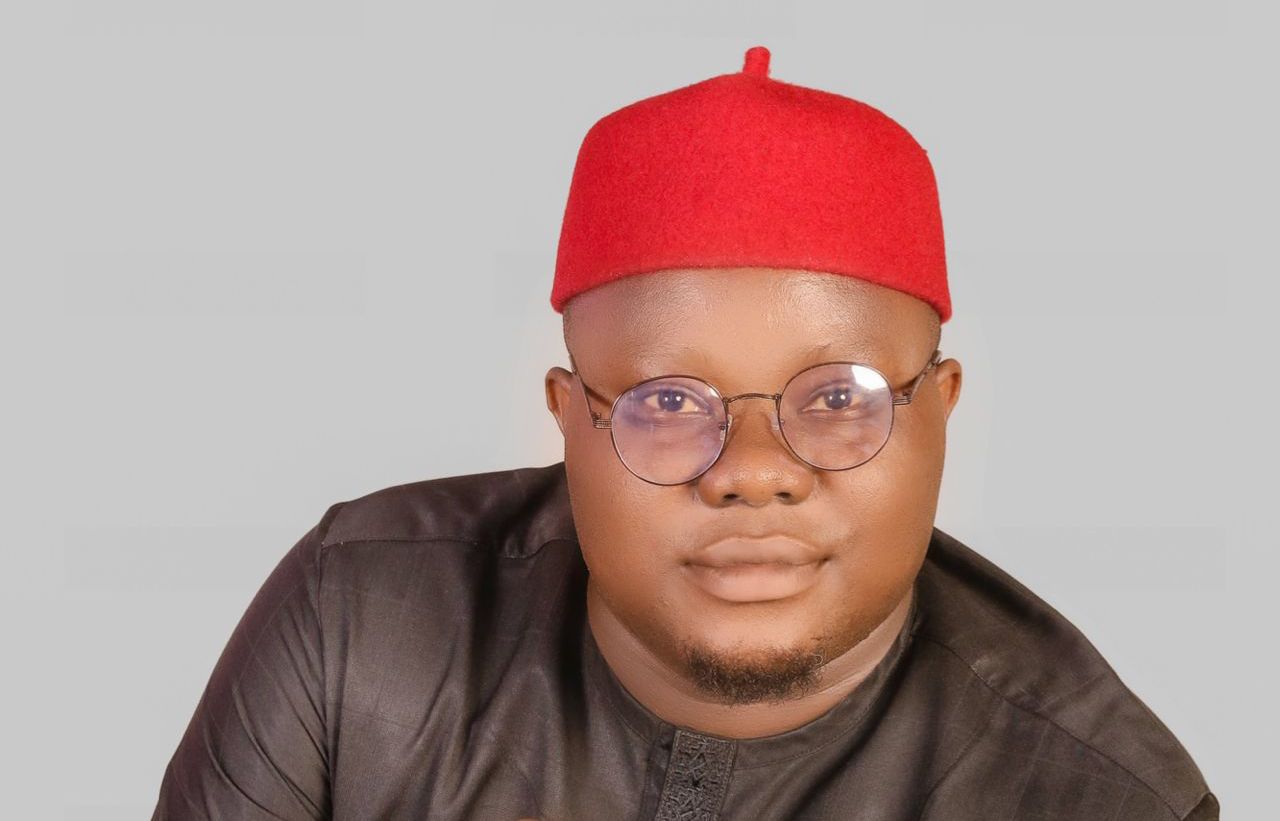
In a heartfelt message, Hon Success Opara has extended warm Easter greetings to Nigerians, celebrating the resurrection of Jesus Christ. Speaking at St. Peter Anglican Church Ikengbu, Opara emphasized the significance of Easter, saying, “He is risen! May the miracle of Easter bring you renewed hope, faith, and joy. Rejoice in the promise of new life and the joy that conquered everything.”
The lawmaker prayed for Nigerians to experience the transformative power of the resurrection, urging them to find solace in the promise of eternal life. “As we commemorate this sacred occasion, let us reflect on the values of love, compassion, and forgiveness that Jesus Christ embodied,” he said.
Hon Opara’s message was filled with Easter cheer, as he wished Nigerians a joyous celebration with family and loved ones. “May the spirit of Easter fill your heart with peace, hope, and renewed faith. Happy Easter!”
The Easter celebration at St. Peter Anglican Church Ikengbu was marked with prayers, hymns, and reflections on the significance of Christ’s resurrection.

Fuel may hit N2000/litre. Subsidize crude feedstock now – TUC tells FG

ADC Owerri Municipal Gets New Chairman: Hon. Success Opara Emerges Amidst State Leadership Tussle

Abuja hotel collapse: Wike orders arrest of owner, to convert land to public use

-
Business1 year ago
US court acquits Air Peace boss, slams Mayfield $4000 fine
-

 Trending1 year ago
NYA demands release of ‘abducted’ Imo chairman, preaches good governance
-

 Politics1 year ago
Mexico’s new president causes concern just weeks before the US elections
-

 Politics1 year ago
Putin invites 20 world leaders
-

 Politics1 year ago
Russia bans imports of agro-products from Kazakhstan after refusal to join BRICS
-
Entertainment1 year ago
Bobrisky falls ill in police custody, rushed to hospital
-
Entertainment1 year ago
Bobrisky transferred from Immigration to FCID, spends night behind bars
-
Education2 years ago
GOVERNOR FUBARA APPOINTS COUNCIL MEMBERS FOR KEN SARO-WIWA POLYTECHNIC BORI