Columns
General Theophilus Yakubu Danjuma: Soldier, Statesman, and Philanthropist

From Nigeria’s battlefields to boardrooms and philanthropy, the enduring influence of T.Y. Danjuma.
General Theophilus Yakubu Danjuma (born 1938) is a retired Nigerian Army officer, former Chief of Army Staff, businessman, and philanthropist known for his role in Nigeria’s military history and national development.
Theophilus Yakubu Danjuma, popularly known as T.Y. Danjuma, is one of Nigeria’s most prominent military leaders and elder statesmen. Born on 9 December 1938, he built a distinguished career that spans military service, government leadership, business success, and philanthropy.
Early Life and Military Career
Danjuma joined the Nigerian Army in the early 1960s and quickly gained recognition for his leadership abilities. Over the years, he rose steadily through the ranks, eventually becoming one of the most influential officers in Nigeria’s military establishment.
Role in the 1966 Counter-Coup
In July 1966, Danjuma, then a Captain, played a significant role in the counter-coup that overthrew the government of Johnson Aguiyi-Ironsi.
The counter-coup marked a turning point in Nigeria’s political history, contributing to a series of events that eventually led to the Nigerian Civil War.
Nigerian Civil War (1967–1970)
During the Nigerian Civil War, Danjuma rose rapidly within the military hierarchy.
He served as Commander of the 1st Infantry Brigade and led troops in several important military operations. One notable event associated with his service was the liberation of Nigerian politician Jaja Wachuku, who had been detained during the conflict.
His leadership during the war further solidified his reputation as a capable and disciplined officer.
Chief of Army Staff (1975–1979)
Danjuma reached the peak of his military career when he was appointed Chief of Army Staff under the military government of Olusegun Obasanjo.
During his tenure, he worked on:
Strengthening the professionalism of the Nigerian Army
Reorganising military structures
Supporting the transition from military rule to civilian governance
The military government successfully handed power to a civilian administration in 1979, marking an important moment in Nigeria’s political development.
International Assignment
In 1970, Danjuma also represented Nigeria at an International Court Martial in Trinidad and Tobago, reflecting the level of trust placed in him by the Nigerian government in matters involving military justice and international cooperation.
Post-Military Career
Minister of Defence (1999–2003)
After retiring from the army, Danjuma returned to public service when President Olusegun Obasanjo appointed him Minister of Defence in 1999 during Nigeria’s return to democratic rule.
As minister, he helped oversee the restructuring of Nigeria’s defence institutions in the early years of the Fourth Republic.
Business Achievements
Outside government, Danjuma became one of Nigeria’s most successful businessmen.
He founded:
NAL-Comet Group, a major Nigerian shipping and maritime company
South Atlantic Petroleum Limited (SAPETRO), an oil exploration and production company
Through these ventures, he built a significant presence in Nigeria’s maritime and energy industries.
Philanthropy
In 2009, Danjuma established the TY Danjuma Foundation, a charity dedicated to improving lives across Nigeria.
The foundation focuses on:
Healthcare access
Education initiatives
Community development projects
Support for vulnerable populations
Since its creation, the foundation has funded numerous programmes across several Nigerian states.
Legacy
General T.Y. Danjuma remains one of Nigeria’s most respected elder statesmen.
His legacy rests on several pillars:
Military Leadership – A key figure during Nigeria’s formative military era.
Public Service – Served as Chief of Army Staff and Minister of Defence.
Business Leadership – Built successful companies in shipping and energy.
Philanthropy – Invested heavily in humanitarian development through his foundation.
His life story reflects the evolution of Nigeria itself—from the turbulent years of military rule to the era of democratic governance and economic development.
Sources
Encyclopaedia Britannica – Biography of Theophilus Yakubu Danjuma.
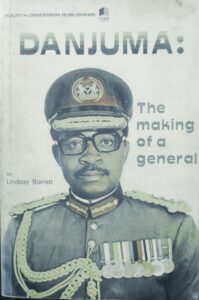

TY Danjuma Foundation – Official records of Danjuma’s philanthropic activities.
Nigerian Army – Historical records on Nigeria’s military leadership.