
Politics
INEC to phase out PVCs, plans Diaspora voting INEC Chairman, Mahmood Yakubu

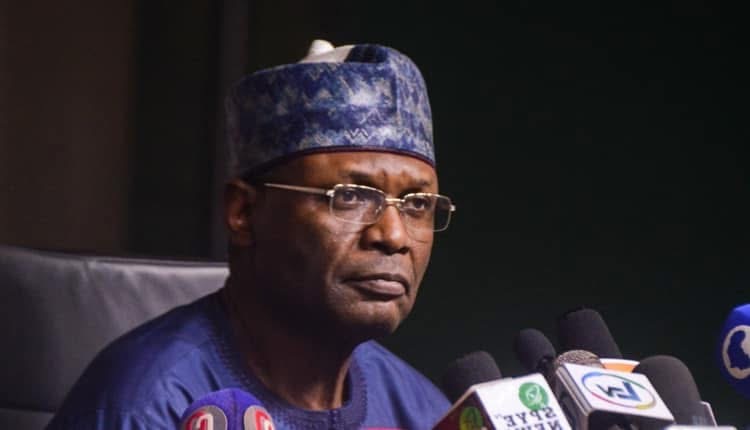
The Independent National Electoral Commission has proposed sweeping reforms to improve the country’s electoral system, following lessons learnt from the 2023 general elections and subsequent off-cycle polls.
Among the reforms being proposed are diaspora voting and phasing out of the use of Permanent Voter Card during elections.
The INEC Chairman, Prof, Mahmood Yakubu, disclosed these on Thursday in Abuja during a meeting with Resident Electoral Commissioners.
He stated that INEC would soon present these proposals and more to the relevant committees in the Senate and House of Representatives.
He said, “Among the major highlights of the commission’s recommendations is the imperative of legal clarity in result management, with regard to manual transfer versus the electronic transmission of results.
“The commission also believes that with the introduction of the Bimodal Voter Accreditation System, the use of the Permanent Voters’ Cards as the sole means of identification for voter accreditation on election day should be reviewed. Those who already have the PVCs can still use them to vote, but going forward, computer-generated slips issued to the voter or even downloaded from the commission’s website will suffice for voter accreditation.
“This will not only save cost, it will also eliminate the issues around the collection of PVCs and the diabolical practice of buying up the cards from voters in order to disenfranchise them.
There are also recommendations in support of diaspora voting, the unbundling of the commission with the establishment of electoral offences tribunal and a separate agency to handle the registration and regulation of political parties.
“Similarly, the commission will step up action on voter access and distribution to polling units.”
INEC Chairman explained that these recommendations were captured in a 524-page review report on the 2023 general elections
He said, “With the conclusion of five major off-cycle governorship elections and nine out of 21 bye-elections since the 2023 general elections, this is the most appropriate time for us to commence the implementation of the recommendations arising from our review of the general elections.
“From the internal and external engagements, the commission has identified 142 recommendations dealing with the general state of preparedness, voter management, voter education and public communication, political parties and candidate management, electoral operations and logistics management, election officials and personnel, partnership and collaboration, monitoring and supervision, election technology, voting and result management, election security, electoral offences and the electoral legal framework,” the chairman said.
Of these, 86 require administrative action by the commission, 48 depend on collaboration with stakeholders such as security agencies and civil society organizations, and eight involve legislative amendments by the National Assembly.
Yakubu noted, “Out of the 142 recommendations, 86 require administrative action by the commission. It is therefore pertinent that we engage first with our Resident Electoral Commissioners because of your frontline role in the implementation of the recommendations.
This is followed by 48 recommendations that require action by a variety of stakeholders, including security agencies, mobile network operators, statutory bodies, political parties, transport unions, civil society organisations and the media.
“On the legal review, there are eight recommendations that require legislative action by the National Assembly. Very soon, the commission will make a presentation to the Joint Committee of the Senate and House of Representatives on Electoral Matters as they continue to deliberate on electoral reform.”
Central to the proposed reforms is a push for legal clarity on result transmission, specifically the roles of manual and electronic methods.
Yakubu noted that the introduction of the Bimodal Voter Accreditation System has highlighted the need for a more streamlined process.
He suggested the possibility of replacing Permanent Voter Cards with computer-generated slips or downloadable credentials for voter accreditation, a move aimed at reducing costs and eliminating voter card-buying schemes.
Yakubu also revealed plans to introduce early and diaspora voting to accommodate citizens unable to vote at their registered polling units, including INEC staff, security personnel, and Nigerians living abroad.
Additionally, INEC is advocating the unbundling of its responsibilities, with proposals for the establishment of an electoral offences tribunal and a separate agency to oversee political party registration and regulation.
Other key areas of reform include cleaning the voters’ register in collaboration with the National Identity Management Commission and enhancing partnerships with transport unions to ensure the timely deployment of election materials.
The commission also plans to intensify voter education campaigns to combat misinformation and promote greater participation by marginalised groups.
“As a matter of urgency, the commission also intends to develop protocols for the cleaning up of the voters’ register in collaboration with other agencies such as the National Identity Management Commission and the National Population Commission. Other areas of reform include advocacy for affirmative action for greater participation of under-represented groups, a more robust voter education and public communication to combat fake news and misinformation,” Yakubu stated.
The recommendations, documented in a comprehensive report, will soon be made available to the public in hard and soft copies.
Yakubu urged the RECs to engage deeply with the report and contribute to the development of a more efficient and inclusive electoral system.






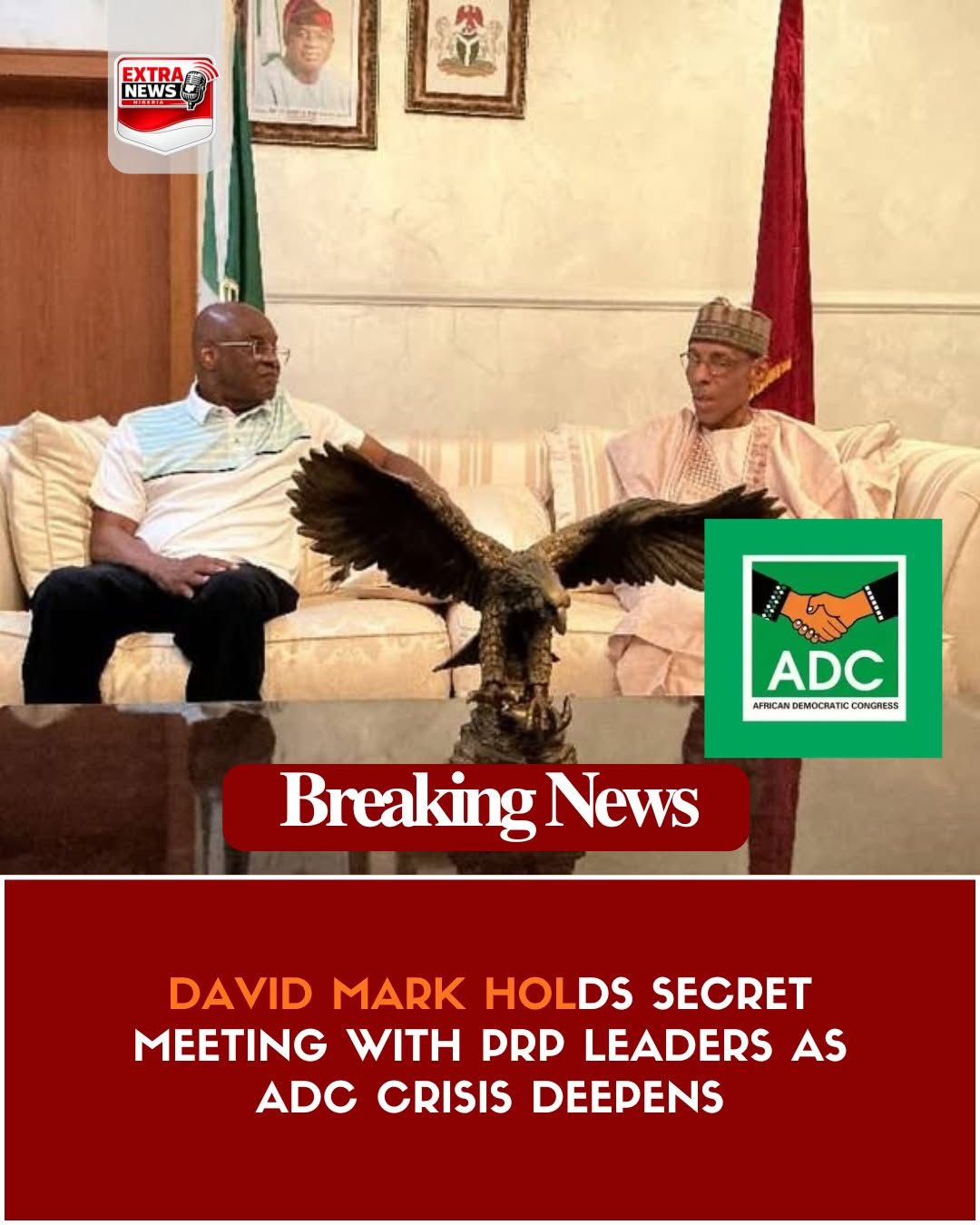
The embattled National Chairman of the African Democratic Congress, David Mark, on Friday held a closed-door meeting with leaders of the Peoples Redemption Party in Abuja. The private consultation is seen as a fresh round of political moves as the ADC continues to battle a lingering leadership crisis and growing internal divisions.
Top figures from both parties were said to be present at the meeting, including PRP National Chairman Hakeem Baba-Ahmed and senior ADC officials. The development is already drawing attention as opposition parties continue realignments ahead of the 2027 political season, with many watching closely for possible alliances and next steps in the party crisis.
Politics
“ADC is a Holy Party, Cannot be used to Scam Nigerians Again” – Hon Success Opara tells David Mark
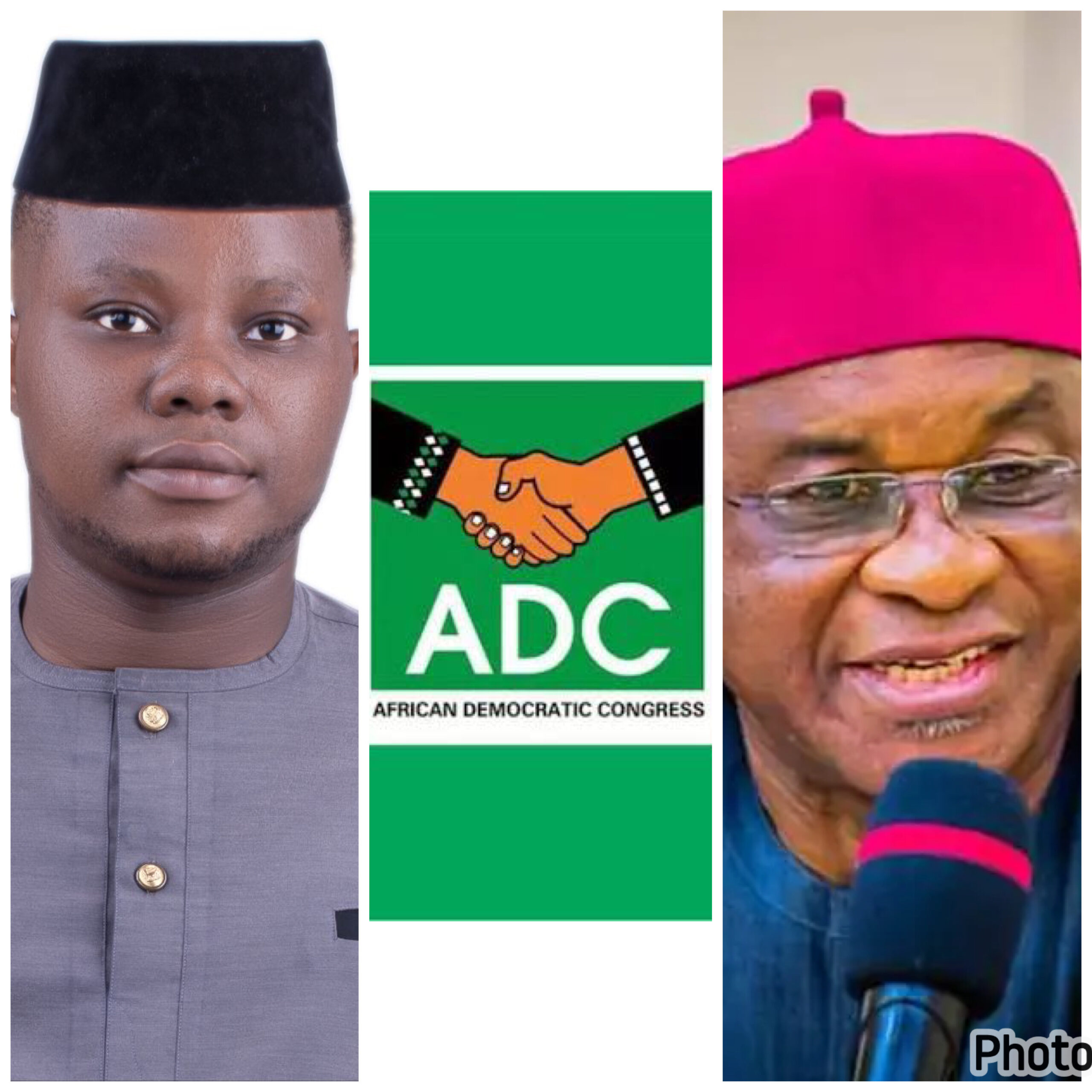
ADC Party in Turmoil: Hon Success Opara Slams Leadership, Warns Against Scamming Nigerians
Abuja, Nigeria – The African Democratic Congress (ADC) is facing internal strife as Hon Success Opara, a prominent party official, has warned against attempts to use the party to deceive Nigerians. Opara specifically criticized the leadership of David Mark, stating that the party cannot be used to scam citizens again.
“ADC holy Party cannot be used to scam Nigerians again,” Opara said, emphasizing that those forming coalitions are hindering the party’s growth and denying youths opportunities to thrive.
“Those who are forming coalition don’t want to give the youths the chance to strive in the party,” she added.
Opara’s statement highlights the deepening divisions within the ADC, with concerns over leadership and the party’s direction.
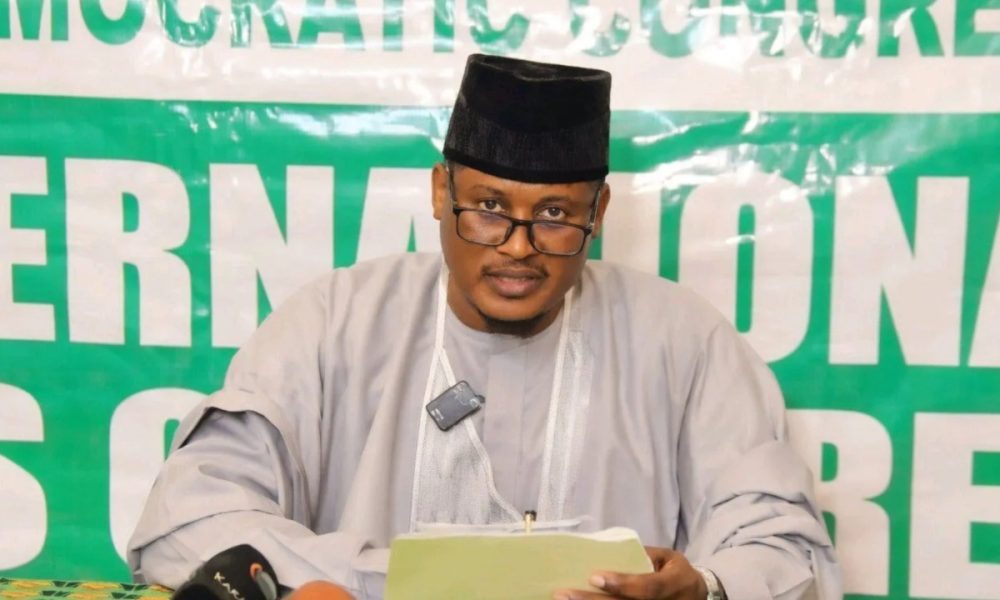
The factional National Chairman of the African Democratic Congress (ADC), Nafiu Bala Gombe, has announced that the party under his leadership will bar individuals above the age of 55 from contesting for political positions.
Gombe made the disclosure during an interview with BBC Hausa, where he outlined a vision centred on generational change and greater youth participation in politics.
“The African Democratic Congress (ADC) is a party that belongs to all Nigerians. What we are doing now is to ensure the party moves forward properly.
“We have decided that we will give the youths a real chance. The time has come for young people to take the lead in politics.
“If you are over 55 years old, you are not going to contest for positions in the ADC under our leadership.
“We want to bring in fresh blood, new ideas, and energy from the youth. Nigeria’s future depends on the young generation.
“The old ways have not worked well for the country. We need to open the door wide for youths to participate fully as candidates, leaders, and decision-makers,” he said.

David Mark Holds Secret Meeting With PRP Leaders as ADC Crisis Deepens

Chaos As Military Officers Exchange Blows During Tinubu’s Visit To Bayelsa (Videos)

HRH Ekwueme of Ochia Kingdom Iynched & kiIIed in Imo.

-
Business1 year ago
US court acquits Air Peace boss, slams Mayfield $4000 fine
-

 Trending1 year ago
NYA demands release of ‘abducted’ Imo chairman, preaches good governance
-

 Politics1 year ago
Mexico’s new president causes concern just weeks before the US elections
-

 Politics1 year ago
Putin invites 20 world leaders
-

 Politics1 year ago
Russia bans imports of agro-products from Kazakhstan after refusal to join BRICS
-
Entertainment1 year ago
Bobrisky falls ill in police custody, rushed to hospital
-
Entertainment1 year ago
Bobrisky transferred from Immigration to FCID, spends night behind bars
-
Education2 years ago
GOVERNOR FUBARA APPOINTS COUNCIL MEMBERS FOR KEN SARO-WIWA POLYTECHNIC BORI