
Politics
Local Government Autonomy: Will Imposition of Candidates on Political Parties by State Governors and Party Leaders Promote Transparency and Good Governance?


Local Government Autonomy: Will Imposition of Candidates on Political Parties by State Governors and Party Leaders Promote Transparency and Good Governance?
By Jimoh Ahmed
Local government autonomy has been a perennial subject of debate in Nigeria’s democratic development. It touches on the very foundation of federalism, decentralization, and grassroots governance. The local government system, as the closest tier of government to the people, plays a vital role in delivering essential services, fostering community development, and ensuring citizen participation in governance. However, its effectiveness has been undermined by state-level interference, most notably through the imposition of candidates by state governors and party leaders.
This practice raises questions about the viability of local government autonomy and its ability to promote transparency and good governance. This essay explores the implications of candidate imposition, the challenges it poses to transparency, and its impact on governance at the grassroots level. It argues that true local government autonomy is crucial for achieving sustainable development and strengthening Nigeria’s democracy.
Understanding Local Government Autonomy
Local government autonomy refers to the degree of independence enjoyed by local councils in managing their affairs, including administrative, financial, and political matters. Autonomy enables local governments to:
1. Decide on policies that reflect the unique needs of their communities.
2. Generate and manage revenue without undue interference from higher tiers of government.
3. Elect their leaders freely through democratic processes, ensuring accountability to the people rather than to external authorities.
However, the reality in Nigeria is starkly different. Local governments are often treated as appendages of state governments. Despite constitutional provisions for their autonomy, state governments control local councils through joint accounts, legislative overreach, and the imposition of candidates.
The Culture of Candidate Imposition
Imposing candidates for local government elections is a widespread practice in Nigeria. This phenomenon occurs when state governors and party leaders unilaterally decide who should contest for local government positions, sidelining party primaries and the preferences of the electorate. This practice undermines democracy and raises critical concerns about governance at the grassroots level.
1. Erosion of Democratic Processes
Candidate imposition violates the principles of democracy. Local government elections, meant to reflect the will of the people, become a mere formality when candidates are handpicked by political elites. Party members and voters are left disenfranchised, fostering apathy and mistrust in the system.
2. Promotion of Cronyism
Imposed candidates are often selected not for their competence or vision but for their loyalty to the political elite. This practice entrenches a culture of cronyism, where public offices are used to reward loyalists and consolidate power rather than serve the people.
3. Lack of Accountability
Imposed candidates are more likely to be accountable to those who installed them than to the citizens they are meant to serve. This undermines the principle of representation, as decisions at the local level are driven by the interests of a few rather than the needs of the many.
Implications for Transparency
Transparency is a cornerstone of good governance, involving openness in decision-making, accountability, and the prevention of corruption. The imposition of candidates has several negative implications for transparency:
1. Weakening Institutional Checks
Imposed candidates are less likely to challenge the status quo or demand accountability from higher authorities. This weakens institutional checks and balances, allowing corruption and mismanagement to thrive.
2. Manipulation of Financial Resources
State governments often exploit their control over local government finances through the joint account system. Imposed local government chairpersons may collude with state authorities to divert funds meant for community development, leading to poor service delivery and infrastructure decay.
3. Reduced Citizen Participation
When citizens perceive that elections are rigged or predetermined, they are less likely to participate in governance processes. This lack of engagement creates an environment where decisions are made without public scrutiny, reducing transparency.
The Impact on Good Governance
Good governance encompasses effective service delivery, equitable resource allocation, respect for the rule of law, and the promotion of human rights. Candidate imposition undermines these principles, as highlighted below:
1. Poor Service Delivery
Local governments are tasked with providing basic amenities, including water, roads, healthcare, and education. Imposed leaders, often lacking competence or commitment, struggle to address these needs effectively, resulting in widespread dissatisfaction.
2. Marginalization of Communities
Candidate imposition can alienate communities, particularly when imposed leaders do not reflect their aspirations. This marginalization breeds discontent and undermines social cohesion, making development efforts more challenging.
3. Stagnation of Grassroots Development
Effective local governance requires visionary leadership and a deep understanding of community needs. Imposed candidates, chosen for political expediency rather than merit, are ill-equipped to drive sustainable development.
4. Erosion of Trust in Government
Transparency and good governance rely on public trust. When citizens perceive that local government leaders are imposed rather than elected, trust in the democratic process diminishes. This erosion of trust hinders cooperation between citizens and government, further hampering development.
The Way Forward
Addressing the challenges posed by candidate imposition and promoting local government autonomy requires a multifaceted approach:
1. Constitutional Reforms
The 1999 Constitution should be amended to strengthen the independence of local governments. This includes abolishing the joint account system and ensuring that local councils receive their funds directly from the federal government.
Although, the council areas now receive their allocations directly from the federation account, at least we were made to believe for now, it must be emphasised here that this should not be ordinary cosmetic surgery but it must be ensured that it works.
2. Internal Party Democracy
Political parties must prioritize internal democracy, conducting free and fair primaries to select candidates. This will ensure that party members and the electorate have a say in choosing their leaders.
3. Strengthening Electoral Institutions
The State Independent Electoral Commissions (SIECs), responsible for conducting local government elections, should be restructured to ensure impartiality and credibility. Alternatively, the Independent National Electoral Commission (INEC) could take over this responsibility.
4. Civil Society Advocacy
Civil society organizations have a critical role in advocating for local government autonomy and monitoring the conduct of elections. They can also educate citizens about their rights and the importance of participating in governance processes.
5. Citizen Engagement
Encouraging citizen participation in local government affairs is crucial. Community forums, town hall meetings, and social media platforms can be used to foster dialogue between local leaders and the people they serve.
6. Promoting Merit-Based Leadership
Political parties should prioritize merit and competence when selecting candidates. This will help ensure that leaders are chosen based on their ability to deliver results rather than their loyalty to political godfathers.
Case Studies: Success Stories and Lessons Learned
To illustrate the benefits of local government autonomy and the dangers of candidate imposition, we can draw lessons from various examples:
1. Lagos State’s Local Governments
While not entirely free from state interference, Lagos State has demonstrated the potential of empowered local councils to drive development. Local governments in Lagos have successfully implemented projects in waste management, healthcare, and infrastructure, showcasing the benefits of effective leadership.
2. Ekiti State’s Grassroots Engagement
In Ekiti State, efforts to involve communities in budgeting and project implementation have improved transparency and service delivery. This approach highlights the importance of citizen engagement in fostering good governance.
3. Failures of Imposition in Abia State
Conversely, in states like Abia, where local government leadership has been plagued by imposition and corruption, the consequences are evident in poor service delivery and widespread discontent. This serves as a cautionary tale for the dangers of undermining local government autonomy.
In conclusion therefore, local government autonomy is a vital component of Nigeria’s democratic development and a prerequisite for transparency and good governance. However, the imposition of candidates by state governors and party leaders undermines these objectives, leading to poor leadership, lack of accountability, and stunted development at the grassroots level.
For Nigeria to realize the full potential of its local government system, there must be a concerted effort to address these challenges. This requires constitutional reforms, a commitment to internal party democracy, stronger electoral institutions, and active citizen participation. By empowering local governments to operate independently and ensuring that leaders are chosen through transparent and democratic processes, Nigeria can lay the foundation for a more inclusive and prosperous future.



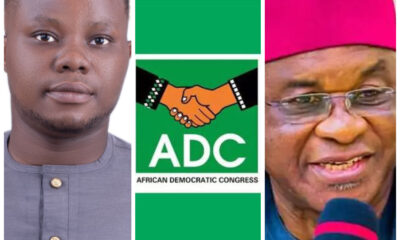




The embattled National Chairman of the African Democratic Congress, David Mark, on Friday held a closed-door meeting with leaders of the Peoples Redemption Party in Abuja. The private consultation is seen as a fresh round of political moves as the ADC continues to battle a lingering leadership crisis and growing internal divisions.
Top figures from both parties were said to be present at the meeting, including PRP National Chairman Hakeem Baba-Ahmed and senior ADC officials. The development is already drawing attention as opposition parties continue realignments ahead of the 2027 political season, with many watching closely for possible alliances and next steps in the party crisis.
Politics
“ADC is a Holy Party, Cannot be used to Scam Nigerians Again” – Hon Success Opara tells David Mark
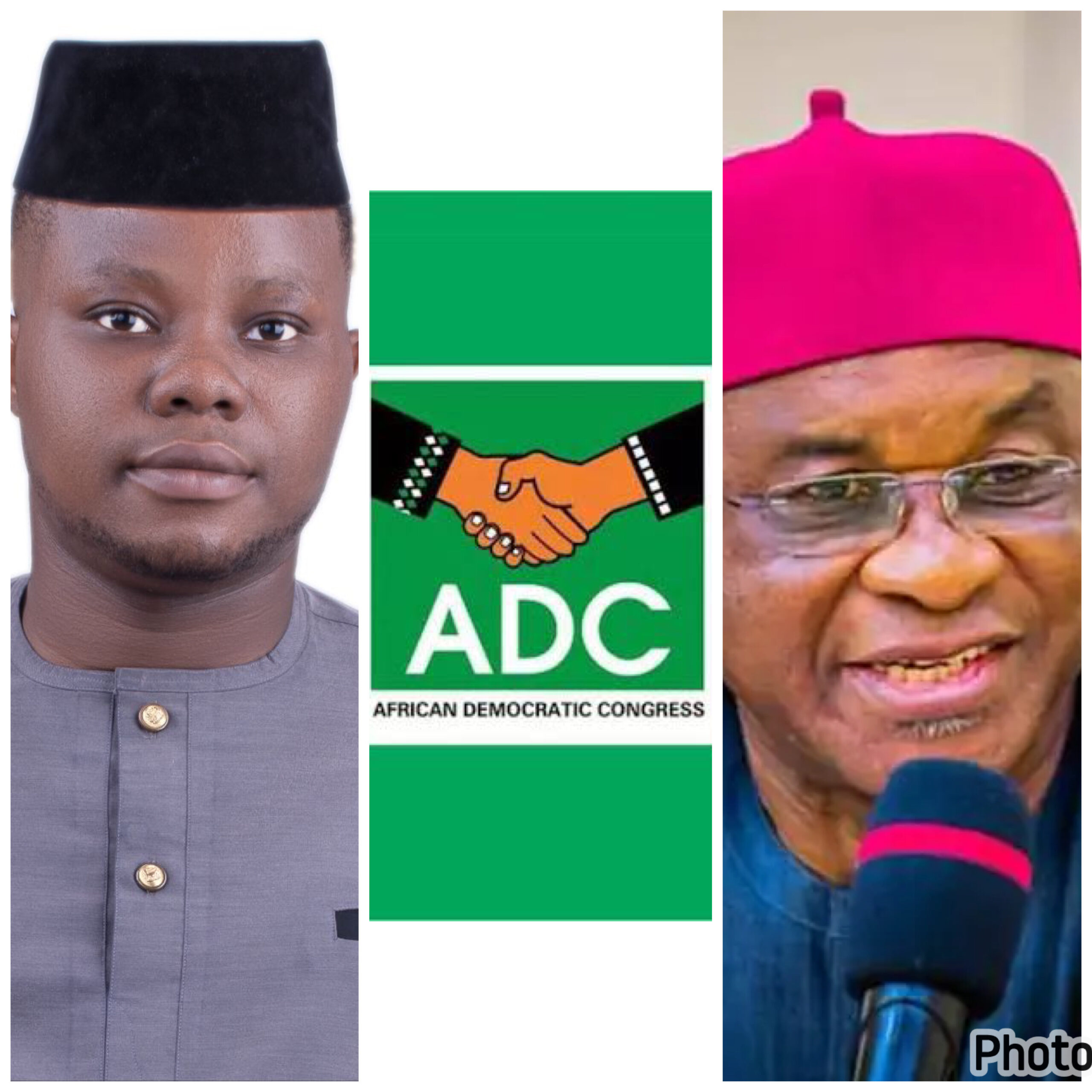
ADC Party in Turmoil: Hon Success Opara Slams Leadership, Warns Against Scamming Nigerians
Abuja, Nigeria – The African Democratic Congress (ADC) is facing internal strife as Hon Success Opara, a prominent party official, has warned against attempts to use the party to deceive Nigerians. Opara specifically criticized the leadership of David Mark, stating that the party cannot be used to scam citizens again.
“ADC holy Party cannot be used to scam Nigerians again,” Opara said, emphasizing that those forming coalitions are hindering the party’s growth and denying youths opportunities to thrive.
“Those who are forming coalition don’t want to give the youths the chance to strive in the party,” she added.
Opara’s statement highlights the deepening divisions within the ADC, with concerns over leadership and the party’s direction.

The factional National Chairman of the African Democratic Congress (ADC), Nafiu Bala Gombe, has announced that the party under his leadership will bar individuals above the age of 55 from contesting for political positions.
Gombe made the disclosure during an interview with BBC Hausa, where he outlined a vision centred on generational change and greater youth participation in politics.
“The African Democratic Congress (ADC) is a party that belongs to all Nigerians. What we are doing now is to ensure the party moves forward properly.
“We have decided that we will give the youths a real chance. The time has come for young people to take the lead in politics.
“If you are over 55 years old, you are not going to contest for positions in the ADC under our leadership.
“We want to bring in fresh blood, new ideas, and energy from the youth. Nigeria’s future depends on the young generation.
“The old ways have not worked well for the country. We need to open the door wide for youths to participate fully as candidates, leaders, and decision-makers,” he said.

David Mark Holds Secret Meeting With PRP Leaders as ADC Crisis Deepens

Chaos As Military Officers Exchange Blows During Tinubu’s Visit To Bayelsa (Videos)

HRH Ekwueme of Ochia Kingdom Iynched & kiIIed in Imo.

-
Business1 year ago
US court acquits Air Peace boss, slams Mayfield $4000 fine
-

 Trending1 year ago
NYA demands release of ‘abducted’ Imo chairman, preaches good governance
-

 Politics1 year ago
Mexico’s new president causes concern just weeks before the US elections
-

 Politics1 year ago
Putin invites 20 world leaders
-

 Politics1 year ago
Russia bans imports of agro-products from Kazakhstan after refusal to join BRICS
-
Entertainment1 year ago
Bobrisky falls ill in police custody, rushed to hospital
-
Entertainment1 year ago
Bobrisky transferred from Immigration to FCID, spends night behind bars
-
Education2 years ago
GOVERNOR FUBARA APPOINTS COUNCIL MEMBERS FOR KEN SARO-WIWA POLYTECHNIC BORI