
Politics
My One-Term, Four-Year Vow Is Sacrosanct Peter Obi replies Soludo

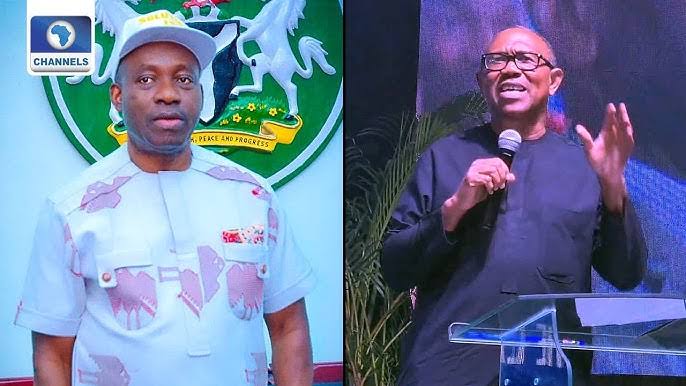
One of the greatest American Presidents, Abraham Lincoln, served only four years, yet his legacy endures as a model of principled leadership. Another iconic figure, John F. Kennedy, did not even complete a full term, yet his vision and ideals continue to inspire generations. In Africa, Nelson Mandela, revered globally as a symbol of justice and reconciliation, chose to serve only one term as President of South Africa, despite immense public pressure to stay longer. His decision was a deliberate act of leadership, a statement that power must serve the people, not the self. Indeed, history shows that the longer many African leaders remain in power, the more likely they are to be corrupted by it. Longevity in office is not a mark of success; rather, it is purposeful, accountable service – however brief – that defines true statesmanship.
It is within this context that I reiterate my vow: I will serve only one term of four years if elected President. And that vow is sacrosanct.
I am fully aware that the decay in our society has made trust one of the scarcest and most sceptically viewed commodities. Many Nigerians, understandably, no longer take politicians at their word. But even in this climate of cynicism, there are still a few whose actions have matched their words – whose integrity is built on verifiable precedent.
Recently, I became aware of two statements aimed, albeit indirectly, at my vow to serve only a single four-year term. One person remarked that even if I swore by a shrine, I still wouldn’t be believed. Another suggested that anyone talking about doing only one term should undergo psychiatric evaluation.
I understand the basis of their scepticism. They are judging me by their own standards – where political promises are made to be broken. But they forget, or perhaps choose to ignore, that Peter Obi is not cut from that cloth. I have a verifiable track record that speaks louder than speculation.
In my political life, my word is my bond. When I entered politics in Anambra State, I made clear and measurable promises to the people: to improve education and healthcare, to open up rural areas through road construction, and to manage public funds with prudence. I fulfilled each of those promises without deviation. I did not swear by a shrine, nor have I been certified mentally unstable as a result of honouring my word.
My vow to serve only one term of four years is a solemn commitment, rooted in my conviction that purposeful, transparent leadership does not require an eternity.
If making such a promise qualifies me for psychiatric evaluation, then we may as well question the mental fitness of those who framed our Constitution, which clearly stipulates a four-year renewable tenure.
I maintain without equivocation: if elected, I will not spend a day longer than four years in office. In fact, I believe that service should be impactful, not eternal.
We must rebuild trust in our country. I have dedicated my public life to demonstrating that leadership with integrity is not a myth. I have done it before, and I do not intend to betray that trust under any circumstances.
Forty-eight months is enough for any leader who is focused and prepared to make a meaningful difference. In that time, I intend not merely to make an impression, but to deliver on concrete promises to:
sanitise our governance system;
tackle insecurity through effective and accountable use of national resources; prioritise education, healthcare, and poverty alleviation;
catalyse small businesses as engines of growth ; and combat corruption with unflinching resolve.
Above all, I will dedicate myself to transforming Nigeria from a consuming nation into a productive one, where agriculture, technology, and manufacturing replace rent-seeking and waste as our national anchors.
These are not utopian dreams. They are realistic, actionable goals that are achievable within four years.
A new Nigeria is POssible.
– PO
The Independent National Electoral Commission, INEC, has announced the postponement of the proposed nationwide voter revalidation exercise until after the 2027 General Election.
This follows a meeting with the Resident Electoral Commissioners, RECs, on Friday, April 10.
A statement signed by INEC’s National Commissioner, Chairman, Informationa and Voter Education Committee, Mohammed Kudu Haruna, said
“the voter revalidation exercise is a critical component of the Commission’s mandate to maintain a credible and up-to-date National Register of Voters.
It is designed to verify and review existing voter records, ensure the accuracy of personal data, eliminate duplicate and ineligible entries, and strengthen the overall integrity of the voter register.
The exercise also aims to provide an opportunity for registered voters to confirm their details and make necessary corrections where required.
INEC remains committed to the conduct of free, fair, credible, and inclusive elections.”
Following the just conducted ADC Congress, the African Democratic Congress (ADC) in Ideato South Local Government Area, Imo State, has announced its new leadership team. The team, led by Chairman Hon. Eze Chijioke, includes:
– Chairman: Hon. Eze Chijioke
– Secretary: Chief Duru Maurice
– Youth Leader: Mr. Obinwanne Okwara
– Woman Leader: Mrs. Anueyiagu Ogechi
– Organizing Secretary: Hon. Godian Egemba
The team is expected to lead the party to victory in future elections.
Politics
ADC Owerri Municipal Gets New Chairman: Hon. Success Opara Emerges Amidst State Leadership Tussle
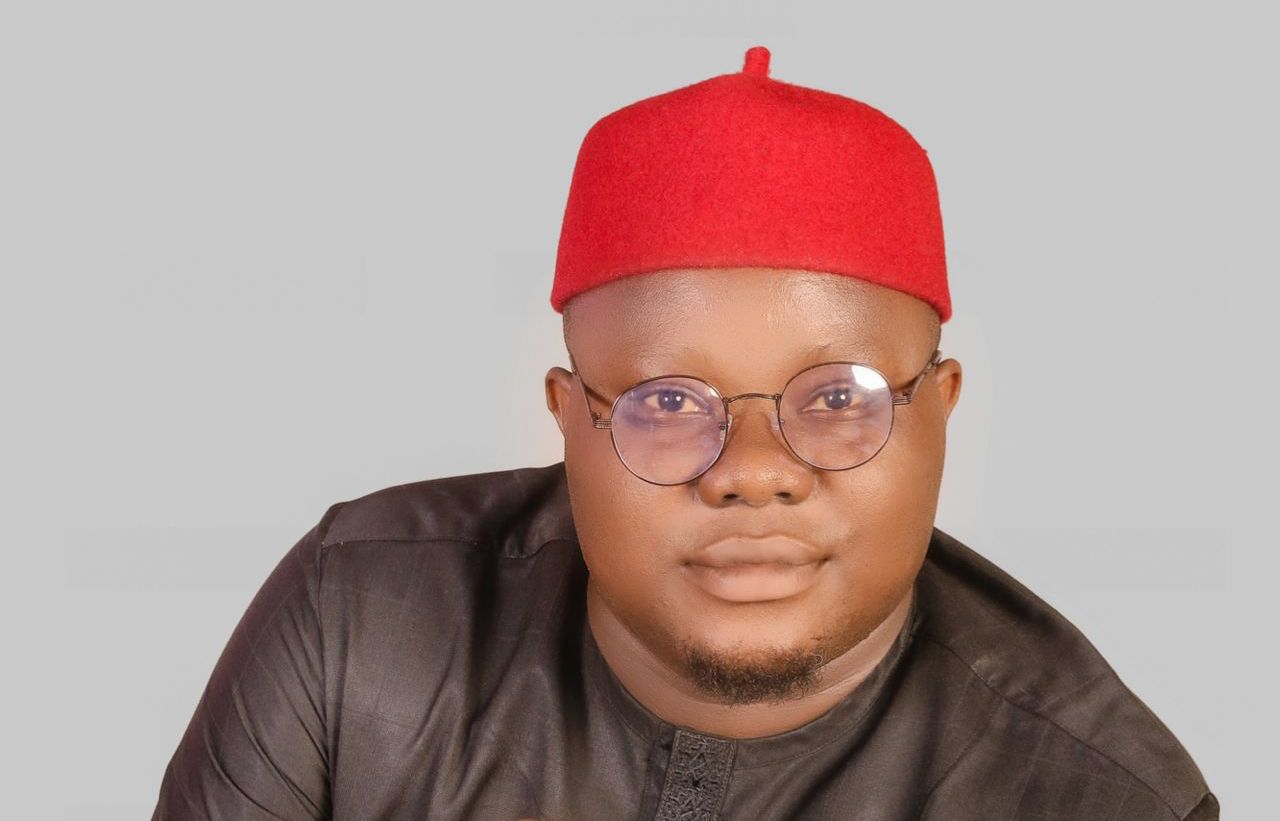
The African Democratic Congress (ADC) in Owerri Municipal, Imo State, has concluded its Local Government Area Congress, with Hon. Success Opara emerging as the new Chairman. The congress, conducted in all wards across Owerri Municipal, saw party faithfuls voting for Opara, who is expected to lead the party to victory in future elections.
However, there’s an ongoing leadership tussle within the Imo State ADC, with Chief Emmanuel Amushie claiming to be the authentic state chairman, recognized by the Independent National Electoral Commission (INEC). On the other hand, Prof. James Okoroma has also been declared the authentic state chairman by the national leadership of the ADC.
Furthermore the Independent National Electoral Commission (INEC) has removed the faction led by Prof. James Okoroma as the recognized leadership of the African Democratic Congress (ADC) in Imo State, as of April 9, 2026. INEC recognizes only the Amuchie-led Executive as the lawful and legitimate leadership of the ADC in Imo State.
The removal follows a Court of Appeal ruling directing parties to maintain the status quo pending the determination of a substantive suit before the Federal High Court. INEC has also suspended recognition of all leadership factions of the ADC until the court reaches a final decision.

INEC postpones nationwide voter revalidation until after 2027 elections

ADC Congress Ideato South: New Leadership Team Emerges

Fuel may hit N2000/litre. Subsidize crude feedstock now – TUC tells FG

-
Business1 year ago
US court acquits Air Peace boss, slams Mayfield $4000 fine
-

 Trending1 year ago
NYA demands release of ‘abducted’ Imo chairman, preaches good governance
-

 Politics1 year ago
Mexico’s new president causes concern just weeks before the US elections
-

 Politics1 year ago
Putin invites 20 world leaders
-

 Politics1 year ago
Russia bans imports of agro-products from Kazakhstan after refusal to join BRICS
-
Entertainment1 year ago
Bobrisky falls ill in police custody, rushed to hospital
-
Entertainment1 year ago
Bobrisky transferred from Immigration to FCID, spends night behind bars
-
Education2 years ago
GOVERNOR FUBARA APPOINTS COUNCIL MEMBERS FOR KEN SARO-WIWA POLYTECHNIC BORI