
Politics
NEGLECTING LIVESTOCK FARMING IN THE PAST WAS A MISTAKE THAT SHOULD NOT BE REPEATED, SAYS PRESIDENT TINUBU

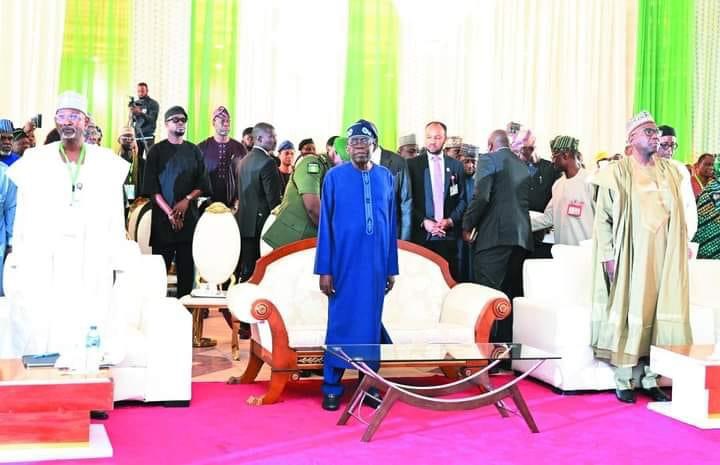
STATE HOUSE PRESS RELEASE
NEGLECTING LIVESTOCK FARMING IN THE PAST WAS A MISTAKE THAT SHOULD NOT BE REPEATED, SAYS PRESIDENT TINUBU
President Bola Tinubu, speaking in Abuja, reassured the public that past mistakes, such as neglecting livestock farming and relying on dairy imports, will be avoided. He pledged a robust framework to stimulate prosperity in the sector, instilling confidence in his commitment.
The President, who opened a two-day Consultative Workshop on Livestock Reforms on Thursday at the State House Conference Centre, pledged government support in revamping and repositioning the sector to create employment and attract foreign Direct Investment (FDI).
“The livestock sector is critical, and we will give all it needs to bring value to our country. Stakeholders, I assure you that you will not regret the collaboration and investment in this sector.
“It is about time that we do it right. A country of over 200 million people and cannot serve our children one pint of milk in a classroom per day? That is not right.
“We didn’t see the investment opportunities. We didn’t see the economy of livestock in the past. Now that we have seen it, we must work together to restart the sector,’’ he said.
President Tinubu commended the Presidential Livestock Reform Implementation Committee, led by the Co-Chairman, Prof. Attahiru Jega, and the Secretary, Prof Muhammed Yahaya Kuta, for their commitment to repositioning the livestock sector.
“Our shared mission is clear: we aim to transform the livestock sector from its current subsistence model into a thriving, commercialised industry, an industry that significantly contributes to Nigeria’s Gross Domestic Product and provides decent jobs and sustainable livelihoods for our growing population.
“The potential is immense: With 563 million chickens, 58 million cattle, 124 million goats, 60 million sheep, and 16 million pigs, Nigeria is the leading livestock producer in West Africa. Yet, despite this vast resource, we face stark realities.
“Our annual production of animal-source foods, like milk at 0.7 billion litres, meat at 1.48 million Tonnes and eggs at 0.69 million metric Tonnes, falls far short of our needs. Our per capita consumption levels—8.7 litres of milk, 9 kg of meat, 3.5kg or 45 eggs per year—are troublingly low compared to global averages. These are 44 litres of milk, 19 kg of meat and between 160 and 180 eggs per year.
“What is more worrisome to me is the average milk yield by cow breeds managed by our pastoralists: it is a mere 0.5 to 1.5 litres per day, compared to a global average of 6.6 litres per day. We can do much better!
“The long-term neglect of the livestock sector has weighed heavily on the country’s import bills, with milk and dairy products accounting for $1.2-1.5 billion.
“Yes, we can do it. We can bring prosperity to our people. We can feed our children. From grass, we can achieve grace. We can contribute so much to the Gross Domestic Product (GDP) and provide decent jobs,’’ the President noted.
President Tinubu also thanked the Nigerian Governors Forum, NGF, chaired by the Governor of Kwara State, Abdurrahman Abdulrazaq, for supporting the reform of animal farming in the country.
“Your Excellency, Chairman of the NGF, Abdulrazaq, thank you for assuring C-of-Os and other instruments from other areas. I also know that the Etsu Nupe, Alhaji Yahaya Abubakar, with the vast land in his domain in Niger State, will accommodate many investors.
“We didn’t see the cold room investment. We didn’t see that opportunity before now. But it is coming. We are going to give it all it takes.
“The opportunity is there; when I inaugurated the Presidential Livestock Reform Committee, I didn’t see the path clearly until they started working. Thank you, Prof Attahiru Jega,’’ the President stated.
President Tinubu also acknowledged Abdullahi Ganduje, Chairman of the All Progressives Congress (APC), for nurturing the idea of reforming the livestock stock, Nuhu Ribadu, national security Adviser, and Nyesom Wike, FCT minister, for their commitment to realising the dream.
“We can create a vivid picture of the future we want to see; it’s the future of our country. The economic opportunities for our children, and with that effort, we can say God bless Nigeria,’’ he stated.
The Chairman of NGF, Abdulrahman Abdulrazak, assured of the “100 per cent buy-in of the subnational to make the reform a success because it is not just food security, but national security.’’
Abdulrazaq thanked President Tinubu for leading the initiative by chairing the implementation committee, regretting that past efforts in the same direction were reduced to files in the Ministries of Agriculture in states and local councils due to lack of political will.
He said each state should create a segment for livestock farming and extend the value chain to meat and dairy production.
The Minister of Agriculture and Food Security, Sen. Abubakar Kyari, thanked the President for his “bold action, exemplary leadership and unparalleled commitment to livestock reform.’’
Kyari assured of working with the Ministry of Livestock Development to realise the president’s vision to diversify the economy and empower more Nigerians.
Bayo Onanuga
Special Adviser to the President
(Information & Strategy)
October 24, 2024
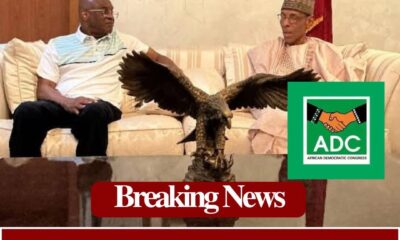
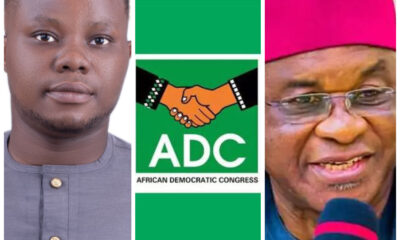

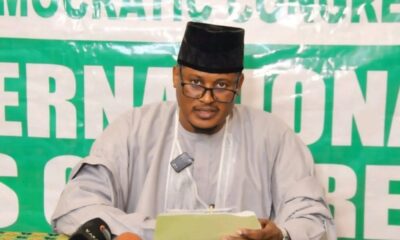

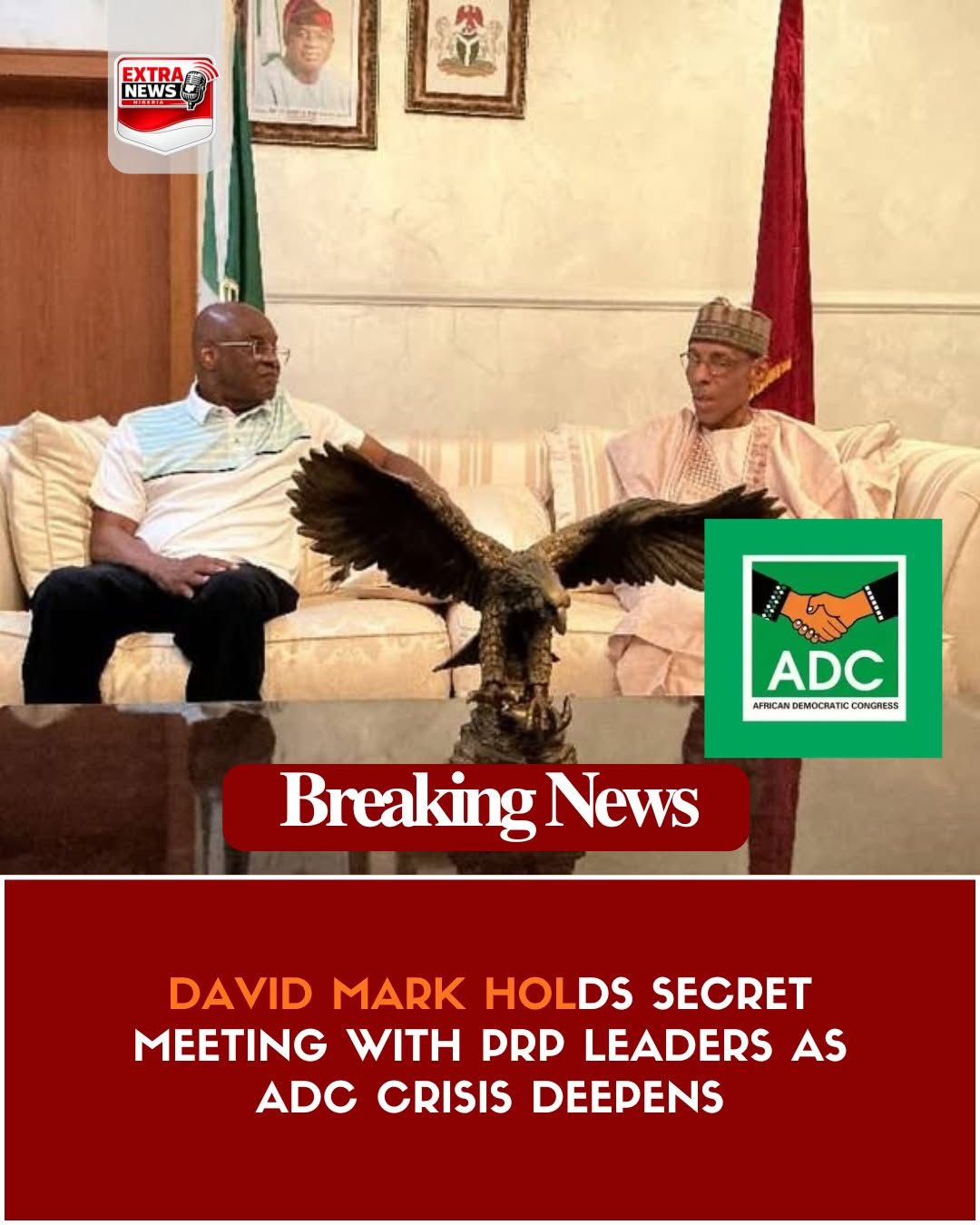
The embattled National Chairman of the African Democratic Congress, David Mark, on Friday held a closed-door meeting with leaders of the Peoples Redemption Party in Abuja. The private consultation is seen as a fresh round of political moves as the ADC continues to battle a lingering leadership crisis and growing internal divisions.
Top figures from both parties were said to be present at the meeting, including PRP National Chairman Hakeem Baba-Ahmed and senior ADC officials. The development is already drawing attention as opposition parties continue realignments ahead of the 2027 political season, with many watching closely for possible alliances and next steps in the party crisis.
Politics
“ADC is a Holy Party, Cannot be used to Scam Nigerians Again” – Hon Success Opara tells David Mark
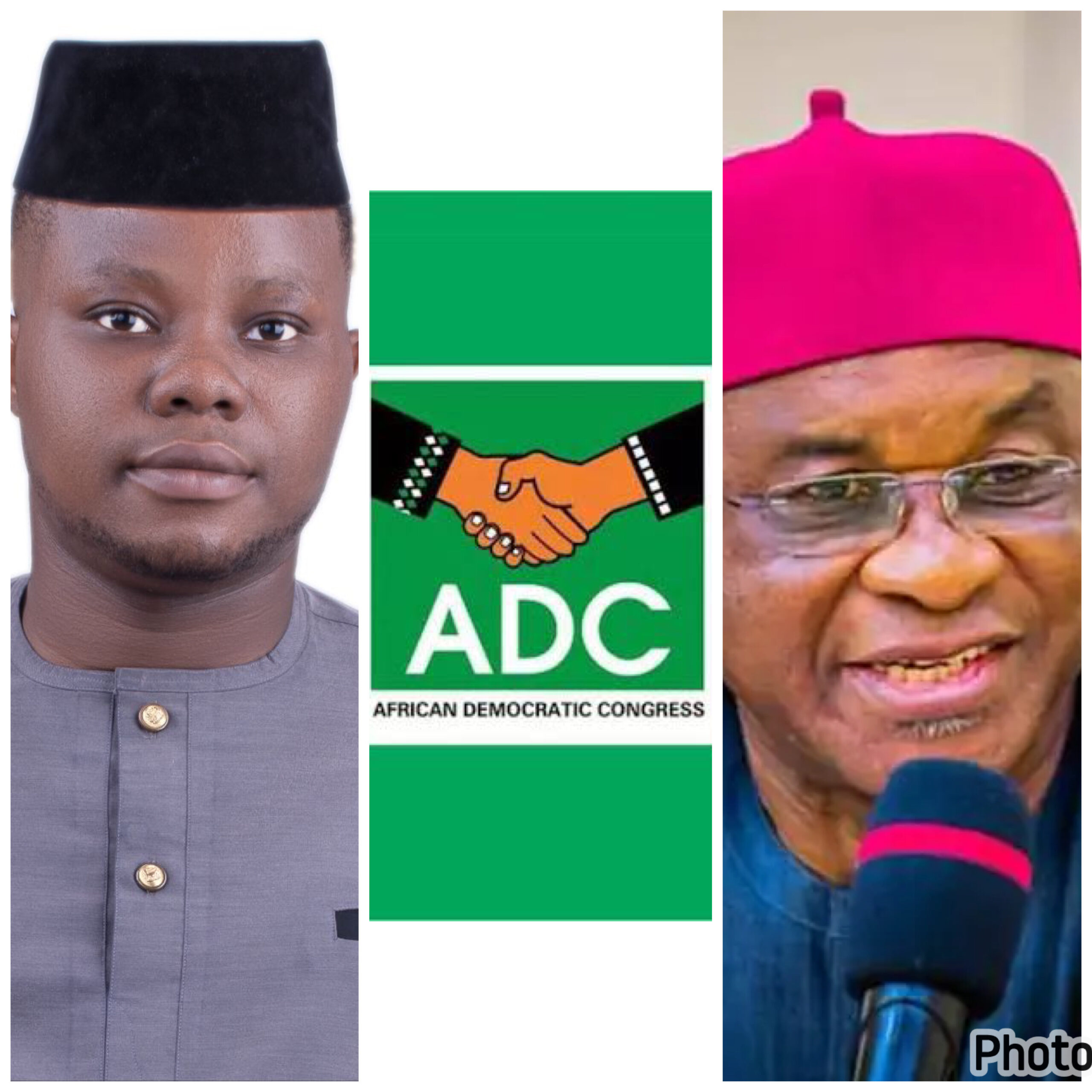
ADC Party in Turmoil: Hon Success Opara Slams Leadership, Warns Against Scamming Nigerians
Abuja, Nigeria – The African Democratic Congress (ADC) is facing internal strife as Hon Success Opara, a prominent party official, has warned against attempts to use the party to deceive Nigerians. Opara specifically criticized the leadership of David Mark, stating that the party cannot be used to scam citizens again.
“ADC holy Party cannot be used to scam Nigerians again,” Opara said, emphasizing that those forming coalitions are hindering the party’s growth and denying youths opportunities to thrive.
“Those who are forming coalition don’t want to give the youths the chance to strive in the party,” she added.
Opara’s statement highlights the deepening divisions within the ADC, with concerns over leadership and the party’s direction.
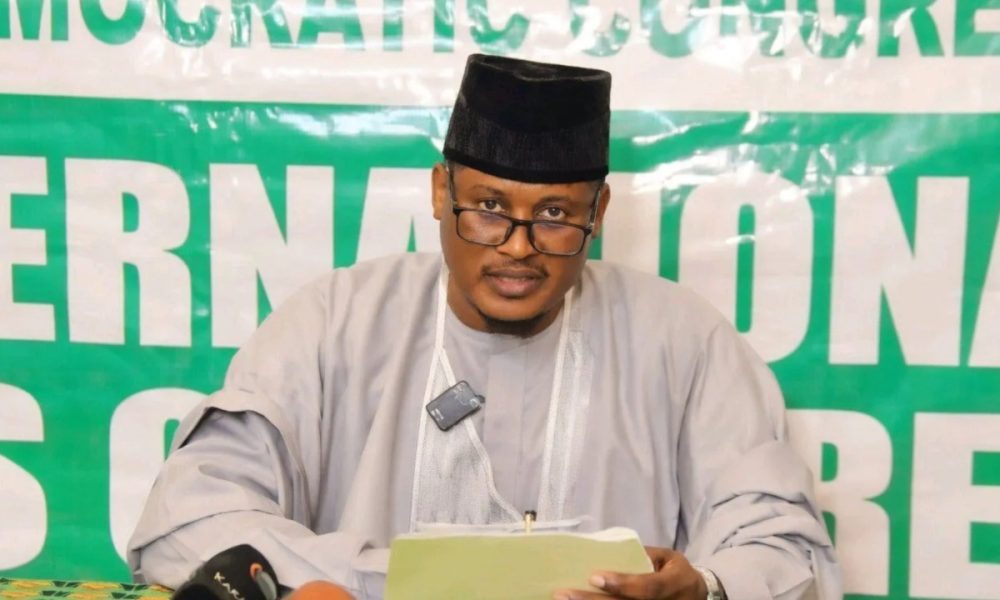
The factional National Chairman of the African Democratic Congress (ADC), Nafiu Bala Gombe, has announced that the party under his leadership will bar individuals above the age of 55 from contesting for political positions.
Gombe made the disclosure during an interview with BBC Hausa, where he outlined a vision centred on generational change and greater youth participation in politics.
“The African Democratic Congress (ADC) is a party that belongs to all Nigerians. What we are doing now is to ensure the party moves forward properly.
“We have decided that we will give the youths a real chance. The time has come for young people to take the lead in politics.
“If you are over 55 years old, you are not going to contest for positions in the ADC under our leadership.
“We want to bring in fresh blood, new ideas, and energy from the youth. Nigeria’s future depends on the young generation.
“The old ways have not worked well for the country. We need to open the door wide for youths to participate fully as candidates, leaders, and decision-makers,” he said.

David Mark Holds Secret Meeting With PRP Leaders as ADC Crisis Deepens

Chaos As Military Officers Exchange Blows During Tinubu’s Visit To Bayelsa (Videos)

HRH Ekwueme of Ochia Kingdom Iynched & kiIIed in Imo.

-
Business1 year ago
US court acquits Air Peace boss, slams Mayfield $4000 fine
-

 Trending1 year ago
NYA demands release of ‘abducted’ Imo chairman, preaches good governance
-

 Politics1 year ago
Mexico’s new president causes concern just weeks before the US elections
-

 Politics1 year ago
Putin invites 20 world leaders
-

 Politics1 year ago
Russia bans imports of agro-products from Kazakhstan after refusal to join BRICS
-
Entertainment1 year ago
Bobrisky falls ill in police custody, rushed to hospital
-
Entertainment1 year ago
Bobrisky transferred from Immigration to FCID, spends night behind bars
-
Education2 years ago
GOVERNOR FUBARA APPOINTS COUNCIL MEMBERS FOR KEN SARO-WIWA POLYTECHNIC BORI