
Politics
PRESIDENT BOLA TINUBU APPROVES APPOINTMENT OF NEW MANAGEMENT TEAMS FOR RIVER BASIN AUTHORITIES

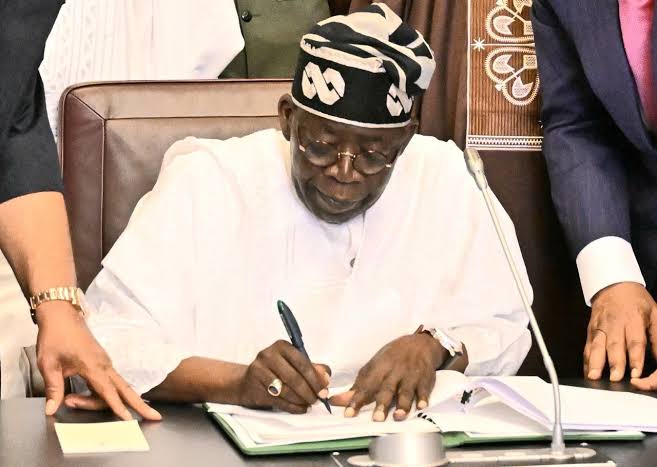
President Bola Ahmed Tinubu, GCFR, has approved the reconstitution of the top Management of 12 River Basin Development Authorities with the mandate of effectively developing and managing Nigeria’s water resource for national development.
The management team for the twelve (12) River Basin Development Authorities and their coverage areas are as follows:
OGUN-OSUN RIVER BASIN DEVELOPMENT AUTHORITY, ABEOKUTA (Lagos, Oyo, Ogun and Osun):
1. Odebunmi Olusegun – Chairman (Oyo)
2. Adedeji Ashiru – Managing Director (Osun)
3. Ayo Oyalowo – Executive Director, Finance (Oyo)
4. Dokunmu Olufemi Oyekunle – Executive Director, Planning and Design (Ogun)
5. Suleiman Oris – Executive Director, Agric Services (Lagos)
6 . Julius Oloro – Executive Director, Engineering (Lagos)
UPPER BENUE RIVER BASIN DEVELOPMENT AUTHORITY, YOLA. Adamawa, Taraba, Gombe and Bauchi)
1. Sanusi Mohammed Babantanko – Chairman (Bauchi)
2. Samuel Mahmud Mohammed – Managing Director (Taraba)
3. Usman Babandubu Bakare – Executive Director, Engineering (Taraba)
4. Ibrahim Dasuki Jalo – Executive Director Finance (Gombe)
5. Isa Matori – Executive Director, Planning and Design Part of Bauchi
6. Hamman Dikko – Executive Director, Agric Services (Adamawa)
CHAD BASIN DEVELOPMENT AUTHORITY, MAIDUGURI (Borno, Yobe, and Adamawa)
1. Abdu Dauda – Chairman (Borno)
2. Tijjani Musa Tumsa – Managing Director (Yobe)
3. Bashir Baale – Executive Director, Finance (Yobe)
4. lliyasu Muazu – Executive Director, Agric Services (Adamawa)
5. Mohammed Shetima – Executive Director, Engineering (Borno)
6. Vrati Nzonzo – Executive Director, Planning and Design (Borno)
BENIN-OWENA DEVELOPMENT AUTHORITY (Edo, Delta North, Ondo and Ekiti)
1. Mike Ohio Ezomo – Chairman (Edo)
2. Femi Adekanbi – Managing Director (Ondo)
3. Austin Nonyelim Izagbo – Executive Director Planning and Design (Delta)
4. Johnson Oghuma – Executive Director, Agric Services (Edo)
5. Adegboyega Bamisile – Executive Director Finance (Ekiti)
6 Bayode Akinduro – Executive Director Engineering (Ondo)
NIGER DELTA BASIN DEVELOPMENT AUTHORITY (Rivers, Bayelsa and parts of Delta)
1. Ebikemi Boi Bosin – Chairman (Delta)
2. Amgbare Ebitimi – Managing Director (Bayelsa)
3. Mary Alagoa – Executive Director Finance (Rivers)
4. Austin N. Izagbo – Executive Director, Engineering (Delta)
5. Felix Kurogha – Executive Director Agric Services (Bayelsa)
6. Nnamdi Akani – Executive Director, Planning and Design (Rivers)
UPPER NIGER RIVER BASIN DEVELOPMENT AUTHORITY, MINNA (Niger, Kaduna and FCT)
1. Haruna Y. Usman – Chairman (Niger)
2. Dangajere Shuaibu Bawa Jaja – Managing Director (Kaduna)
3. Mohammed Usma – Executive Director, Finance (Niger)
4. Abdullahi A. Kutso – Executive Director, Planning and Design (Niger)
5. Ayuba Waziri Tedde – Executive Director, Agric services (FCT)
6. John Hassan – Executive Director, Engineering (Kaduna)
LOWER NIGER RIVER BASIN DEVELOPMENT AUTHORITY, ILORIN (Kwara and Kogi)
1. Abdullateef Alakawa – Chairman (Kwara)
2 .George Olumoroti – Managing Director (Kogi)
3. Babajamu Adeniran – Executive Director, Engineering (Kwara)
4. Abdullahi Sadiq – Executive Director, Agric Services (Kogi)
5. Alanamu Ayinla Abolere – Executive Director, Planning and Design (Kwara)
6. Abidemi Adeyemi – Executive Director Finance (Kogi)
LOWER BENUE RIVER BASIN DEVELOPMENT AUTHORITY, MAKURDI (Benue, Plateau, Nasarawa and Kogi)
1. Amos Gizo Yadukso – Chairman ( Plateau )
2. Ninga Terese – Managing Director (Benue)
3. Chris Takar – Executive Director, Engineering (Benue)
4. Yusuf Omaaki – Executive Director, Finance (Nasarawa)
5. Hassan Omale – Executive Director, Agric Services (Kogi)
6. Okibe Timothy Ogomola – Executive Director, Planning and Design (Benue)
ANAMBRA – IMO RIVER BASIN DEVELOPMENT AUTHORITY, OWERRI (Anambra, Imo, Enugu, Abia and Ebonyi)
1. Emmanuel Anosike – Chairman (Anambra)
2 .Emeka Nduka – Managing Director (Imo)
3. Nwebonyi Priscilla Nkechi – Executive Director Finance (Ebonyi)
4. Evaristus Asadu – Executive Director, Engineering (Enugu)
5. Onukwubiri N.Ojigwe – Executive Director, Agric Services (Abia)
6. Abigail Igwe – Executive Director, Planning and Design (Anambra)
HADEJIA JAMAERE RIVER BASIN DEVELOPMENT AUTHORITY, KANO (Kano, Jigawa and Bauchi)
1 . Mamman Da’u Aliyu – Chairman (Jigawa)
2. Rabiu Suleiman Bichi – Managing Director Director (Kano)
3. Tijjani Musa Isa – Executive Director, Planning and Design (Jigawa)
4. Zainab Gamawa – Executive Director Agric Services (Bauchi)
5. Baffa Dandatti Abdulkadir – Executive Director, Engineering (Kano)
6 .Musa Iliyasu Kwankwaso – Executive Director Finance (Kano)
CROSS RIVER BASIN DEVELOPMENT AUTHORITY (Cross River and Akwa Ibom)
1. Wabilly Nyiam – Chairman (Cross River)
2. Glory Ekpo Oho – Managing Director (Akwa Ibom)
3. Effiwatt Otu Eyo – Executive Director Finance (Cross River)
4. Ebiere Etuk Udoh – Executive Director, Agric Services (Akwa Ibom)
5. Charles Usua Akpan – Executive Director, Engineering (Akwa Ibom)
6. Ndom Abia -Executive Director, Planning and Design (Akwa Ibom)
SOKOTO RIMA BASIN DEVELOPMENT AUTHORITY (Sokoto, Kebbi, Zamfara and Katsina)
1. Bello Yahaya Wurno – Chairman (Sokoto)
2 Abubakar Mallam – Managing Director (Kebbi)
3. Kabiru Ladan Maigoro – Executive Director, Planning and Design (Zamfara)
4. Abubakar Ibrahim – Executive Director, Finance (Katsina)
5. Muttaka Badaru Jikamshi – Executive Director, Agric Services (Katsina)
6 . Mansur Aminu – Executive Director, Engineering (Zamfara)
President Tinubu charges the appointees to pool their wealth of experience together by injecting new lease of life in their respective areas of responsibilities in harnessing and developing the nation’s vast water resource potentials for national development.







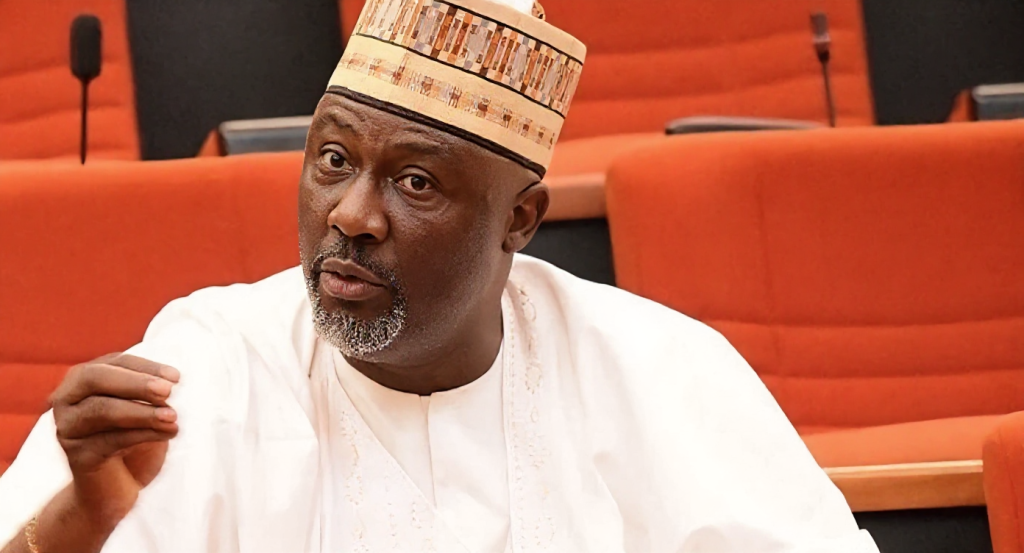
Former lawmaker, Dino Melaye Esq, has raised concerns over the Senate’s reported rejection of the electronic transmission of election results.
The move, according to Melaye, is a clear endorsement of election rigging and an indication of a sinister plan to rig the 2027 elections.
In a statement on Friday, the former lawmaker criticized the Senate’s decision, stating that it undermines the credibility of the electoral process.
The African Democratic Congress, ADC chieftain, also stated that the move opens the door for electoral manipulation and fraud.
He further warned that the rejection of electronic transmission of results is a step backwards for democracy in Nigeria.
Melaye called on lawmakers and citizens to stand up against “this blatant attempt to undermine the will of the people and ensure that future elections are free, fair, and transparent”.
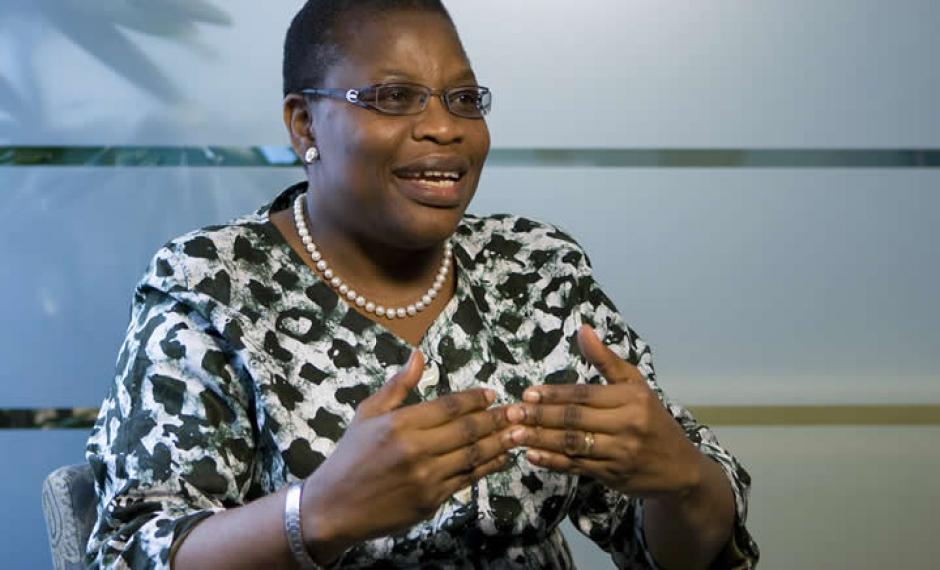
Former Minister of Education, Oby Ezekwesili, has said Nigerians have every reason to be mad at the Senate over the ongoing debate on e-transmission of election results.
Ezekwesili made this known on Friday when she featured in an interview on Arise Television’s ‘Morning Show’ monitored by DAILY POST.
DAILY POST reports that the Senate on Wednesday turned down a proposed change to Clause 60, Subsection 3, of the Electoral Amendment Bill that aimed to compel the electronic transmission of election results.
Reacting to the matter, Ezekwesili said, “The fundamental issue with the review of the Electoral Act is that the Senate retained the INEC 2022 Act, Section 60 Sub 5.
“This section became infamous for the loophole it provided INEC, causing Nigerians to lose trust. Since the law established that it wasn’t mandatory for INEC to transmit electoral results in real-time, there wasn’t much anyone could say.
“Citizens embraced the opportunity to reform the INEC Act, aiming to address ambiguity and discretionary opportunities for INEC. Yet, the Senate handled it with a “let sleeping dogs lie” approach. The citizens have every reason to be as outraged as they currently are.”
Politics
Electoral act: Senate’s action confirms Nigeria ‘fantastically corrupt’, ‘disgraced’ – Peter Obi
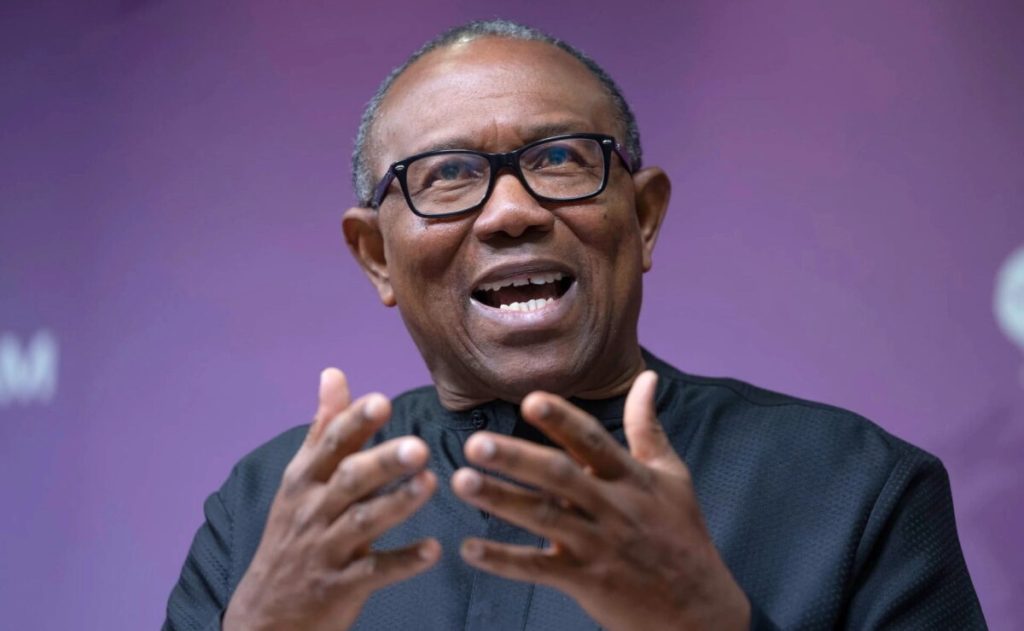
Former Labour Party presidential candidate, Peter Obi, has condemned the Senate’s refusal to make electronic transmission of election results mandatory, saying the move further exposes Nigeria as a fantastically corrupt and disgraced country.
Obi expressed his views in a statement shared on X on Friday, where he accused lawmakers of deliberately weakening Nigeria’s democratic process ahead of the 2027 general elections.
He explained that his reaction came after a brief pause to mourn victims of a deadly tragedy in Kwara State, where over 150 people reportedly lost their lives.
“Let us first pray for the souls of the innocent Nigerians lost in Kwara. That painful incident is why I delayed responding to the shameful development surrounding our electoral system,” he wrote.
Describing the Senate’s decision as intentional and dangerous, Obi said rejecting mandatory electronic transmission was not a simple oversight but a calculated attempt to block transparency.
“The Senate’s open rejection of electronic transmission of results is an unforgivable act of electoral manipulation ahead of 2027,” he said.
According to him, the action strikes at the heart of democracy and raises serious questions about the true purpose of governance in Nigeria.
“This failure to pass a clear safeguard is a direct attack on our democracy. By refusing these transparency measures, the foundation of credible elections is being destroyed. One must ask whether government exists to ensure justice and order or to deliberately create chaos for the benefit of a few.”
The former Anambra State governor linked the post-election controversies of the 2023 general elections to the failure to fully deploy electronic transmission of results, insisting that Nigerians were misled with claims of technical failures.
“
The confusion, disputes and manipulation that followed the 2023 elections were largely due to the refusal to fully implement electronic transmission,” he said.
He added that the so-called system glitch never truly existed.
Obi compared Nigeria’s electoral process with those of other African countries that have embraced technology to improve credibility, lamenting that Nigeria continues to fall behind.
“Many African nations now use electronic transmission to strengthen their democracy. Yet Nigeria, which calls itself the giant of Africa, is moving backwards and dragging the continent along.”
He criticised Nigeria’s leadership class, saying the country’s problems persist not because of a lack of ideas but because of deliberate resistance to meaningful reform.
“We keep organising conferences and writing policy papers about Nigeria’s challenges. But the truth is that the leaders and elite are the real problem. Our refusal to change is pushing the nation backwards into a primitive system of governance.”
Warning of the dangers ahead, Obi said rejecting electronic transmission creates room for confusion and disorder that only serves the interests of a small group.
He also recalled past remarks by foreign leaders who described Nigeria as corrupt, arguing that actions like this continue to justify those statements.
“When a former UK Prime Minister described Nigeria as ‘fantastically corrupt,’ we were offended. When former US President Donald Trump called us a ‘disgraced nation,’ we were angry. But our continued resistance to transparency keeps proving them right.”
Obi warned that Nigerians should not accept a repeat of the electoral irregularities witnessed in 2023.
“Let there be no mistake. The criminality seen in 2023 must not be tolerated in 2027.”
He urged citizens to be ready to defend democracy through lawful and decisive means, while also calling on the international community to closely monitor developments in Nigeria’s electoral process.
“The international community must pay attention to the groundwork being laid for future electoral manipulation, which threatens our democracy and development,” Obi stated.
He concluded by expressing hope that change is still possible if Nigerians take collective responsibility.
“A new Nigeria is possible but only if we all rise and fight for it.”

Police bust syndicate behind nude photo blackmail in Lagos

Man in shock after lady he lodged with in a hotel in Abuja flees with his car and other valuables

US Reacts As De@th Toll In Kwara Terror Attacks Hits 200

-
Business1 year ago
US court acquits Air Peace boss, slams Mayfield $4000 fine
-

 Trending1 year ago
NYA demands release of ‘abducted’ Imo chairman, preaches good governance
-

 Politics1 year ago
Mexico’s new president causes concern just weeks before the US elections
-

 Politics1 year ago
Putin invites 20 world leaders
-

 Politics1 year ago
Russia bans imports of agro-products from Kazakhstan after refusal to join BRICS
-
Entertainment1 year ago
Bobrisky falls ill in police custody, rushed to hospital
-
Entertainment1 year ago
Bobrisky transferred from Immigration to FCID, spends night behind bars
-
Education1 year ago
GOVERNOR FUBARA APPOINTS COUNCIL MEMBERS FOR KEN SARO-WIWA POLYTECHNIC BORI