
Business
President Tinubu Signs Executive Order For Direct Remittance Of Oil And Gas Revenues to Federal Account

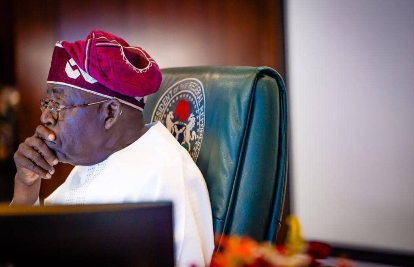
President Bola Tinubu has issued an executive order to safeguard and enhance oil and gas revenues for the Federation, curb wasteful spending, eliminate duplicative structures in this critical sector of the national economy, and redirect resources for the benefit of the Nigerian people.
The President signed the EO in pursuance of Section 5 of the Constitution of the Federal Republic of Nigeria (as amended).
The Executive Order is anchored on Section 44(3) of the Constitution, which vests ownership, control, and derivative rights in all minerals, mineral oils, and natural gas in, under, and upon any land in Nigeria, including its territorial waters and Exclusive Economic Zone, in the Government of the Federation.
The directive seeks to restore the constitutional revenue entitlements of the federal, state, and local governments, which were removed in 2021 by the Petroleum Industry Act (PIA). The PIA created structural and legal channels through which substantial Federation revenues are lost through deductions, sundry charges, and fees.
Under the current PIA framework, NNPC Limited retains 30 per cent of the Federation’s oil revenues as a management fee on Profit Oil and Profit Gas derived from Production Sharing Contracts, Profit Sharing Contracts, and Risk Service Contracts.
In addition, the company retains 20 per cent of its profits to cover working capital and future investments.
Given the existing 20% retention, the additional 30% management fee is considered unjustified by the Federal Government, as the retained earnings are already sufficient to support the functions NNPCL performs under these contracts.
NNPC Limited also retains another 30% of its profit oil and profit gas under the production sharing, profit sharing, and risk service contracts, as the Frontier Exploration Fund under sections 9(4) and (5) of the PIA. A fund of this size, being devoted to speculative exploration, risks accumulating large idle cash balances, which would encourage inefficient exploration spending, at a time when government resources are urgently needed for core national priorities, including security, education, healthcare, and energy transition investments.
There is also the Midstream and Downstream Gas Infrastructure Fund (MDGIF) under Section 52(7)(d) PIA, funded by the collection of gas flaring penalties provided under Section 104. The fund is to be used for supporting environmental remediation and relief for host communities impacted by gas flaring. However, section 103 of the PIA has already established a dedicated Environmental Remediation Fund, administered by NUPRC, specifically designed to fund the rehabilitation of communities negatively impacted by upstream petroleum operations, including gas flaring. Furthermore, Section 103 already imposes a fee on lessees to contribute to this fund for precisely this purpose.
All these deductions far exceed global norms and effectively divert more than two-thirds of potential remittances to the Federation Account. The continuing decline in net oil revenue inflows is largely attributable to these deductions and fragmented oversight under the current PIA architecture.
The Executive Order aims to resolve, among other things, the duplicative 30 per cent deduction for profit-sharing arrangements by addressing overlapping and redundant provisions across all relevant laws and regulatory instruments within the PIA framework and NNPC Limited’s governing structure. The objective is to eliminate unjustified multiple layers of deductions that erode revenues that ought to accrue to the Federation Account, enabling the three tiers of government to pursue critical national priorities.
The President has identified structural concerns regarding the continued role of NNPC Limited as a concessionaire under Production Sharing Contract arrangements. The existing framework, which allows the company to influence operating costs while simultaneously functioning as a commercial entity, creates potential competitive distortions and undermines its transition into a fully commercial operator as envisioned under the PIA.
The Executive Order, therefore, introduces immediate measures to curb leakages, enhance transparency, eliminate duplicative structures, and reposition NNPC Limited strictly as a commercial enterprise, while safeguarding the Federation’s interests.
In rolling out the order, the President affirmed that the reforms are of urgent national importance, given their implications for national budgeting, debt sustainability, economic stability, and the overall well-being of Nigerians.
President Tinubu noted that his administration will also undertake a comprehensive review of the Petroleum Industry Act in consultation with relevant stakeholders to address identified fiscal and structural anomalies.
According to the Presidential Executive Order, which has been officially gazetted, NNPC Limited will no longer collect and manage the 30% Frontier Exploration Fund. NNPC Limited will ensure that the 30% profit from oil and gas from production sharing, profit sharing, and risk service contracts currently earmarked for the frontier exploration fund is henceforth transferred to the Federation Account.
NNPC Limited will also no longer be entitled to the 30% management fee on profit oil and profit gas revenues that should go to the federation account.
In the same vein, all operators/contractors of oil and gas assets held under a production sharing contract shall, from the date of the Executive Order, which is February 13, 2026, pay Royalty Oil, Tax Oil, Profit Oil, Profit Gas, and any other interest howsoever described which is due to the government of the federation directly to the Federation Account.
President Tinubu has also suspended payments of the Gas Flare Penalty into the Midstream and Downstream Gas Infrastructure Fund. The Commission shall, from the date of the Executive Order, pay proceeds from all penalties imposed on operators for flaring gas into the Federation Account and cease payment of such proceeds into the Midstream and Downstream Gas Infrastructure Fund (MDGIF). All expenditure from the MDGIF shall be conducted in line with extant public procurement laws, policies and regulations.
President Tinubu has approved the constitution of a joint project team to execute integrated petroleum operations. The Commission shall serve as the interface with licensees and lessees in respect of integrated operations where upstream and midstream petroleum operations are fully combined.
President Tinubu approved the establishment of an Implementation Committee to oversee and ensure the effective, coordinated implementation of the executive order. The members of the committee include the Minister of Finance and Coordinating Minister of the Economy, the Attorney-General of the Federation and Minister of Justice, the Minister of Budget and National Planning and the Minister of State, Petroleum Resources (Oil). Other members of the Committee are the Chairman, Nigeria Revenue Service; a Representative of the Ministry of Justice; the Special Adviser to the President on Energy; and the Director-General, Budget Office of the Federation. The latter will provide a secretariat to the committee.





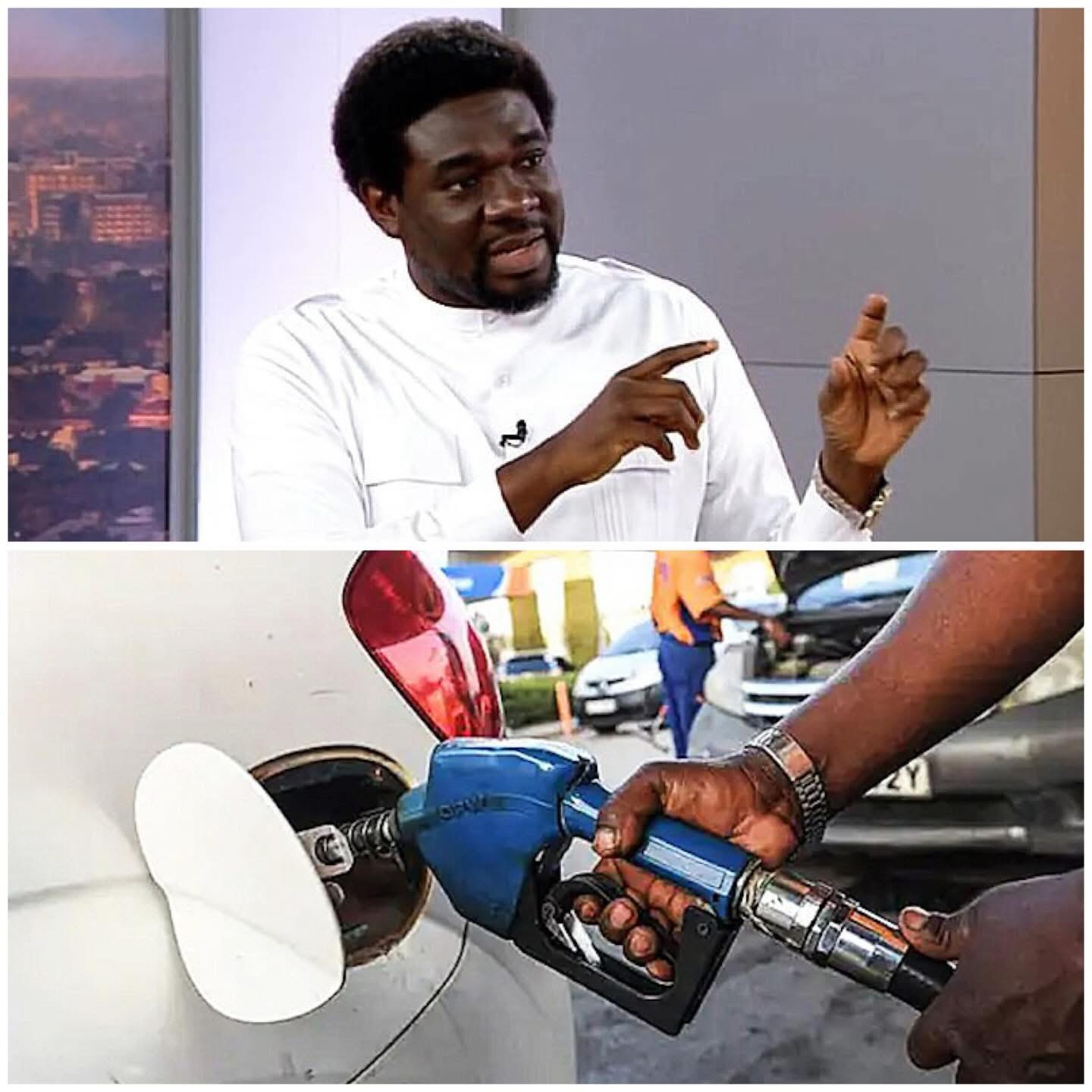
The Trade Union of Nigeria, TUC, has raised the alarm that the price of Premium Motor Spirit aka Petrol may climb to about N2,000 per litre if urgent measures are not taken to cushion the impact of rising global crude prices and the depreciating naira.
Speaking to newsmen on Thursday, April 9, the president of the TUC, Festus Osifo, called on the Federal Government to immediately deploy 60 percent of excess crude oil revenue above the 2026 budget benchmark to subsidise crude feedstock supplies to the Dangote Refinery and other modular refineries, a move it says will slash pump prices of petrol, diesel, and jet fuel within two weeks
“Today, comrades, we are seeing that the cost of petrol is edging towards N2,000 per litre depending on the part of the country that you are. Nigerian workers are already passing through excruciating pain as we speak.
The same way it is affecting transportation, it is also affecting manufacturing. The cost of diesel has also gone northward, meaning that the cost of production has increased. When production costs rise, the final price of goods on the shelves will also skyrocket.
If this continues unchecked, the inflation that we are currently celebrating as going downwards will reverse and start moving up again,” he stated.
Osifo outlined the proposal as an urgent intervention to cushion Nigerian workers from excruciating pain caused by petrol prices edging towards ₦2,000 per litre in some parts of the country
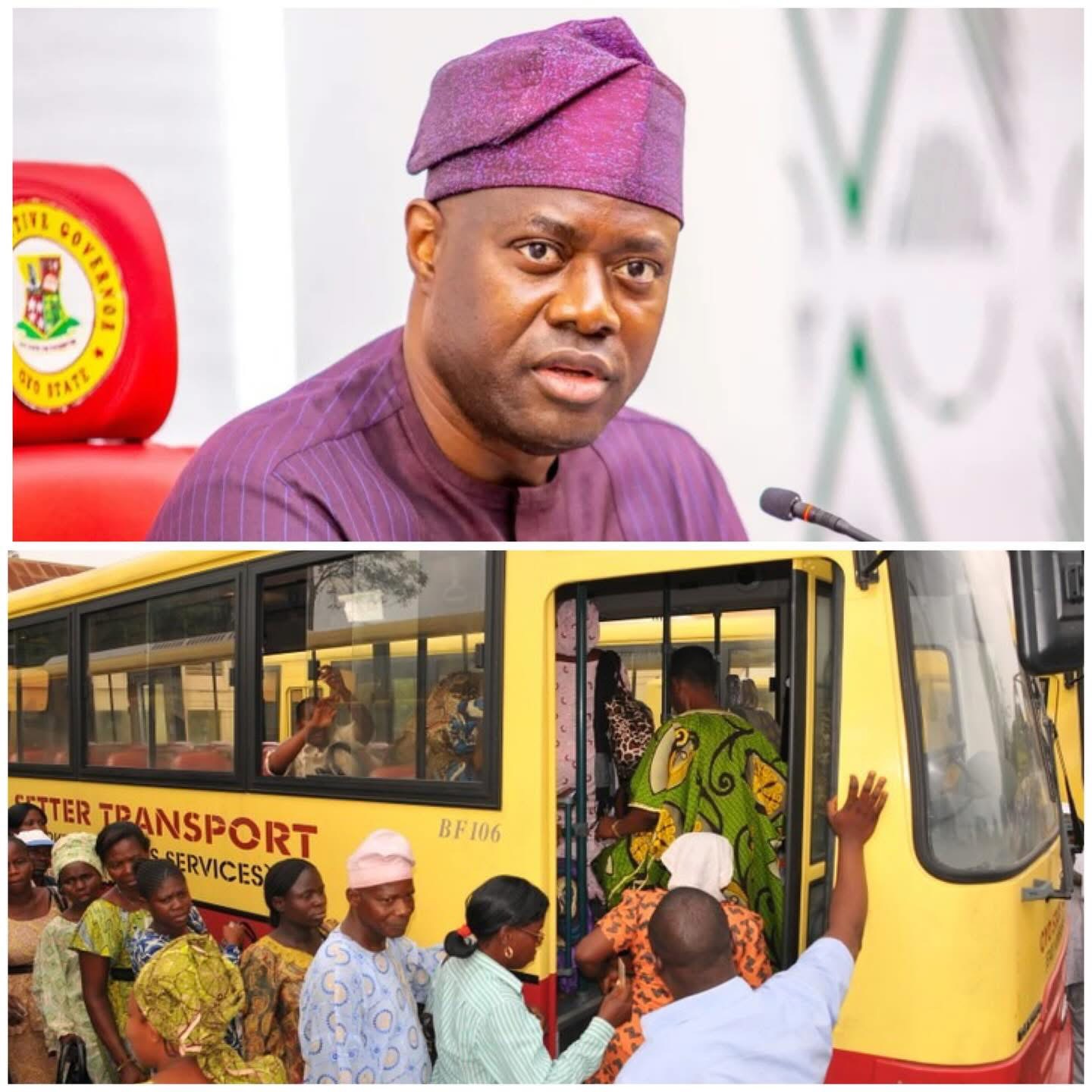
The governor of Oyo state, Seyi Makinde, has approved a N10,000 transportation allowance as a palliative for the state workforce to cushion the effects of the increase in the pump price of Premium Motor Spirit, otherwise known as petrol.
The Chairman of the Nigeria Labour Congress (NLC), Oyo State chapter, Kayode Martins, in a statement released on Monday, March 23, disclosed that the governor has granted the request of the union on the issue of transportation allowance.
The statement read
“Following the intervention and formal request made by the State Council of the Nigeria Labour Congress (NLC) earlier this morning, the state government has approved a N10,000 transportation allowance for all workers in the state.
The newly approved allowance is set to take effect from April 2026, providing much-needed relief to workers grappling with rising transportation costs amid current economic challenges.
This development comes as a direct response to sustained advocacy by the state NLC, aimed at cushioning the impact of increased living expenses on the workforce.
Further details on implementation are expected to be communicated by the relevant government authorities in due course.”
The Central Bank of Nigeria (CBN), has declared that banks and financial institutions must establish and maintain a temporary watch-list for Bank Verification Numbers (BVN) implicated in suspected fraudulent transactions.
According to the CBN in a circular dated March 12, 2026 and signed by its Director of Payments System Policy Department, Musa I. Jimoh, the apex bank said such a suspected BVN may remain on the temporary watchlist for a maximum period of twenty-four (24) hours during which the owner would be contacted to make clarifications.
The circular explained that the move is part of several new measures under a revised regulatory framework aimed at enhancing financial system stability.
“A BVN may remain on this temporary Watchlist for a maximum period of twenty-four (24) hours, during this period, the BVN owner shall be contacted to provide clarification regarding the identified transaction(s),” the circular stated.
The circular also sets an age requirement for BVN enrolment, restricting registration to individuals who have attained eighteen (18) years and above.
The CBN also added that amendments to phone numbers linked to a BVN shall be allowed only once.
“Amendments to phone numbers linked to a BVN shall be allowed only once,” the circular noted.
The apex bank stated that access to BVN databases will remain tightly controlled.
“Access to the BVN databases shall be exclusively granted to Central Bank of Nigeria (CBN) licensed financial institutions.
“Notwithstanding this provision, the Central Bank of Nigeria (the Bank) reserves the right to approve access to the BVN databases in extenuating circumstances and in accordance with the provisions of extant laws,” the circular said.
Financial institutions are expected to comply with the new requirements, and customers may be contacted by their banks if their BVNs are temporarily flagged during the new fraud monitoring process.
The new policy, as stated by the CBN, takes effect from May 1, 2026.

Rivers ADC Primaries: Farah Dagogo emerges Rivers ADC Governorship candidate

Tinubu Has No Plan To Rename Nigeria, Abolish Sharia Law In Northern States, Says Presidency

Court dismisses suit seeking to uphold Kingibe’s suspension, fines plaintiffs and counsel N20m

-
Business2 years ago
US court acquits Air Peace boss, slams Mayfield $4000 fine
-

 Trending2 years ago
NYA demands release of ‘abducted’ Imo chairman, preaches good governance
-

 Politics2 years ago
Mexico’s new president causes concern just weeks before the US elections
-

 Politics2 years ago
Putin invites 20 world leaders
-

 Politics2 years ago
Russia bans imports of agro-products from Kazakhstan after refusal to join BRICS
-
Entertainment2 years ago
Bobrisky falls ill in police custody, rushed to hospital
-
Entertainment2 years ago
Bobrisky transferred from Immigration to FCID, spends night behind bars
-
Education2 years ago
GOVERNOR FUBARA APPOINTS COUNCIL MEMBERS FOR KEN SARO-WIWA POLYTECHNIC BORI