
Politics
Process Of Rigging 2027 Polls Has Started — Prof Jinadu

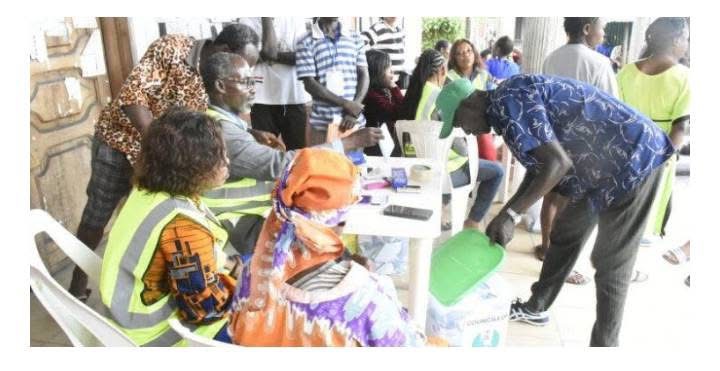
Process Of Rigging 2027 Polls Has Started — Prof Jinadu
#StateofImo has gathered that the nation’s political elite has started the process of rigging the 2027 general elections, Prof Adele Jinadu has said.
Delivering his keynote address at the Policy Dialogue on “State of Anti-Corruption Policy and Practice in Nigeria,” in Abuja, yesterday, the Professor of Political Science said known party members were being appointed as commissioners of the Independent National Electoral Commission, INEC.
His words: “They have started the process of rigging the next general election through the appointment of known party members. Next year, many commissioners will be due for re-appointment. They will use the power of appointment to put those who will do their bidding.
‘’Vote buying is done through procurement, they are amazing war chest for 2027. EFCC should go to party primaries where they give huge amounts of not only naira but even dollars to buy party tickets, instead of going after poor voters who get just N2,000 or N4,000.
“Nigerian citizens have been deceived for too long. The battle has begun. We are at a critical point. Time is running out but it is not too late. We have to adopt the Night Watch Man approach.
“You must fight for the future. We should not just fold our arms doing nothing. I am not tired of fighting. We must give not give up. We must speak truth to power.”
Assessing the nation’s anti-corruption fight, he observed that political interference had not allowed the Economic and Financial Crimes Commission, EFCC, and Independent Corrupt Practices and Offences Commission, ICPC, to do their jobs.
According to him, the interference comes in various ways, including the constant removal and replacement of chairmen on the two organisations, with EFCC having the ninth chairman since its establishment in 2003.
On the wide-spread corruption in the country, Prof. Jinadu said: “The tragedy of our democratic politics and the underlying causative roots of the of the problem of corruption is that our political class continues to push its self-interest, almost to the point not only of their own self-destruction but also of stultifying our national development.
“What we need to do now is to bring morality back into our politics and firmly reject the politics of immorality, that is at the heart of our country’s problem of corruption.”
Describing abuse of power as the worst form of corruption, Prof Jinadu said: “The abuse of the power of incumbency has reached disturbing heights of impunity in our country’s Fourth Republic.
“The worst form of political corruption, it fuels other forms of corruption in the country. It makes nonsense of the ex-ante indeterminacy of democratic elections, the possibility of today’s winners becoming tomorrow’s losers and the possibility of today’s losers becoming tomorrow’s winners in our politics of electoral succession.”
He called for judicial reforms in order to properly tackle corruption, saying “we must begin a process of reforming our legal system in fundamental ways, and away from their excessive formalism and elitist bias, in order to engender a more progressive, activist and public interest legal culture, which will provide legal anchor for social and distributive justice as state policy.”
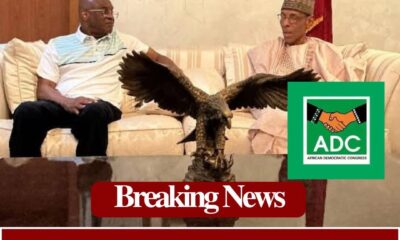


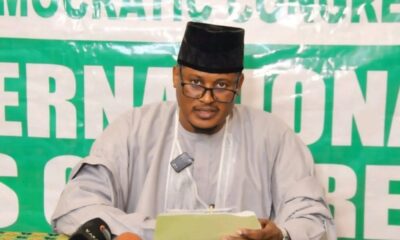

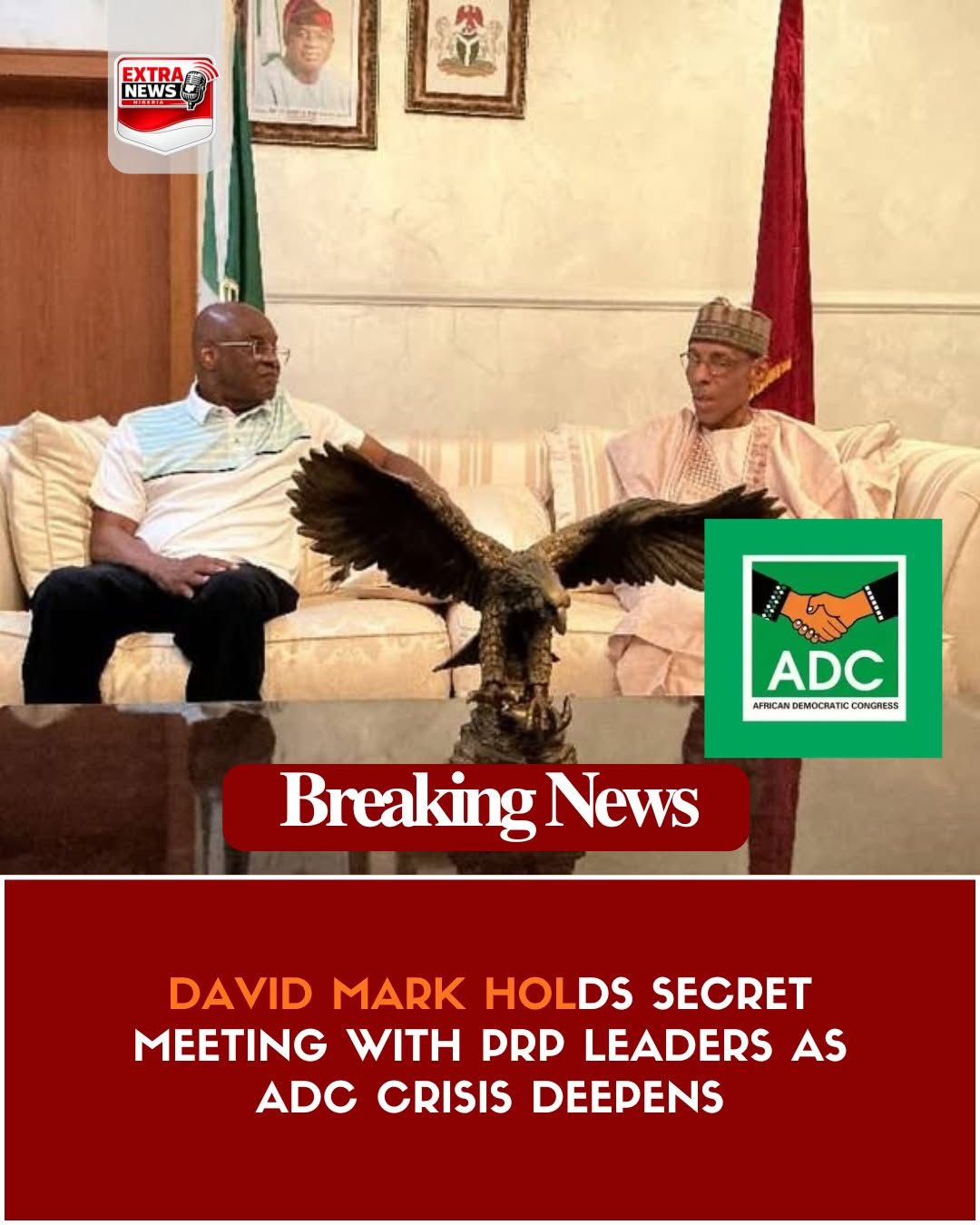
The embattled National Chairman of the African Democratic Congress, David Mark, on Friday held a closed-door meeting with leaders of the Peoples Redemption Party in Abuja. The private consultation is seen as a fresh round of political moves as the ADC continues to battle a lingering leadership crisis and growing internal divisions.
Top figures from both parties were said to be present at the meeting, including PRP National Chairman Hakeem Baba-Ahmed and senior ADC officials. The development is already drawing attention as opposition parties continue realignments ahead of the 2027 political season, with many watching closely for possible alliances and next steps in the party crisis.
Politics
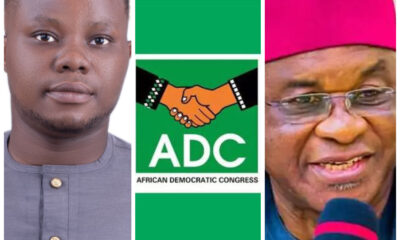
“ADC is a Holy Party, Cannot be used to Scam Nigerians Again” – Hon Success Opara tells David Mark
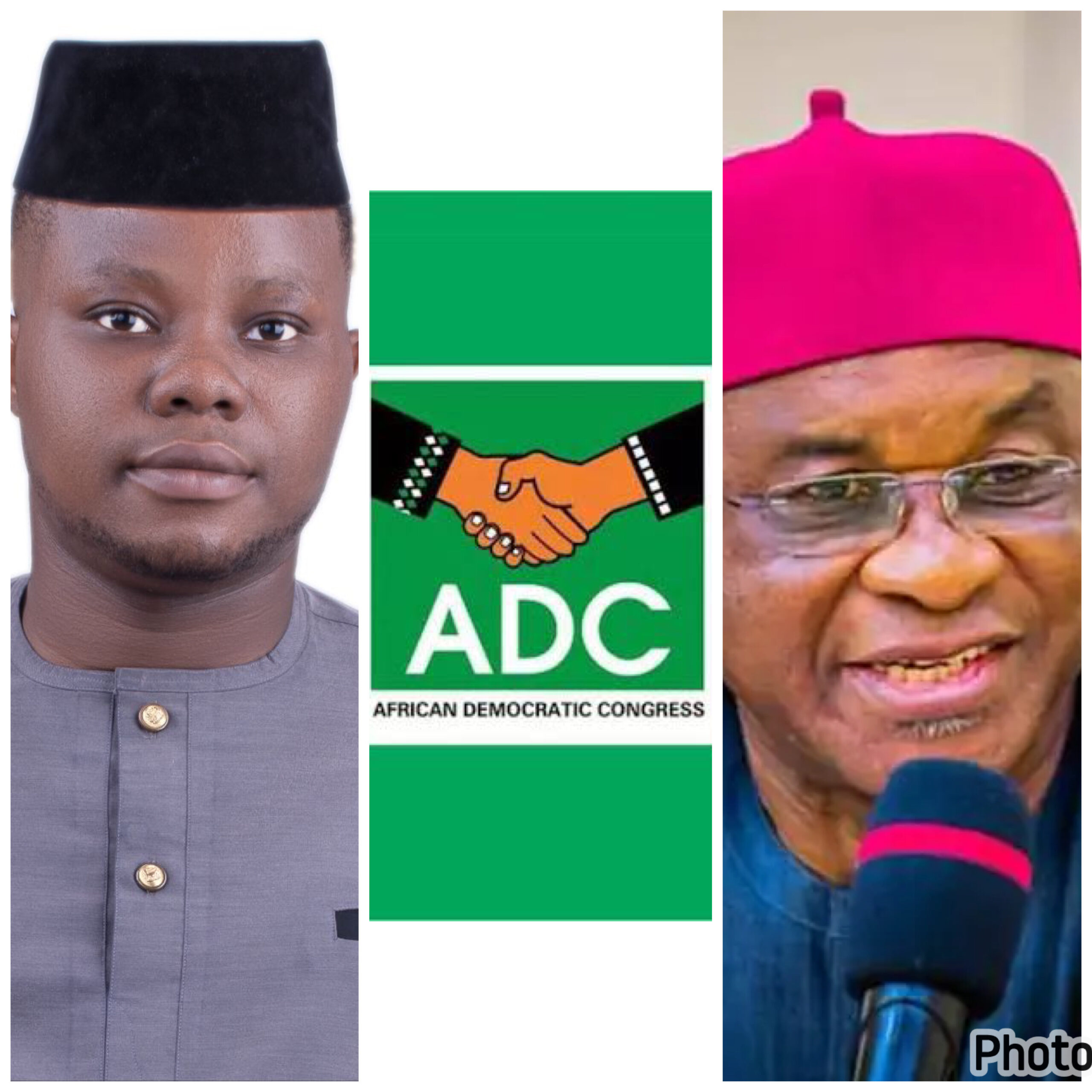
ADC Party in Turmoil: Hon Success Opara Slams Leadership, Warns Against Scamming Nigerians
Abuja, Nigeria – The African Democratic Congress (ADC) is facing internal strife as Hon Success Opara, a prominent party official, has warned against attempts to use the party to deceive Nigerians. Opara specifically criticized the leadership of David Mark, stating that the party cannot be used to scam citizens again.
“ADC holy Party cannot be used to scam Nigerians again,” Opara said, emphasizing that those forming coalitions are hindering the party’s growth and denying youths opportunities to thrive.
“Those who are forming coalition don’t want to give the youths the chance to strive in the party,” she added.
Opara’s statement highlights the deepening divisions within the ADC, with concerns over leadership and the party’s direction.
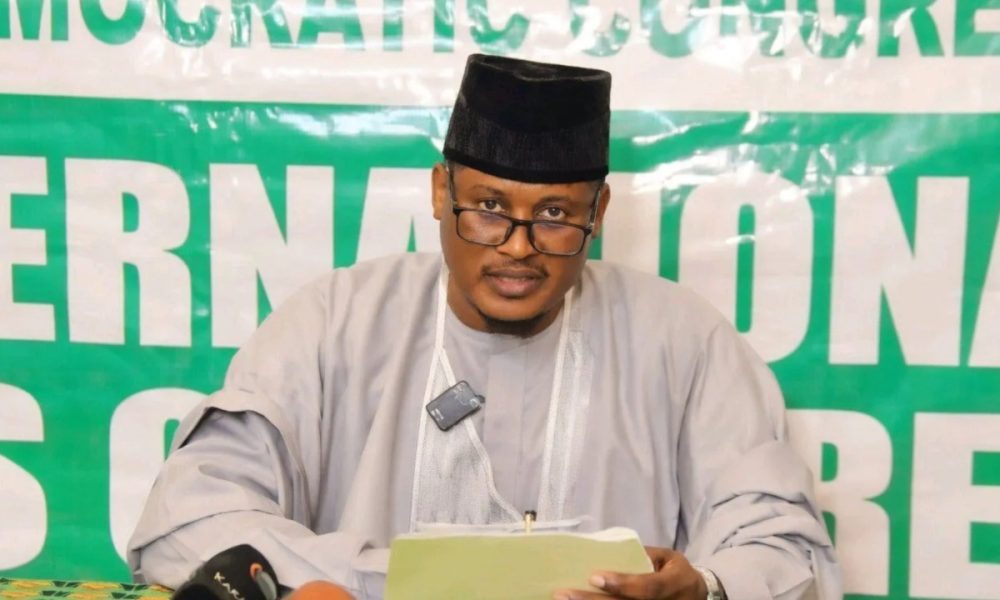
The factional National Chairman of the African Democratic Congress (ADC), Nafiu Bala Gombe, has announced that the party under his leadership will bar individuals above the age of 55 from contesting for political positions.
Gombe made the disclosure during an interview with BBC Hausa, where he outlined a vision centred on generational change and greater youth participation in politics.
“The African Democratic Congress (ADC) is a party that belongs to all Nigerians. What we are doing now is to ensure the party moves forward properly.
“We have decided that we will give the youths a real chance. The time has come for young people to take the lead in politics.
“If you are over 55 years old, you are not going to contest for positions in the ADC under our leadership.
“We want to bring in fresh blood, new ideas, and energy from the youth. Nigeria’s future depends on the young generation.
“The old ways have not worked well for the country. We need to open the door wide for youths to participate fully as candidates, leaders, and decision-makers,” he said.

David Mark Holds Secret Meeting With PRP Leaders as ADC Crisis Deepens

Chaos As Military Officers Exchange Blows During Tinubu’s Visit To Bayelsa (Videos)

HRH Ekwueme of Ochia Kingdom Iynched & kiIIed in Imo.

-
Business1 year ago
US court acquits Air Peace boss, slams Mayfield $4000 fine
-

 Trending1 year ago
NYA demands release of ‘abducted’ Imo chairman, preaches good governance
-

 Politics1 year ago
Mexico’s new president causes concern just weeks before the US elections
-

 Politics1 year ago
Putin invites 20 world leaders
-

 Politics1 year ago
Russia bans imports of agro-products from Kazakhstan after refusal to join BRICS
-
Entertainment1 year ago
Bobrisky falls ill in police custody, rushed to hospital
-
Entertainment1 year ago
Bobrisky transferred from Immigration to FCID, spends night behind bars
-
Education2 years ago
GOVERNOR FUBARA APPOINTS COUNCIL MEMBERS FOR KEN SARO-WIWA POLYTECHNIC BORI