
News
Safety metrics are emphatically stronger when Autopilot is engaged than when not engaged – Tesla Says.

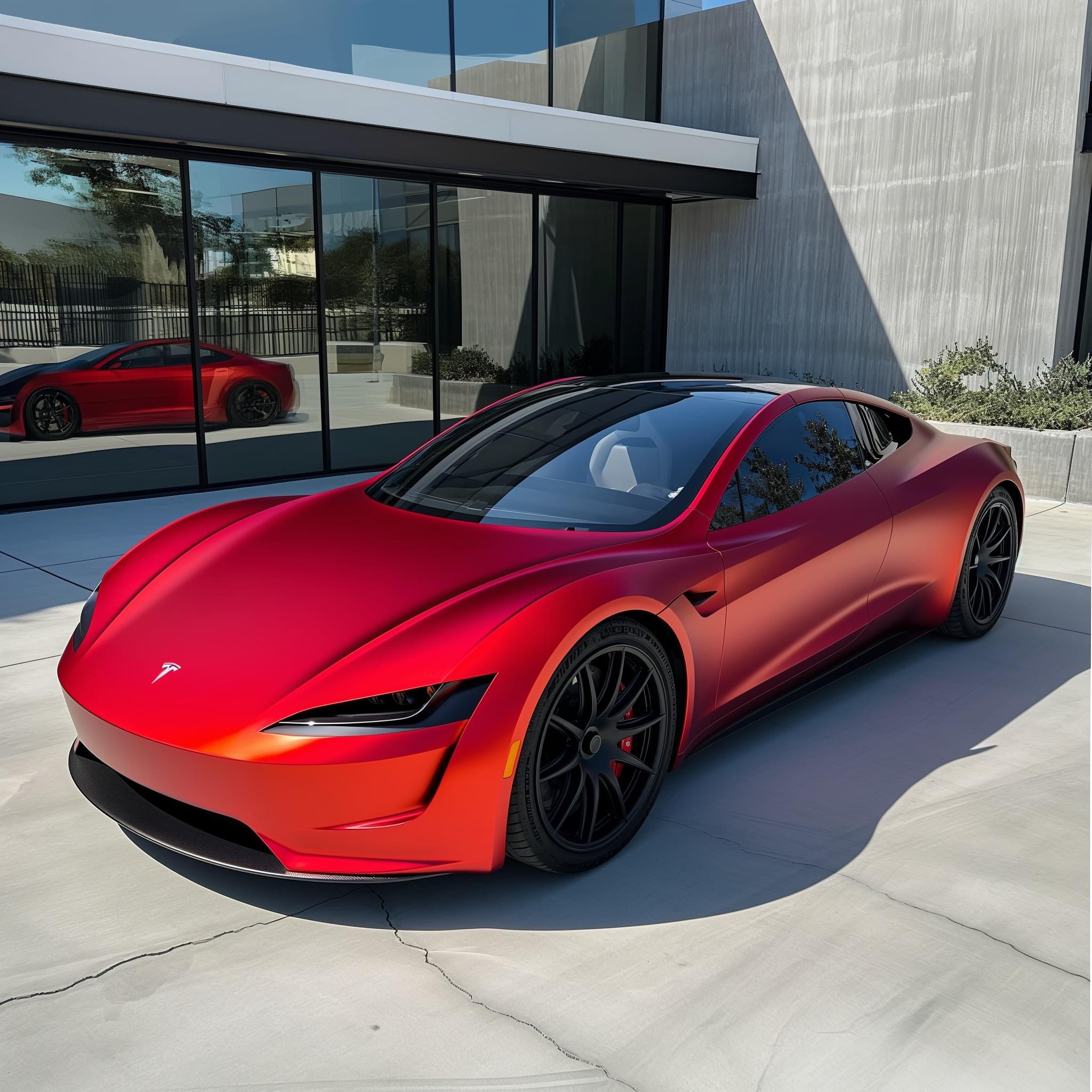
We at Tesla believe that we have a moral obligation to continue improving our already best-in-class safety systems. At the same time, we also believe it is morally indefensible not to make these systems available to a wider set of consumers, given the incontrovertible data that shows it is saving lives and preventing injury.
Regulators around the globe have a duty to protect consumers, and the Tesla team looks forward to continuing our work with them towards our common goal of eliminating as many deaths and injuries as possible on our roadways.
Below are some important facts, context and background.
Background
1. Safety metrics are emphatically stronger when Autopilot is engaged than when not engaged.
a. In the 4th quarter of 2022, we recorded one crash for every 4.85 million miles driven in which drivers were using Autopilot technology. For drivers who were not using Autopilot technology, we recorded one crash for every 1.40 million miles driven. By comparison, the most recent data available from NHTSA and FHWA (from 2021) shows that in the United States there was an automobile crash approximately every 652,000 miles.
b. The data is clear: The more automation technology offered to support the driver, the safer the driver and other road users. Anecdotes from the WaPo article come from plaintiff attorneys—cases involving significant driver misuse—and are not a substitute for rigorous analysis and billions of miles of data.
c. Recent Data continues this trend and is even more compelling. Autopilot is ~10X safer than US average and ~5X safer than a Tesla with no AP tech enabled. More detailed information will be publicly available in the near future.
2. Autopilot features, including Traffic-Aware Cruise Control and Autosteer, are SAE Level 2 driver-assist systems, meaning —
a. Whether the driver chooses to engage Autosteer or not, the driver is in control of the vehicle at all times. The driver is notified of this responsibility, consents, agrees to monitor the driving assistance, and can disengage anytime.
b. Despite the driver being responsible for control for the vehicle, Tesla has a number of additional safety measures designed to monitor that drivers engage in active driver supervision, including torque-based and camera-based monitoring. We have continued to make progress in improving these monitoring systems to reduce misuse.
c. Based on the above, among other factors, the data strongly indicates our customers are far safer by having the choice to decide when it is appropriate to engage Autopilot features. When used properly, it provides safety benefits on all road classes.
The Washington Post leverages instances of driver misuse of the Autopilot driver assist feature to suggest the system is the problem. The article got it wrong, misreporting what’s actually alleged in the pending lawsuit and omitting several important facts:
1. Contrary to the Post article, the Complaint doesn’t reference complacency or Operational Design Domain.
2. Instead, the Complaint acknowledges the harms of driver inattention, misuse, and negligence.
3. Mr. Angulo and the parents of Ms. Benavides who tragically died in the crash, first sued the Tesla driver—and settled with him—before ever pursuing a claim against Tesla.
4. The Benavides lawsuit alleges the Tesla driver “carelessly and/or recklessly” “drove through the intersection…ignoring the controlling stop sign and traffic signal.”
5. The Tesla driver didn’t blame Tesla, didn’t sue Tesla, didn’t try to get Tesla to pay on his behalf. He took responsibility.
6. The Post had the driver’s statements to police and reports that he said he was “driving on cruise.” They omit that he also admitted to police “I expect to be the driver and be responsible for this.”
7. The driver later testified in the litigation he knew Autopilot didn’t make the car self-driving and he was the driver, contrary to the Post and Angulo claims that he was mislead, over-reliant or complacent. He readily and repeatedly admitted:
a. “I was highly aware that was still my responsibility to operate the vehicle safely.”
b. He agreed it was his “responsibility as the driver of the vehicle, even with Autopilot activated, to drive safely and be in control of the vehicle at all times.”
c. “I would say specifically I was aware that the car was my responsibility. I didn’t read all these statements and passages, but I’m aware the car was my responsibility.”
8. The Post also failed to disclose that Autopilot restricted the vehicle’s speed to 45 mph (the speed limit) based on the road type, but the driver was pressing the accelerator to maintain 60 mph when he ran the stop sign and caused the crash. The car displayed an alert to the driver that, because he was overriding Autopilot with the accelerator, “Cruise control will not brake.”




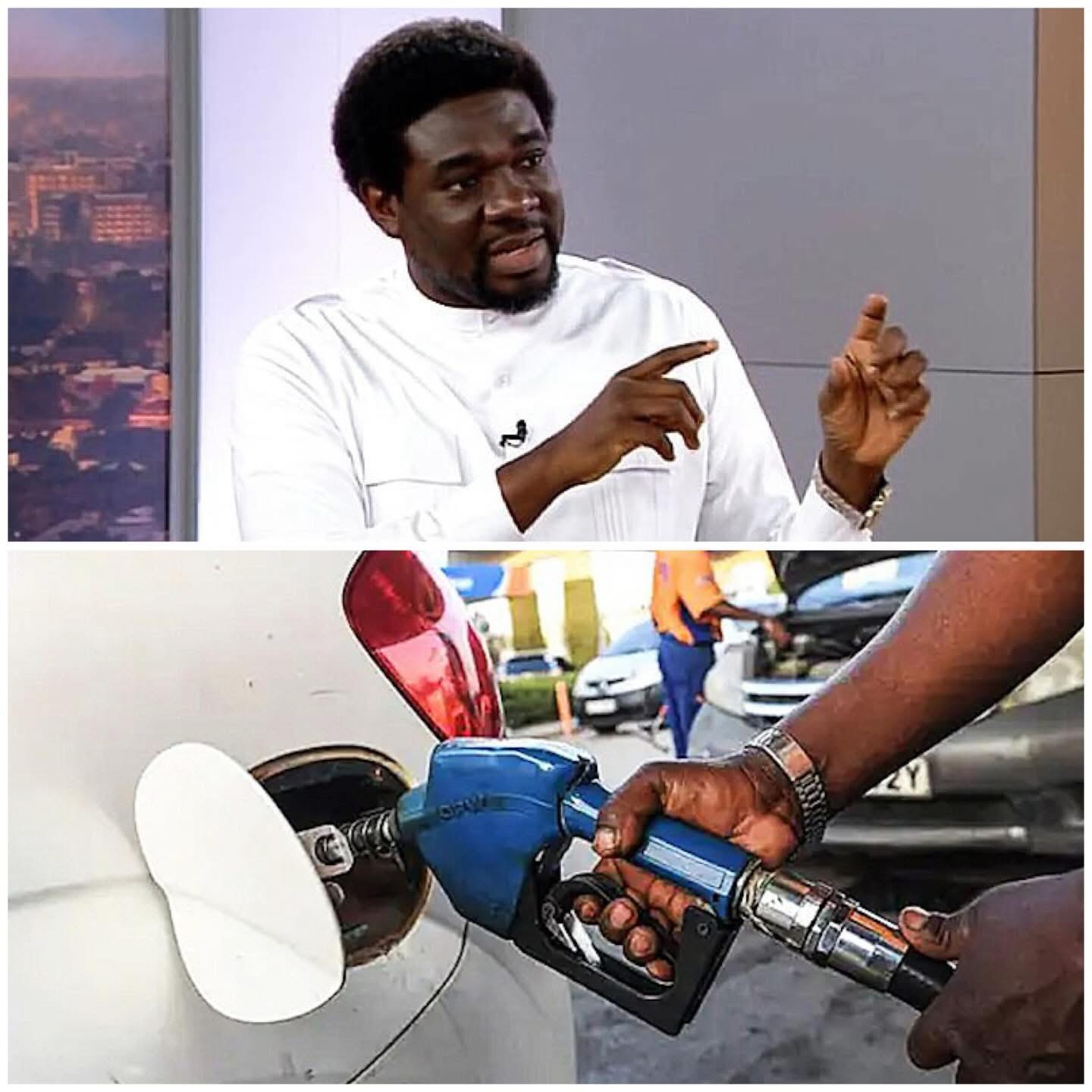
The Trade Union of Nigeria, TUC, has raised the alarm that the price of Premium Motor Spirit aka Petrol may climb to about N2,000 per litre if urgent measures are not taken to cushion the impact of rising global crude prices and the depreciating naira.
Speaking to newsmen on Thursday, April 9, the president of the TUC, Festus Osifo, called on the Federal Government to immediately deploy 60 percent of excess crude oil revenue above the 2026 budget benchmark to subsidise crude feedstock supplies to the Dangote Refinery and other modular refineries, a move it says will slash pump prices of petrol, diesel, and jet fuel within two weeks
“Today, comrades, we are seeing that the cost of petrol is edging towards N2,000 per litre depending on the part of the country that you are. Nigerian workers are already passing through excruciating pain as we speak.
The same way it is affecting transportation, it is also affecting manufacturing. The cost of diesel has also gone northward, meaning that the cost of production has increased. When production costs rise, the final price of goods on the shelves will also skyrocket.
If this continues unchecked, the inflation that we are currently celebrating as going downwards will reverse and start moving up again,” he stated.
Osifo outlined the proposal as an urgent intervention to cushion Nigerian workers from excruciating pain caused by petrol prices edging towards ₦2,000 per litre in some parts of the country
News
Cameroon’s President, Paul Biya Set To Get A Vice President For The First Time In His 43-Year Rule
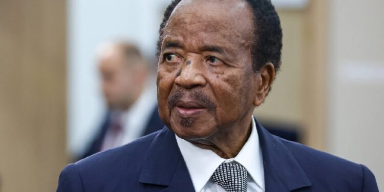
Cameroon’s president, Paul Biya, is set to get a vice president for the first time in his four-decade rule, following controversial constitutional changes backed by the parliament.
In a joint session of the ruling party-dominated National Assembly and Senate, lawmakers voted 200 to 18 in favour, with four abstentions, to pass the bill.
The bill stipulates that the vice president will automatically assume the presidency if President Paul Biya dies, resigns, or becomes incapacitated.
Biya, 93, has led the Central African country since 1982 and is the world’s oldest serving head of state. Public discussion about his health is banned.
According to the legislation, a copy of which was seen by Reuters, the vice president will be appointed and dismissed by the president, serving for the remainder of the president’s seven-year term.
However, the interim leader would be prohibited from initiating constitutional changes or running in a subsequent election.
Prior to the amendment, the constitution designated the leader of the Senate to briefly take over in case the sitting president d!es or is incapacitated. An election would then be held.
The Social Democratic Front (SDF) party, which has six representatives in parliament, boycotted the vote. It had pushed for a revision in favour of the vice-president being jointly elected with the president, rather than appointed.
The party also sought a constitutional provision that reflects the linguistic split between English and French-speaking regions. The SDF wanted the nation’s top two posts to be shared between Cameroon’s two communities, which was the position before 1972.
“This constitutional reform could have been a moment of political courage, but it is nothing less than a missed historic opportunity,” SDF chairman Joshua Osih said.
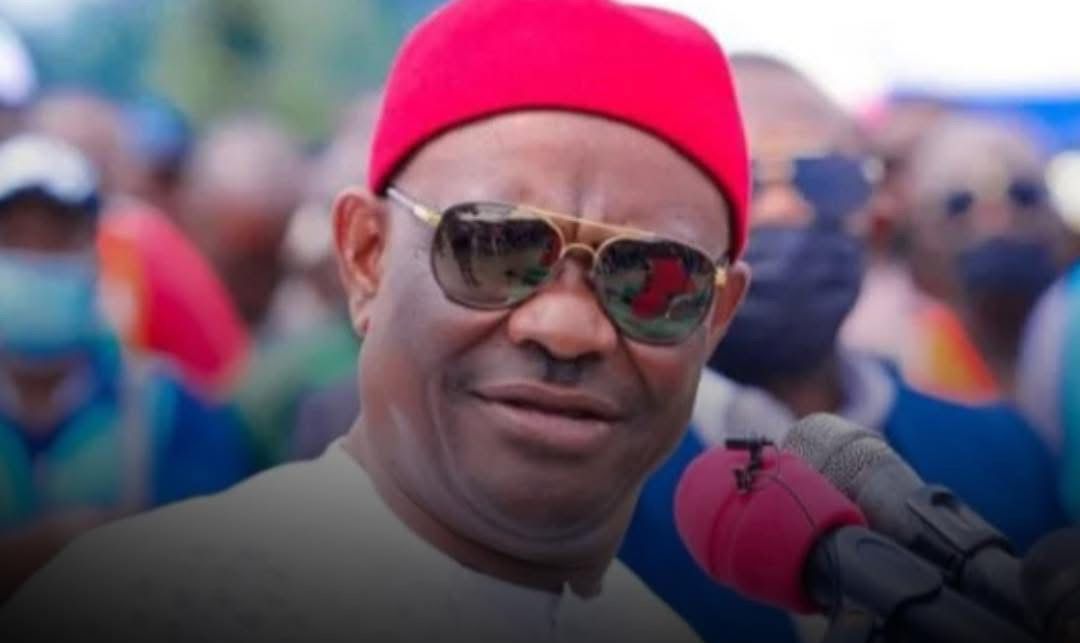
Minister of the Federal Capital Territory, Nyesom Wike, has highlighted the ongoing challenges of tax collection, pointing out the disparity between citizens’ expectations and the reality of government revenue.
Speaking with TVC NEWS live, he stressed that while Nigerians expect quality infrastructure and services, there is widespread reluctance to contribute through taxes.
On the difficulty of generating revenue, Wike said: “To collect tax, you know it’s not an easy thing. I don’t know how many of you here like to pay tax. Nigerians want everything for free. They want road, they want light. It is not easy.”
He further stated; “When I came to Abuja we were about 8, 9 billion. The money we get from the federal government is 1% of the allocation of federal government. So if federal government gets 1 trillion for example, they’ll give us one percent which is ten billion naira and that cannot carry the society. Our salary in a month is not less than 12–13 billion, so we must augment. How do we augment?”
Addressing public criticism, he added: “There’s no ab¥se that any politician has received than me. I think after the president, I’m the highest ab¥sed. There’s nothing we do that we won’t get ab¥sed. Well, what is important to me is that I want to be concentrated to do the job.”
On oversight and accountability, Wike explained how closely he monitors the finances: “The money we have gotten from tax challenge me, minister FCT, what are you doing? I’ll show you as I sit here.”

Bandits behind Ogbomoso school abduction will face full wrath of the law- President Tinubu

PDP to screen Goodluck Jonathan on Tuesday as its sole Presidential aspirant For 2027 race

Oshiomhole wins Edo APC senatorial primaries unopposed

-
Business2 years ago
US court acquits Air Peace boss, slams Mayfield $4000 fine
-

 Trending2 years ago
NYA demands release of ‘abducted’ Imo chairman, preaches good governance
-

 Politics2 years ago
Mexico’s new president causes concern just weeks before the US elections
-

 Politics2 years ago
Putin invites 20 world leaders
-

 Politics2 years ago
Russia bans imports of agro-products from Kazakhstan after refusal to join BRICS
-
Entertainment2 years ago
Bobrisky falls ill in police custody, rushed to hospital
-
Entertainment2 years ago
Bobrisky transferred from Immigration to FCID, spends night behind bars
-
Education2 years ago
GOVERNOR FUBARA APPOINTS COUNCIL MEMBERS FOR KEN SARO-WIWA POLYTECHNIC BORI