
EVENTS
This afternoon, HE President Asiwaju Bola Ahmed Tinubu GCFR, in-Council, approved a landmark policy set to transform healthcare human resource management in Nigeria.

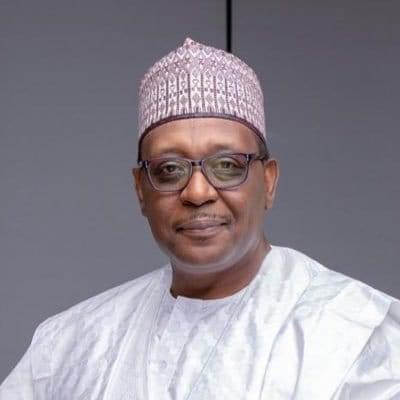
The National Policy on Health Workforce Migration addresses the critical challenges facing Nigeria’s health human resources.
As the AU Champion for Human Resources for Health and Community Health Delivery Partnership, Mr President’s commitment to a resilient and robust healthcare system is powerfully reflected in this forward-looking policy.
This policy is more than just a response to the ongoing exodus of healthcare professionals; it’s a comprehensive strategy to manage, harness, and reverse health worker migration. It envisions a thriving workforce that is well-supported, adequately rewarded, and optimally utilized to meet the healthcare needs of all Nigerians.
Central to this vision is the Nigeria Human Health Resource Program, which sets a framework for regular reviews of working conditions, ensuring that health workers, especially in rural and underserved areas, receive the recognition and rewards they deserve. By fostering an environment conducive to professional growth and stability, the policy aims to retain top talent within Nigeria.
In an increasingly digital world, integrating advanced health technologies is essential. The policy’s focus on digital health infrastructure—including Electronic Medical Records (EMR), telehealth, and a comprehensive Health Workforce Registry—marks a significant step towards a more efficient, data-driven health system. These innovations will streamline healthcare delivery and enhance the equitable distribution of health workers, ensuring access to quality care for all Nigerians.
Capacity building is at the heart of this policy. It recognizes the importance of continuous professional development, with strategic partnerships and opportunities for international training to equip our healthcare professionals with cutting-edge skills. This investment in human capital underscores our commitment to retaining and empowering our healthcare workforce.
The policy addresses the return and reintegration of Nigerian health professionals from the Diaspora. By establishing streamlined registration processes and providing attractive incentives, the policy not only encourages the return of our talented professionals but actively reintegrates them into our health system. This approach leverages the expertise of our diaspora to bridge gaps within the health sector.
Also, the policy champions reciprocal agreements with other nations to ensure that the exchange of health workers benefits Nigeria. These bilateral and multilateral agreements are designed to protect national interests while respecting the rights and aspirations of our healthcare professionals. We call on recipient countries to implement a 1:1 match—training one worker to replace every publicly trained Nigerian worker they receive.
Recognizing the importance of work-life balance, the policy includes provisions for routine health checks, mental well-being support, and reasonable working hours, especially for younger doctors. These measures aim to create a supportive work environment, reducing burnout and enhancing job satisfaction.
The governance of this policy will be overseen by the National Human Resources for Health Program (#NHRHP) within @Fmohnigeria, in collaboration with state governments. This ensures responsible implementation and alignment with broader sector-wide (#SWAp) health objectives.
With this decisive action, the National Policy on Health Workforce Migration is set to secure the future of Nigeria’s healthcare system. Under Mr. President’s leadership, this policy will further catalyze the transformation of our health sector, ensuring access to quality healthcare for all Nigerians.
As we embark on this journey, all stakeholders are invited to contribute to building a healthcare system that reflects our nation’s potential and promise.








EVENTS
EID-EL-FITR: IGP DISU FELICITATES MUSLIM FAITHFUL, ORDERS NATIONWIDE DEPLOYMENT OF TACTICAL ASSETS
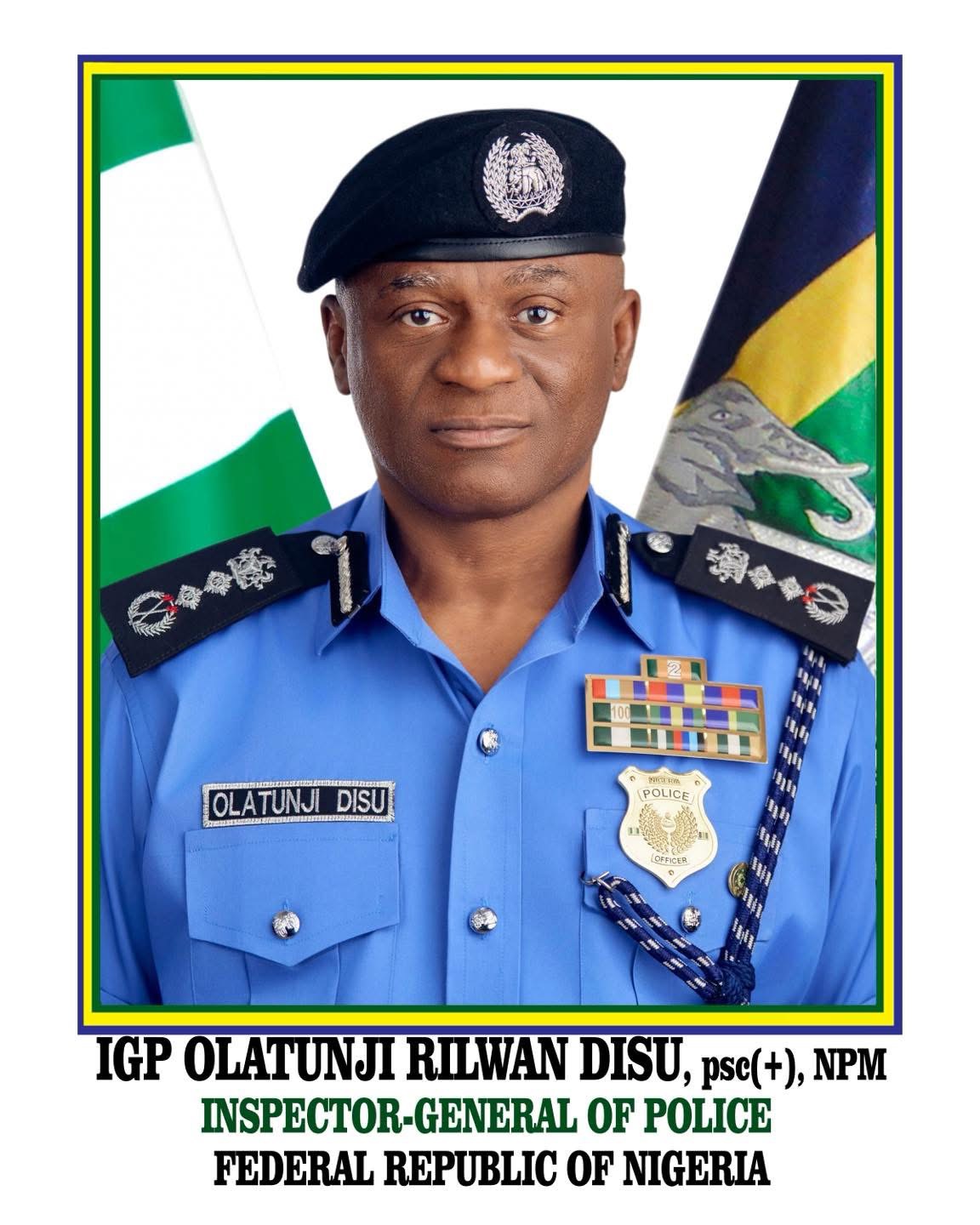
The Inspector-General of Police, IGP Olatunji Rilwan Disu, psc(+), NPM, has extended warm felicitations to the Muslim faithful across Nigeria on the successful completion of the holy month of Ramadan and the celebration of Eid-el-Fitr.
In furtherance of his commitment to ensuring a safe and secure environment during the festive period, the Inspector-General has directed Commissioners of Police and Tactical Commanders across all states of the Federation and the Federal Capital Territory to implement robust security arrangements.
Operational measures include:
Strategic deployment of tactical teams and intelligence operatives.
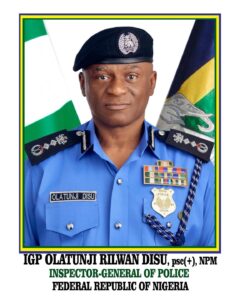
Deployment of the Special Intervention Squad and conventional police personnel to Eid prayer grounds and critical infrastructure.
Increased presence at highways, motor parks, recreational centers, and other public spaces to ensure peaceful, hitch-free celebrations.
The IGP has also ordered heightened visibility policing, coordinated patrols, enhanced surveillance operations, and intelligence-led stop-and-search duties. These actions are aimed at proactively deterring criminal activities and ensuring a swift response to any emerging threats.
IGP Disu calls on members of the public to remain vigilant, cooperate with law enforcement agencies, and promptly report any suspicious activities to the nearest police station or through the following emergency lines:
08057000001, 08057000002, 09133333785, and 09133333786.
IGP Tunji Disu wishes all Muslim faithful a peaceful and joyous Eid-el-Fitr.

DCP ANTHONY OKON PLACID psc(+) mni
Force Public Relations Officer
Force Headquarters, Abuja
20th March, 2026
EVENTS
Hon Success Opara celebrates Mothering Sunday with St. Peter women, hails them as the ‘neck that controls the household
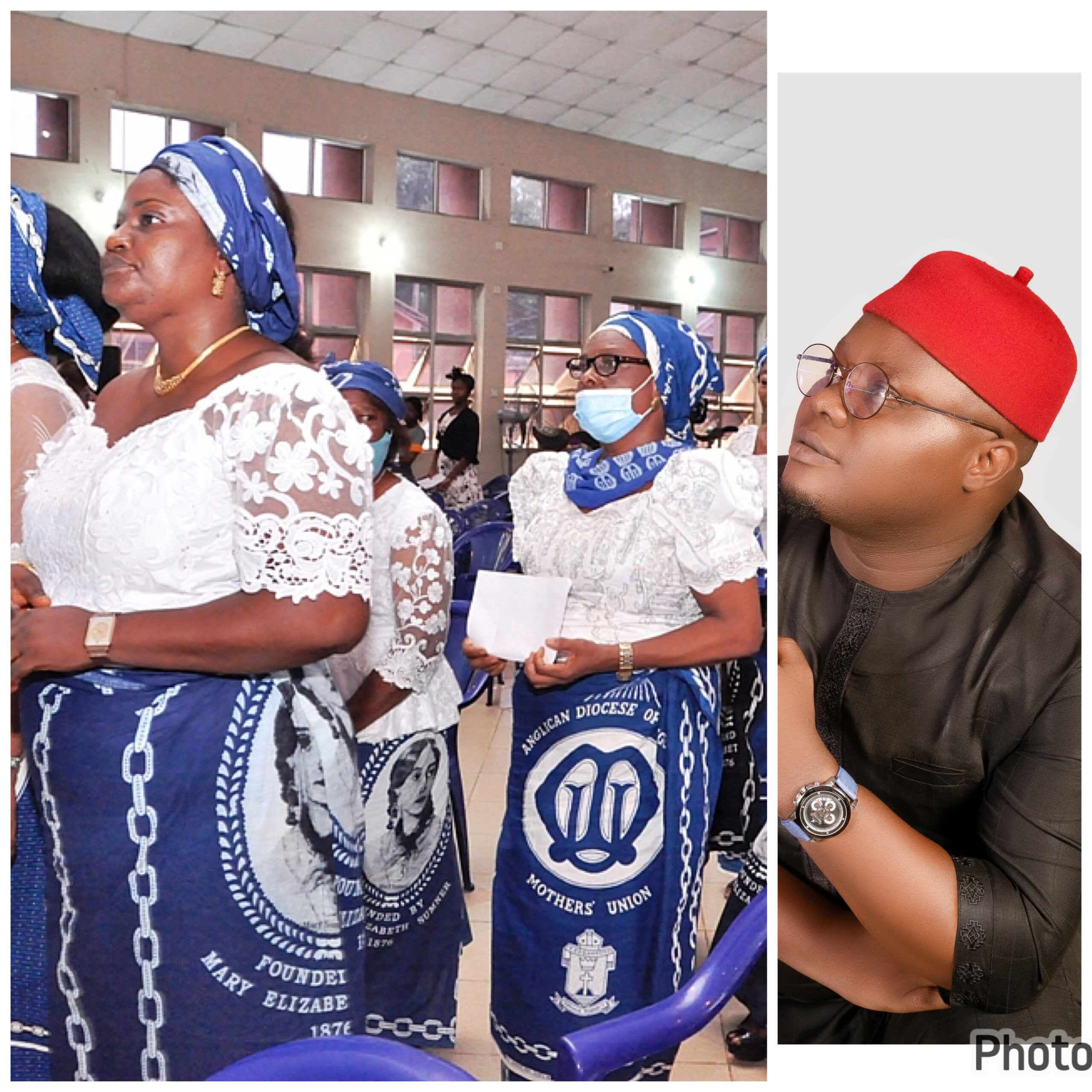
Hon Success Opara, former councilorship candidate for Ikenegbu Ward 2, celebrated Mothering Sunday with the women of St. Peter Anglican Church, Ikenegbu, extolling them as the backbone of their households.
He described them as the “neck that controls the household,” acknowledging their vital role in shaping families and communities.
Opara’s gesture is seen as a testament to his commitment to uplifting and empowering women.
The celebration, which coincided with the Christian observance of Mothering Sunday, featured fellowship and words of encouragement from Opara, who prayed for the women’s well-being.
This event highlights the importance of recognizing and appreciating mothers and mother figures in Nigerian society.
EVENTS
“Early marriage is better than fornication” – Mixed reactions as young Nigerian couple trends after welcoming a child

A young Nigerian couple are currently trending on Arewa social media circles after they welcomed their first child.
The pictures taken by a Kaduna-based photographer have sparked mixed reactions, with some people saying that the girl is underaged and not old enough to be a wife and mother.



IMO STATE LABOUR PARTY DESCENDS INTO FACTIONAL WAR

EFCC evicts Malami from Abuja home amid forfeiture dispute

Fuel price hike: Gov Makinde announces N10,000 transport support for workers

-
Business1 year ago
US court acquits Air Peace boss, slams Mayfield $4000 fine
-

 Trending1 year ago
NYA demands release of ‘abducted’ Imo chairman, preaches good governance
-

 Politics1 year ago
Mexico’s new president causes concern just weeks before the US elections
-

 Politics1 year ago
Putin invites 20 world leaders
-

 Politics1 year ago
Russia bans imports of agro-products from Kazakhstan after refusal to join BRICS
-
Entertainment1 year ago
Bobrisky falls ill in police custody, rushed to hospital
-
Entertainment1 year ago
Bobrisky transferred from Immigration to FCID, spends night behind bars
-
Education2 years ago
GOVERNOR FUBARA APPOINTS COUNCIL MEMBERS FOR KEN SARO-WIWA POLYTECHNIC BORI