
News
US MILITARY SUBMITS STRATEGY FOR INTERVENTION IN NIGERIA AS GLOBAL ATTENTION FOCUSES ON CHRISTIAN PERSECUTION.

By Prince Uwalaka Chimaroke
6- NOV- 2025
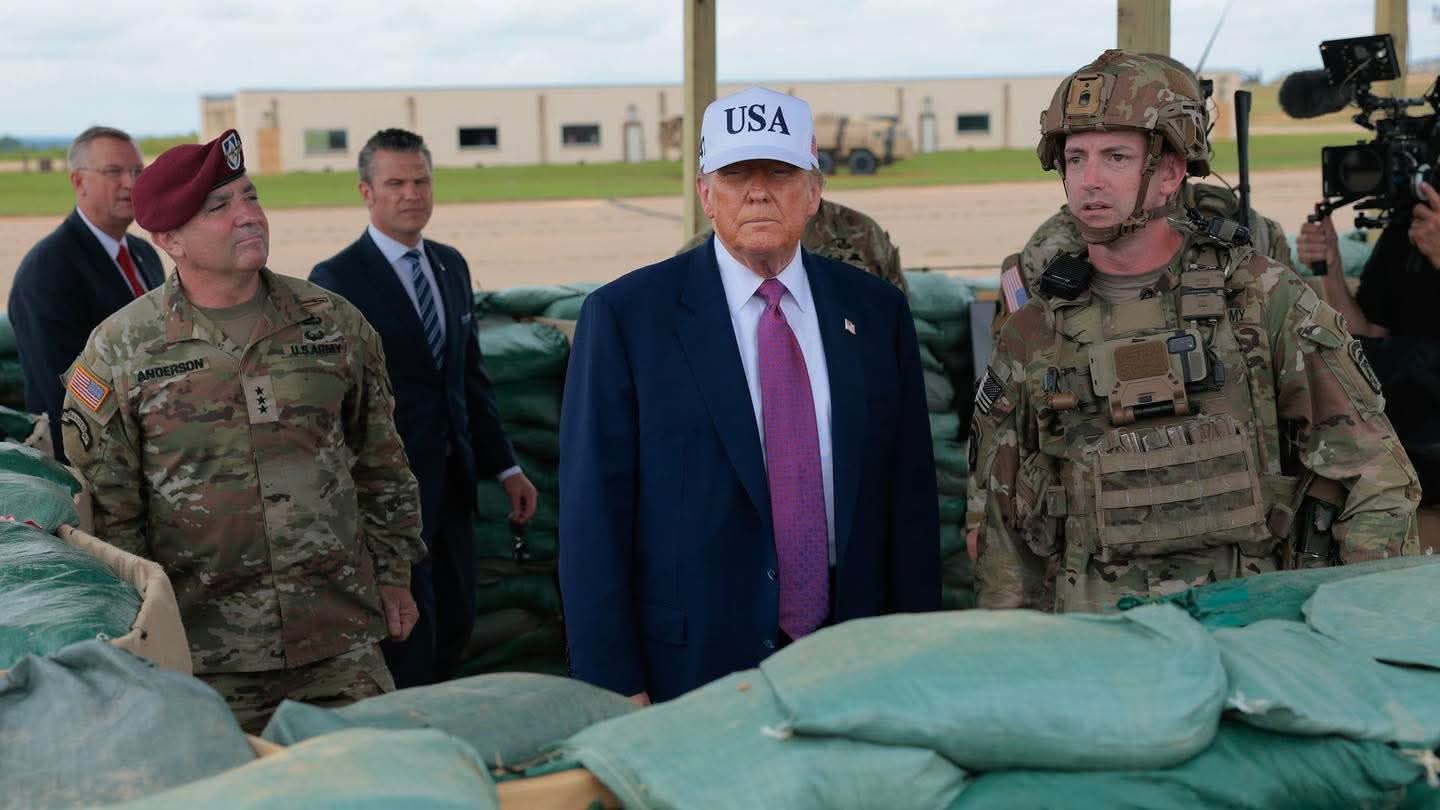
The United States military has reportedly developed strategic plans for potential action in Nigeria following directives from President Donald Trump, who has strongly condemned what he described as widespread persecution and killings of Christians in the country. This development comes amid heightened global concern over rising insecurity, religious violence, and the inability of the Nigerian government to decisively curb extremist attacks.
Reports from international media, including The New York Times, reveal that the United States Africa Command (AFRICOM) has submitted multiple operational options to the U.S. Department of War under the supervision of Secretary Pete Hegseth. These measures were prepared as part of President Trump’s directive to ensure that Christians and other vulnerable groups in Nigeria receive protection from extremist and terror-driven violence.
Military officials disclosed that one of the more moderate proposals, termed the “light option,” focuses on partner-supported operations with the Nigerian government. Under this plan, U.S. military and diplomatic experts would work alongside Nigerian forces to identify and strike terrorist networks—most notably Boko Haram, ISWAP, and other jihadist groups responsible for bombings, kidnappings, and massacres of civilians across several northern and central regions.
According to U.S. officials, the primary objective of any proposed plan is to provide protection for Christian communities, dismantle Islamist insurgent strongholds, and support long-term stability in Nigeria. President Trump has consistently argued that Christian lives are under serious threat in Nigeria, insisting that inaction would be morally unacceptable.
Last week, President Trump reiterated his position, warning that U.S. military action against Nigeria could be “fast, vicious, and sweet” if the government fails to protect its citizens. He also officially designated Nigeria as a “Country of Particular Concern (CPC),” triggering sanctions, including the suspension of arms sales and technical military support to the Nigerian government. This decision followed calls by conservative U.S. lawmakers and religious freedom advocates who accuse Nigerian authorities of ignoring attacks on Christian communities.
President Trump maintained that the United States “cannot stand by while atrocities are committed,” affirming his readiness to defend Christian populations globally. He stressed that America has both the power and responsibility to act when peaceful citizens, especially Christians, are continuously targeted.
While reviewing AFRICOM’s plans, the U.S. Department of War is reportedly weighing the operational, diplomatic, and regional implications of any form of intervention. Analysts have raised concerns about the complex nature of Nigeria’s security challenges, which are influenced not only by religious tensions but also by ethnic rivalry, land disputes, and socio-political unrest.
In regions like the Middle Belt, conflicts between farmers and herders have escalated into violent confrontations, often intensified by religious undertones. Similarly, extremist groups such as Boko Haram and ISWAP have attacked both Christians and Muslims, razed communities, abducted schoolchildren, and bombed places of worship.
Historical examples underline the scale of the crisis. In 2017, more than 50 worshippers were killed when a bomb exploded inside a mosque in Mubi, Adamawa State. In 2018, a similar attack in the same state claimed nearly 90 lives. Despite this, global concern remains particularly focused on attacks against Christian villages, churches, and missionaries.
Retired U.S. Army General Paul Eaton cautioned that a full-scale military intervention, similar to Iraq or Afghanistan, could lead to unintended consequences. He warned that such an approach might “cause more chaos than resolution,” describing it metaphorically as “pounding a pillow”—dramatic in impact but ineffective in delivering sustainable peace.
The “heavy option” within the U.S. plan reportedly involves long-range bombers and aircraft carrier groups positioned in the Gulf of Guinea. However, officials admit that the U.S. Navy’s carrier availability is limited, with major assets already committed to operations in the Pacific, Middle East, and Caribbean.
Drone strike options also face geographical challenges. Following the U.S. withdrawal from its airbases in Agadez and Niamey, Niger—which are now under Russian presence—the nearest drone deployment locations are southern Europe and Djibouti in East Africa.
Even the lighter, collaborative approach is complicated by the absence of the U.S. Agency for International Development (USAID), which was dissolved earlier in the year. USAID traditionally plays a crucial role in civilian protection, humanitarian relief, and stabilization programs in conflict zones.
Despite these challenges, many international observers and Christian advocacy groups agree that the crisis in Nigeria warrants urgent attention. They argue that the rising deaths, destruction of churches, and displacement of Christians should no longer be dismissed or minimized.
While the Nigerian government has denied allegations of religious persecution, stating that terrorism affects all citizens regardless of faith, debate continues both locally and internationally. For many, the calls for global action—whether diplomatic or military—reflect the desperation of communities who feel unheard and unprotected.



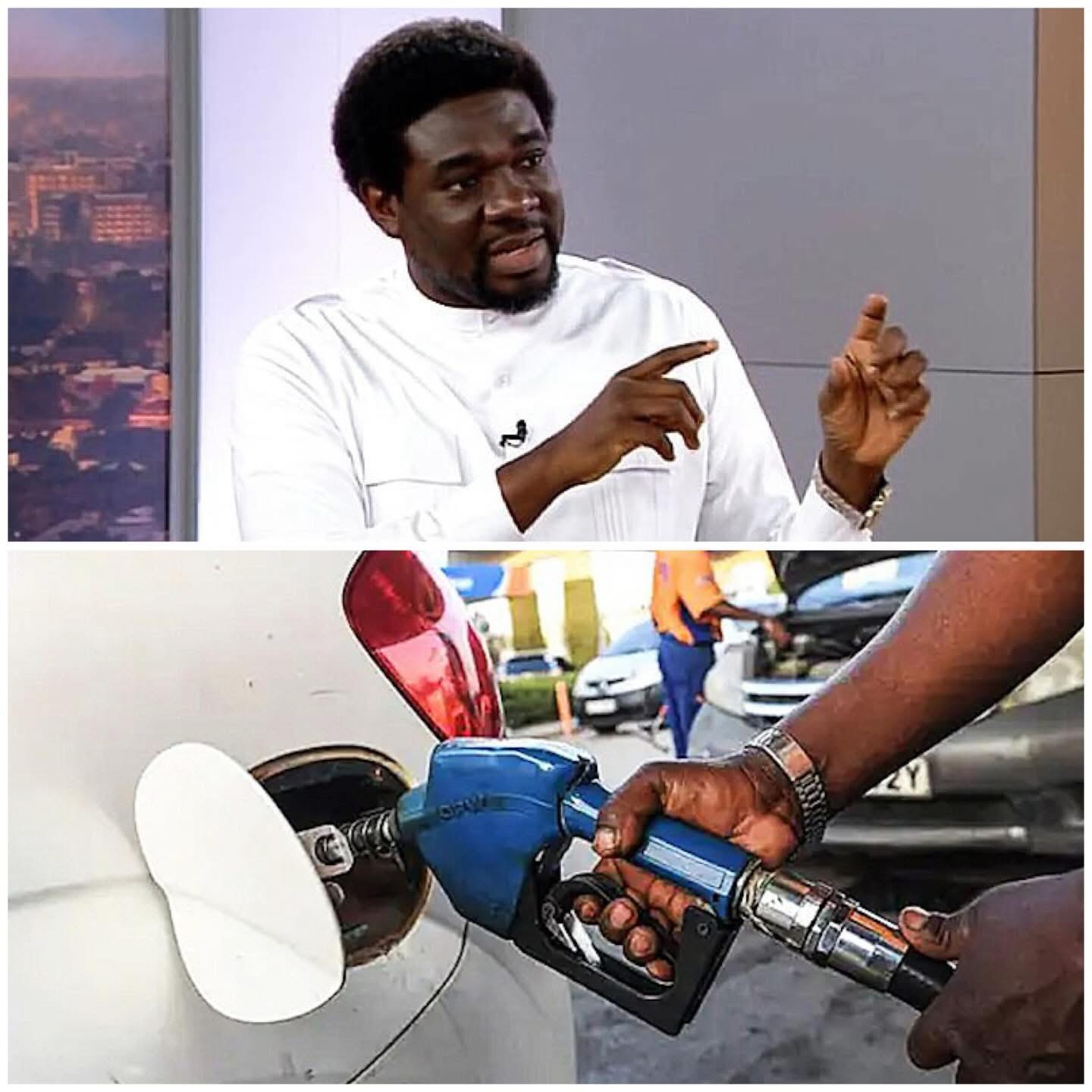
The Trade Union of Nigeria, TUC, has raised the alarm that the price of Premium Motor Spirit aka Petrol may climb to about N2,000 per litre if urgent measures are not taken to cushion the impact of rising global crude prices and the depreciating naira.
Speaking to newsmen on Thursday, April 9, the president of the TUC, Festus Osifo, called on the Federal Government to immediately deploy 60 percent of excess crude oil revenue above the 2026 budget benchmark to subsidise crude feedstock supplies to the Dangote Refinery and other modular refineries, a move it says will slash pump prices of petrol, diesel, and jet fuel within two weeks
“Today, comrades, we are seeing that the cost of petrol is edging towards N2,000 per litre depending on the part of the country that you are. Nigerian workers are already passing through excruciating pain as we speak.
The same way it is affecting transportation, it is also affecting manufacturing. The cost of diesel has also gone northward, meaning that the cost of production has increased. When production costs rise, the final price of goods on the shelves will also skyrocket.
If this continues unchecked, the inflation that we are currently celebrating as going downwards will reverse and start moving up again,” he stated.
Osifo outlined the proposal as an urgent intervention to cushion Nigerian workers from excruciating pain caused by petrol prices edging towards ₦2,000 per litre in some parts of the country
News
Cameroon’s President, Paul Biya Set To Get A Vice President For The First Time In His 43-Year Rule
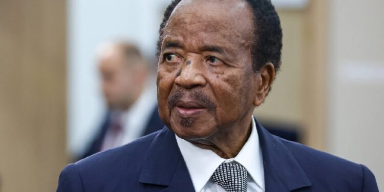
Cameroon’s president, Paul Biya, is set to get a vice president for the first time in his four-decade rule, following controversial constitutional changes backed by the parliament.
In a joint session of the ruling party-dominated National Assembly and Senate, lawmakers voted 200 to 18 in favour, with four abstentions, to pass the bill.
The bill stipulates that the vice president will automatically assume the presidency if President Paul Biya dies, resigns, or becomes incapacitated.
Biya, 93, has led the Central African country since 1982 and is the world’s oldest serving head of state. Public discussion about his health is banned.
According to the legislation, a copy of which was seen by Reuters, the vice president will be appointed and dismissed by the president, serving for the remainder of the president’s seven-year term.
However, the interim leader would be prohibited from initiating constitutional changes or running in a subsequent election.
Prior to the amendment, the constitution designated the leader of the Senate to briefly take over in case the sitting president d!es or is incapacitated. An election would then be held.
The Social Democratic Front (SDF) party, which has six representatives in parliament, boycotted the vote. It had pushed for a revision in favour of the vice-president being jointly elected with the president, rather than appointed.
The party also sought a constitutional provision that reflects the linguistic split between English and French-speaking regions. The SDF wanted the nation’s top two posts to be shared between Cameroon’s two communities, which was the position before 1972.
“This constitutional reform could have been a moment of political courage, but it is nothing less than a missed historic opportunity,” SDF chairman Joshua Osih said.
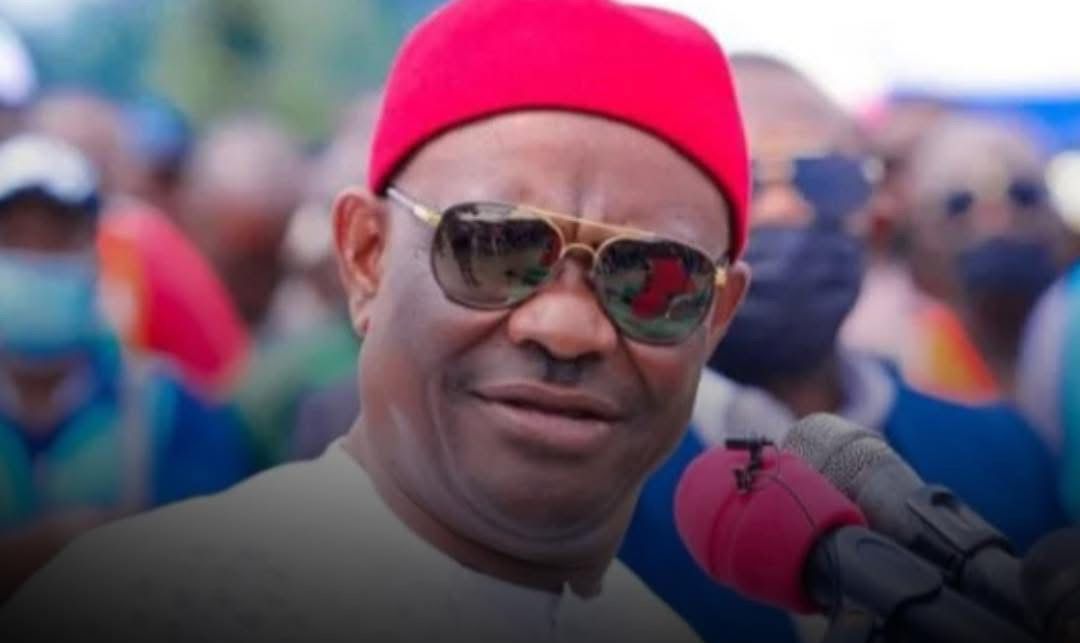
Minister of the Federal Capital Territory, Nyesom Wike, has highlighted the ongoing challenges of tax collection, pointing out the disparity between citizens’ expectations and the reality of government revenue.
Speaking with TVC NEWS live, he stressed that while Nigerians expect quality infrastructure and services, there is widespread reluctance to contribute through taxes.
On the difficulty of generating revenue, Wike said: “To collect tax, you know it’s not an easy thing. I don’t know how many of you here like to pay tax. Nigerians want everything for free. They want road, they want light. It is not easy.”
He further stated; “When I came to Abuja we were about 8, 9 billion. The money we get from the federal government is 1% of the allocation of federal government. So if federal government gets 1 trillion for example, they’ll give us one percent which is ten billion naira and that cannot carry the society. Our salary in a month is not less than 12–13 billion, so we must augment. How do we augment?”
Addressing public criticism, he added: “There’s no ab¥se that any politician has received than me. I think after the president, I’m the highest ab¥sed. There’s nothing we do that we won’t get ab¥sed. Well, what is important to me is that I want to be concentrated to do the job.”
On oversight and accountability, Wike explained how closely he monitors the finances: “The money we have gotten from tax challenge me, minister FCT, what are you doing? I’ll show you as I sit here.”

2027: More Than 50 Lawmakers Lose APC Reps Tickets in Major Primary Election

Bandits behind Ogbomoso school abduction will face full wrath of the law- President Tinubu

PDP to screen Goodluck Jonathan on Tuesday as its sole Presidential aspirant For 2027 race

-
Business2 years ago
US court acquits Air Peace boss, slams Mayfield $4000 fine
-

 Trending2 years ago
NYA demands release of ‘abducted’ Imo chairman, preaches good governance
-

 Politics2 years ago
Mexico’s new president causes concern just weeks before the US elections
-

 Politics2 years ago
Putin invites 20 world leaders
-

 Politics2 years ago
Russia bans imports of agro-products from Kazakhstan after refusal to join BRICS
-
Entertainment2 years ago
Bobrisky falls ill in police custody, rushed to hospital
-
Entertainment2 years ago
Bobrisky transferred from Immigration to FCID, spends night behind bars
-
Education2 years ago
GOVERNOR FUBARA APPOINTS COUNCIL MEMBERS FOR KEN SARO-WIWA POLYTECHNIC BORI