
EVENTS
When attending a U.S. visa interview, the questions can vary depending on the type of visa you are applying for (e.g., tourist visa, student visa, work visa, etc.), but there are some common questions that are typically asked across different visa categories. Here are some questions you may encounter:


When attending a U.S. visa interview, the questions can vary depending on the type of visa you are applying for (e.g., tourist visa, student visa, work visa, etc.), but there are some common questions that are typically asked across different visa categories. Here are some questions you may encounter:
General Questions:
1. Why do you want to go to the United States?
– The officer wants to understand your purpose of travel, whether it’s for tourism, study, work, or something else.
2. What will you do in the U.S.?
– Be clear and specific about your plans.
3. How long do you plan to stay in the U.S.?
– Provide the exact duration of your stay based on your visa type.
4. Who is funding your trip?
– Be prepared to show proof of financial support, whether it’s your own funds or a sponsor.
5. Do you have relatives in the U.S.?
– If you do, the officer may ask about their relationship to you and their status in the U.S.
6. What is your current occupation?
– They may ask about your job or educational background.
7. Do you plan to return to your home country?
– They want to ensure that you have strong ties to your home country, such as a job, family, or property, that will motivate you to return after your stay.
8. Have you ever been to the U.S. before?
– If yes, they may ask about the purpose of your previous visits.
Student Visa (F-1):
1. Why did you choose this particular university or school?
– Explain why you selected this institution, and mention any academic programs or research that interests you.
2. How will you pay for your education and living expenses in the U.S.?
– You may need to provide financial evidence, such as bank statements, affidavits of support, or scholarships.
3. What is your academic background?
– Discuss your previous studies and how they relate to your course of study in the U.S.
4. What are your plans after completing your studies?
– The officer may ask about your long-term goals, including whether you plan to return to your home country.
Tourist Visa (B-2):
1. What places do you plan to visit in the U.S.?
– Be prepared to provide a rough itinerary for your trip.
2. How do you plan to support yourself financially during your stay?
– You may need to provide financial documents such as bank statements or evidence of income.
3. What ties do you have to your home country?
– The goal is to prove that you will return home after your visit, so mention your job, family, or other obligations.
4. Do you have travel insurance?
– This is optional but may be asked.
Work Visa (H-1B, L-1, etc.):
1. What is your job in the U.S.?
– Describe your role, employer, and the nature of your work.
2. Why are you being transferred to the U.S. or hired by a U.S. company?
– For transfer visas, be prepared to explain why your skills are needed in the U.S. and why your company has chosen to bring you over.
3. What is your salary or compensation package in the U.S.?
– You may be asked about the terms of your employment.
4. How long do you intend to stay in the U.S.?
– This will typically depend on the duration of your work contract.
Visa Denial or Refusal:
If your visa is denied, the officer might provide a brief explanation, but they are not required to go into detail. The most common reasons for refusal are insufficient evidence of ties to your home country or failure to meet the visa eligibility requirements.
Tips:
– Be honest in your answers; dishonesty can lead to a visa denial.
– Be clear and concise.Don’t give unnecessary details, but do answer the questions directly.
– Be prepared with documentation that supports your answers (financial documents, letters from schools or employers, etc.).
– Stay calm and composed.The visa interview can be stressful, but remain polite and confident.
Good luck on your interview.
EVENTS
EID-EL-FITR: IGP DISU FELICITATES MUSLIM FAITHFUL, ORDERS NATIONWIDE DEPLOYMENT OF TACTICAL ASSETS
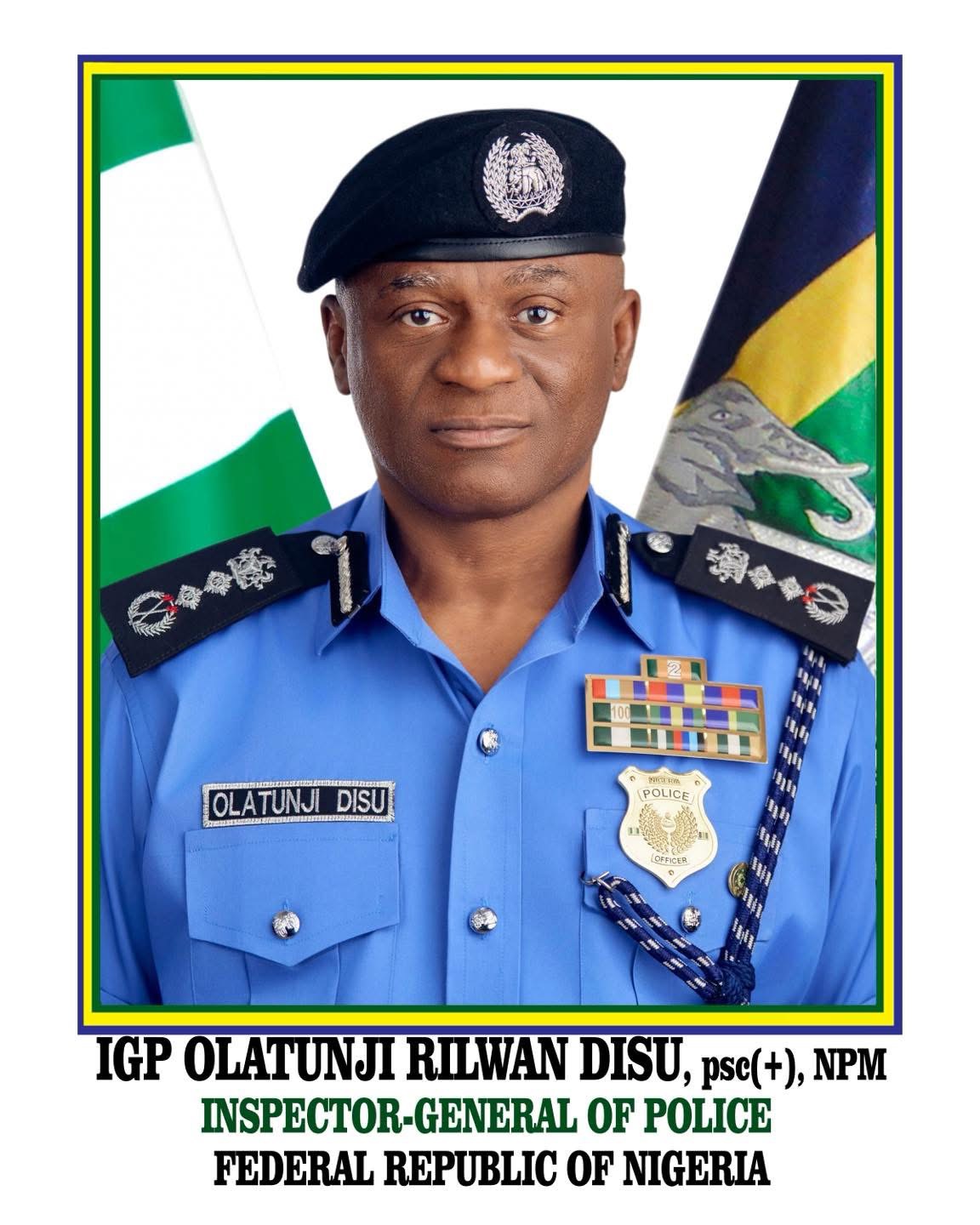
The Inspector-General of Police, IGP Olatunji Rilwan Disu, psc(+), NPM, has extended warm felicitations to the Muslim faithful across Nigeria on the successful completion of the holy month of Ramadan and the celebration of Eid-el-Fitr.
In furtherance of his commitment to ensuring a safe and secure environment during the festive period, the Inspector-General has directed Commissioners of Police and Tactical Commanders across all states of the Federation and the Federal Capital Territory to implement robust security arrangements.
Operational measures include:
Strategic deployment of tactical teams and intelligence operatives.
Deployment of the Special Intervention Squad and conventional police personnel to Eid prayer grounds and critical infrastructure.
Increased presence at highways, motor parks, recreational centers, and other public spaces to ensure peaceful, hitch-free celebrations.
The IGP has also ordered heightened visibility policing, coordinated patrols, enhanced surveillance operations, and intelligence-led stop-and-search duties. These actions are aimed at proactively deterring criminal activities and ensuring a swift response to any emerging threats.
IGP Disu calls on members of the public to remain vigilant, cooperate with law enforcement agencies, and promptly report any suspicious activities to the nearest police station or through the following emergency lines:
08057000001, 08057000002, 09133333785, and 09133333786.
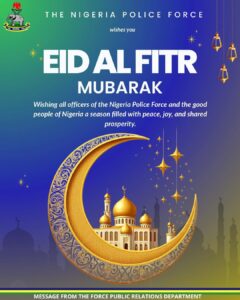
IGP Tunji Disu wishes all Muslim faithful a peaceful and joyous Eid-el-Fitr.
DCP ANTHONY OKON PLACID psc(+) mni
Force Public Relations Officer
Force Headquarters, Abuja
20th March, 2026
EVENTS
Hon Success Opara celebrates Mothering Sunday with St. Peter women, hails them as the ‘neck that controls the household
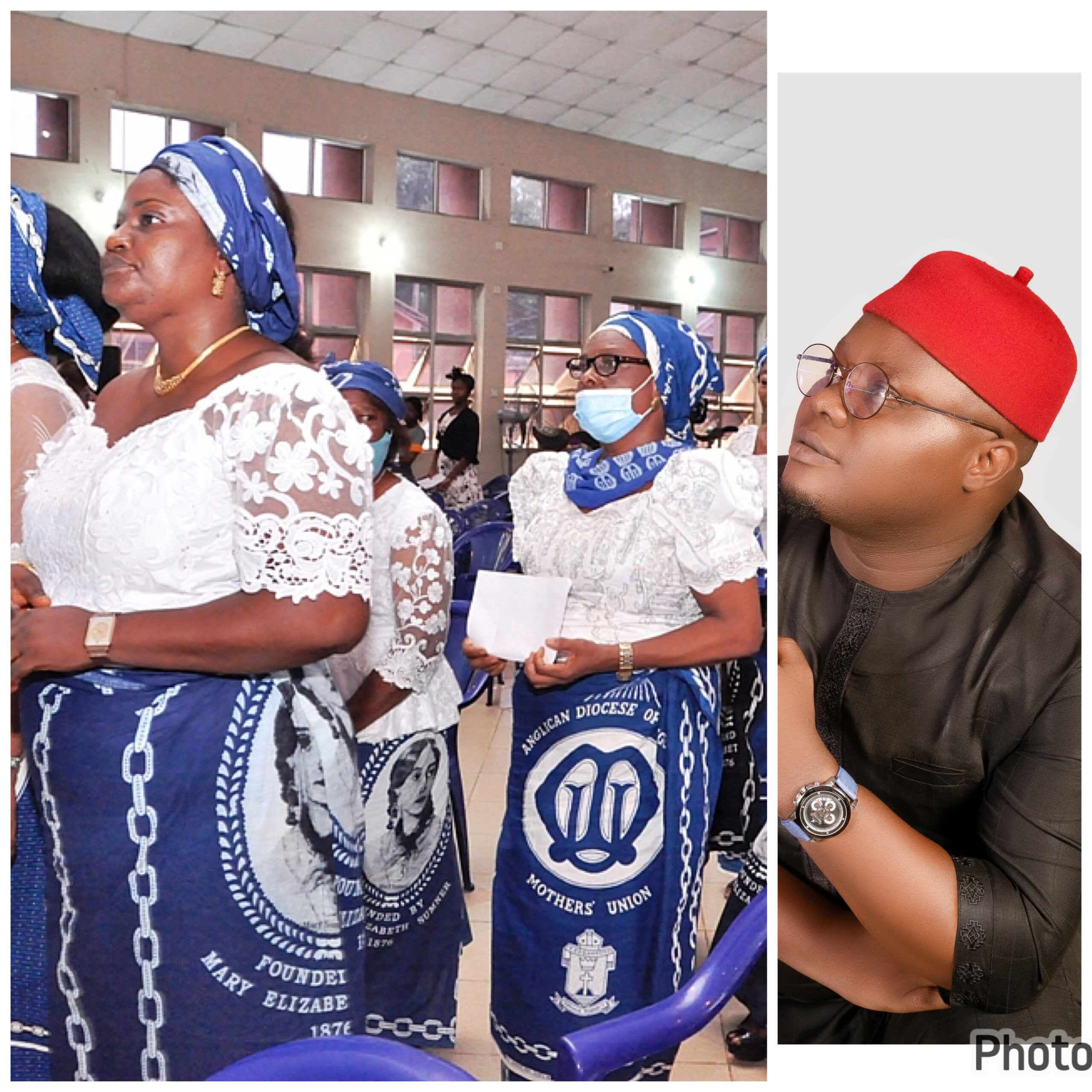
Hon Success Opara, former councilorship candidate for Ikenegbu Ward 2, celebrated Mothering Sunday with the women of St. Peter Anglican Church, Ikenegbu, extolling them as the backbone of their households.
He described them as the “neck that controls the household,” acknowledging their vital role in shaping families and communities.
Opara’s gesture is seen as a testament to his commitment to uplifting and empowering women.
The celebration, which coincided with the Christian observance of Mothering Sunday, featured fellowship and words of encouragement from Opara, who prayed for the women’s well-being.
This event highlights the importance of recognizing and appreciating mothers and mother figures in Nigerian society.
EVENTS
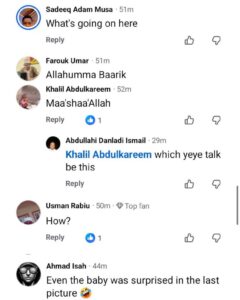
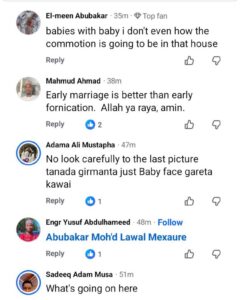
“Early marriage is better than fornication” – Mixed reactions as young Nigerian couple trends after welcoming a child
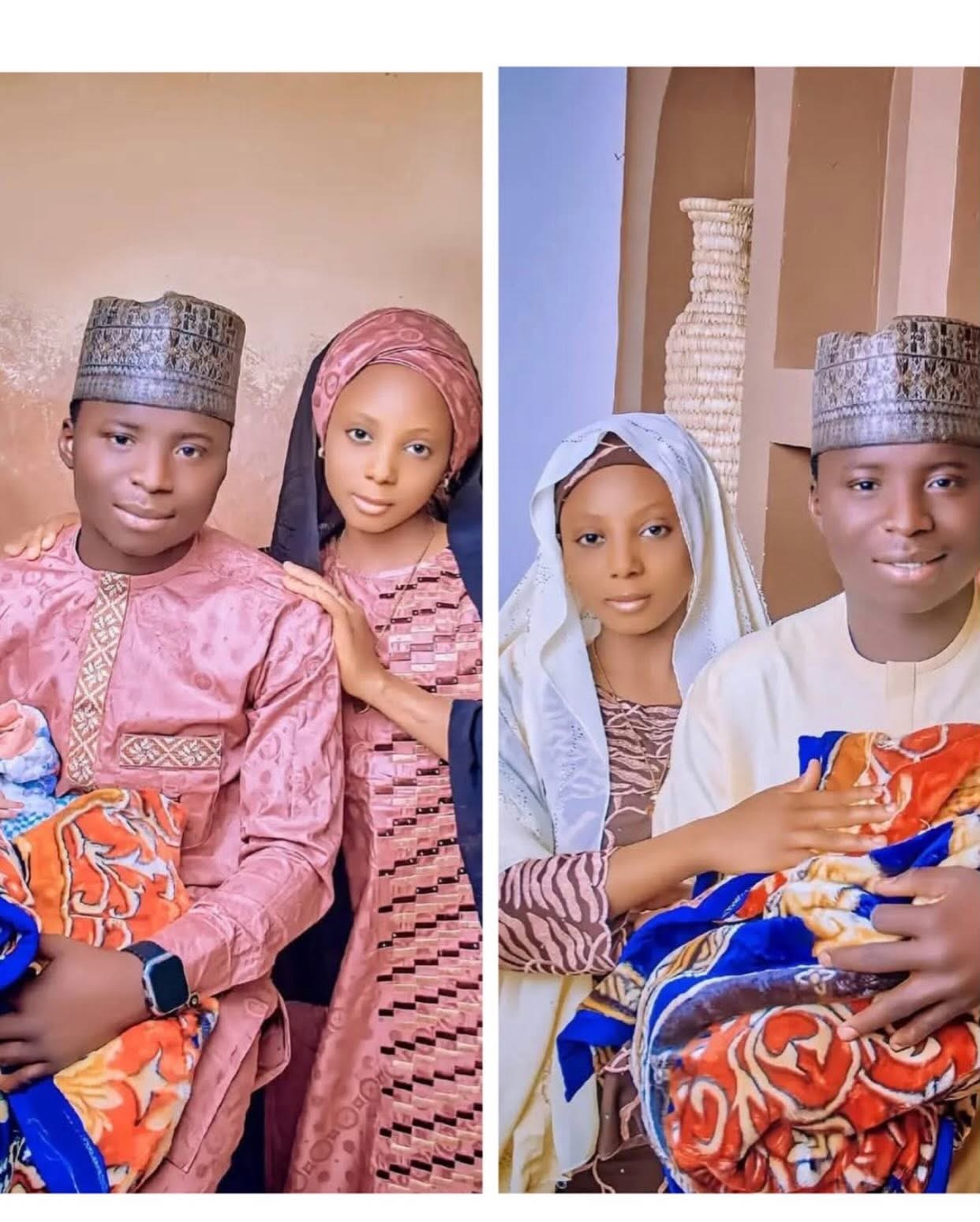
A young Nigerian couple are currently trending on Arewa social media circles after they welcomed their first child.
The pictures taken by a Kaduna-based photographer have sparked mixed reactions, with some people saying that the girl is underaged and not old enough to be a wife and mother.

David Mark Holds Secret Meeting With PRP Leaders as ADC Crisis Deepens

Chaos As Military Officers Exchange Blows During Tinubu’s Visit To Bayelsa (Videos)

HRH Ekwueme of Ochia Kingdom Iynched & kiIIed in Imo.

-
Business1 year ago
US court acquits Air Peace boss, slams Mayfield $4000 fine
-

 Trending1 year ago
NYA demands release of ‘abducted’ Imo chairman, preaches good governance
-

 Politics1 year ago
Mexico’s new president causes concern just weeks before the US elections
-

 Politics1 year ago
Putin invites 20 world leaders
-

 Politics1 year ago
Russia bans imports of agro-products from Kazakhstan after refusal to join BRICS
-
Entertainment1 year ago
Bobrisky falls ill in police custody, rushed to hospital
-
Entertainment1 year ago
Bobrisky transferred from Immigration to FCID, spends night behind bars
-
Education2 years ago
GOVERNOR FUBARA APPOINTS COUNCIL MEMBERS FOR KEN SARO-WIWA POLYTECHNIC BORI