
News
1967 Biafran War Was To Stop Secession, Not Targeted At Igbos – Ex-Head Of State Gowon

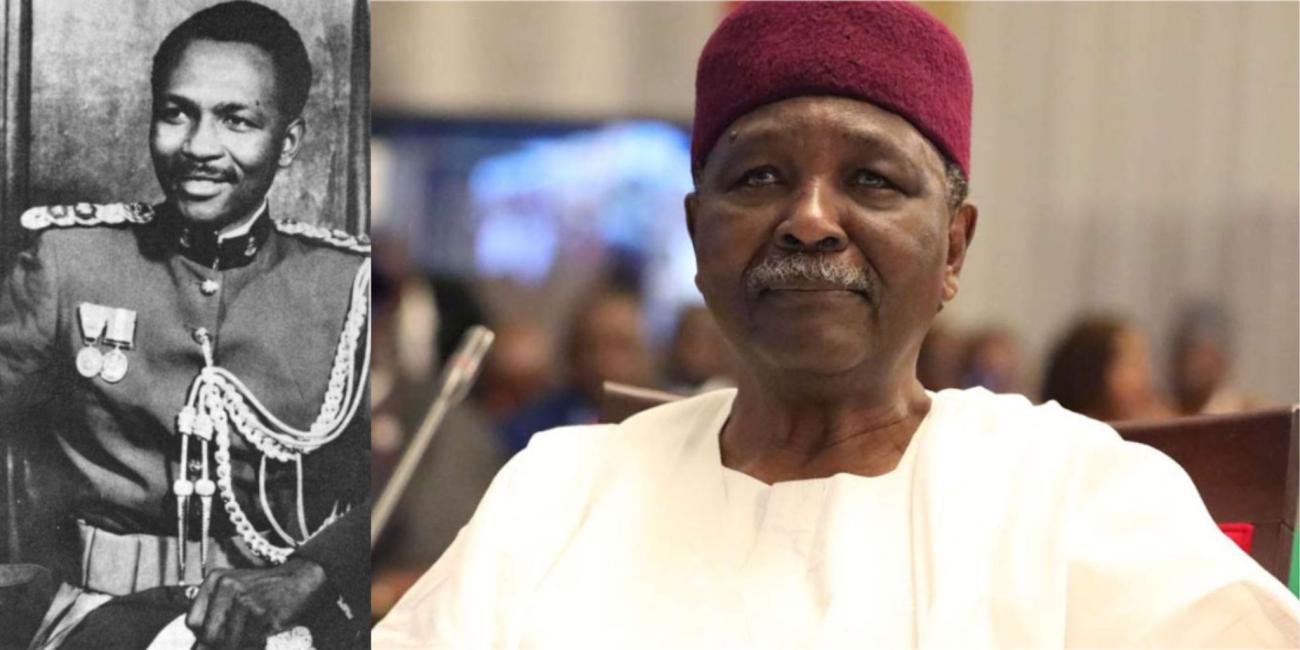
Speaking during an interview on Arise News, Gowon explained that the war effort under his leadership was directed at stopping secession and preserving the country’s unity, not targeting any ethnic group.
Former Nigerian Head of State, General Yakubu Gowon (retd.), has insisted that the Biafra War was never aimed at the Igbo people but rather against those who took up arms to break Nigeria apart.
Speaking during an interview on Arise News, Gowon explained that the war effort under his leadership was directed at stopping secession and preserving the country’s unity, not targeting any ethnic group.
He said the Nigerian military was given strict orders to protect civilians, especially women and children, while engaging only those who posed a threat by taking up arms against the government.
“I had a responsibility and duty as a loyal Nigerian to keep the country whole. From the beginning, I ensured that this was not a war against Igbos as such, but one to stop the breaking up of Nigeria.”
“I gave a code of conduct of how the operations were to go; soldiers on the Nigerian side were to protect the people, especially women and children, and take up arms only against those who had taken arms against them. The number of people who were casualties of the war is not in millions. The other side also refused all attempts to send aid into their camp.”
“I think I have said that if the East does not break up from Nigeria, yes, and that was what I kept on saying, what I keep on saying, that if the East does not break up from Nigeria, I say, no, I have a responsibility to keep Nigeria, and as far as I’m concerned, that is my teaching.”
“And I won’t, but if the situation gets to this stage, when I have to choose between allowing the people to break up, you know, or having people to stop it, well, it would freeze the country. You know, I know where my responsibility is, because I have my loyalty, that loyalty, to the country.”
It could be recalled that the Biafra War, also known as the Nigerian Civil War, lasted from July 6, 1967, to January 13, 1970.
It began after the Eastern Region of Nigeria, led by Lt. Colonel Odumegwu Ojukwu, declared independence as the Republic of Biafra following ethnic violence and political unrest, especially against the Igbo people.
The Nigerian government under Gowon rejected the secession, leading to a brutal conflict. The war caused widespread devastation, particularly in Biafra, where a blockade led to mass starvation.
Over 1million civilians, mostly children, died from hunger and disease, and total casualties are estimated between one and three million.
Despite strong resistance, Biafra surrendered in January 1970. The federal government declared “no victor, no vanquished” and initiated a reconciliation process.
However, the war left deep scars and long-lasting ethnic and regional tensions in Nigeria, especially among the Igbo, who felt marginalised before, during, and after the conflict.
Biafra War Not Fight Against Igbos, But Secessionists Carrying Arms Against Governments – Gowon
I had a responsibility and duty as a loyal Nigerian to keep the country whole. From the beginning, I ensured that this was not a war against Igbos as such, but one to stop the… pic.twitter.com/FIutx639T7
— ARISE NEWS (@ARISEtv) June 18, 2025
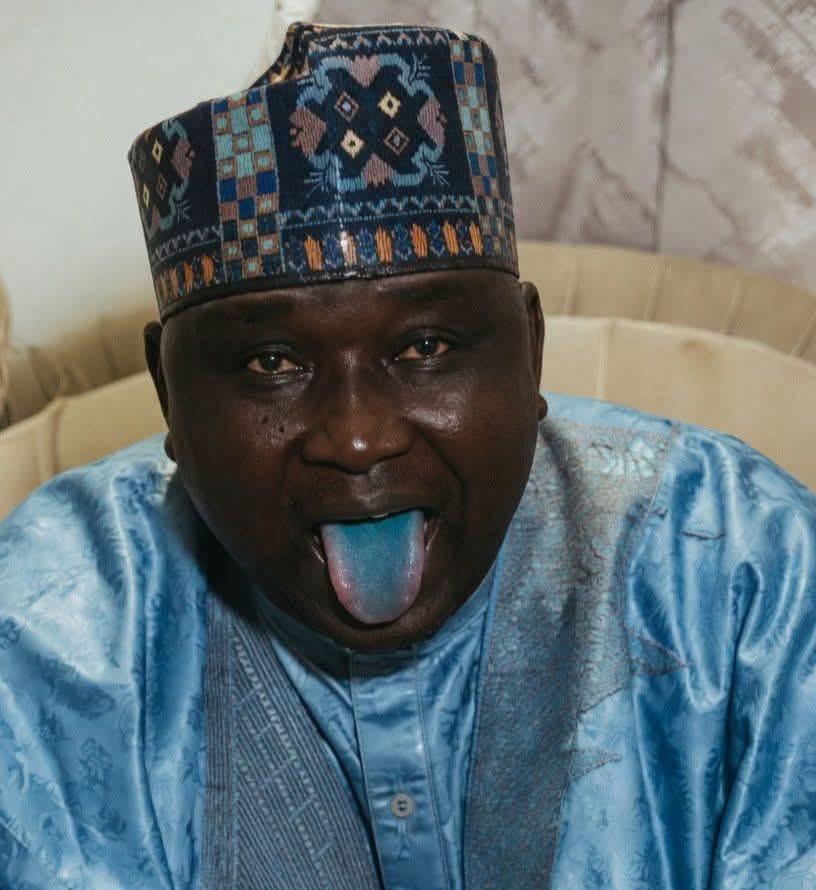
He said, “The claim that I was taking drvgs or p;lls is nothing but the work of the d£vil and my political en3mies. What was actually in my mouth was just sweet blue candy.”
Hon. Alhassan Ado Doguwa is a Member of the House of Representatives representing the Tudun Wada/Doguwa Federal Constituency in Kano State under the All Progressives Congress (APC)..
What do you think???

Alaoji Plant Returns To National Grid
The Niger Delta Power Holding Company has restored the 450-megawatt Alaoji Open Cycle Power Plant in Abia State after it remained shut for three years.
The facility had stopped operations due to gas supply problems, debt issues and disagreements over metering.
The shutdown had affected output from the national grid for more than 36 months.
Officials explained that efforts were made to resolve the long-running disputes and stabilise gas supply before restarting operations at the plant.
The restoration is also expected to support businesses and industries relying on stable electricity.
The Alaoji facility is one of the major power plants in the country and plays a role in boosting energy distribution across several regions.
Its return comes as authorities continue pushing for better electricity generation nationwide.
News
𝗛𝗢𝗡. 𝗧𝗢𝗦𝗞𝗔 𝗖𝗢𝗡𝗗𝗘𝗠𝗡𝗦 𝗧𝗛𝗘 𝗞𝗜𝗟𝗟𝗜𝗡𝗚𝗦, 𝗞𝗜𝗗𝗡𝗔𝗣𝗣𝗜𝗡𝗚𝗦 𝗔𝗡𝗗 𝗥𝗔𝗣𝗘𝗦 𝗜𝗡 𝗜𝗛𝗜𝗔𝗚𝗪𝗔, 𝗢𝗕𝗜𝗕𝗜𝗘𝗭𝗘𝗡𝗔, 𝗘𝗭𝗜𝗢𝗕𝗢𝗗𝗢, 𝗘𝗠𝗘𝗔𝗕𝗜𝗔𝗠, 𝗢𝗞𝗢𝗟𝗢𝗖𝗛𝗜, 𝗨𝗠𝗨𝗚𝗨𝗠𝗔, 𝗔𝗩𝗨 𝗔𝗡𝗗 𝗢𝗧𝗛𝗘𝗥 𝗖𝗢𝗠𝗠𝗨𝗡𝗜𝗧𝗜𝗘𝗦: 𝗖𝗔𝗟𝗟𝗦 𝗙𝗢𝗥 𝗜𝗠𝗠𝗘𝗗𝗜𝗔𝗧𝗘 𝗖𝗘𝗦𝗦𝗔𝗧𝗜𝗢𝗡
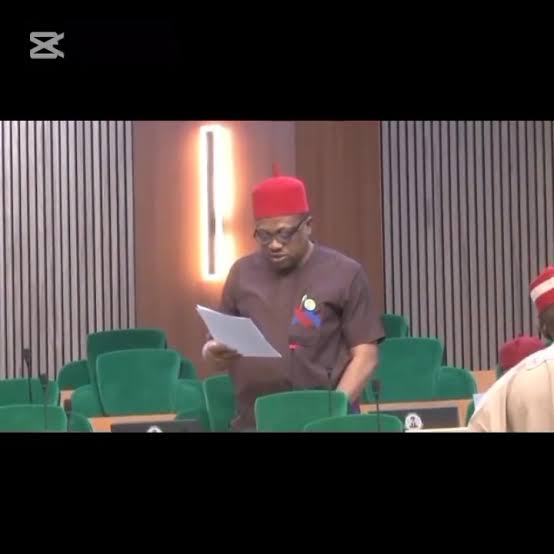
Hon. Sir Tochukwu Okere(TOSKA), Member Representing Owerri Federal Constituency, has strongly condemned the incessant gruesome killings, kidnappings, rapes and violent attacks carried out by unscrupulous and criminal elements terrorizing communities within Owerri Federal Constituency, especially in Ihiagwa, Obibiezena, Eziobodo, Emeabiam, Okolochi, Umuguma, Avu and other neighbouring communities.
The recent killings of vigilante operatives and innocent constituents at Umuguma and Ihiagwa call for urgent and deterrent response by our security agencies.
In a passionate motion raised before the Federal House of Representatives, Hon. Okere called on the Federal Government of Nigeria and relevant security agencies to immediately deploy adequate security personnel to the affected communities and take decisive actions against the worsening insecurity threatening the lives and properties of his people.
According to him, the continuous attacks on harmless villagers, farmers, women and youths can no longer be tolerated under any guise.
“I urge the Federal Government of Nigeria to urgently look into this motion and act swiftly before more innocent lives are lost. Our people deserve to live and to live in peace without fear of being kidnapped, raped or butchered in their own communities,” Hon. TOSKA stressed.
The lawmaker further emphasized that the people of Owerri Federal Constituency will not fold their arms and watch criminals continue to unleash terror across Ihiagwa, Obibiezena, Eziobodo, Emebiam, Okolochi, Umuguma, Avu and other communities while families continue to mourn their loved ones daily.
This courageous move by Hon. Sir Tochukwu Okere has continued to attract commendations from constituents who describe his intervention as timely, bold and people-oriented.
Hon. Okere is the light and the voice of Owerri Federal Constituency.
May God keep him to keep standing for us and for our interest.

“It Was Sweet Blue Candy” – Hon Doguwa debunked rumour he’s a drvg add!ct

ALAOJI PLANT RETURNS TO NATIONAL GRID

Fubara To Contest Rivers Governorship Seat Under NDC

-
Business2 years ago
US court acquits Air Peace boss, slams Mayfield $4000 fine
-

 Trending2 years ago
NYA demands release of ‘abducted’ Imo chairman, preaches good governance
-

 Politics2 years ago
Mexico’s new president causes concern just weeks before the US elections
-

 Politics2 years ago
Putin invites 20 world leaders
-

 Politics2 years ago
Russia bans imports of agro-products from Kazakhstan after refusal to join BRICS
-
Entertainment2 years ago
Bobrisky falls ill in police custody, rushed to hospital
-
Entertainment2 years ago
Bobrisky transferred from Immigration to FCID, spends night behind bars
-
Education2 years ago
GOVERNOR FUBARA APPOINTS COUNCIL MEMBERS FOR KEN SARO-WIWA POLYTECHNIC BORI