
Columns
50+ tasteful plain lines hairstyles without braids for natural hair

Braiding hair is an ancient tradition that dates back to 3500 BCE (about 5,000 years ago). Plain lines hairstyles without braids have existed for years, but every generation has been able to modify and reinvent these styles to create modern and stylish looks. Discover some of the latest plain lines hairstyles without braids for natural hair below.

Plain cornrows are protective hairstyles. Photo: @Kaygies1 on Facebook, @hairbyntshunxeko on Instagram (modified by author) Source: UGC
African hair plaiting was an essential tradition of the ancient tribes. The ancient braiding techniques have evolved into many of today’s trends, enabling people to create more hairstyles.
Latest plain lines hairstyles without braids for natural hair
Plain lines can make many gorgeous hairstyles. Since there is no age limit when it comes to beauty trends, you can wear any of the following hairstyles regardless of your age:
High bun plain lines

Buns are perhaps the trendiest hairdos of the 20th and 21st centuries. Photo: @Kaygies1 on Facebook (modified by author) Source: UGC
Buns first became popular in the 90s and became a fixed part of rave culture. Recently, there has been a resurgence of girls wearing buns.

Buns suit pretty much everyone. Photo: @Kaygies1 on Facebook (modified by author) Source: UGC
Plaited updos are beautiful and refined. Once you get used to doing them, these hairstyles can be achieved in less than an hour. A child will love this style because it takes little time to braid.

You can wash your hair with warm water. Photo: @siyasangahb on Facebook (modified by author) Source: UGC
Cornrows originated in Africa and have historically been adorned with beads and shells. Decorating your cornrows like this shows the globe that you’re connected to your roots and proud of it.

Cornrows originated in Africa and have historically been adorned with beads and shells. Decorating your cornrows like this shows the globe that you’re connected to your roots and proud of it.
You can try out this visually appealing protective hairstyle. It will preserve your hair ends from damage, maintain hydration, and keep the edges from weakening.

The secret to achieving beautiful, plain lines is neatness. Photo: @hairbyntshunxeko on Instagram (modified by author) Source: UGC
Buns are great hairstyles because they can be worn high up, on either side of the head, or low at the back. For an even more standout look, add beads to your hair.

Buns are great hairstyles because they can be worn high up, on either side of the head, or low at the back. For an even more standout look, add beads to your hair.
Buns suit pretty much everyone. You can incorporate braiding accessories to give your bun extra flair or keep the look sleek. Remember to wash your plain lines at least once after every two weeks.

Running your cornrows under warm water will open up your cuticles. Photo: @hairbyntshunxeko on Instagram (modified by author) Source: UGC
Running your cornrows under warm water will rinse the initial dirt out of your hair and open up your cuticles. You can add hair decorations if the hairstyle is for a vacation or informal occasion.
Side-swept buns for natural hair

A side-swept bun with cornrows looks good on school-going kids. Photo: @Kaygies1 on Facebook (modified by author) Source: UGC
The secret to achieving beautiful, plain lines is neatness. Before washing your hair, apply your shampoo solution generously to your head and hair.

Side bun hairstyles are elegant. Photo: @Kaygies1 on Facebook (modified by author) Source: UGC
Side bun hairstyles are a great option for looking nice but having no time for more elaborate styling. If you’re using a bowl to wash your cornrows, pour some shampoo in your hands and apply it generously to your hair.
Simple plain lines hairstyles without braids

All-back thin cornrows look glamorous on adults and kids. Photo: @beckybeautyparlour, @hairbyntshunxeko on Instagram (modified by author) Source: UGC
Use a foaming shampoo when washing your hair. Such shampoo is recommended because it cleans the scalp without leaving residue.

If you desire this attractive appearance, look for an experienced stylist who can plait cornrows. Photo: @hairbyntshunxeko on Instagram (modified by author) Source: UGC

Washing your cornrows will prevent breakage when you take your braids out. So, use your fingers to gently massage each cornrow until all of them are lathered with shampoo before you run water on your hair.

Leaving shampoo residue in your hair can irritate your scalp. Photo: @hairbyntshunxeko on Instagram (modified by author) Source: UGC
Rinse your hair thoroughly to get all of the shampoo out of it. Leaving shampoo in your hair could create residue build-up from the chemicals in your shampoo.

Plain lines will also accentuate and emphasize your facial features. Photo: @siyasangahb on Facebook (modified by author) Source: UGC
With natural hair alone, you can make strands not too long to fall on your face. This hairstyle will also accentuate and emphasize your facial features, making you look prettier.

Protein-based conditioners help patch cracked or missing cuticles in your hair. Photo: @LaPrideSalon on Facebook (modified by author) Source: UGC
After rinsing your hair, mix oil, a protein-based conditioner, and warm water in a spray bottle and spray your hair. Protein-based conditioners help patch cracked or missing cuticles in your hair.

Curvy lines make a hairstyle look elegant and unique. Photo: @siyasangahb on Facebook (modified by author) Source: UGC
Curvy lines make a hairstyle look elegant and unique. You can have lines of the same size for uniformity or blend thick and thin lines to create a new style.

Plain zigzag hairdos are remarkably distinct, fashionable, and intriguing. Photo: @fayglam_ on Instagram (modified by author) Source: UGC
If you want to try something new, consider zigzag hairdos. They are simple hairstyles for ladies without attachments. To maintain this hair, cover your head with a shower cap for 20 minutes to retain moisture after washing it in warm water with shampoo and spraying a conditioner.
Twin buns for natural hair

Rinse off your conditioner with room temperature or cool water. Photo: @siyasangahb on Facebook (modified by author) Source: UGC
The most important tip is to make neat lines and have an even, balanced amount of hair for each bun. For a little bit of added flair, finish with a spray glitter.

Do not leave the conditioner on for 20 minutes; it may make your hair brittle. Photo: @Kaygies1 on Facebook (modified by author) Source: UGC
Find a leave-in conditioner that works best for your type of hair. Also, remember to use a soft cotton towel to pat washed cornrows and wear a shower cap until your cornrows are dry.

Do not rub your head, or you may undo your cornrows when washing them. Photo: @LaPrideSalon on Facebook (modified by author) Source: UGC
Do not rub your head, or you may undo your braids. The tension can damage your scalp and strands and cause hair breakage and shedding.

When you need to reduce tightness from cornrows, a scalp massage using essential oils is the answer. Photo: @Kaygies1 on Facebook (modified by author) Source: UGC
Make your twin bun hairstyle look more fashioned by blending a low and high bun. You are guaranteed that the hairstyle is appropriate for kids and adults during informal and formal occasions.

Messaging your tight cornrows with oil increases blood flow and protects natural hair against dryness and flaking. Photo: @Kaygies1 on Facebook (modified by author) Source: UGC
To reduce tightness from cornrows, apply a few drops of peppermint, tea tree, or rosemary oil to your fingers and rub into the scalp gently to soothe and moisturize the area in discomfort.

Applying leave-in conditioners can be an excellent solution to relieve tight plaited lines. Photo: @Kaygies1 on Facebook (modified by author) Source: UGC
Leave-in conditioners with nourishing components keep your scalp well moisturized, thus preventing soreness due to tightly done patches.

You can use scented oils if you want your hair to smell good. Photo: @Kaygies1 on Facebook (modified by author) Source: UGC
Love heart designs have become highly inventive. For the summer vacation, you can wear this on natural African hair. Aside from being stunning, it will make your youngster the center of attention.

Grapeseed and jojoba oils are lighter for people with oil-prone hair. Photo: @Kaygies1 on Facebook (modified by author) Source: UGC
Grapeseed oil is ideal for moisturizers because it is lighter than jojoba oil and feels non-greasy. Jojoba oil, on the other hand, might leave an oily residue on the skin because it is thicker.

Argan oil works well for coarse, uncontrolled hair. Photo: @Kaygies1 on Facebook (modified by author) Source: UGC
With its fatty acid and vitamin-rich makeup, pure argan oil is a golden ticket for coarse and curly hair, helping to rehydrate and soften textured hair.

Use olive or almond oil if your hair is prone to dandruff or dryness. Photo: @Kaygies1 on Facebook (modified by author) Source: UGC
Apply olive or almond oil to your roots for hydration and moisture if you have a dry or flaky scalp. Leave for about 30 minutes before rinsing out.

Using coconut oil may leave an unwanted scent in your hair. Photo: @Kaygies1 on Facebook (modified by author) Source: UGC
If your dry hair is prone to breakage, you should moisturize your scalp daily. Gently spray over the top of your head to make your hair damp with moisturizer.

Almond oil penetrates and moisturizes the scalp and alleviates irritation. Photo: @Kaygies1 on Facebook (modified by author) Source: UGC
Almond oil penetrates and moisturizes the scalp, alleviating irritation. You can also use coconut oil, but it can leave an unwanted scent in your hair. For whatever reason, your body reacts with the coconut oil in a way that produces the smell.

Photo: @Kaygies1 on Facebook (modified by author) Source: UGC
Add ribbons to either bun for elegance. With oily hair, make sure your cornrows’ ends also get oil. You need an upkeep routine that ensures you hydrate your ends, maintain the regrowth, and cleanse and moisturize your scalp.

Women who wear twin buns look super cute and very feminine. Photo: @hairbyntshunxeko on Instagram (modified by author) Source: UGC
Buns are extremely versatile and can be styled as desired. Women who wear twin buns look super cute and very feminine. A steamer is an effective way to loosen too-tight braids and boost your scalp’s health.

Bun hairstyles make your neck look longer, thus making you appear taller. Photo: @hairbyntshunxeko on Instagram (modified by author) Source: UGC
Bun hairstyles work with any length and texture of hair, and wearing your hair in twin buns makes you look taller. The hairstyle makes your neck look longer, thus creating a slimming effect.
Three buns for natural hair

Steaming is an effective way to loosen tight cornrows and boost your scalp’s health. Photo: @hairbyntshunxeko on Instagram (modified by author) Source: UGC
If your cornrows are tight, steam the affected areas for 10 minutes to open cuticles and follicles. This will increase elasticity and moisturize hair strands.
Mohawk plain lines for natural hair

If your cornrows are tight, steam the affected areas for 10 minutes to open cuticles and follicles. This will increase elasticity and moisturize hair strands.
Mohawk plain lines for natural hair
Crisscross lines at the forehead will make your mohawk look great. These simple plain lines hairstyles without braids for natural hair are easy to style and look good on all facial shapes.

Regular steaming makes the hair stronger. Photo: @hairbyntshunxeko on Instagram (modified by author) Source: UGC
Regular steaming strengthens the hair by facilitating enhanced absorption of oils or other treatment products into the hair shafts.

Cornrows can make the scalp itch if not maintained well. Photo: @hairbyntshunxeko on Instagram (modified by author) Source: UGC
Most African women choose to do cornrows because they require less maintenance and represent their culture and personal style preference.

Mohawk is excellent for those who want something simple but outstanding. Photo: @Kaygies1 on Facebook (modified by author) Source: UGC
Make a big fashion statement with mohawk cornrow lines. This cool hairstyle has numerous latest variations. So, choose whatever suits you best.

Tightening the cornrows irritates the scalp and triggers itchiness. Photo: @Kaygies1 on Facebook (modified by author) Source: UGC
Cornrows are styled in a unique way for aesthetics. It feels nice wearing such classic cornrows on your natural hair. However, these hairstyles can cause scalp itchiness if not maintained well.
Plain lines hairstyles with extension

Always plait hair with the correct tension to avoid itching. Photo: @BeksTalent on Facebook (modified by author) Source: UGC
Refrain from being under the belief that tighter hairstyles last longer. Always plait with the correct tension to avoid itching, headaches, and hair loss. Also, soak hair extensions in apple cider vinegar before installation to prevent scalp irritation that can cause itchiness.

A dry scalp can lead to visible hair loss, often due to persistent scratching. Photo: @hairbyntshunxeko on Instagram (modified by author) Source: UGC

Shampoo your hair twice a week to avoid dirt and grease build-up. Use mild shampoos to prevent drying. A dry scalp can lead to visible hair loss, often due to persistent scratching.
To avoid a dry and itchy scalp, condition the hair after shampooing to lock in the moisture. Gently massage the conditioner in circular motions to prevent scalp dryness.

Use shampoos with coal tar as an active ingredient if your scalp itches excessively. Photo: @Kaygies1 on Facebook (modified by author) Source: UGC
Some people scratch dry scalps hard enough to cause soreness or even open wounds. If not cared for, these sores could become inflamed or infected. So, if you have excessive itching, use shampoos with coal tar.
Side-swept ponytail

To prevent scalp dryness, use a conditioner after shampooing. Photo: @LaPrideSalon on Facebook (modified by author) Source: UGC
The side-swept ponytail can have thin or medium strands. The cornrows can have curvy shapes to make an attractive hairdo. The style is an excellent alternative for vacations.
Thick twin cornrows

Shampoos containing hydrocortisone can help reduce scalp swelling, redness, and itching. Photo: @hairbyntshunxeko on Instagram (modified by author) Source: UGC
These thick twin cornrows are among the latest plain lines hairstyles. Split your hair into half and braid cornrows to form two thick cornrows running from the forehead to the neck.

If you have an an allergy to a shampoo, conditioner, or other product that touches your scalp, stop using it. Photo: @hairbyntshunxeko on Instagram (modified by author) Source: UGC
Bring your A-game when it comes to wearing creative African hairstyles. This exquisite hairdo can be worn to almost any event.

Shampoos that have Sodium Lauryl Sulphate irritate the scalp. Photo: @hairbyntshunxeko on Instagram (modified by author) Source: UGC
Coal tar shampoo can reduce itchiness. It also helps cut down on the overgrowth of skin cells and helps the body shed dead cells. Although this product is less used today, you can still find shampoos that contain this ingredient.

Fluocinolone shampoos use corticosteroids to help reduce itching and flaking. Photo: @hairbyntshunxeko on Instagram (modified by author) Source: UGC
You could have an itchy scalp because you’re reacting badly to something you’re putting in your hair. For instance, shampoos containing Sodium Lauryl Sulphate make a lot of foam but can be very irritating to the scalp.

Ketoconazole shampoos have an antifungal ingredient that kills the fungus that can cause dandruff. Photo: @hairbyntshunxeko on Instagram (modified by author) Source: UGC
Pyrithione zinc shampoos use zinc pyrithione, an antifungal that fights bacteria. Meanwhile, Ketoconazole shampoos have an antifungal ingredient that kills the fungus that can cause dandruff.

Regular oiling is a simple yet effective way to promote overall hair health. Photo: @hairbyntshunxeko on Instagram (modified by author) Source: UGC
Using hair oil regularly on the scalp can also help improve the overall health of the scalp and hair, making it less prone to dandruff and other conditions.

Certain hair oils have antibacterial, antifungal, and anti-inflammatory properties. Photo: @hairbyntshunxeko on Instagram (modified by author) Source: UGC
Oils like tea tree oil, coconut oil, neem oil, olive oil, castor oil, jojoba oil, argan oil, lavender oil, rosemary oil, and peppermint oil can help to reduce dandruff by moisturizing and soothing the scalp.

Hair that is dry and brittle may consider using hair oil two to three times a week. Photo: @hairbyntshunxeko on Instagram (modified by author) Source: UGC
Natural botanical oils contain essential nutrients that can strengthen the hair shaft, prevent breakage, and add shine. For dry and brittle hair, consider using hair oil two to three times a week.
Chunky, plain lines

Chunky, plain lines suit long and voluminous natural hair. Photo: @essien, @soglossy on Facebook (modified by author) Source: UGC
If you have normal to oily hair, oil it once or every other week. Dry and itchy scalps need oiling two to three times a week.
Seasons may change the need for less or more hair oil. Dry and colder months may require a little more, whereas humid weather can do with a little less.
What is the best hairstyle for natural hair?
Pain lines without braids are some of the best hairstyles for natural hair. With plain cornrows, you can do buns (high, middle, or low buns). You can also do single, twin, or multiple buns and add extensions, beads, ribbons, etc.
How do you take care of natural hair without braids?
Wash plain lines or natural unplaited hair with warm water and shampoo once or twice a month. Use a leave-in conditioner and pat dry the hair with a towel. After that, oil your hair and cover it with a dry shower cap to allow moisture and oil to seep into the pores of your scalp.
How do you take care of natural hair daily?
Moisturize your hair daily with oils and conditioner, detangle the tangled hair gently, and wear a satin or silk bonnet when you go to bed. Remember to minimize using heat on your hair and protect it from scorching sun, rain, dust, and wind to keep it clean and hydrated.
What can you plait on natural hair?
You can wear simple plain lines hairstyles without braids for natural hair. There are diverse variations of plain lines for formal and informal occasions.
Is cornrow good for natural hair?
Cornrows are the ultimate protective style for natural hair. They can be worn day or night and are perfect for all hair textures.
Plain lines hairstyles without braids are protective hairstyles. They provide a flawless, beautiful appearance and preserve hair ends from damaging forces like excessive humidity and sun heat.
Tuko.co.ke shared birthday hairstyles for a black girl. Women with African roots have lovely hair that deserves to be cared for.
The hairstyles in the article are worth copying, but you can get a different look. So, let these hairstyles inspire you to make something that suits you.





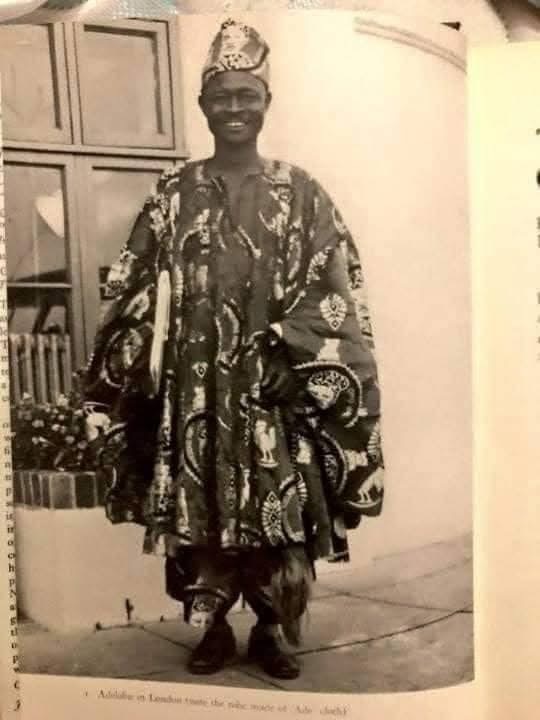
Full Name: Alhaji Adegoke Gbadamosi Adelabu
Birth Name: Gbadamosi Adegoke Akande
Date of Birth: 3 September 1915
Place of Birth: Ibadan, present-day Oyo State, Nigeria
Nickname: “The Lion of the West” — a title earned for his fearless, combative, and charismatic political style
Education:
St. David’s School, Kudeti, Ibadan (1925–1929)
Government College, Ibadan (from 1936)
Yaba Higher College (admitted on scholarship)
Intellectual Reputation:
Adelabu was renowned for his exceptional oratory, sharp intellect, and ideological boldness, making him one of the most formidable politicians of his generation.
Popular Alias:
Known among his largely non-literate supporters as “Penkelesi” — a Yorubanised version of “peculiar mess”, a phrase he frequently used in speeches, which became inseparably associated with him.
Political Affiliation:
A leading member of the National Council of Nigeria and the Cameroons (NCNC) under Dr. Nnamdi Azikiwe during the colonial era.
Political Rivalry:
He was a fierce and ideological opponent of Chief Obafemi Awolowo in the Western Region, making Western Nigerian politics highly competitive and polarized in the 1950s.
Colonial-Era Persecution:
Adelabu is widely regarded as one of the most persecuted opposition politicians of the colonial period, having faced about 18 court cases, many believed to be politically motivated.
Corporate Achievement:
He made history as the first African General Manager of the United Africa Company (UAC), a major British trading firm, marking a significant breakthrough for Africans in colonial corporate leadership.
Death:
Date: 25 March 1958
Place: Ode-Remo, Ijebu Province (present-day Ogun State)
Cause: Fatal motor accident involving his Volkswagen Beetle, alongside a Lebanese business associate and two relatives
Age at Death: 43 years old — two years before Nigeria’s independence
Family:
At the time of his death, Adelabu had 12 wives and 15 children, reflecting the social norms of his era.
Aftermath of Death:
His sudden and tragic death sparked widespread riots and unrest across Ibadan, underscoring his immense popularity and political influence among the masses.
Historical Significance:
Adelabu remains one of the most charismatic, controversial, and intellectually formidable politicians in Nigerian pre-independence history, often remembered as a symbol of radical opposition politics and mass mobilisation.
Source:
Nigerian political history archives
Ibadan colonial-era political records
Biographical accounts on Adegoke Adelabu
Yoruba political history documentation
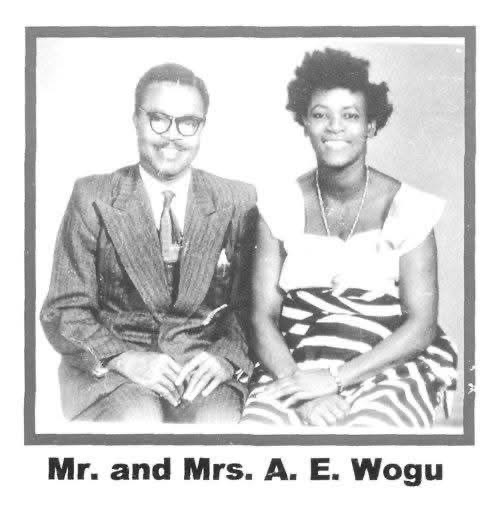
The pioneering role of Mr and Mrs A. E. Wogu in the rise of indigenous Pentecostalism
The explosive growth of Pentecostal Christianity in Nigeria during the twentieth century did not emerge overnight. Long before megachurches, crusade grounds, and global ministries, the movement was shaped by small prayer groups, radical faith, and indigenous leaders who believed that Christianity in Africa must be spiritually vibrant and culturally rooted. Among the most influential of these pioneers were Mr and Mrs Augustus Ehurie Wogu, whose quiet but profound work in Eastern Nigeria helped spark what later became one of the most significant religious revivals in Nigerian history.
By the 1930s, Nigeria was already experiencing religious ferment. Dissatisfaction with mission churches, hunger for spiritual power, and the search for an African-led Christian expression created fertile ground for Pentecostal ideas. It was within this context that the Wogus emerged as key catalysts of renewal.
Augustus Ehurie Wogu: Faith and Public Life
Augustus Ehurie Wogu (A. E. Wogu) was not a cleric by training. He was a respected civil servant, educated and deeply rooted in Christian discipline. Like many early revivalists, his spiritual influence came not from formal ordination but from conviction, prayer, and leadership within lay Christian circles.
At a time when colonial society often separated public service from spiritual enthusiasm, Wogu embodied both. His faith was intense, practical, and unapologetically Spirit-filled. He believed that Christianity should be marked by holiness, prayer, divine healing, and the active presence of the Holy Spirit—beliefs that resonated deeply with many Nigerians who felt constrained by the formality of mission Christianity.
The Pentecostal Spark: Print, Prayer, and Providence
One of the most remarkable aspects of the Nigerian Pentecostal revival was how it was ignited. Rather than beginning with foreign missionaries, the movement was sparked through printed Pentecostal literature.
In the early 1930s, Wogu and other like-minded believers encountered Pentecostal Evangel, a magazine published by the Assemblies of God in the United States. The publication circulated testimonies of revival, Spirit baptism, divine healing, and missionary zeal. For Wogu and his associates, this literature provided language and theological grounding for experiences they were already seeking.
Inspired, they began intense prayer meetings, fasting, and Bible study sessions in their homes. These gatherings soon attracted others hungry for deeper spiritual life.
The Wogu Home as a Revival Centre
The home of Mr and Mrs Wogu in Umuahia, present-day Abia State, became one of the earliest hubs of Spirit-filled Christianity in Eastern Nigeria. It functioned as:
A prayer house
A teaching centre
A refuge for believers seeking healing and renewal
These meetings were marked by fervent prayer, testimonies, and an emphasis on personal holiness. Importantly, leadership was indigenous. Nigerians taught, prayed, interpreted scripture, and organised fellowships without missionary supervision.
This approach helped dismantle the idea that spiritual authority had to come from Europe or America.
Mrs Wogu and the Role of Women in Early Pentecostalism
While historical narratives often foreground male leaders, Mrs Wogu played a crucial role in sustaining and expanding the revival. She provided spiritual support, hospitality, organisational stability, and mentorship—functions that were essential to the survival of early Pentecostal fellowships.
Her partnership with her husband reflected a pattern later seen across Nigerian Pentecostalism, where women played powerful but often understated roles as prayer leaders, organisers, and spiritual anchors.
From Fellowship to Movement: Birth of Assemblies of God Nigeria
As the revival grew, correspondence began between Nigerian believers and the Assemblies of God in the United States. This relationship eventually led to the arrival of American missionaries in the late 1930s.
Crucially, because the movement already existed before foreign involvement, the resulting church developed with a strong indigenous identity. This distinguished Assemblies of God in Nigeria from many earlier mission-founded churches.
The values emphasised by Wogu and his peers—local leadership, spiritual experience, and African agency—became foundational to the denomination’s growth.
Impact on Nigerian Christianity
The legacy of Mr and Mrs A. E. Wogu extends far beyond Umuahia or the Assemblies of God denomination. Their work helped shape:
The broader Pentecostal and Charismatic movement in Nigeria
The idea that revival could emerge from African initiative
The theology of prayer, healing, and Spirit baptism that dominates Nigerian Christianity today
Many of Nigeria’s most influential pastors and evangelists trace their spiritual heritage, directly or indirectly, to the revival culture of the 1930s.
A Lasting Legacy
A photograph dated 29 March 1959, showing Mr and Mrs A. E. Wogu, captures not just a couple but a generation of believers whose faith reshaped Nigeria’s religious landscape. By that time, the movement they helped ignite had grown beyond imagination.
Their story reminds us that history is often made not only by those on pulpits or platforms, but by faithful individuals who open their homes, pray persistently, and dare to believe that renewal is possible.
Sources
This Week in AG History
Assemblies of God Nigeria historical archives
Ogbu Kalu, African Pentecostalism: An Introduction
J. D. Y. Peel, Religious Encounter and the Making of the Yoruba (contextual reference)
Nigerian church
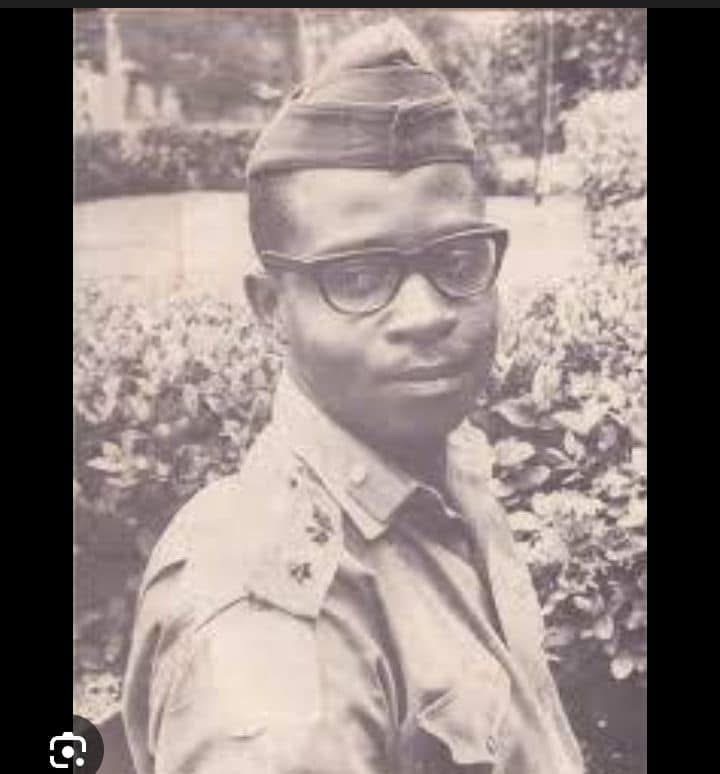
Lieutenant General Theophilus Yakubu Danjuma GCON ) is a retired Nigerian @rmy officer, billionaire businessman, and prominent philanthropist. He is considered one of Nigeria’s most influential and controversial milit@ry figures, having played a central role in several key events in the country’s post-independence history.
Born in Takum, Taraba State on December 9, 1938 , from a humble farming family.
He Attended St. Bartholomew’s Primary School and Benue Provincial Secondary School.
He received a scholarship to study history at Ahmadu Bello University but joined the Nigerian Army in 1960, the year Nigeria gained independence.
Commissioned in 1960, he served as a platoon commander in the Congo Crisîs and rose to the rank of Captain by 1966.
He is widely recognized for leading the troops that arrested and overthrew the first military Head of State, General Aguiyi-Ironsi, during the July 1966 counter-coup.
He served as the Chief of @rmy Staff from 1975 to 1979 under the milit@ry göverñmëñts of Murtala Muhammed and Olusegun Obasanjo.
After returning to public service in the democratic era, he served as Nigeria’s Minister of D£fence from 1999 to 2003 under President Obasanjo.
After returning to public service in the democr@tic era, he served as Nigeria’s Ministēr of Defēñce from 1999 to 2003 under President Obasanjo.
Following his military retirement in 1979, Danjuma became one of Africa’s wealthiest individuals through ventures in shipping and petroleum.
He owns NAL-Comet Group, A leading indigenous shipping and terminal operator in Nigeria.
Owns NAL-Comet Group, leading indigenous shipping and terminal operator in Nigeria.
South Atlantic Petroleum (SAPETRO): An oil exploration company with major interests in Nigeria and across Africa.
In 2009,he established TY Danjuma Foundation: with a $100 milliøn grant, it supports education, healthcare, and pôverty alleviation projects throughout Nigeria.
As of early 2026, he remains an active elder statesman, having celebrated his 88th birthday in December 2025.
He continues to be a vocal crìtic of Nigeria’s security situation, recently urging citizens to “rise up and DEFĒÑD themselves” against b@nditry and in$urgēncy when gøvernmēñt protection f@ils.
He remains a “towering national figure” in Taraba State, where he has recently toured ongoing construction for the T.Y. Danjuma University and Academy.
Danjuma is celebrated as a figure who transitioned from milit@ry leadership to business and philanthropy, significantly impacting Nigeria’s development.

Sanwo-Olu attends 50th memorial ceremony for General Murtala Muhammed

Kwara killings: Nnamdi Kanu jailed for warning against Jihadist incursion into Southern Nigeria – Igbo clerics

Electoral Reform: Dino alleges senate’s plot to rig 2027 election

-
Business1 year ago
US court acquits Air Peace boss, slams Mayfield $4000 fine
-

 Trending1 year ago
NYA demands release of ‘abducted’ Imo chairman, preaches good governance
-

 Politics1 year ago
Mexico’s new president causes concern just weeks before the US elections
-

 Politics1 year ago
Putin invites 20 world leaders
-

 Politics1 year ago
Russia bans imports of agro-products from Kazakhstan after refusal to join BRICS
-
Entertainment1 year ago
Bobrisky falls ill in police custody, rushed to hospital
-
Entertainment1 year ago
Bobrisky transferred from Immigration to FCID, spends night behind bars
-
Education1 year ago
GOVERNOR FUBARA APPOINTS COUNCIL MEMBERS FOR KEN SARO-WIWA POLYTECHNIC BORI