
Columns
50+ tasteful plain lines hairstyles without braids for natural hair

Braiding hair is an ancient tradition that dates back to 3500 BCE (about 5,000 years ago). Plain lines hairstyles without braids have existed for years, but every generation has been able to modify and reinvent these styles to create modern and stylish looks. Discover some of the latest plain lines hairstyles without braids for natural hair below.

Plain cornrows are protective hairstyles. Photo: @Kaygies1 on Facebook, @hairbyntshunxeko on Instagram (modified by author) Source: UGC
African hair plaiting was an essential tradition of the ancient tribes. The ancient braiding techniques have evolved into many of today’s trends, enabling people to create more hairstyles.
Latest plain lines hairstyles without braids for natural hair
Plain lines can make many gorgeous hairstyles. Since there is no age limit when it comes to beauty trends, you can wear any of the following hairstyles regardless of your age:
High bun plain lines

Buns are perhaps the trendiest hairdos of the 20th and 21st centuries. Photo: @Kaygies1 on Facebook (modified by author) Source: UGC
Buns first became popular in the 90s and became a fixed part of rave culture. Recently, there has been a resurgence of girls wearing buns.

Buns suit pretty much everyone. Photo: @Kaygies1 on Facebook (modified by author) Source: UGC
Plaited updos are beautiful and refined. Once you get used to doing them, these hairstyles can be achieved in less than an hour. A child will love this style because it takes little time to braid.

You can wash your hair with warm water. Photo: @siyasangahb on Facebook (modified by author) Source: UGC
Cornrows originated in Africa and have historically been adorned with beads and shells. Decorating your cornrows like this shows the globe that you’re connected to your roots and proud of it.

Cornrows originated in Africa and have historically been adorned with beads and shells. Decorating your cornrows like this shows the globe that you’re connected to your roots and proud of it.
You can try out this visually appealing protective hairstyle. It will preserve your hair ends from damage, maintain hydration, and keep the edges from weakening.

The secret to achieving beautiful, plain lines is neatness. Photo: @hairbyntshunxeko on Instagram (modified by author) Source: UGC
Buns are great hairstyles because they can be worn high up, on either side of the head, or low at the back. For an even more standout look, add beads to your hair.

Buns are great hairstyles because they can be worn high up, on either side of the head, or low at the back. For an even more standout look, add beads to your hair.
Buns suit pretty much everyone. You can incorporate braiding accessories to give your bun extra flair or keep the look sleek. Remember to wash your plain lines at least once after every two weeks.

Running your cornrows under warm water will open up your cuticles. Photo: @hairbyntshunxeko on Instagram (modified by author) Source: UGC
Running your cornrows under warm water will rinse the initial dirt out of your hair and open up your cuticles. You can add hair decorations if the hairstyle is for a vacation or informal occasion.
Side-swept buns for natural hair

A side-swept bun with cornrows looks good on school-going kids. Photo: @Kaygies1 on Facebook (modified by author) Source: UGC
The secret to achieving beautiful, plain lines is neatness. Before washing your hair, apply your shampoo solution generously to your head and hair.

Side bun hairstyles are elegant. Photo: @Kaygies1 on Facebook (modified by author) Source: UGC
Side bun hairstyles are a great option for looking nice but having no time for more elaborate styling. If you’re using a bowl to wash your cornrows, pour some shampoo in your hands and apply it generously to your hair.
Simple plain lines hairstyles without braids

All-back thin cornrows look glamorous on adults and kids. Photo: @beckybeautyparlour, @hairbyntshunxeko on Instagram (modified by author) Source: UGC
Use a foaming shampoo when washing your hair. Such shampoo is recommended because it cleans the scalp without leaving residue.

If you desire this attractive appearance, look for an experienced stylist who can plait cornrows. Photo: @hairbyntshunxeko on Instagram (modified by author) Source: UGC

Washing your cornrows will prevent breakage when you take your braids out. So, use your fingers to gently massage each cornrow until all of them are lathered with shampoo before you run water on your hair.

Leaving shampoo residue in your hair can irritate your scalp. Photo: @hairbyntshunxeko on Instagram (modified by author) Source: UGC
Rinse your hair thoroughly to get all of the shampoo out of it. Leaving shampoo in your hair could create residue build-up from the chemicals in your shampoo.

Plain lines will also accentuate and emphasize your facial features. Photo: @siyasangahb on Facebook (modified by author) Source: UGC
With natural hair alone, you can make strands not too long to fall on your face. This hairstyle will also accentuate and emphasize your facial features, making you look prettier.

Protein-based conditioners help patch cracked or missing cuticles in your hair. Photo: @LaPrideSalon on Facebook (modified by author) Source: UGC
After rinsing your hair, mix oil, a protein-based conditioner, and warm water in a spray bottle and spray your hair. Protein-based conditioners help patch cracked or missing cuticles in your hair.

Curvy lines make a hairstyle look elegant and unique. Photo: @siyasangahb on Facebook (modified by author) Source: UGC
Curvy lines make a hairstyle look elegant and unique. You can have lines of the same size for uniformity or blend thick and thin lines to create a new style.

Plain zigzag hairdos are remarkably distinct, fashionable, and intriguing. Photo: @fayglam_ on Instagram (modified by author) Source: UGC
If you want to try something new, consider zigzag hairdos. They are simple hairstyles for ladies without attachments. To maintain this hair, cover your head with a shower cap for 20 minutes to retain moisture after washing it in warm water with shampoo and spraying a conditioner.
Twin buns for natural hair

Rinse off your conditioner with room temperature or cool water. Photo: @siyasangahb on Facebook (modified by author) Source: UGC
The most important tip is to make neat lines and have an even, balanced amount of hair for each bun. For a little bit of added flair, finish with a spray glitter.

Do not leave the conditioner on for 20 minutes; it may make your hair brittle. Photo: @Kaygies1 on Facebook (modified by author) Source: UGC
Find a leave-in conditioner that works best for your type of hair. Also, remember to use a soft cotton towel to pat washed cornrows and wear a shower cap until your cornrows are dry.

Do not rub your head, or you may undo your cornrows when washing them. Photo: @LaPrideSalon on Facebook (modified by author) Source: UGC
Do not rub your head, or you may undo your braids. The tension can damage your scalp and strands and cause hair breakage and shedding.

When you need to reduce tightness from cornrows, a scalp massage using essential oils is the answer. Photo: @Kaygies1 on Facebook (modified by author) Source: UGC
Make your twin bun hairstyle look more fashioned by blending a low and high bun. You are guaranteed that the hairstyle is appropriate for kids and adults during informal and formal occasions.

Messaging your tight cornrows with oil increases blood flow and protects natural hair against dryness and flaking. Photo: @Kaygies1 on Facebook (modified by author) Source: UGC
To reduce tightness from cornrows, apply a few drops of peppermint, tea tree, or rosemary oil to your fingers and rub into the scalp gently to soothe and moisturize the area in discomfort.

Applying leave-in conditioners can be an excellent solution to relieve tight plaited lines. Photo: @Kaygies1 on Facebook (modified by author) Source: UGC
Leave-in conditioners with nourishing components keep your scalp well moisturized, thus preventing soreness due to tightly done patches.

You can use scented oils if you want your hair to smell good. Photo: @Kaygies1 on Facebook (modified by author) Source: UGC
Love heart designs have become highly inventive. For the summer vacation, you can wear this on natural African hair. Aside from being stunning, it will make your youngster the center of attention.

Grapeseed and jojoba oils are lighter for people with oil-prone hair. Photo: @Kaygies1 on Facebook (modified by author) Source: UGC
Grapeseed oil is ideal for moisturizers because it is lighter than jojoba oil and feels non-greasy. Jojoba oil, on the other hand, might leave an oily residue on the skin because it is thicker.

Argan oil works well for coarse, uncontrolled hair. Photo: @Kaygies1 on Facebook (modified by author) Source: UGC
With its fatty acid and vitamin-rich makeup, pure argan oil is a golden ticket for coarse and curly hair, helping to rehydrate and soften textured hair.

Use olive or almond oil if your hair is prone to dandruff or dryness. Photo: @Kaygies1 on Facebook (modified by author) Source: UGC
Apply olive or almond oil to your roots for hydration and moisture if you have a dry or flaky scalp. Leave for about 30 minutes before rinsing out.

Using coconut oil may leave an unwanted scent in your hair. Photo: @Kaygies1 on Facebook (modified by author) Source: UGC
If your dry hair is prone to breakage, you should moisturize your scalp daily. Gently spray over the top of your head to make your hair damp with moisturizer.

Almond oil penetrates and moisturizes the scalp and alleviates irritation. Photo: @Kaygies1 on Facebook (modified by author) Source: UGC
Almond oil penetrates and moisturizes the scalp, alleviating irritation. You can also use coconut oil, but it can leave an unwanted scent in your hair. For whatever reason, your body reacts with the coconut oil in a way that produces the smell.

Photo: @Kaygies1 on Facebook (modified by author) Source: UGC
Add ribbons to either bun for elegance. With oily hair, make sure your cornrows’ ends also get oil. You need an upkeep routine that ensures you hydrate your ends, maintain the regrowth, and cleanse and moisturize your scalp.

Women who wear twin buns look super cute and very feminine. Photo: @hairbyntshunxeko on Instagram (modified by author) Source: UGC
Buns are extremely versatile and can be styled as desired. Women who wear twin buns look super cute and very feminine. A steamer is an effective way to loosen too-tight braids and boost your scalp’s health.

Bun hairstyles make your neck look longer, thus making you appear taller. Photo: @hairbyntshunxeko on Instagram (modified by author) Source: UGC
Bun hairstyles work with any length and texture of hair, and wearing your hair in twin buns makes you look taller. The hairstyle makes your neck look longer, thus creating a slimming effect.
Three buns for natural hair

Steaming is an effective way to loosen tight cornrows and boost your scalp’s health. Photo: @hairbyntshunxeko on Instagram (modified by author) Source: UGC
If your cornrows are tight, steam the affected areas for 10 minutes to open cuticles and follicles. This will increase elasticity and moisturize hair strands.
Mohawk plain lines for natural hair

If your cornrows are tight, steam the affected areas for 10 minutes to open cuticles and follicles. This will increase elasticity and moisturize hair strands.
Mohawk plain lines for natural hair
Crisscross lines at the forehead will make your mohawk look great. These simple plain lines hairstyles without braids for natural hair are easy to style and look good on all facial shapes.

Regular steaming makes the hair stronger. Photo: @hairbyntshunxeko on Instagram (modified by author) Source: UGC
Regular steaming strengthens the hair by facilitating enhanced absorption of oils or other treatment products into the hair shafts.

Cornrows can make the scalp itch if not maintained well. Photo: @hairbyntshunxeko on Instagram (modified by author) Source: UGC
Most African women choose to do cornrows because they require less maintenance and represent their culture and personal style preference.

Mohawk is excellent for those who want something simple but outstanding. Photo: @Kaygies1 on Facebook (modified by author) Source: UGC
Make a big fashion statement with mohawk cornrow lines. This cool hairstyle has numerous latest variations. So, choose whatever suits you best.

Tightening the cornrows irritates the scalp and triggers itchiness. Photo: @Kaygies1 on Facebook (modified by author) Source: UGC
Cornrows are styled in a unique way for aesthetics. It feels nice wearing such classic cornrows on your natural hair. However, these hairstyles can cause scalp itchiness if not maintained well.
Plain lines hairstyles with extension

Always plait hair with the correct tension to avoid itching. Photo: @BeksTalent on Facebook (modified by author) Source: UGC
Refrain from being under the belief that tighter hairstyles last longer. Always plait with the correct tension to avoid itching, headaches, and hair loss. Also, soak hair extensions in apple cider vinegar before installation to prevent scalp irritation that can cause itchiness.

A dry scalp can lead to visible hair loss, often due to persistent scratching. Photo: @hairbyntshunxeko on Instagram (modified by author) Source: UGC

Shampoo your hair twice a week to avoid dirt and grease build-up. Use mild shampoos to prevent drying. A dry scalp can lead to visible hair loss, often due to persistent scratching.
To avoid a dry and itchy scalp, condition the hair after shampooing to lock in the moisture. Gently massage the conditioner in circular motions to prevent scalp dryness.

Use shampoos with coal tar as an active ingredient if your scalp itches excessively. Photo: @Kaygies1 on Facebook (modified by author) Source: UGC
Some people scratch dry scalps hard enough to cause soreness or even open wounds. If not cared for, these sores could become inflamed or infected. So, if you have excessive itching, use shampoos with coal tar.
Side-swept ponytail

To prevent scalp dryness, use a conditioner after shampooing. Photo: @LaPrideSalon on Facebook (modified by author) Source: UGC
The side-swept ponytail can have thin or medium strands. The cornrows can have curvy shapes to make an attractive hairdo. The style is an excellent alternative for vacations.
Thick twin cornrows

Shampoos containing hydrocortisone can help reduce scalp swelling, redness, and itching. Photo: @hairbyntshunxeko on Instagram (modified by author) Source: UGC
These thick twin cornrows are among the latest plain lines hairstyles. Split your hair into half and braid cornrows to form two thick cornrows running from the forehead to the neck.

If you have an an allergy to a shampoo, conditioner, or other product that touches your scalp, stop using it. Photo: @hairbyntshunxeko on Instagram (modified by author) Source: UGC
Bring your A-game when it comes to wearing creative African hairstyles. This exquisite hairdo can be worn to almost any event.

Shampoos that have Sodium Lauryl Sulphate irritate the scalp. Photo: @hairbyntshunxeko on Instagram (modified by author) Source: UGC
Coal tar shampoo can reduce itchiness. It also helps cut down on the overgrowth of skin cells and helps the body shed dead cells. Although this product is less used today, you can still find shampoos that contain this ingredient.

Fluocinolone shampoos use corticosteroids to help reduce itching and flaking. Photo: @hairbyntshunxeko on Instagram (modified by author) Source: UGC
You could have an itchy scalp because you’re reacting badly to something you’re putting in your hair. For instance, shampoos containing Sodium Lauryl Sulphate make a lot of foam but can be very irritating to the scalp.

Ketoconazole shampoos have an antifungal ingredient that kills the fungus that can cause dandruff. Photo: @hairbyntshunxeko on Instagram (modified by author) Source: UGC
Pyrithione zinc shampoos use zinc pyrithione, an antifungal that fights bacteria. Meanwhile, Ketoconazole shampoos have an antifungal ingredient that kills the fungus that can cause dandruff.

Regular oiling is a simple yet effective way to promote overall hair health. Photo: @hairbyntshunxeko on Instagram (modified by author) Source: UGC
Using hair oil regularly on the scalp can also help improve the overall health of the scalp and hair, making it less prone to dandruff and other conditions.

Certain hair oils have antibacterial, antifungal, and anti-inflammatory properties. Photo: @hairbyntshunxeko on Instagram (modified by author) Source: UGC
Oils like tea tree oil, coconut oil, neem oil, olive oil, castor oil, jojoba oil, argan oil, lavender oil, rosemary oil, and peppermint oil can help to reduce dandruff by moisturizing and soothing the scalp.

Hair that is dry and brittle may consider using hair oil two to three times a week. Photo: @hairbyntshunxeko on Instagram (modified by author) Source: UGC
Natural botanical oils contain essential nutrients that can strengthen the hair shaft, prevent breakage, and add shine. For dry and brittle hair, consider using hair oil two to three times a week.
Chunky, plain lines

Chunky, plain lines suit long and voluminous natural hair. Photo: @essien, @soglossy on Facebook (modified by author) Source: UGC
If you have normal to oily hair, oil it once or every other week. Dry and itchy scalps need oiling two to three times a week.
Seasons may change the need for less or more hair oil. Dry and colder months may require a little more, whereas humid weather can do with a little less.
What is the best hairstyle for natural hair?
Pain lines without braids are some of the best hairstyles for natural hair. With plain cornrows, you can do buns (high, middle, or low buns). You can also do single, twin, or multiple buns and add extensions, beads, ribbons, etc.
How do you take care of natural hair without braids?
Wash plain lines or natural unplaited hair with warm water and shampoo once or twice a month. Use a leave-in conditioner and pat dry the hair with a towel. After that, oil your hair and cover it with a dry shower cap to allow moisture and oil to seep into the pores of your scalp.
How do you take care of natural hair daily?
Moisturize your hair daily with oils and conditioner, detangle the tangled hair gently, and wear a satin or silk bonnet when you go to bed. Remember to minimize using heat on your hair and protect it from scorching sun, rain, dust, and wind to keep it clean and hydrated.
What can you plait on natural hair?
You can wear simple plain lines hairstyles without braids for natural hair. There are diverse variations of plain lines for formal and informal occasions.
Is cornrow good for natural hair?
Cornrows are the ultimate protective style for natural hair. They can be worn day or night and are perfect for all hair textures.
Plain lines hairstyles without braids are protective hairstyles. They provide a flawless, beautiful appearance and preserve hair ends from damaging forces like excessive humidity and sun heat.
Tuko.co.ke shared birthday hairstyles for a black girl. Women with African roots have lovely hair that deserves to be cared for.
The hairstyles in the article are worth copying, but you can get a different look. So, let these hairstyles inspire you to make something that suits you.









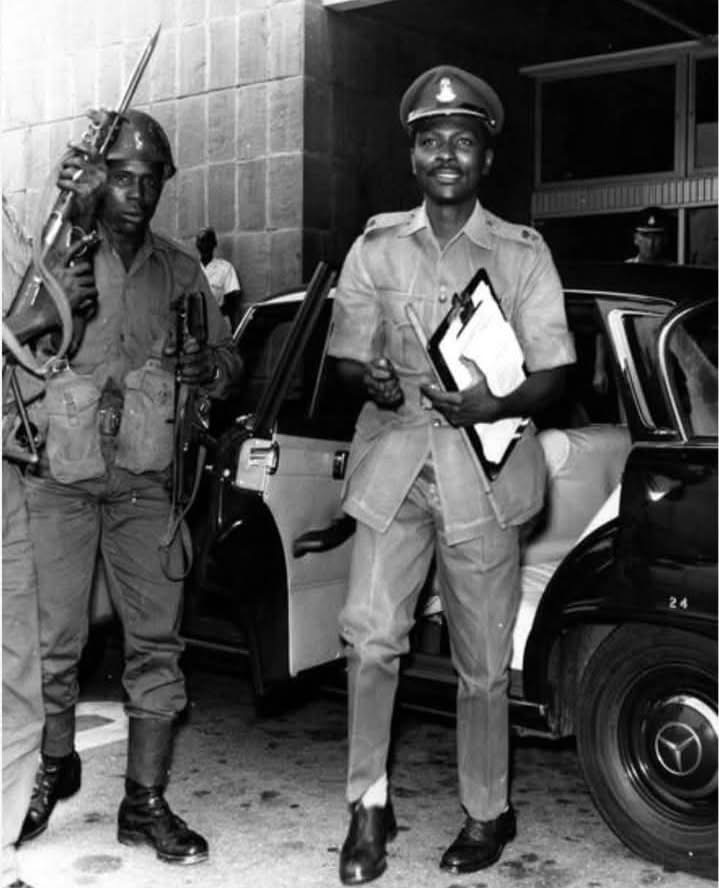
How Yakubu Gowon decided to enter the Army is quite interesting. Encouraged by his British Principal and Vice-Principal to go military, he was nevertheless torn between a career in the Army and competing options as a teacher, engineer, or physician. So he wrote out the options on little pieces of paper placed them inside a Bible and prayed. Then, with his eyes closed, he opened the Bible and picked one at random. It was the Army.
Throughout his military career he would repeatedly approach issues with a r!fle in one hand and a Bible in the other. Years later he would come to be regarded by most as a model of a “kinder, gentler” soldier. Some have nicknamed him “The Preacher”.
In 1954, after passing an entrance examination, he attended several interviews before being sent to the Regular Officers Cadet School at Teshie in Ghana – along with Patrick Anwuna, Alexander Madiebo, Michael Okwechime and Arthur Unegbe. This was followed by a course at Eton Hall in Chester, UK, followed by formal cadet training at the Royal Military Academy, Sandhurst (RMAS). He was a Cadet Sergeant at the RMAS and was commissioned 2/Lt in December 1956. It was at the RMAS that he acquired the nickname “Jack,” the closest sound to “Yakubu” his British instructors could think of.
The above is part of a piece put lol together by Nowa Omoigui, Nigerian military historian and cardiologist.
Gowon later became Head of State and had one of the most troubling dispensation in the history of Nigeria. He was removed from office in 1975 by Murtala Muhammed.
On how he survived immediately after his removal from office, he said in an interview:
“I can say with absolute authority that I may not have anything today, but honestly, at least I have a clear conscience. I thank Idi Amin and (Gnassingbé) Eyadema for the help they gave me to have money to start off with.”
Ethnic African Stories
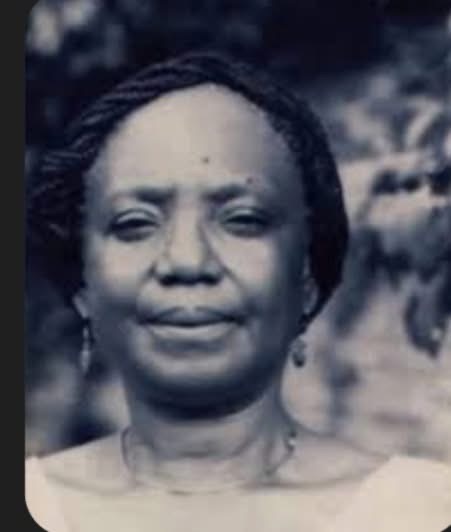
The Imo State born writer and teacher who is largely referred to as the “mother of African Literature”, was the first African woman to publish a novel in English.
Flora belived that African women were unjustly portrayed (in the books of her male counterparts) as people who were doubly malleable, as people who didn’t have even a vestige voice of their own: people who must, for instance, eat fufu not exactly because they wanted to eat fufu but because men insisted that they eat fufu, people who must live in the shadows of men… So she basically did the opposite of this in her books where she gave women prime places, using her pen to unfold to the whole world, in concrete clarity, what she believed ought to be the generally accepted societal ethos.
She celebrated the strength, tenacity and courage of African women, told their success stories in glittering terms, and sang their praises to the stratosphere.
She was born January 13, 92 years ago in Oguta – Imo State, and passed away on October 13, 1993, after enduring a server bout of pneumonia.
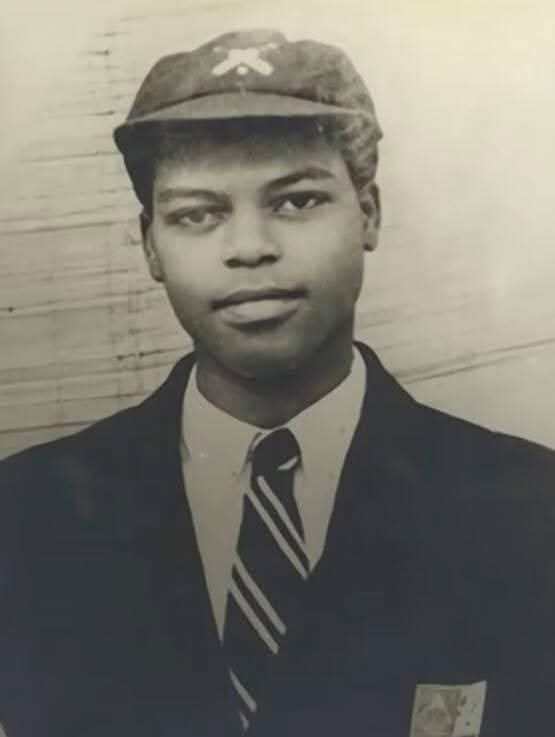
Michael Ibru was a pioneering Nigerian entrepreneur, philanthropist, and founder of the Ibru Organisation, one of the most influential business groups in West Africa. His life reflects ambition, discipline, and the transformation of opportunity into a diversified empire.
Early Life and Background
Born in 1930, Michael Ibru hailed from Agbarha-Otor, near Ughelli.
He was the eldest of seven children in a prominent family. His mother was the daughter of the wealthy Ovedje Osadjere of Olomu, which placed him within a lineage of both traditional influence and commercial awareness.
Growing up in the Niger Delta region, young Ibru was exposed early to trade, mobility, and the importance of enterprise in coastal and riverine communities.
Education and Formative Years
A defining stage of his early life was his education at Igbobi College Yaba, one of Nigeria’s most prestigious secondary schools at the time.
At Igbobi College, Michael Ibru distinguished himself not only academically but also in leadership, eventually serving as Senior Prefect. This position reflected his discipline, influence, and ability to lead peers—qualities that later shaped his business career.
His time at the institution helped refine his worldview and exposed him to structured education during a period when Nigeria was still under colonial administration.
Early Career and Exposure to Business
After completing his studies, he briefly worked with the United Africa Company (UAC), one of the most powerful trading firms operating in West Africa at the time.
This experience exposed him to:
Large-scale import and export systems
Corporate structure and logistics
Commercial distribution networks
However, rather than remain in salaried employment, he chose the path of entrepreneurship—a decision that would redefine his life and legacy.
The Birth of a Business Empire
In 1956, Michael Ibru founded a frozen fish business.
At the time, frozen food distribution was still relatively new in Nigeria, and Ibru identified a gap in the market: the need for affordable, preserved protein sources in urban centres.
His venture quickly expanded due to:
Strong demand for fish in growing cities
Efficient supply chain management
Strategic importation and distribution systems
This modest beginning became the foundation of what would evolve into the Ibru Organisation.
Expansion into a Conglomerate
Over time, the Ibru Organisation grew into a diversified business empire spanning multiple sectors, including:
Food and seafood processing
Aviation and logistics
Hospitality and real estate
Finance and banking
Oil and marine services
Media and publishing
Agriculture and industrial production
The group became one of the largest family-owned conglomerates in West Africa, with numerous subsidiaries operating across Nigeria and beyond.
Rather than relying on a single industry, Michael Ibru built a multi-sectoral business model, which helped the organisation withstand economic fluctuations and remain competitive for decades.
Leadership Style and Business Philosophy
Michael Ibru was widely regarded as a strategic thinker who believed in:
Identifying unmet market needs
Investing in scalable industries
Building long-term institutional structures
Empowering family-led continuity in business
His leadership approach combined traditional values with modern corporate thinking, allowing the Ibru Organisation to grow into a structured enterprise rather than a short-term venture.
Philanthropy and Social Impact
Beyond commerce, Michael Ibru was deeply committed to philanthropy.
His contributions included:
Support for education and scholarships
Community development initiatives
Investment in youth empowerment
Assistance to local infrastructure and social welfare projects
He believed that business success should translate into societal progress, particularly in education and opportunity creation.
Legacy of the Ibru Organisation
The Ibru Organisation remains one of Nigeria’s most recognised business groups, continuing to operate through various subsidiaries across sectors.
Its legacy is defined by:
Industrial diversification
Private sector growth in post-independence Nigeria
Family-led business continuity
Contribution to West Africa’s economic development
From a young student at Igbobi College Yaba to the founder of a continental business empire, Michael Ibru represents the story of vision, risk-taking, and entrepreneurial excellence.
His journey shows how observation, opportunity, and courage can transform a simple idea—like frozen fish distribution—into a legacy that shaped industries across Africa.
Source
Biographical and historical records on Michael Ibru
Public information on the development of the Ibru Organisation
Educational history of Igbobi College Yaba
Historical context of Nigerian post-colonial entrepreneurship and trade development

2027: More Than 50 Lawmakers Lose APC Reps Tickets in Major Primary Election

Bandits behind Ogbomoso school abduction will face full wrath of the law- President Tinubu

PDP to screen Goodluck Jonathan on Tuesday as its sole Presidential aspirant For 2027 race

-
Business2 years ago
US court acquits Air Peace boss, slams Mayfield $4000 fine
-

 Trending2 years ago
NYA demands release of ‘abducted’ Imo chairman, preaches good governance
-

 Politics2 years ago
Mexico’s new president causes concern just weeks before the US elections
-

 Politics2 years ago
Putin invites 20 world leaders
-

 Politics2 years ago
Russia bans imports of agro-products from Kazakhstan after refusal to join BRICS
-
Entertainment2 years ago
Bobrisky falls ill in police custody, rushed to hospital
-
Entertainment2 years ago
Bobrisky transferred from Immigration to FCID, spends night behind bars
-
Education2 years ago
GOVERNOR FUBARA APPOINTS COUNCIL MEMBERS FOR KEN SARO-WIWA POLYTECHNIC BORI