
Politics
Addressing Reactions to Budgetary Allocations in Imo State: A Case for Pragmatic and Sincere Approach to Economic Development

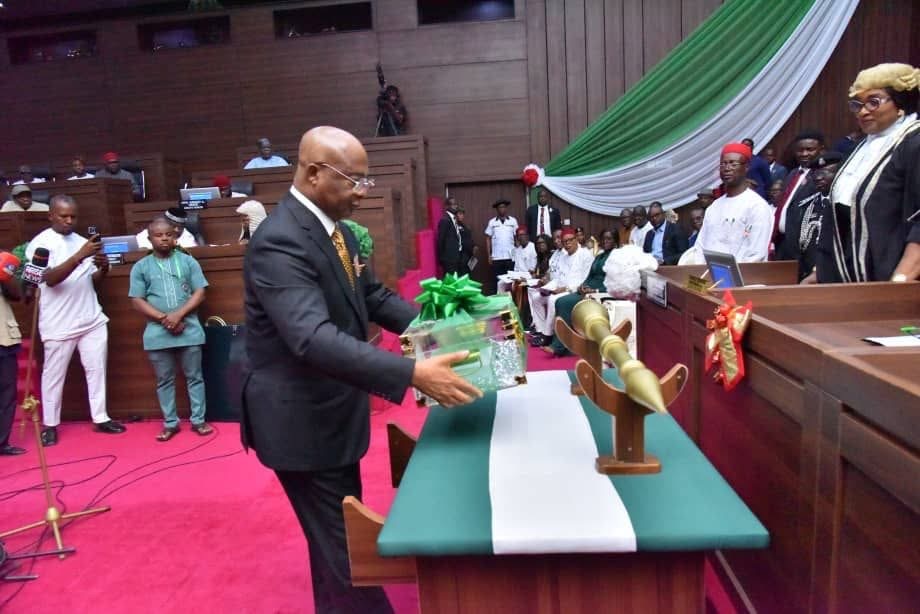
The release of a state budget often triggers mixed reactions, with the government receiving either praise or criticism for allocations to various sectors of the economy. Recent complaints regarding the allocation of funds to sectors like education and agriculture in the latest budget for Imo State have sparked debates about the Governor’s priorities. However, it is important to recognize that budgetary allocations do not necessarily reflect the economic importance or total contributions of these sectors. Rather, a deeper understanding of the economic role of sectors can be gained by examining their contribution to the state’s GDP. Furthermore, the Governor’s decision to allocate these specific percentages should be understood not as a reflection of disregard for these sectors, but as a focused, pragmatic, and realistic approach based on actual needs.
1. Budgetary Allocation Does Not Equal Economic Importance
Budgetary allocations are often misinterpreted as a direct reflection of a sector’s economic importance. The misconception is that a low allocation indicates a lack of value placed on that sector. However, the budget is not a comprehensive representation of a sector’s full economic activity. For instance, allocation to the education sector may seem low, but this does not reflect its total financial contribution. The education sector is supported by various other funding mechanisms, including federal allocations, donor funding, and private investment. While the state budget’s portion is limited, the overall inflow of funds into education may be substantial when considering these external sources.
For instance, the 2024 Lagos State budget allocated 6.98% of its budget to education (N199bn/2.25trn). This represents a decrease from the 2023 budget, when the state allocated 8.86% of its budget to education. Now, Education in Lagos State is huge, with various private sector players from primary to tertiary institutions. This sector contributes significantly to economic activities in Lagos State, beyond the 6.9% allocated to it.
Similarly, the agriculture sector has a far broader scope of support and funding that extends beyond the state’s coffers. National agricultural initiatives, private investments, foreign aid, and even the indirect contributions of agriculture through industries such as food processing or agro-based businesses all contribute to the sector’s economic viability. The state budget, therefore, only represents a slice of the total financial ecosystem that sustains these sectors. The Government can rely on policies and partnerships to better fund and grow a sector, much better than simply throwing money at it through budget allocations.
2. Sectoral Contribution to State GDP: The True Measure of Economic Impact
Rather than focusing on the raw numbers of budgetary allocation, it is more insightful to look at the sectoral contribution to the state’s GDP. The contribution of a sector to the GDP is the ultimate indicator of its economic importance and output. In economic terms, Gross Domestic Product (GDP) reflects the total value of goods and services produced within a state, and sectoral GDP contributions show how much each sector contributes to this total.
The economic contributions of sectors to GDP are typically analyzed through the output approach, which sums up the value added by each sector. The agricultural sector, for example, may contribute significantly to both direct and indirect GDP through crop production, livestock, fisheries, and agro-industry activities. Despite a smaller allocation in the budget, the sector’s high output means it plays a key role in the state’s economic growth. So while some sectors may seem to have low budgetary allocations, their economic contribution to GDP could be far more significant, indicating that these sectors are highly productive and play a vital role in the economy.
3. Understanding the Governor’s Approach: A Focused and Pragmatic Strategy
The Government’s budgetary allocation should not be seen as a neglect of these vital sectors but rather as a reflection of a focused, pragmatic approach to budgeting. The Governor is aligning the budget with the state’s actual needs, as certain interventions may be more urgent than others. In education, for example, the state may already benefit from substantial external funding or private sector involvement, making it unnecessary to allocate large sums from the state budget. Furthermore, the Governor may be prioritizing interventions such as vocational training, infrastructure, and targeted scholarship programs—areas that provide immediate economic benefits—over general funding. These decisions reflect a pragmatic approach to achieving the greatest economic return.
Similarly, in agriculture for example, while the sector’s contribution to GDP is substantial, the Governor’s budgetary allocation may be focused on addressing specific challenges within the sector, such as improving infrastructure, creating agro-industrial value chains, or providing targeted support to smallholder farmers. These strategic interventions may offer a higher impact than a blanket increase in funding, as they target the most pressing needs within the sector.
This approach reflects the Governor’s sincerity and prudence in ensuring that every allocated kobo is spent where it will achieve the greatest economic impact, rather than simply increasing budgets for the sake of political optics. By focusing on intervention projects that address key challenges—whether in education or agriculture—the Governor is adopting a results-oriented budgeting strategy, which ensures that funds are directed where they will have the most meaningful and sustainable impact.
4. A Long-Term Vision for State Development
The Governor’s approach reflects a long-term vision for state development, one that is built on pragmatism and strategic focus. While it is important to acknowledge the economic value of sectors, it is equally vital to recognize that their growth and transformation require thoughtful interventions and careful prioritization. By focusing on the actual economic outputs of sectors and making targeted allocations, the Governor is laying the groundwork for a sustainable and diversified economy. This approach is not only responsible but forward-thinking, positioning the state to leverage both internal and external resources efficiently.
In conclusion, allocations to sectors in the state budget should not be seen as a sign of neglect or disinterest in these sectors. Instead, it reflects a measured, pragmatic approach aimed at addressing the most urgent needs and interventions within these sectors. By focusing on sectoral contributions to GDP, we gain a clearer picture of the economic importance of each sector, independent of budgetary allocations. The Governor’s strategy is one of prudence, prioritizing real and impactful interventions that will drive long-term economic growth and stability. The Governor’s approach deserves recognition for its sincerity, foresight, and commitment to responsible governance.
Yours sincerely,
Dr. Abiola Bashorun, FCICN, FIMC
CEO/GMD ZLGA NIG. LTD.








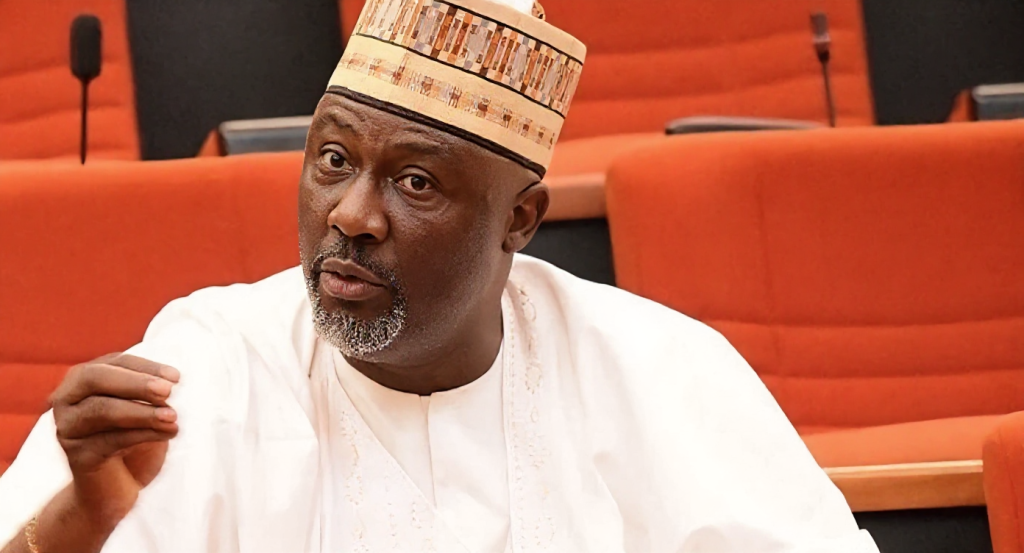
Former lawmaker, Dino Melaye Esq, has raised concerns over the Senate’s reported rejection of the electronic transmission of election results.
The move, according to Melaye, is a clear endorsement of election rigging and an indication of a sinister plan to rig the 2027 elections.
In a statement on Friday, the former lawmaker criticized the Senate’s decision, stating that it undermines the credibility of the electoral process.
The African Democratic Congress, ADC chieftain, also stated that the move opens the door for electoral manipulation and fraud.
He further warned that the rejection of electronic transmission of results is a step backwards for democracy in Nigeria.
Melaye called on lawmakers and citizens to stand up against “this blatant attempt to undermine the will of the people and ensure that future elections are free, fair, and transparent”.
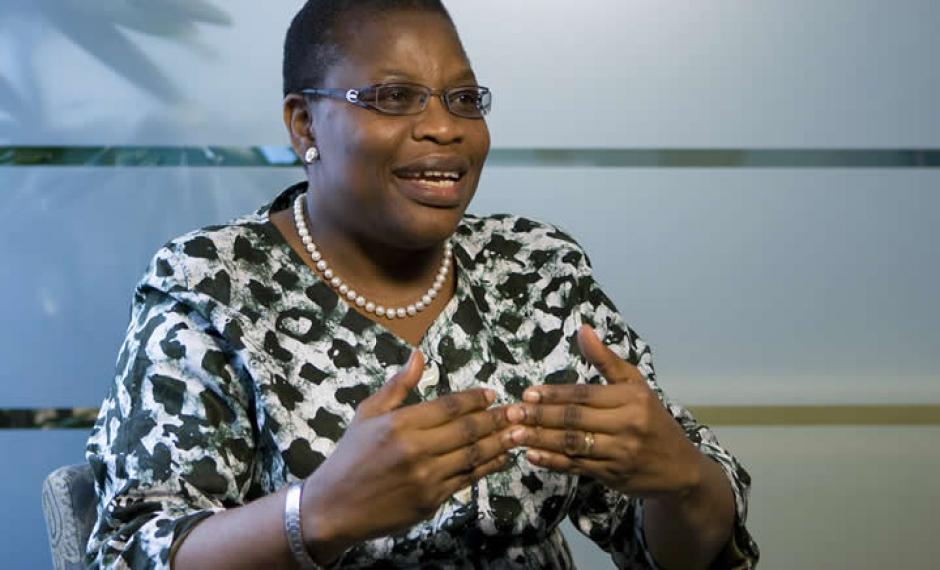
Former Minister of Education, Oby Ezekwesili, has said Nigerians have every reason to be mad at the Senate over the ongoing debate on e-transmission of election results.
Ezekwesili made this known on Friday when she featured in an interview on Arise Television’s ‘Morning Show’ monitored by DAILY POST.
DAILY POST reports that the Senate on Wednesday turned down a proposed change to Clause 60, Subsection 3, of the Electoral Amendment Bill that aimed to compel the electronic transmission of election results.
Reacting to the matter, Ezekwesili said, “The fundamental issue with the review of the Electoral Act is that the Senate retained the INEC 2022 Act, Section 60 Sub 5.
“This section became infamous for the loophole it provided INEC, causing Nigerians to lose trust. Since the law established that it wasn’t mandatory for INEC to transmit electoral results in real-time, there wasn’t much anyone could say.
“Citizens embraced the opportunity to reform the INEC Act, aiming to address ambiguity and discretionary opportunities for INEC. Yet, the Senate handled it with a “let sleeping dogs lie” approach. The citizens have every reason to be as outraged as they currently are.”
Politics
Electoral act: Senate’s action confirms Nigeria ‘fantastically corrupt’, ‘disgraced’ – Peter Obi
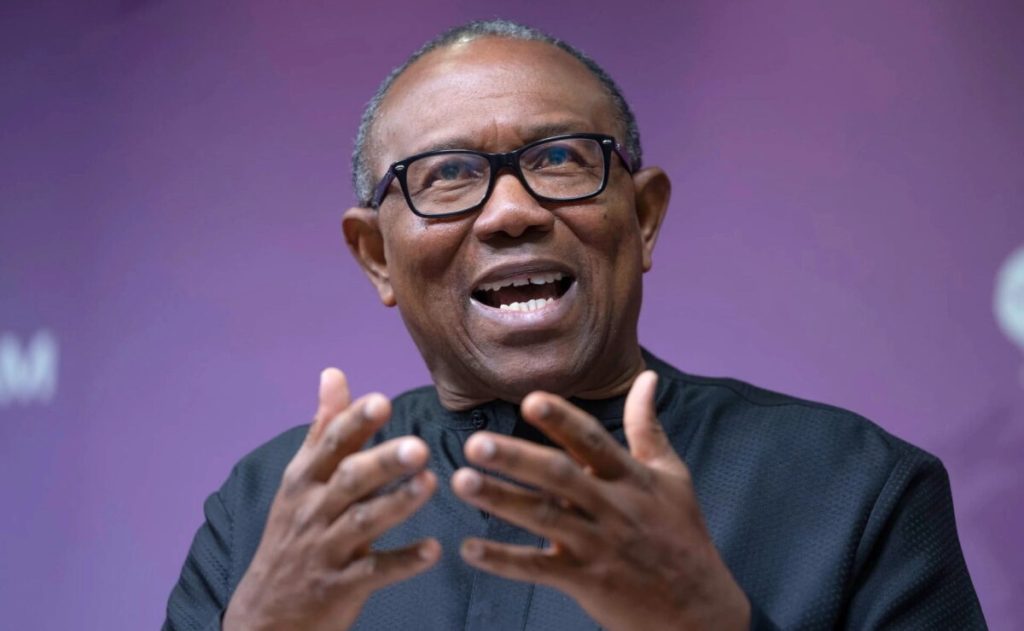
Former Labour Party presidential candidate, Peter Obi, has condemned the Senate’s refusal to make electronic transmission of election results mandatory, saying the move further exposes Nigeria as a fantastically corrupt and disgraced country.
Obi expressed his views in a statement shared on X on Friday, where he accused lawmakers of deliberately weakening Nigeria’s democratic process ahead of the 2027 general elections.
He explained that his reaction came after a brief pause to mourn victims of a deadly tragedy in Kwara State, where over 150 people reportedly lost their lives.
“Let us first pray for the souls of the innocent Nigerians lost in Kwara. That painful incident is why I delayed responding to the shameful development surrounding our electoral system,” he wrote.
Describing the Senate’s decision as intentional and dangerous, Obi said rejecting mandatory electronic transmission was not a simple oversight but a calculated attempt to block transparency.
“The Senate’s open rejection of electronic transmission of results is an unforgivable act of electoral manipulation ahead of 2027,” he said.
According to him, the action strikes at the heart of democracy and raises serious questions about the true purpose of governance in Nigeria.
“This failure to pass a clear safeguard is a direct attack on our democracy. By refusing these transparency measures, the foundation of credible elections is being destroyed. One must ask whether government exists to ensure justice and order or to deliberately create chaos for the benefit of a few.”
The former Anambra State governor linked the post-election controversies of the 2023 general elections to the failure to fully deploy electronic transmission of results, insisting that Nigerians were misled with claims of technical failures.
“
The confusion, disputes and manipulation that followed the 2023 elections were largely due to the refusal to fully implement electronic transmission,” he said.
He added that the so-called system glitch never truly existed.
Obi compared Nigeria’s electoral process with those of other African countries that have embraced technology to improve credibility, lamenting that Nigeria continues to fall behind.
“Many African nations now use electronic transmission to strengthen their democracy. Yet Nigeria, which calls itself the giant of Africa, is moving backwards and dragging the continent along.”
He criticised Nigeria’s leadership class, saying the country’s problems persist not because of a lack of ideas but because of deliberate resistance to meaningful reform.
“We keep organising conferences and writing policy papers about Nigeria’s challenges. But the truth is that the leaders and elite are the real problem. Our refusal to change is pushing the nation backwards into a primitive system of governance.”
Warning of the dangers ahead, Obi said rejecting electronic transmission creates room for confusion and disorder that only serves the interests of a small group.
He also recalled past remarks by foreign leaders who described Nigeria as corrupt, arguing that actions like this continue to justify those statements.
“When a former UK Prime Minister described Nigeria as ‘fantastically corrupt,’ we were offended. When former US President Donald Trump called us a ‘disgraced nation,’ we were angry. But our continued resistance to transparency keeps proving them right.”
Obi warned that Nigerians should not accept a repeat of the electoral irregularities witnessed in 2023.
“Let there be no mistake. The criminality seen in 2023 must not be tolerated in 2027.”
He urged citizens to be ready to defend democracy through lawful and decisive means, while also calling on the international community to closely monitor developments in Nigeria’s electoral process.
“The international community must pay attention to the groundwork being laid for future electoral manipulation, which threatens our democracy and development,” Obi stated.
He concluded by expressing hope that change is still possible if Nigerians take collective responsibility.
“A new Nigeria is possible but only if we all rise and fight for it.”

Police bust syndicate behind nude photo blackmail in Lagos

Man in shock after lady he lodged with in a hotel in Abuja flees with his car and other valuables

US Reacts As De@th Toll In Kwara Terror Attacks Hits 200

-
Business1 year ago
US court acquits Air Peace boss, slams Mayfield $4000 fine
-

 Trending1 year ago
NYA demands release of ‘abducted’ Imo chairman, preaches good governance
-

 Politics1 year ago
Mexico’s new president causes concern just weeks before the US elections
-

 Politics1 year ago
Putin invites 20 world leaders
-

 Politics1 year ago
Russia bans imports of agro-products from Kazakhstan after refusal to join BRICS
-
Entertainment1 year ago
Bobrisky falls ill in police custody, rushed to hospital
-
Entertainment1 year ago
Bobrisky transferred from Immigration to FCID, spends night behind bars
-
Education1 year ago
GOVERNOR FUBARA APPOINTS COUNCIL MEMBERS FOR KEN SARO-WIWA POLYTECHNIC BORI