
Politics
How North Korea is changing Russia’s war in Ukraine

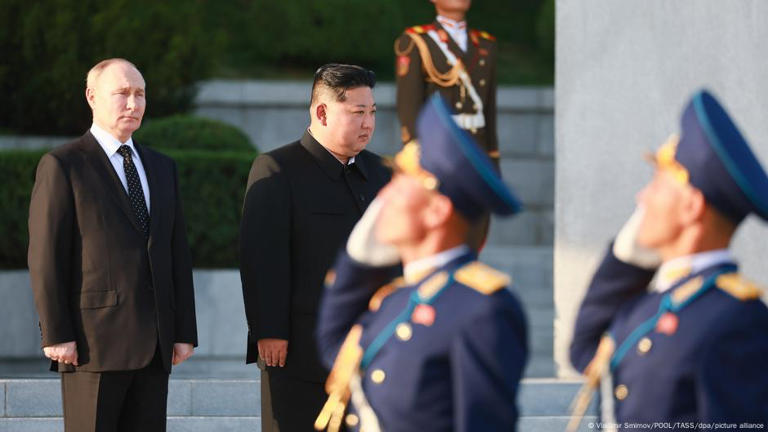
Signs are mounting that North Korean soldiers are fighting on Russia’s side in Ukraine. Kyiv is already talking about a new war party. In what ways could heightened North Korean-Russian ties affect the war?
In June, Russian President Vladimir Putin traveled to Pyongyang to discuss a security partnership with North Korean leader Kim Jong Un.
Prior to this, there had been rumors of extensive North Korean arms deliveries to Russia. And as early as 2023, the Ukrainian military intelligence had reported that a limited North Korean military contingent had arrived in the Russian-occupied territories of Ukraine.
Now, latest findings by South Korean national intelligence service (NIS) indicate that the North Korean-Russian ties have reached new heights.
North Korean soldiers in Russia
According to a report published last Friday, Pyongyang wants to provide up to 12,000 soldiersfor Russia’s war in Ukraine.
Of these, 1,500 were said to have already disembarked in the Russian port city of Vladivostok. Meanwhile, the NIS has upped this number to around 3,000 soldiers.
It would appear that North Korean soldiers are to be issued Russian uniforms in order to conceal their identity. DW’s fact-checking team was able to confirm that the footage provided by the NIS shows locations in Russia’s eastern military districts.
Neither Russia nor North Korea have yet officially confirmed the findings.
“At the moment, there is little concrete information and a lot of vague speculation,” Nico Lange, a senior fellow at the Munich Security Conference, told DW.
“But there is no doubt that North Koreans are in Russia for training,” he added. “And there is also no doubt that for some time now (…) construction units of the North Korean armed forces have been active in the occupied territories in Ukraine.”
And yet, he also cautions not to draw the conclusion that 12,000 North Korean soldiers were now fighting in Russian trenches across Ukraine. “That’s not what we’ve been observing so far,” he said.
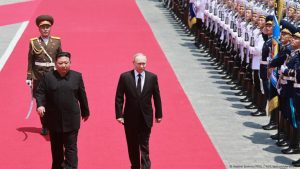
As of now, neither North Korean leader Kim Jong Un nor Russia’s President Vladimir Putin have confirmed shipments of weapons or the deployment of soldiers.
© Vladimir Smirnov/POOL/TASS/dpa/picture alliance
Western restraint
From a Ukrainian perspective, however, all of this is still a concerning development.
While Russia’s head of state Putin presented himself as a respectable host at the BRICS summit this week, Kyiv is growing increasingly worried over waning support for Ukraine.
President Volodymyr Zelenskyy’s “victory plan” has so far failed to gain traction. Furthermore, Ukraine fears that Republican nominee Donald Trump, who wants to cut arms aid and recently blamed the Ukrainian president for Russia’s invasion, will win the US presidential election in early November.
As of now, it remains to be seen in what way the US will handle an escalation in Russia’s war in Ukraine. Washington is, after all, not only the biggest supporter of Ukraine, but also a protective power for South Korea.
The US was the first NATO member to refer to “evidence” of the presence of North Korean troops in Russia. But beyond that, Defense Secretary Lloyd Austin has kept rather quiet.
The North Korean-Russian ties will likely be an issue for the upcoming US administration — whether under Republican or Democratic leadership.
Lange believes that Europe is waiting to see what the outcome of the US elections will be.
“At the moment, I don’t see the major European states coming together to develop a common strategy: What do we want to achieve in Ukraine? How will we deal with Russia and Russia’s supporters? How can we achieve this together? That’s what we’d need,” he said.
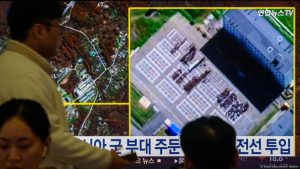
South Korea’s National Intelligence Service (NIS) confirmed that North Korea has decided to send troops to Russia
© Sopa/Sipa/picture alliance
Europe’s failure
On Wednesday, NATO spokesperson Farah Dakhallah in Brussels told DW that if North Korean troops were indeed designated to fight in Ukraine, “it would mark a significant escalation in North Korea’s support for Russia’s illegal war and yet another sign of Russia’s significant losses on the front lines.” She added that the alliance was actively consulting on the matter.
According to Roderich Kiesewetter of the German Christian Democratic Union, Germany’s largest opposition party in the Bundestag, it was a “fatal omission” that Europe had not yet reacted to North Korea’s suspected troop deployment.
A united and decisive reaction of strength and deterrence is absolutely necessary, he told DW. “Many European countries have wanted this for a long time,” he added. Germany also had to alter its stance, he said, by reducing range restrictions on delivered weapons, providing more weapons systems to Ukraine, and issuing an invitation to join the NATO alliance.
Meanwhile, Berlin’s Federal Foreign Office summoned North Korea’s chargé d’affaires on Wednesday. In the meeting, Berlin made clear that supporting Russia’s war of aggression posed a threat to German security and peace in Europe.
Temporary ties
Earlier in October, when the indications of deeper Russian-North Korean cooperation began to intensify, DW spoke to Andrei Lankov, a professor at Kookmin University in Seoul.
“Russia may benefit from this to avoid mobilization,” he told DW, adding that “if you look at it from the Russian point of view, [Russian President Vladimir] Putin is fighting a war that is generally popular in Russia, but only on the one condition that the majority of the population is kept out of the fighting and is not ‘disturbed’ from its day-to-day life by the war.”

Republican presidential nominee Donald Trump has sworn to cut back foreign spending, which would affect Ukraine’s war efforts against Russia
© Shannon Stapleton/REUTERS
In his view, fewer and fewer men in Russia are prepared to put their lives on the line, even for financial benefits such as those offered in army contracts.
North Korea, on the other hands, wants money and technology for sending its soldiers.
“Right now, a private in the Russian military gets $2,000 (€1850) a month plus a signing-on bonus that can be as much as $20,000 (€18,500). If North Korea gets half of that figure for every soldier it provides, then Pyongyang will be very happy,” Lankov said.
Furthermore, North Korea is eyeing Russia’s modern technology.
“Under different circumstances, Russia would never be willing to share technology with such an unstable country, but now it has no other choice,” Lankov added.
However, in his view, this cooperation is not meant to last. Instead, after the end of the war in Ukraine, Lankov expected relations to return to their previous level, as North Korea ceases to be of economic interest to Moscow.
Rayna Breuer contributed to this article, which was translated from German.
Author: David Ehl, Julian Ryall
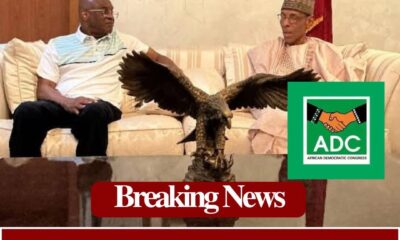



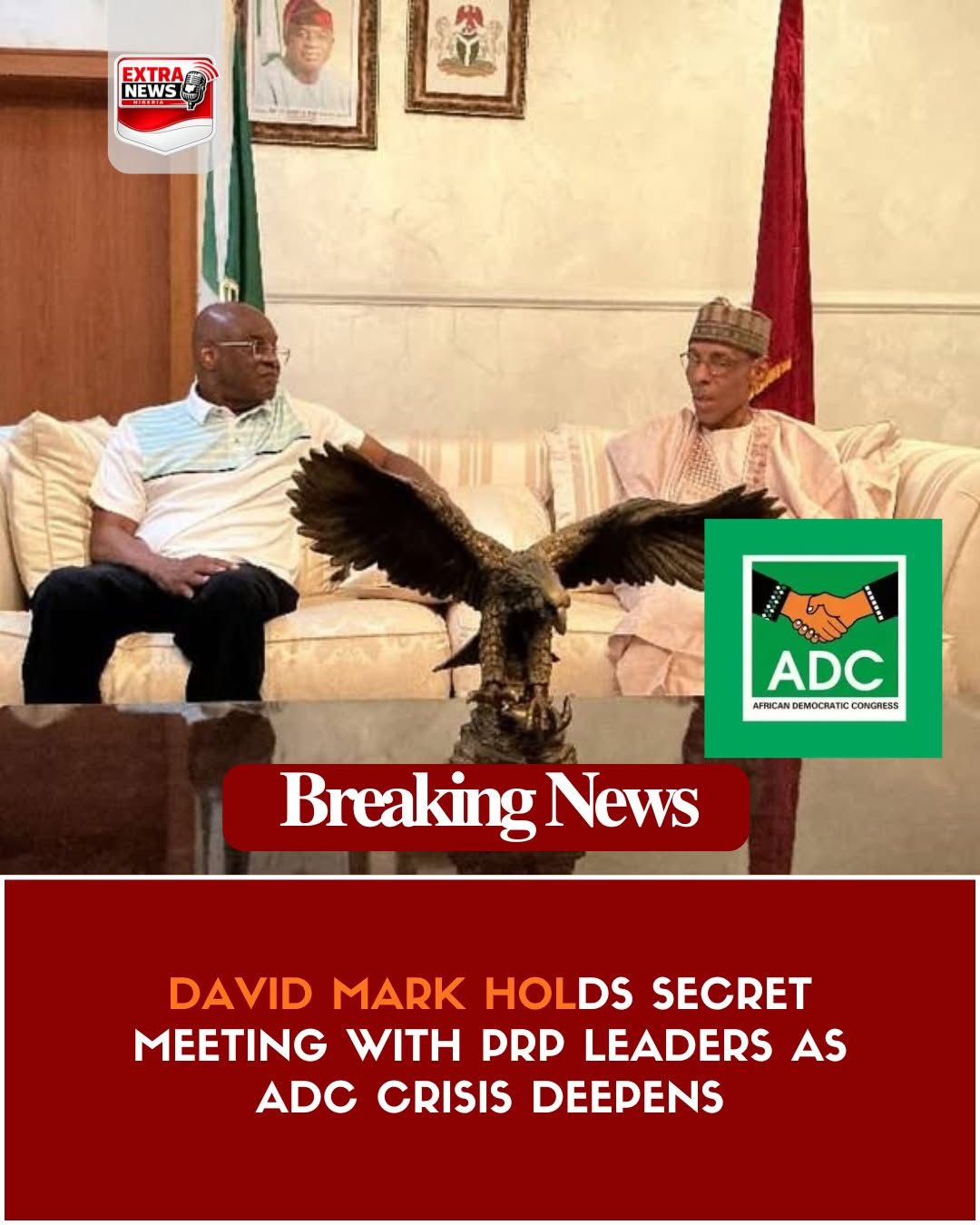
The embattled National Chairman of the African Democratic Congress, David Mark, on Friday held a closed-door meeting with leaders of the Peoples Redemption Party in Abuja. The private consultation is seen as a fresh round of political moves as the ADC continues to battle a lingering leadership crisis and growing internal divisions.
Top figures from both parties were said to be present at the meeting, including PRP National Chairman Hakeem Baba-Ahmed and senior ADC officials. The development is already drawing attention as opposition parties continue realignments ahead of the 2027 political season, with many watching closely for possible alliances and next steps in the party crisis.
Politics
“ADC is a Holy Party, Cannot be used to Scam Nigerians Again” – Hon Success Opara tells David Mark
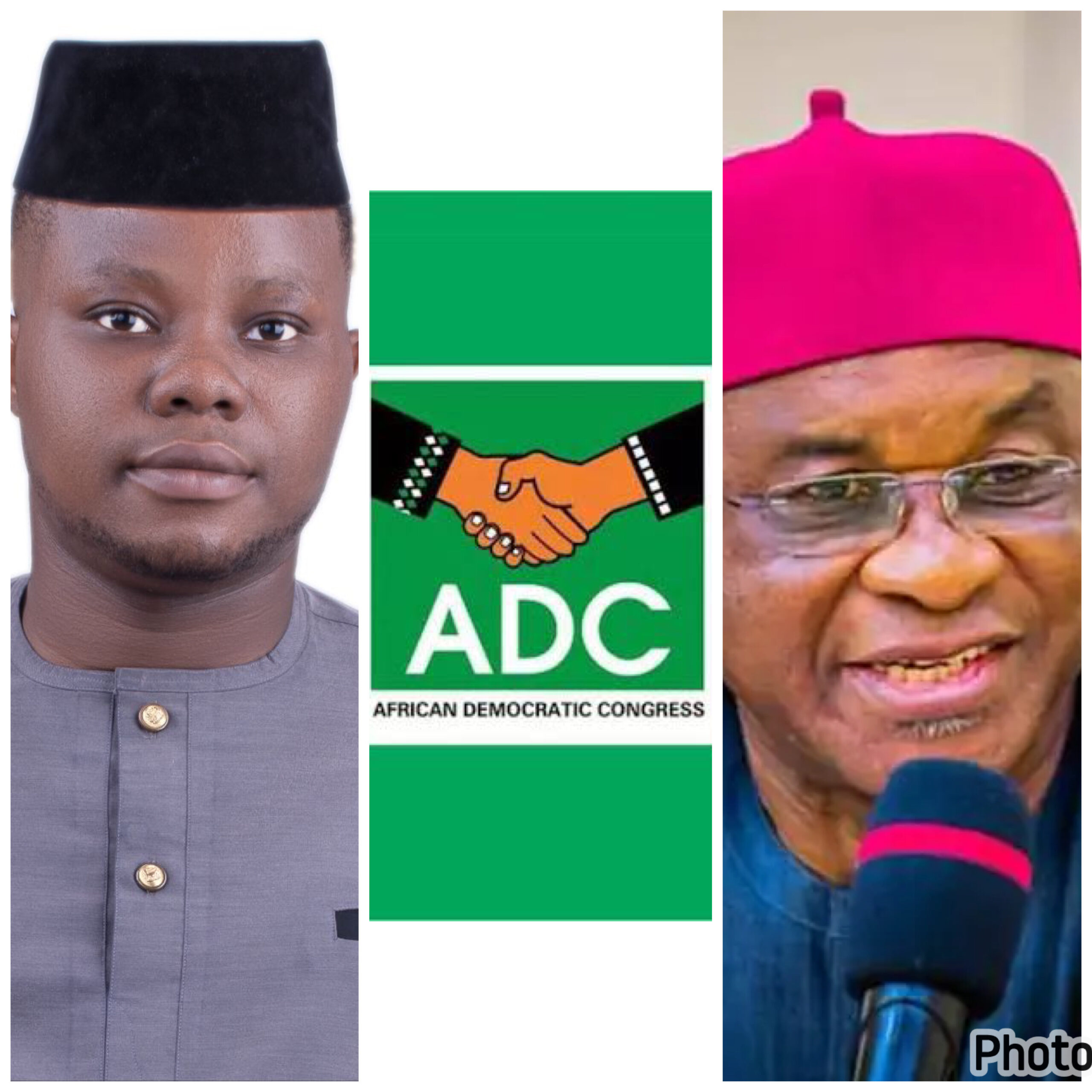
ADC Party in Turmoil: Hon Success Opara Slams Leadership, Warns Against Scamming Nigerians
Abuja, Nigeria – The African Democratic Congress (ADC) is facing internal strife as Hon Success Opara, a prominent party official, has warned against attempts to use the party to deceive Nigerians. Opara specifically criticized the leadership of David Mark, stating that the party cannot be used to scam citizens again.
“ADC holy Party cannot be used to scam Nigerians again,” Opara said, emphasizing that those forming coalitions are hindering the party’s growth and denying youths opportunities to thrive.
“Those who are forming coalition don’t want to give the youths the chance to strive in the party,” she added.
Opara’s statement highlights the deepening divisions within the ADC, with concerns over leadership and the party’s direction.
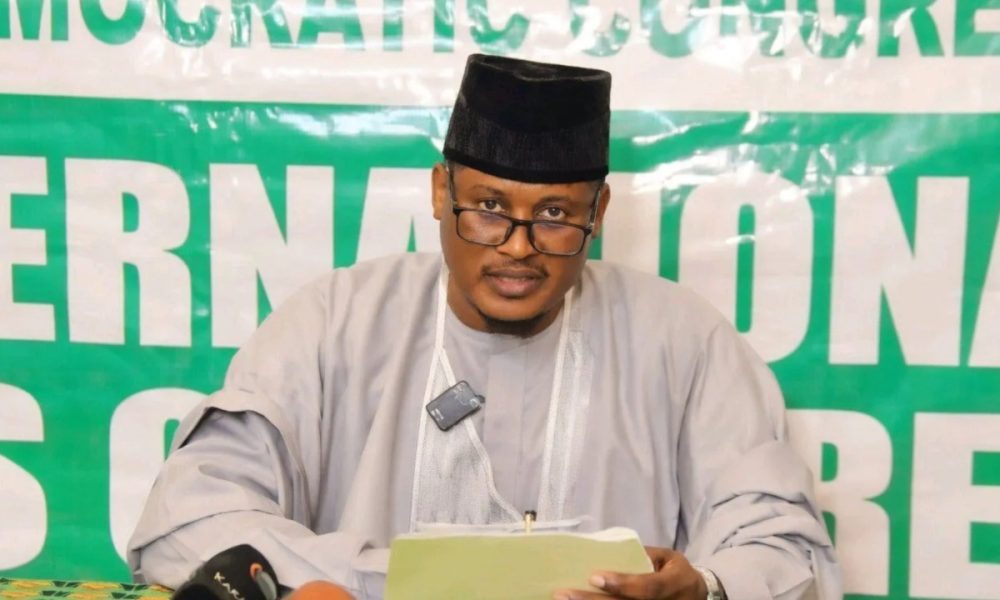
The factional National Chairman of the African Democratic Congress (ADC), Nafiu Bala Gombe, has announced that the party under his leadership will bar individuals above the age of 55 from contesting for political positions.
Gombe made the disclosure during an interview with BBC Hausa, where he outlined a vision centred on generational change and greater youth participation in politics.
“The African Democratic Congress (ADC) is a party that belongs to all Nigerians. What we are doing now is to ensure the party moves forward properly.
“We have decided that we will give the youths a real chance. The time has come for young people to take the lead in politics.
“If you are over 55 years old, you are not going to contest for positions in the ADC under our leadership.
“We want to bring in fresh blood, new ideas, and energy from the youth. Nigeria’s future depends on the young generation.
“The old ways have not worked well for the country. We need to open the door wide for youths to participate fully as candidates, leaders, and decision-makers,” he said.

David Mark Holds Secret Meeting With PRP Leaders as ADC Crisis Deepens

Chaos As Military Officers Exchange Blows During Tinubu’s Visit To Bayelsa (Videos)

HRH Ekwueme of Ochia Kingdom Iynched & kiIIed in Imo.

-
Business1 year ago
US court acquits Air Peace boss, slams Mayfield $4000 fine
-

 Trending1 year ago
NYA demands release of ‘abducted’ Imo chairman, preaches good governance
-

 Politics1 year ago
Mexico’s new president causes concern just weeks before the US elections
-

 Politics1 year ago
Putin invites 20 world leaders
-

 Politics1 year ago
Russia bans imports of agro-products from Kazakhstan after refusal to join BRICS
-
Entertainment1 year ago
Bobrisky falls ill in police custody, rushed to hospital
-
Entertainment1 year ago
Bobrisky transferred from Immigration to FCID, spends night behind bars
-
Education2 years ago
GOVERNOR FUBARA APPOINTS COUNCIL MEMBERS FOR KEN SARO-WIWA POLYTECHNIC BORI