
EVENTS
Igba Nkwu Nwanyi: All You Need to Know About the Igbo Traditional Marriage, Using Uturu as a Case Study

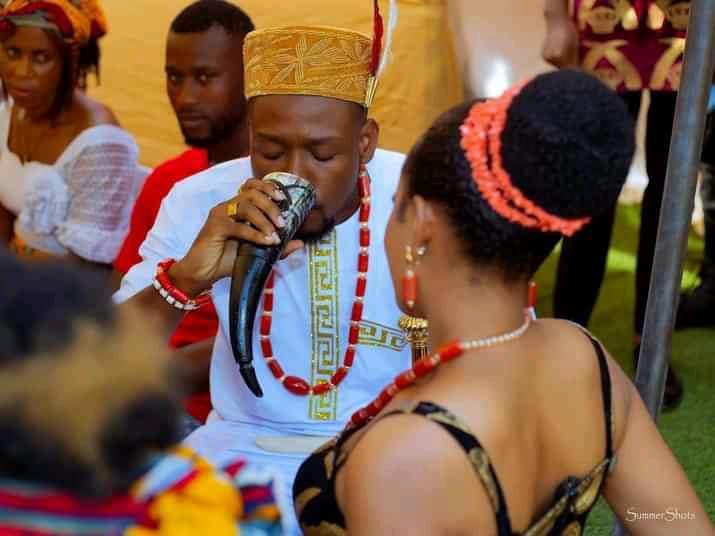
Unfortunately, Igbo tradition doesn’t recognize the modern kind of proposal where the man gets down on one knee and proposes to his girlfriend.
Marriage is very important in Igbo culture, and the traditional rites attached to the union aren’t taken lightly by the families involved.
Traditional Igbo marriages are deemed very festive, colorful, and are divided into four main parts:
1. Marriage inquiry known as ‘Iku aka’ or ‘Iju ese’
2. Seeking consent from the bride-to-be’s extended family, known traditionally as ‘Umunna’
3. Bride price negotiation
4. Wine-carrying ceremony by the bride, known as ‘Igba Nkwu Nwanyi’
All these must be completed, and the bride’s family must be satisfied before the groom can take his new wife home.
1. Marriage Inquiry Known as ‘Iku Aka’ or ‘Iju Ese’
Tradition doesn’t recognize the modern kind of proposal where the man gets down on one knee and proposes to his girlfriend. The first step of the Igbo traditional wedding rites is the groom visiting the bride’s immediate family, accompanied by his father or the eldest member of his family if his father is deceased. Usually, they are meant to show up empty-handed because ‘Iku aka’ or ‘Iju ese’ simply means ‘coming to knock or inquire,’ but the groom and his family are free to take some hot drinks and kola nuts as a gesture of goodwill.
The groom’s father does the talking; he introduces himself to the bride’s parents or guardian, explains the purpose of his visit, and officially announces his son’s interest in marrying their daughter. The bride-to-be is then called out by her parents and asked if she knows her suitor and would like to marry him. Her response determines if they will proceed to inform the extended family and begin the bride price negotiation.
2. Seeking Consent from the Bride-to-Be’s Extended Family, Known Traditionally as ‘Umunna’
After the first visit, the bride’s family begins an investigation of the groom’s family. They check their background and history (hereditary illnesses, bad behaviors, divorce, fertility, etc.). This investigation determines the progress of the next meeting between both families, as the bride’s family will decide if the groom-to-be is suitable to take care of their daughter and future children. It is also assumed that the groom’s family must have conducted a similar investigation prior to the first visit.
The next meeting will be between the groom’s family (which can include up to 20 people) and the bride’s extended family, known as ‘Umunna’. This meeting is important because the groom’s family must restate their interest in marrying from their family. The groom first needs to get the consent of the bride’s extended family and then the final consent from the bride. Dates for the traditional wedding will be set, and a bride price list will be sent out. In Igboland, tradition dictates that the groom bring a few gifts (such as kola nuts, palm wine, beer, soft drinks, tobacco, snuff, and a goat). These will be shared between the groom’s and the bride’s families.
3. Bride Price Negotiation and Payment, Known as ‘Ime Ego’
After the second visit and once consent has been given by the bride’s extended family, the groom’s family can proceed with the bride price negotiation and payment, known traditionally as ‘Ime ego’. The groom’s family asks for the engagement gifts list, which varies slightly from place to place in Igboland.
The money paid for the bride price is significantly small and can be as low as N30; it isn’t an indication of the bride’s worth. The extra gifts make up the larger part of the bride price. The groom’s family then presents all they’ve bought to the bride’s family on an agreed date or on the day of the wine-carrying ceremony.
‘Ime ego’ can be a hectic process between both families, with a lot of begging from the groom’s side and a lot of bragging from the bride’s side. The bride’s family lists their daughter’s accomplishments and what the groom-to-be will gain by marrying her. There will be a lot of back and forth between both families until a set amount is reached.
4. Wine-Carrying Ceremony by the Bride, Known as ‘Igba Nkwu Nwanyi’, and ‘Idu Ụlọ’
This is the final rite done by the groom’s family. After the date for the official wine carrying has been set, the ceremony is held at the bride’s home. Her family prepares a large feast (depending on their means) for the groom’s family and invited guests. They may also hire a live band and traditional dancers to make the ceremony interesting. Usually, the bride-to-be is dressed in traditional Igbo wedding attire, which includes a blouse, a double wrapper, a red coral bead necklace, and a large head tie known as ‘Ichafu’ or a bead around her head.
The groom is expected to be accompanied by a larger party this time (including friends) and bring along the bride price list. He must present the list along with the required gifts to the Umunna before the ceremony begins.
The highlight of ‘Igba Nkwu Nwanyi’ is when the bride publicly identifies the man she wants to marry. The bride’s father or eldest uncle (if her father is deceased) traditionally prays for the bride, blessing her future marriage. He then gives her a cup of palm wine (usually placed in a gourd) to find the man she intends to marry. The bride, along with her maidens, searches for her groom in the crowd, as other men and the groom’s friends beckon her to give them her wine. Once she finds her groom, she offers him the drink, kneeling down. If he takes a sip, it signifies to the crowd that he is her husband; acceptance means they are officially married. The groom and bride then dance to meet her parents, who pronounce blessings on them. The merriment begins, and the couple receives gifts from friends and family.
‘Idu Ụlọ’ comes immediately after ‘Igba Nkwu’. At this stage, the bride visits the groom’s home for the first time, accompanied by a maiden or her unmarried sister to keep her company. Before she begins her journey, the bride’s family gifts her items she’ll need to start her new home, including cooking utensils, bed sheets, suitcases, boxes, a sewing machine, a bed, pillowcases, plates, clothes, and other essential items. The bride’s sister or family returns home after a few days to give feedback to her family.
EVENTS
EID-EL-FITR: IGP DISU FELICITATES MUSLIM FAITHFUL, ORDERS NATIONWIDE DEPLOYMENT OF TACTICAL ASSETS
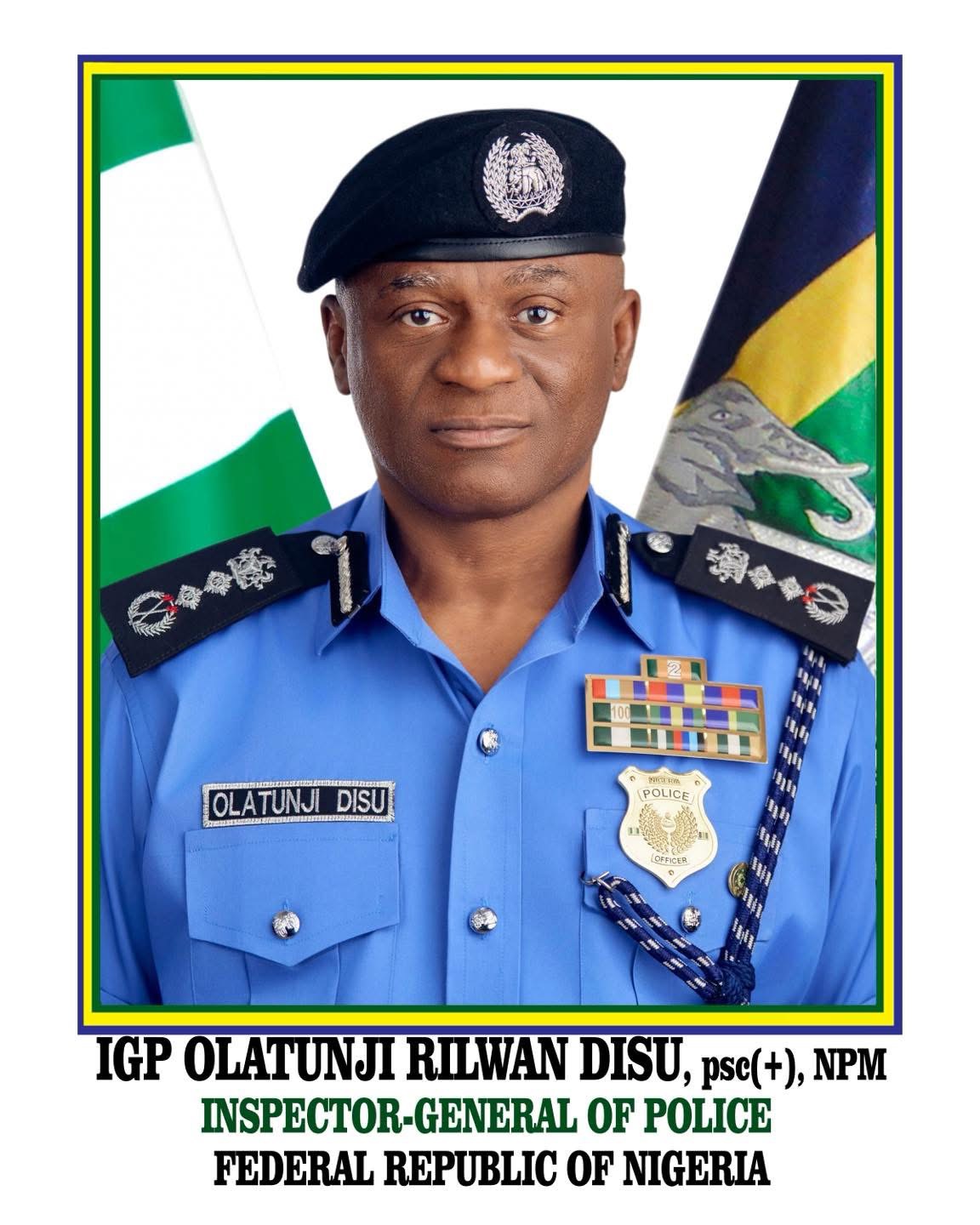
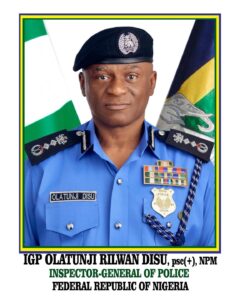
The Inspector-General of Police, IGP Olatunji Rilwan Disu, psc(+), NPM, has extended warm felicitations to the Muslim faithful across Nigeria on the successful completion of the holy month of Ramadan and the celebration of Eid-el-Fitr.
In furtherance of his commitment to ensuring a safe and secure environment during the festive period, the Inspector-General has directed Commissioners of Police and Tactical Commanders across all states of the Federation and the Federal Capital Territory to implement robust security arrangements.
Operational measures include:
Strategic deployment of tactical teams and intelligence operatives.
Deployment of the Special Intervention Squad and conventional police personnel to Eid prayer grounds and critical infrastructure.
Increased presence at highways, motor parks, recreational centers, and other public spaces to ensure peaceful, hitch-free celebrations.
The IGP has also ordered heightened visibility policing, coordinated patrols, enhanced surveillance operations, and intelligence-led stop-and-search duties. These actions are aimed at proactively deterring criminal activities and ensuring a swift response to any emerging threats.
IGP Disu calls on members of the public to remain vigilant, cooperate with law enforcement agencies, and promptly report any suspicious activities to the nearest police station or through the following emergency lines:
08057000001, 08057000002, 09133333785, and 09133333786.
IGP Tunji Disu wishes all Muslim faithful a peaceful and joyous Eid-el-Fitr.

DCP ANTHONY OKON PLACID psc(+) mni
Force Public Relations Officer
Force Headquarters, Abuja
20th March, 2026
EVENTS
Hon Success Opara celebrates Mothering Sunday with St. Peter women, hails them as the ‘neck that controls the household
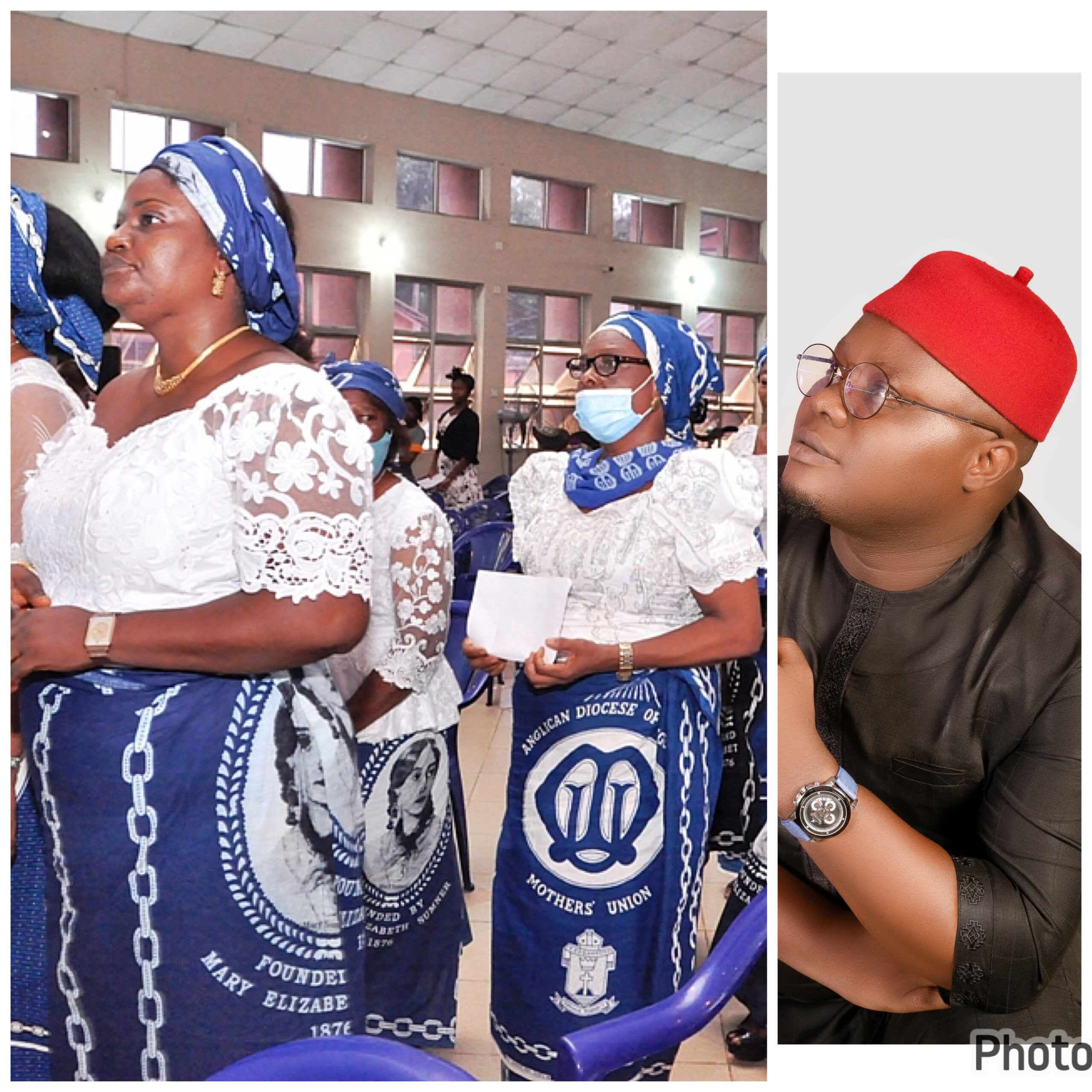
Hon Success Opara, former councilorship candidate for Ikenegbu Ward 2, celebrated Mothering Sunday with the women of St. Peter Anglican Church, Ikenegbu, extolling them as the backbone of their households.
He described them as the “neck that controls the household,” acknowledging their vital role in shaping families and communities.
Opara’s gesture is seen as a testament to his commitment to uplifting and empowering women.
The celebration, which coincided with the Christian observance of Mothering Sunday, featured fellowship and words of encouragement from Opara, who prayed for the women’s well-being.
This event highlights the importance of recognizing and appreciating mothers and mother figures in Nigerian society.
EVENTS
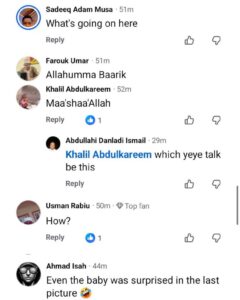
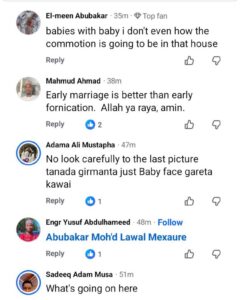
“Early marriage is better than fornication” – Mixed reactions as young Nigerian couple trends after welcoming a child
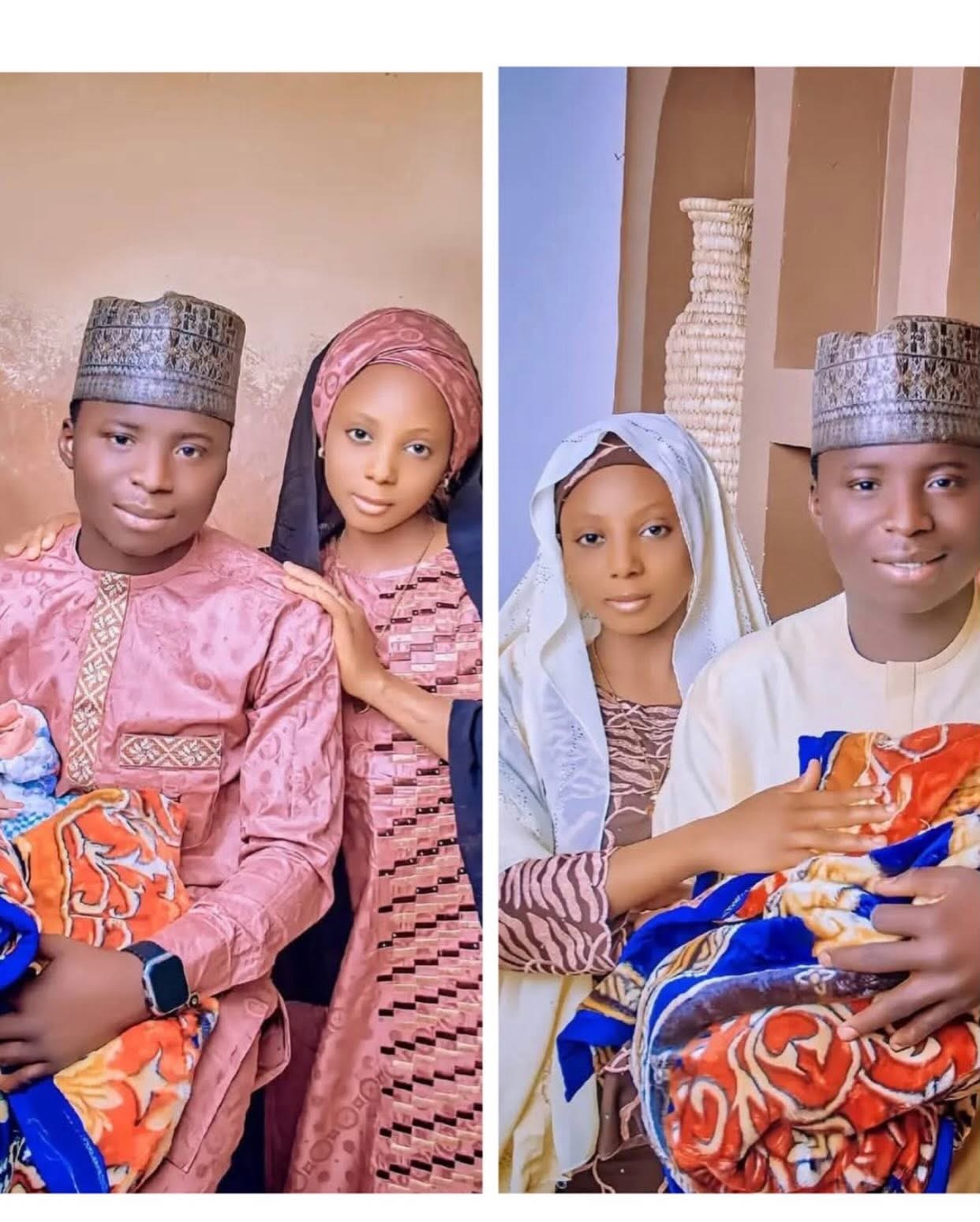
A young Nigerian couple are currently trending on Arewa social media circles after they welcomed their first child.
The pictures taken by a Kaduna-based photographer have sparked mixed reactions, with some people saying that the girl is underaged and not old enough to be a wife and mother.

2027: More Than 50 Lawmakers Lose APC Reps Tickets in Major Primary Election

Bandits behind Ogbomoso school abduction will face full wrath of the law- President Tinubu

PDP to screen Goodluck Jonathan on Tuesday as its sole Presidential aspirant For 2027 race

-
Business2 years ago
US court acquits Air Peace boss, slams Mayfield $4000 fine
-

 Trending2 years ago
NYA demands release of ‘abducted’ Imo chairman, preaches good governance
-

 Politics2 years ago
Mexico’s new president causes concern just weeks before the US elections
-

 Politics2 years ago
Putin invites 20 world leaders
-

 Politics2 years ago
Russia bans imports of agro-products from Kazakhstan after refusal to join BRICS
-
Entertainment2 years ago
Bobrisky falls ill in police custody, rushed to hospital
-
Entertainment2 years ago
Bobrisky transferred from Immigration to FCID, spends night behind bars
-
Education2 years ago
GOVERNOR FUBARA APPOINTS COUNCIL MEMBERS FOR KEN SARO-WIWA POLYTECHNIC BORI