
Columns
The First Automobile Ride of the Alake of Abeokuta in Liverpool (1903–1904)

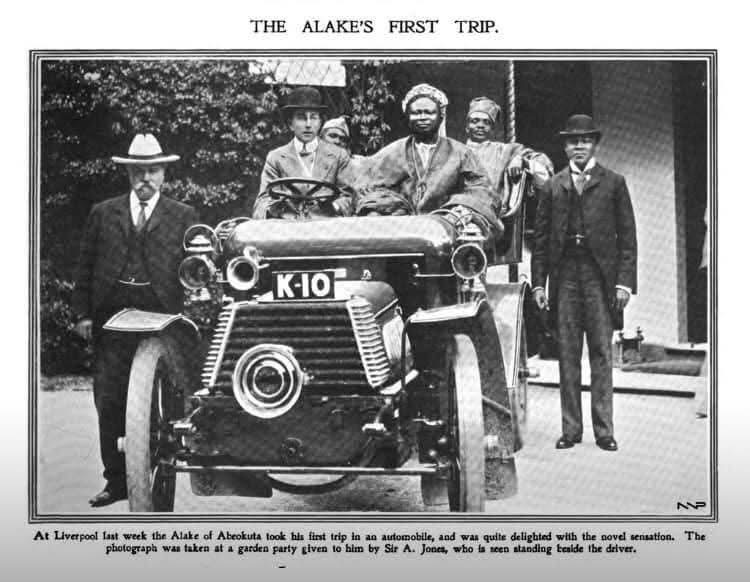
A rare photograph capturing the early encounter between a Nigerian monarch and modern automotive technology in Britain
A Historic Moment in Early Automobile History
Around 1903–1904, a remarkable photograph captured the first automobile ride of the Alake of Abeokuta during a visit to Liverpool. The image illustrates a significant moment when traditional African royalty encountered one of the most modern technological innovations of the early twentieth century: the motor car.
The Alake, the traditional ruler of Abeokuta, was photographed seated inside an early automobile, marking what is widely described as his first experience with this emerging form of transportation.
The Alake of Abeokuta
At the time the photograph was taken, the throne of Abeokuta was held by Gbadebo I. As the Alake, he served as the paramount ruler of the Egba people, one of the major Yoruba subgroups in southwestern Nigeria.
During the late nineteenth and early twentieth centuries, Egba leaders maintained diplomatic relations with British colonial authorities. Visits to Britain by African rulers were sometimes organized to strengthen political ties and demonstrate imperial influence.
The Alake’s presence in Liverpool therefore reflected both diplomacy and cultural exchange between Yoruba leadership and British society.
The Garden Party in Liverpool
The photograph was reportedly taken at a garden party hosted by Sir Alfred Lewis Jones, a prominent British businessman and shipping entrepreneur.
Sir Alfred Lewis Jones was the founder of the Elder Dempster Shipping Line, which played a central role in maritime trade between Britain and West Africa during the colonial era. His business interests connected Liverpool with ports such as Lagos and other West African trading hubs.
The garden party served as a social gathering where distinguished guests—including African rulers visiting Britain—were introduced to British elites and modern innovations.
The Automobile
The motor car in the photograph carried the license plate “K-10,” indicating its early registration during a period when automobiles were still rare luxury machines.
At the beginning of the twentieth century, cars were symbols of technological progress and wealth. For many visitors from different parts of the world, including Africa, seeing or riding in a motor car was an extraordinary experience.
The Alake’s ride therefore represented not only a personal experience but also a symbolic meeting between traditional African authority and modern industrial technology.
Cultural and Historical Significance
This photograph captures more than a simple moment of leisure. It reflects the broader historical context of:
Early Yoruba–British diplomatic relations
The influence of colonial trade networks connecting West Africa and Britain
The global spread of new technologies, such as the automobile
It also illustrates how African leaders engaged with modernity during the colonial period while still representing traditional institutions and political systems at home.
Legacy of the Image
Today, the photograph stands as a rare visual record of early twentieth-century encounters between African royalty and modern technology in Europe. It highlights the global mobility of African leaders and the ways in which colonial relationships shaped cultural exchanges between Britain and West Africa.
For historians, such images help illuminate how African elites navigated a rapidly changing world during the early years of the twentieth century.
Sources
British Library – West Africa photographic archives
National Archives UK – Colonial records relating to West African rulers
Abeokuta and the Egba 1832–1872 by S. A. Akintoye
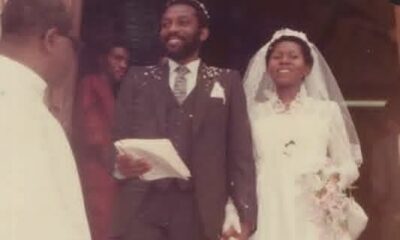






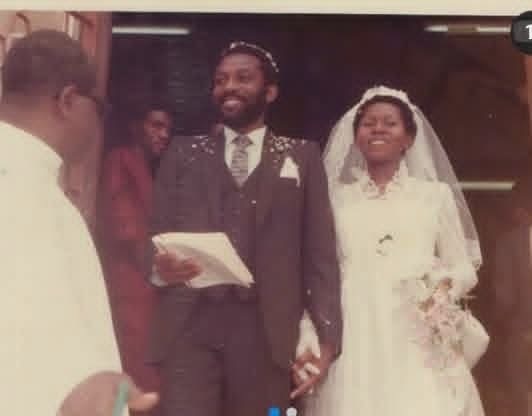
A rare glimpse into the early life of Rotimi Akeredolu and Betty Anyanwu, capturing the beginning of a lifelong partnership that would span over four decades.
A Milestone Union
The photograph captures the wedding of Rotimi Akeredolu and Betty Anyanwu in 1981—a day that marked the beginning of a partnership lasting more than four decades. The couple’s love and shared commitment were later celebrated with their 40th wedding anniversary in April 2021, a testament to their enduring bond.
Rotimi Akeredolu: Lawyer, Politician, and Governor
Rotimi Akeredolu was a prominent Nigerian lawyer and politician, widely respected for his legal acumen and leadership. He served as the Governor of Ondo State from 2017 until his passing on December 27, 2023, while still in office.
Legal Career: Akeredolu had a distinguished career in law, earning recognition as a Senior Advocate of Nigeria (SAN).
Political Leadership: As governor, he focused on state development, infrastructure, and governance reforms.
Legacy: His tenure is remembered for efforts to improve the welfare of Ondo State citizens and strengthen democratic institutions.
Partnership with Betty Anyanwu
Betty Anyanwu, his wife, stood by him through both personal and professional milestones. Their marriage provided the emotional and moral support that underpinned Akeredolu’s work in law and politics. Together, they navigated the challenges of public life, balancing family, governance, and service to the community.
Their wedding day photo, shared on social media on July 2, 2024, offers a rare glimpse into the couple’s early life together and the foundation of a lifelong partnership.
Legacy of Love and Service
The union of Rotimi Akeredolu and Betty Anyanwu symbolizes more than a personal relationship; it represents shared resilience, commitment, and mutual support. Their marriage endured through decades of public service, political challenges, and personal milestones, leaving an indelible mark on Ondo State and Nigeria at large.
Sources
Social media post, July 2, 2024
Nigerian Government Records and Media Archives
Photo: Wedding of Rotimi Akeredolu and Betty Anyanwu, 1f981
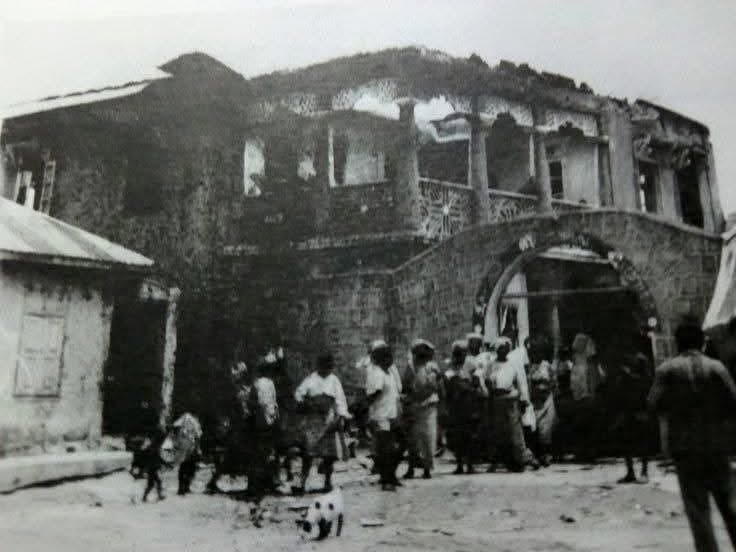
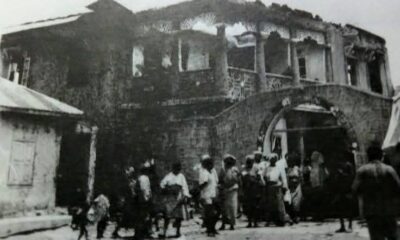
On July 1, 1969, the town of Ogbomoso witnessed one of the most dramatic and tragic episodes of the Agbekoya Revolt. During the unrest, Oba Olajide Adeoye, the traditional ruler of Ogbomoso, was killed when protesters attacked his palace.
Background: The Agbekoya Revolt
The Agbekoya uprising was a large-scale protest by farmers across the former Western State (today mostly Oyo State and surrounding areas). The name Agbekoya roughly translates from Yoruba as “farmers who reject suffering.”
The revolt began in 1968 and was fueled by several grievances:
Sharp increases in personal income taxes imposed on rural farmers
The introduction of utility levies despite limited infrastructure in rural areas
Poor road networks and lack of electricity or public services
Harsh tax enforcement methods used by local officials
These measures were implemented during Nigeria’s military rule under Yakubu Gowon, when the country was also facing economic pressures during the Nigerian Civil War.
Attack on the Palace
In Ogbomoso, tensions escalated dramatically when angry farmers stormed the palace of the Soun of Ogbomoso, Oba Olajide Adeoye. Protesters accused local authorities and traditional institutions of cooperating with the tax policies that burdened rural communities.
During the attack:
The palace was set on fire.
Oba Olajide Adeoye reportedly attempted to escape.
He was attacked by rioters and killed during the chaos.
The killing shocked the region and underscored the intensity of the revolt.
Government Response
The Nigerian authorities responded quickly to restore order:
Security forces were deployed to affected communities.
More than 500 suspects were arrested, including some women, in connection with the uprising and violence.
Eventually, negotiations between the government and farmers helped calm the situation. The authorities also reduced tax rates and modified enforcement practices, addressing some of the grievances that had triggered the revolt.
Historical Significance
The Agbekoya Revolt remains one of the most significant rural uprisings in Nigerian history. It demonstrated the political power of organized farmers and forced the government to reconsider rural taxation policies.
The tragic death of Oba Olajide Adeoye during the unrest is remembered as one of the most dramatic moments of the revolt and highlights the complex relationship between traditional leadership, government policy, and popular protest in Nigeria’s post-independence era.
Sources
The Agbekoya Uprising 1968–1969 by Toyin Falola
A History of Nigeria by Toyin Falola and Matthew M. Heaton
Nigerian historical archives on the Agbekoya Revolt and rural protests in Western Nigeria.
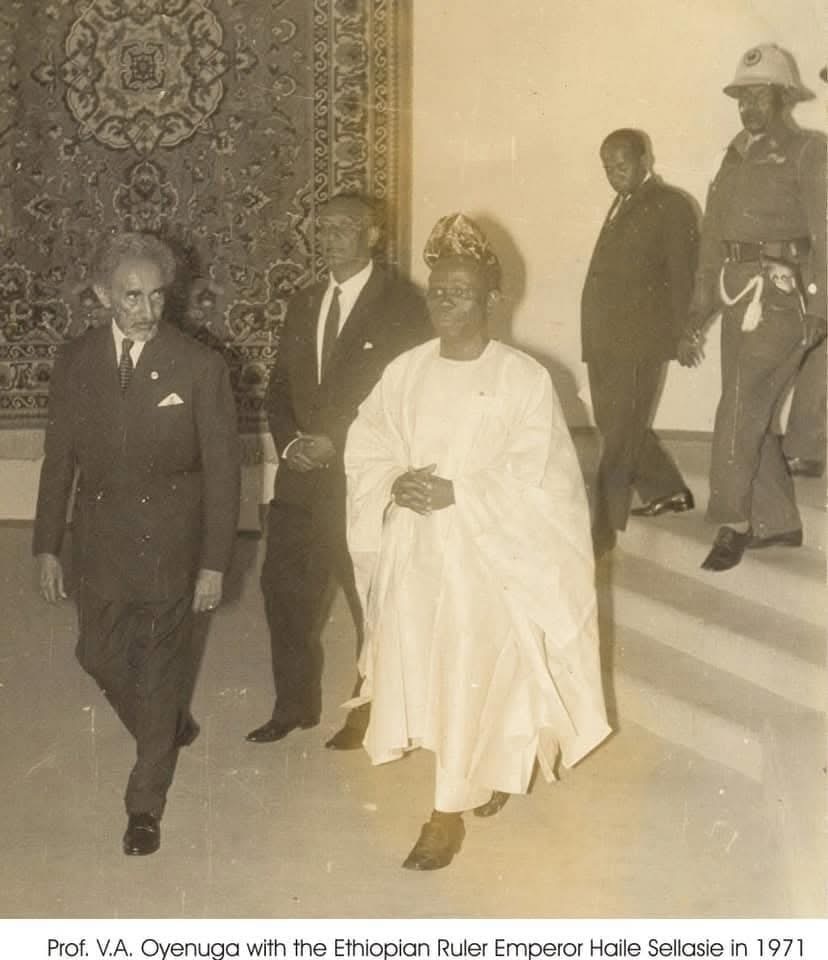
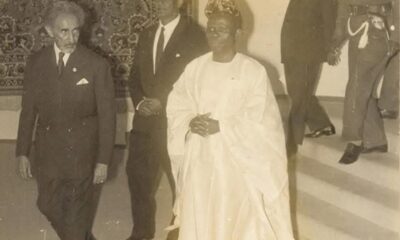
A historic encounter between Nigeria’s first Emeritus Professor of Agriculture and Ethiopia’s Emperor Haile Selassie, highlighting a lifetime of scientific achievement.
A Pioneer in African Agricultural Science
Professor Victor Adenuga Oyenuga (1917–2010) was a trailblazer in agricultural science and nutritional biochemistry, celebrated as Africa’s first professor of Agriculture and Nigeria’s first Emeritus Professor. His work established a global reputation, placing him alongside the most influential scientists of the 20th century.
Professor Oyenuga authored over 210 scientific articles in local and international journals, reporting original research conducted across Africa, Europe, and the United States. His studies advanced agricultural practices, nutrition science, and food security in Nigeria and beyond.
The Historic Meeting with Emperor Haile Selassie
In 1971, Professor Oyenuga visited Addis Ababa, Ethiopia, where he was photographed with Emperor Haile Selassie, a key figure in African political and social history. The meeting symbolized the recognition of Professor Oyenuga’s scientific contributions and highlighted the role of African intellectuals on the global stage during the post-colonial era.
This encounter is a testament to his international acclaim, reflecting how his pioneering research in agriculture and nutrition earned him respect far beyond Nigeria’s borders.
Legacy and Recognition
Professor Oyenuga’s legacy extends through his teaching, research, and mentorship. He helped shape generations of African scientists and agricultural experts, ensuring sustainable development and food security in Nigeria.
He is listed in over twelve international biographical journals and acknowledged globally for his contributions to science. Scholars often cite him alongside historic figures like Albert Einstein, underscoring his influence in the scientific community.
Beyond academia, Professor Oyenuga was a symbol of African excellence, representing the continent in international forums and fostering collaboration across nations.
Sources
Adesoye, Adebayo. Sojourn of a Nigerian Pilgrim: Emeritus Professor V.A. Oyenuga’s Biography.
University of Ibadan Archives – Academic and research contributions of Professor V.A. Oyenuga
International Biographical Centre Publications – Listings of leading 20th-century scientists

Rotimi Akeredolu and Betty Anyanwu: Wedding Day, 1981

Man, 25, arrested after criminal he paid N500k to acid-bathe his ex-girlfriend poured the substance on her salesgirl

ZOO IS BETTER THAN NIGERIA; NIGERIA IS NOT A ZOO BUT A JUNGLE -Comrade Igboayaka O Igboayaka National President Ohanaeze Youth Council OYC

-
Business1 year ago
US court acquits Air Peace boss, slams Mayfield $4000 fine
-

 Trending1 year ago
NYA demands release of ‘abducted’ Imo chairman, preaches good governance
-

 Politics1 year ago
Mexico’s new president causes concern just weeks before the US elections
-

 Politics1 year ago
Putin invites 20 world leaders
-

 Politics1 year ago
Russia bans imports of agro-products from Kazakhstan after refusal to join BRICS
-
Entertainment1 year ago
Bobrisky falls ill in police custody, rushed to hospital
-
Entertainment1 year ago
Bobrisky transferred from Immigration to FCID, spends night behind bars
-
Education2 years ago
GOVERNOR FUBARA APPOINTS COUNCIL MEMBERS FOR KEN SARO-WIWA POLYTECHNIC BORI