
Columns
Visa-free countries for Nigerian passport holders

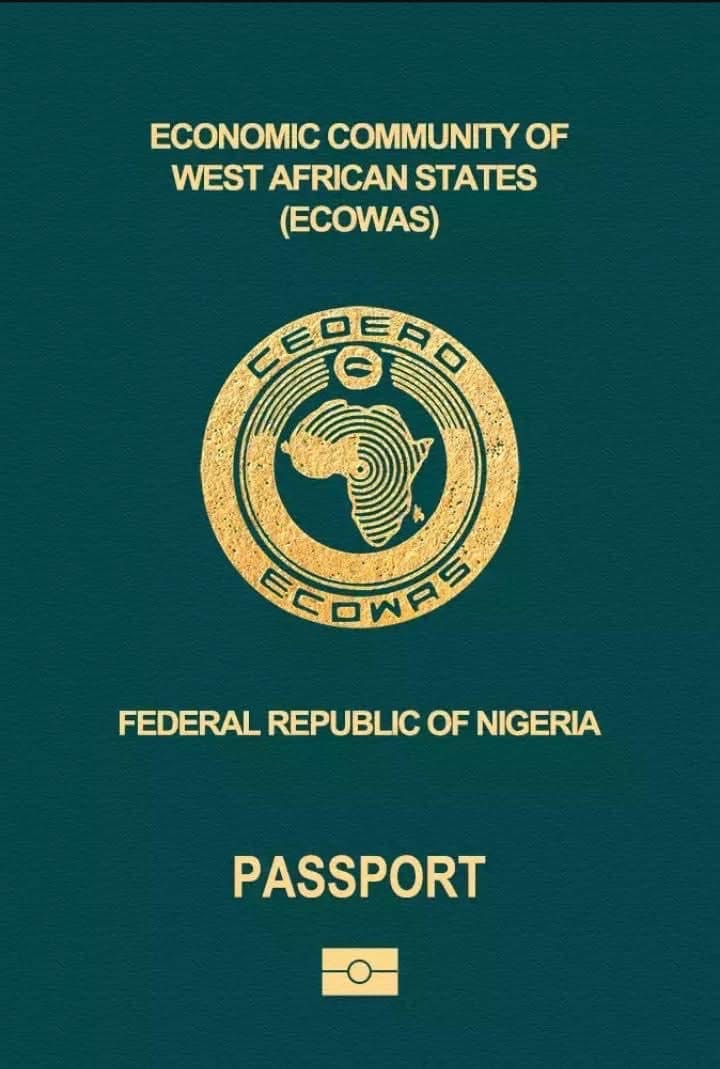
Visa-free travel for Nigerian passport holders can vary depending on the destination and the specific conditions of your trip. Here are the top 25 countries and territories that typically allow Nigerian passport holders to enter for short visits without requiring a visa or with visa-free access on arrival:
1. Barbados
2. Benin
3. Burkina Faso
4. Cape Verde
5. Dominica
6. Fiji
7. Gambia
8. Ghana
9. Guinea
10. Haiti
11. Kenya
12. Liberia
13. Maldives
14. Mauritius
15. Micronesia
16. Niger
17. Palau
18. Saint Kitts and Nevis
19. Saint Vincent and the Grenadines
20. Senegal
21. Seychelles
22. Sierra Leone
23. Tanzania
24. Togo
25. Vanuatu
Now let’s get into further details.
#1. Barbados
Nestled in the Caribbean Sea, Barbados is a tropical paradise known for its beautiful beaches, vibrant culture, and warm hospitality. Nigerian passport holders can enjoy visa-free travel to this island nation for stays of up to six months. Explore historic Bridgetown, relax on pristine beaches, and savor local cuisine while soaking up the Caribbean sun.
#2. Benin
Just west of Nigeria lies Benin, a neighboring country that offers visa-free access to Nigerian citizens. Explore the rich history of Benin City, visit the Royal Palace, and take in the beauty of the Ganvie stilt village on Lake Nokoué. Benin’s proximity makes it an excellent destination for a quick getaway.
#3. Burkina Faso
In West Africa, Burkina Faso is another visa-free destination for Nigerians. This landlocked country boasts a unique culture, including the vibrant traditions of the Mossi people. Experience the lively atmosphere of the capital, Ouagadougou, and explore the stunning landscapes of the Sahel region.
#4. Cape Verde
Cape Verde, an island nation off the coast of West Africa, offers visa-free access to Nigerian travelers for stays of up to 90 days. With its mix of African and Portuguese influences, Cape Verde is a unique destination. Discover its beautiful beaches, volcanic landscapes, and music that will make you want to dance.
#5. Dominica
Dominica, not to be confused with the Dominican Republic, is a lush and green island in the Caribbean that welcomes Nigerian passport holders for up to six months without a visa. Known as the “Nature Island,” Dominica offers stunning rainforests, waterfalls, and some of the best hiking and diving opportunities in the region.
#6. Fiji
Located in the South Pacific, Fiji is a dream destination for beach lovers and water enthusiasts. Nigerian citizens can stay in Fiji for up to four months visa-free, making it an excellent choice for an extended tropical escape. Explore coral reefs, take part in water sports, or simply relax on the pristine shores.
#7. Gambia
Nigerian travelers can enjoy visa-free access to The Gambia, a small West African nation known for its welcoming people and diverse wildlife. Discover the vibrant culture of Banjul, explore the bustling markets, and take a boat trip on the Gambia River for a chance to spot wildlife, including crocodiles and hippos.
#8. Ghana
Ghana, another West African neighbor, offers visa-free travel to Nigerians for stays of up to 90 days. This country is a cultural hub with a rich history, including historical sites related to the transatlantic slave trade. Visit Accra, Kumasi, and Cape Coast to immerse yourself in Ghana’s vibrant traditions and history.
#9. Haiti
Haiti, located in the Caribbean, grants visa-free access to Nigerian passport holders for stays of up to 90 days. This country is known for its unique blend of African, French, and Caribbean influences. Explore the capital, Port-au-Prince, or visit the beautiful beaches and historical sites around the island.
#10. Kenya
Kenya, in East Africa, offers visa-free access to Nigerians for stays of up to 90 days. This diverse country is famous for its wildlife and breathtaking landscapes. Embark on a safari in Maasai Mara National Reserve, witness the Great Migration, and experience the vibrant culture of Nairobi.
#11. Liberia
Liberia, on the West African coast, allows Nigerian passport holders to visit visa-free for up to 90 days. Discover Liberia’s natural beauty, including Sapo National Park, and learn about its history and culture in the capital, Monrovia.
#12. Maldives
The Maldives, a tropical paradise in the Indian Ocean, offers visa-free access to Nigerian travelers for stays of up to 30 days. This destination is known for its overwater bungalows, coral reefs, and crystal-clear waters. Experience a romantic getaway or an unforgettable diving adventure.
#13. Mauritius
Mauritius, another Indian Ocean island nation, allows Nigerians to stay visa-free for up to 90 days. Explore the stunning beaches, lush landscapes, and cultural diversity of this tropical haven. Don’t miss the chance to visit the colorful markets of Port Louis.
#14. Micronesia
Located in the western Pacific Ocean, the Federated States of Micronesia grant Nigerian passport holders visa-free access for up to 30 days. This remote destination is perfect for diving enthusiasts, with its pristine coral reefs and warm, clear waters.
#15. Niger
Niger, Nigeria’s neighbor to the north, offers visa-free travel for Nigerian citizens for stays of up to 90 days. Explore the vast Sahara Desert, visit the historic city of Agadez, and experience the unique cultures of the Tuareg and Fulani people.
#16. Palau
Palau, a paradise in the western Pacific Ocean, welcomes Nigerian travelers for stays of up to 90 days without a visa. Discover the beauty of Palau’s coral reefs, pristine beaches, and stunning rock islands. It’s a perfect destination for snorkeling and scuba diving.
#17. Saint Kitts and Nevis
Saint Kitts and Nevis, in the Caribbean, offer visa-free access to Nigerian passport holders for stays of up to 90 days. Explore the historic charm of Basseterre on Saint Kitts and the natural beauty of Nevis, including its volcanic peaks.
#18. Saint Vincent and the Grenadines
This is yet another Caribbean gem that you can explore without the hassles of Visa approvals. Explore the pristine beaches, lush landscapes, and vibrant culture of this island nation. Don’t miss the opportunity to sail around the beautiful Grenadine islands.
#19. Senegal
Senegal, on the West African coast, offers visa-free access to Nigerians for stays of up to 90 days. Immerse yourself in the culture of Dakar, visit historic Gorée Island, and experience the unique music and dance of Senegal.
#20. Seychelles
Seychelles, one of 25 Visa-free countries for Nigerians, allows entry for up to 30 days. Here you can explore the granite rock formations, white-sand beaches, and vibrant marine life of this tropical archipelago.
UPDATE: Seychelles
#21. Sierra Leone
Sierra Leone, another West African destination, allows Nigerian passport holders to visit visa-free for up to 90 days. Discover the natural beauty of the beaches, rainforests, and wildlife, and explore the rich history of Freetown.
#22. Tanzania
Tanzania, in East Africa, offers visa-free access to Nigerian citizens for stays of up to 90 days. This country is famous for its wildlife, including the iconic Serengeti National Park and Mount Kilimanjaro.
Culled from wakanows no longer free







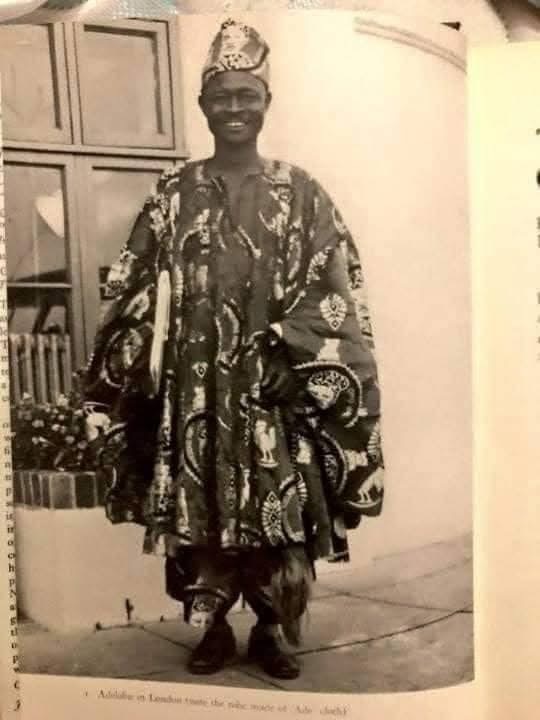
Full Name: Alhaji Adegoke Gbadamosi Adelabu
Birth Name: Gbadamosi Adegoke Akande
Date of Birth: 3 September 1915
Place of Birth: Ibadan, present-day Oyo State, Nigeria
Nickname: “The Lion of the West” — a title earned for his fearless, combative, and charismatic political style
Education:
St. David’s School, Kudeti, Ibadan (1925–1929)
Government College, Ibadan (from 1936)
Yaba Higher College (admitted on scholarship)
Intellectual Reputation:
Adelabu was renowned for his exceptional oratory, sharp intellect, and ideological boldness, making him one of the most formidable politicians of his generation.
Popular Alias:
Known among his largely non-literate supporters as “Penkelesi” — a Yorubanised version of “peculiar mess”, a phrase he frequently used in speeches, which became inseparably associated with him.
Political Affiliation:
A leading member of the National Council of Nigeria and the Cameroons (NCNC) under Dr. Nnamdi Azikiwe during the colonial era.
Political Rivalry:
He was a fierce and ideological opponent of Chief Obafemi Awolowo in the Western Region, making Western Nigerian politics highly competitive and polarized in the 1950s.
Colonial-Era Persecution:
Adelabu is widely regarded as one of the most persecuted opposition politicians of the colonial period, having faced about 18 court cases, many believed to be politically motivated.
Corporate Achievement:
He made history as the first African General Manager of the United Africa Company (UAC), a major British trading firm, marking a significant breakthrough for Africans in colonial corporate leadership.
Death:
Date: 25 March 1958
Place: Ode-Remo, Ijebu Province (present-day Ogun State)
Cause: Fatal motor accident involving his Volkswagen Beetle, alongside a Lebanese business associate and two relatives
Age at Death: 43 years old — two years before Nigeria’s independence
Family:
At the time of his death, Adelabu had 12 wives and 15 children, reflecting the social norms of his era.
Aftermath of Death:
His sudden and tragic death sparked widespread riots and unrest across Ibadan, underscoring his immense popularity and political influence among the masses.
Historical Significance:
Adelabu remains one of the most charismatic, controversial, and intellectually formidable politicians in Nigerian pre-independence history, often remembered as a symbol of radical opposition politics and mass mobilisation.
Source:
Nigerian political history archives
Ibadan colonial-era political records
Biographical accounts on Adegoke Adelabu
Yoruba political history documentation
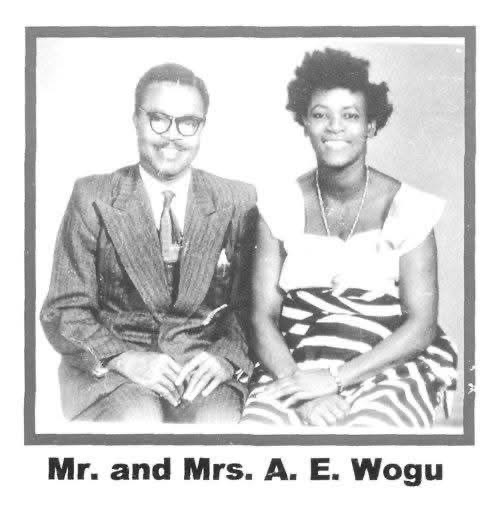
The pioneering role of Mr and Mrs A. E. Wogu in the rise of indigenous Pentecostalism
The explosive growth of Pentecostal Christianity in Nigeria during the twentieth century did not emerge overnight. Long before megachurches, crusade grounds, and global ministries, the movement was shaped by small prayer groups, radical faith, and indigenous leaders who believed that Christianity in Africa must be spiritually vibrant and culturally rooted. Among the most influential of these pioneers were Mr and Mrs Augustus Ehurie Wogu, whose quiet but profound work in Eastern Nigeria helped spark what later became one of the most significant religious revivals in Nigerian history.
By the 1930s, Nigeria was already experiencing religious ferment. Dissatisfaction with mission churches, hunger for spiritual power, and the search for an African-led Christian expression created fertile ground for Pentecostal ideas. It was within this context that the Wogus emerged as key catalysts of renewal.
Augustus Ehurie Wogu: Faith and Public Life
Augustus Ehurie Wogu (A. E. Wogu) was not a cleric by training. He was a respected civil servant, educated and deeply rooted in Christian discipline. Like many early revivalists, his spiritual influence came not from formal ordination but from conviction, prayer, and leadership within lay Christian circles.
At a time when colonial society often separated public service from spiritual enthusiasm, Wogu embodied both. His faith was intense, practical, and unapologetically Spirit-filled. He believed that Christianity should be marked by holiness, prayer, divine healing, and the active presence of the Holy Spirit—beliefs that resonated deeply with many Nigerians who felt constrained by the formality of mission Christianity.
The Pentecostal Spark: Print, Prayer, and Providence
One of the most remarkable aspects of the Nigerian Pentecostal revival was how it was ignited. Rather than beginning with foreign missionaries, the movement was sparked through printed Pentecostal literature.
In the early 1930s, Wogu and other like-minded believers encountered Pentecostal Evangel, a magazine published by the Assemblies of God in the United States. The publication circulated testimonies of revival, Spirit baptism, divine healing, and missionary zeal. For Wogu and his associates, this literature provided language and theological grounding for experiences they were already seeking.
Inspired, they began intense prayer meetings, fasting, and Bible study sessions in their homes. These gatherings soon attracted others hungry for deeper spiritual life.
The Wogu Home as a Revival Centre
The home of Mr and Mrs Wogu in Umuahia, present-day Abia State, became one of the earliest hubs of Spirit-filled Christianity in Eastern Nigeria. It functioned as:
A prayer house
A teaching centre
A refuge for believers seeking healing and renewal
These meetings were marked by fervent prayer, testimonies, and an emphasis on personal holiness. Importantly, leadership was indigenous. Nigerians taught, prayed, interpreted scripture, and organised fellowships without missionary supervision.
This approach helped dismantle the idea that spiritual authority had to come from Europe or America.
Mrs Wogu and the Role of Women in Early Pentecostalism
While historical narratives often foreground male leaders, Mrs Wogu played a crucial role in sustaining and expanding the revival. She provided spiritual support, hospitality, organisational stability, and mentorship—functions that were essential to the survival of early Pentecostal fellowships.
Her partnership with her husband reflected a pattern later seen across Nigerian Pentecostalism, where women played powerful but often understated roles as prayer leaders, organisers, and spiritual anchors.
From Fellowship to Movement: Birth of Assemblies of God Nigeria
As the revival grew, correspondence began between Nigerian believers and the Assemblies of God in the United States. This relationship eventually led to the arrival of American missionaries in the late 1930s.
Crucially, because the movement already existed before foreign involvement, the resulting church developed with a strong indigenous identity. This distinguished Assemblies of God in Nigeria from many earlier mission-founded churches.
The values emphasised by Wogu and his peers—local leadership, spiritual experience, and African agency—became foundational to the denomination’s growth.
Impact on Nigerian Christianity
The legacy of Mr and Mrs A. E. Wogu extends far beyond Umuahia or the Assemblies of God denomination. Their work helped shape:
The broader Pentecostal and Charismatic movement in Nigeria
The idea that revival could emerge from African initiative
The theology of prayer, healing, and Spirit baptism that dominates Nigerian Christianity today
Many of Nigeria’s most influential pastors and evangelists trace their spiritual heritage, directly or indirectly, to the revival culture of the 1930s.
A Lasting Legacy
A photograph dated 29 March 1959, showing Mr and Mrs A. E. Wogu, captures not just a couple but a generation of believers whose faith reshaped Nigeria’s religious landscape. By that time, the movement they helped ignite had grown beyond imagination.
Their story reminds us that history is often made not only by those on pulpits or platforms, but by faithful individuals who open their homes, pray persistently, and dare to believe that renewal is possible.
Sources
This Week in AG History
Assemblies of God Nigeria historical archives
Ogbu Kalu, African Pentecostalism: An Introduction
J. D. Y. Peel, Religious Encounter and the Making of the Yoruba (contextual reference)
Nigerian church
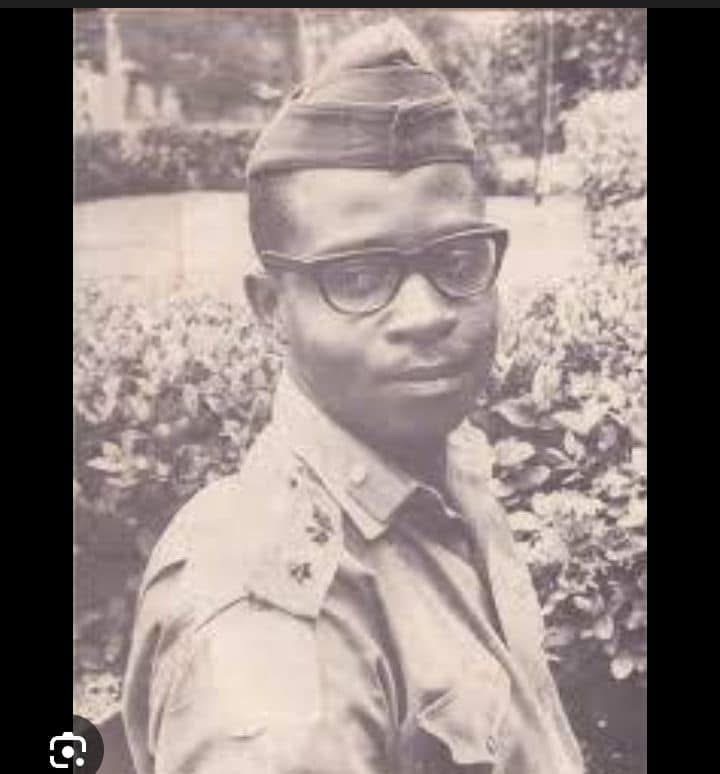
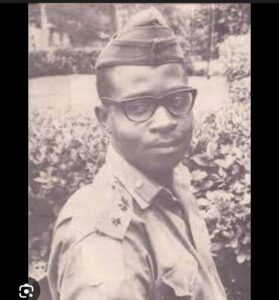
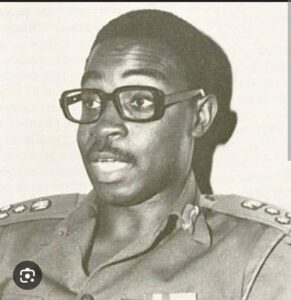
Lieutenant General Theophilus Yakubu Danjuma GCON ) is a retired Nigerian @rmy officer, billionaire businessman, and prominent philanthropist. He is considered one of Nigeria’s most influential and controversial milit@ry figures, having played a central role in several key events in the country’s post-independence history.
Born in Takum, Taraba State on December 9, 1938 , from a humble farming family.
He Attended St. Bartholomew’s Primary School and Benue Provincial Secondary School.
He received a scholarship to study history at Ahmadu Bello University but joined the Nigerian Army in 1960, the year Nigeria gained independence.
Commissioned in 1960, he served as a platoon commander in the Congo Crisîs and rose to the rank of Captain by 1966.
He is widely recognized for leading the troops that arrested and overthrew the first military Head of State, General Aguiyi-Ironsi, during the July 1966 counter-coup.
He served as the Chief of @rmy Staff from 1975 to 1979 under the milit@ry göverñmëñts of Murtala Muhammed and Olusegun Obasanjo.
After returning to public service in the democratic era, he served as Nigeria’s Minister of D£fence from 1999 to 2003 under President Obasanjo.
After returning to public service in the democr@tic era, he served as Nigeria’s Ministēr of Defēñce from 1999 to 2003 under President Obasanjo.
Following his military retirement in 1979, Danjuma became one of Africa’s wealthiest individuals through ventures in shipping and petroleum.
He owns NAL-Comet Group, A leading indigenous shipping and terminal operator in Nigeria.
Owns NAL-Comet Group, leading indigenous shipping and terminal operator in Nigeria.
South Atlantic Petroleum (SAPETRO): An oil exploration company with major interests in Nigeria and across Africa.
In 2009,he established TY Danjuma Foundation: with a $100 milliøn grant, it supports education, healthcare, and pôverty alleviation projects throughout Nigeria.
As of early 2026, he remains an active elder statesman, having celebrated his 88th birthday in December 2025.
He continues to be a vocal crìtic of Nigeria’s security situation, recently urging citizens to “rise up and DEFĒÑD themselves” against b@nditry and in$urgēncy when gøvernmēñt protection f@ils.
He remains a “towering national figure” in Taraba State, where he has recently toured ongoing construction for the T.Y. Danjuma University and Academy.
Danjuma is celebrated as a figure who transitioned from milit@ry leadership to business and philanthropy, significantly impacting Nigeria’s development.


Police bust syndicate behind nude photo blackmail in Lagos

Man in shock after lady he lodged with in a hotel in Abuja flees with his car and other valuables

US Reacts As De@th Toll In Kwara Terror Attacks Hits 200

-
Business1 year ago
US court acquits Air Peace boss, slams Mayfield $4000 fine
-

 Trending1 year ago
NYA demands release of ‘abducted’ Imo chairman, preaches good governance
-

 Politics1 year ago
Mexico’s new president causes concern just weeks before the US elections
-

 Politics1 year ago
Putin invites 20 world leaders
-

 Politics1 year ago
Russia bans imports of agro-products from Kazakhstan after refusal to join BRICS
-
Entertainment1 year ago
Bobrisky falls ill in police custody, rushed to hospital
-
Entertainment1 year ago
Bobrisky transferred from Immigration to FCID, spends night behind bars
-
Education1 year ago
GOVERNOR FUBARA APPOINTS COUNCIL MEMBERS FOR KEN SARO-WIWA POLYTECHNIC BORI